
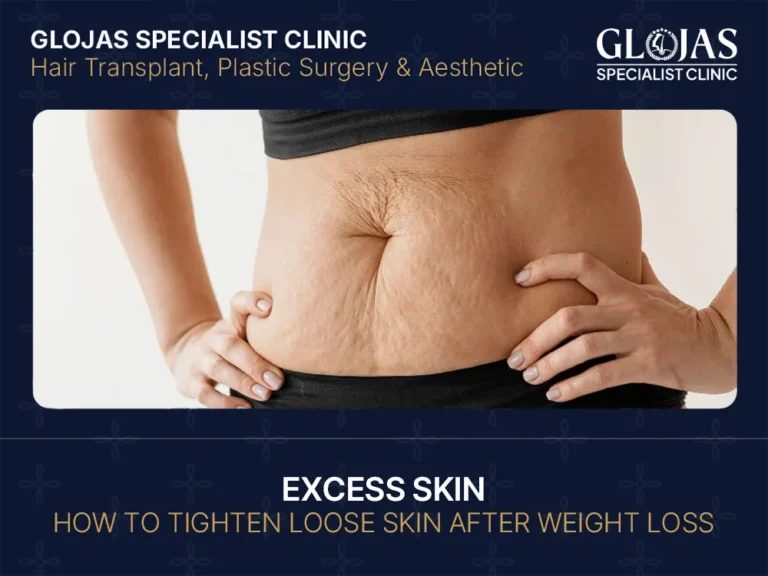
Loose or excess skin happens when your skin loses elasticity due to aging, rapid weight loss, or post-pregnancy changes. This can lead to sagging, folds, or dermatochalasis in certain areas. Treatments range from non-surgical skin tightening to surgical excision like abdominoplasty (tummy tuck), brachioplasty (arm lift), thighplasty, and facial lifts.
What Causes Excess Skin?
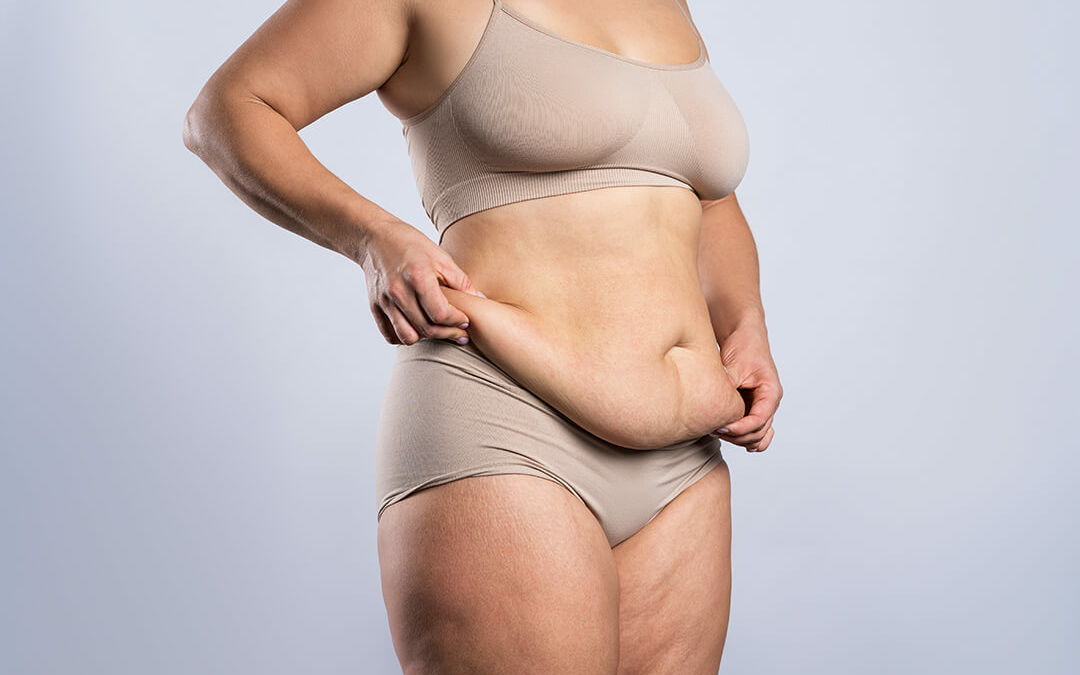
Extra skin develops when collagen and elastin fibers lose their tension. Common causes include:
Rapid weight loss (after bariatric surgery or dieting)
Aging – skin naturally loses elasticity
Pregnancy and post-partum body changes
Genetics or predisposition to sagging skin
Areas commonly affected: abdomen, arms, thighs, neck, face, chest. Beyond aesthetics, sagging skin can cause skin irritation, rashes, intertrigo, and hygiene issues.
Why It Happens (Mechanisms)
Collagen and elastin breakdown reduces skin recoil
Gravity pulls tissue downward over time
Rapid fat loss leaves skin unsupported
Excess skin can occur around eyelids, abdomen, arms, and thighs
Sun damage and smoking accelerate collagen degradation
Conditions like ptosis or dermatochalasis can affect function
Treatment Options for Excess Skin
Non-Surgical Approaches
Radiofrequency / Ultrasound Skin Tightening: Stimulates collagen production, improves firmness
Laser Therapy (CO2 / Fractional): Enhances skin texture and tightness
Topical Treatments: Retinoids, peptides, antioxidants, hyaluronic acid
Fat Grafting or Dermal Fillers: Restores volume under minor sagging areas
Best for mild sagging, often requires multiple sessions to see visible improvement
Surgical Approaches
Abdominoplasty (Tummy Tuck): Removes excess abdominal skin, tightens underlying fascia and muscles
Brachioplasty (Arm Lift) & Thighplasty (Thigh Lift): Excises hanging skin after weight loss
- Blepharoplasty: Eyelid Surgery
Body Contouring Surgery: Combines liposuction and skin removal for smooth, natural results
Facial and Neck Lifts: Correct sagging in jawline, neck, and cheeks
Reconstructive Surgery: Post-bariatric or post-trauma skin repair
Always performed by board-certified plastic or reconstructive surgeons, following pre-op assessment including BMI stability, comorbidities, and skin condition.
Board-certified surgeons at GLOJAS Specialist Clinic in Kuala Lumpur, Malaysia, ensure safe, effective results while minimizing risks such as hematoma, infection, or hypertrophic scarring.
Who Is a Good Candidate?
Generally healthy adults
Stable weight for at least 6–12 months
No active skin infections, diabetes, cardiovascular, or clotting issues
Non-smokers or willing to stop before surgery
Realistic expectations and adherence to post-op care
What Happens During Treatment?
Non-Surgical
Outpatient procedure, minimal downtime
Gradual results over weeks
Often combined with topical skin treatments and exercise
Surgical
Anesthesia: General or local (twilight sedation)
Incision: Strategically placed along natural creases or supratarsal line, tarsal plate, or abdomen fold
Excision: Removes excess skin; underlying muscle tightening and fat repositioning
Recovery: Swelling/bruising 1–3 weeks, full results 2–3 months
Compression garments, wound care, and follow-ups required
Benefits of Excess Skin Treatment
Restores natural body contour and firmness
Enhances mobility and reduces skin irritation or infections
Improves self-confidence and body image
Long-lasting results with healthy lifestyle maintenance
Risks & Considerations
Common: bruising, swelling, temporary numbness
Surgical: hematoma, seroma, infection, hypertrophic scarring, anesthesia risks
Minimizing risks: choose board-certified, Ministry of Health-accredited surgeons in Malaysia
Aftercare Tips
Wear compression garments 4–6 weeks
Keep incisions clean, moisturized, and protected from sun
Avoid heavy lifting and strenuous activity for 2–4 weeks
Gradually resume exercise and daily activities
Follow all surgeon instructions and attend follow-ups
Other Helpful Approaches
Exercise: Strengthens underlying muscles, supporting skin
Healthy diet: Boosts collagen and elastin production
Topical skincare: Retinoids, peptides, antioxidants for mild improvements
Cost of Excess Skin Treatment in Malaysia (2026)
Non-surgical: RM1,500–RM6,000 per session
Surgical: RM10,000–RM50,000+ depending on complexity
Insurance may cover functional skin removal after massive weight loss
Frequently Asked Questions (FAQ)
1. Can excess skin tighten naturally?
Mild sagging may improve slowly, but significant loose skin usually requires treatment.
2. How long does surgical recovery take?
Initial healing: 1–3 weeks; full results visible in 2–3 months.
3. Are non-surgical treatments effective?
Yes, for minor sagging, but multiple sessions are often needed.
4. Will scars be noticeable?
Surgeons hide incisions strategically; scars fade over time but never fully disappear.
5. Can I get an infection?
Yes, but proper hygiene, antibiotics, and follow-ups reduce risk.
6. Will removing excess skin improve mobility?
Yes, it improves comfort and ability to exercise.
7. How long will results last?
Long-lasting if weight is stable and healthy habits maintained.
8. Is treatment painful?
Discomfort is mild; pain is managed with medications and care.
9. Who should perform skin removal?
A board-certified plastic or reconstructive surgeon, preferably Ministry of Health-accredited in Malaysia.
10. Can skin removal be combined with other procedures?
Yes, often combined with liposuction, tummy tuck, or body contouring for optimal results.