
Understanding How Laser Hair Removal Works
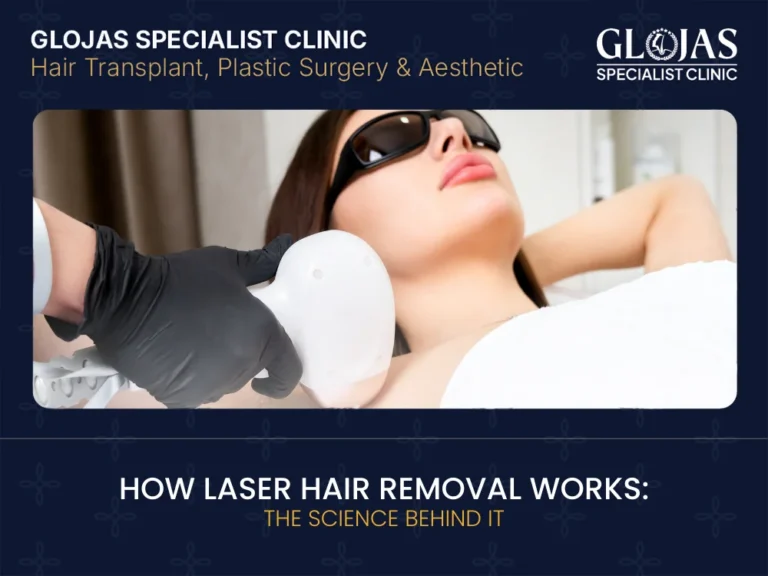
Laser hair removal works by using concentrated light energy to target the pigment (melanin) in hair follicles. The laser converts light into heat, damaging the follicle to slow and reduce future hair growth. This selective heating process leaves surrounding skin unharmed. Because hair grows in cycles, multiple sessions are needed to achieve long-term reduction. This technology is widely used by trained professionals around the world.
Introduction: The Evolution of Hair Removal Technology
Hair removal has transformed significantly—from shaving and waxing to advanced, medical-grade laser treatments. Adults today seek longer-lasting, low-maintenance options, and laser hair removal has become one of the most popular methods because of its effectiveness and fast results.
But how exactly laser hair removal works? What makes it so precise, and why does it require multiple sessions? In this guide, we explore the science, technology, safety features, benefits, and the key differences between laser and traditional hair removal methods.
This article is written to be clear, accessible, humanized, and optimized for search while maintaining a smooth reading flow (Flesch score target ~60–70%).
What Is Laser Hair Removal?
Laser hair removal is a non-invasive aesthetic procedure that uses concentrated light energy to reduce unwanted hair. The technology is based on a process known as selective photothermolysis, meaning the laser precisely targets dark pigments without harming the surrounding skin.
Unlike shaving (cuts the hair surface) or waxing (removes hair temporarily), laser hair removal interacts with the root of the hair to slow down regrowth.
Key Features:
- Long-term hair reduction
- Precise targeting
- Suitable for large and small areas
- No downtime
- Commonly used for the face, legs, arms, underarms, and more
The Science of How Laser Hair Removal Works
1. The Role of Melanin (Pigment)
Melanin is the pigment in skin and hair. Darker hair contains more melanin, which absorbs light more effectively. During laser hair removal:
- The laser emits a specific wavelength
- Melanin absorbs the light
- Light energy converts into heat
- Heat damages the hair follicle
This disruption reduces the follicle’s ability to regrow hair.
2. Selective Photothermolysis Explained
This scientific term describes how lasers target specific tissues using light and heat.
The process:
- “Selective” → only the melanin-rich follicle is targeted
- “Photo” → the use of light
- “Thermo” → conversion into heat
- “Lysis” → destruction of the follicle’s regrowth ability
The precision of this method is what makes laser hair removal safe and effective when performed by trained professionals.
3. Hair Growth Cycles and Why Multiple Sessions Are Needed
Hair grows in three phases:
Anagen (growth phase) – Best for Laser
This is when the hair is actively growing and attached to the follicle. Laser works best here.
Catagen (transition phase)
The hair detaches from the follicle.
Telogen (resting phase)
The hair sheds to make room for new growth.
Only 10–30% of hair is in the anagen phase at a time, which is why adults require multiple spaced-out sessions to see optimal reduction.
Types of Lasers Hair Removal Works
Different lasers are used based on skin tone, hair color, and treatment area. The most common medical-grade lasers include:
1. Alexandrite Laser (755 nm)
- Fast and effective
- Common for lighter skin tones
2. Diode Laser (810 nm)
- Versatile and widely used
- Suitable for many skin types
3. Nd:YAG Laser (1064 nm)
- Safest for darker skin tones
- Penetrates deeper with reduced melanin absorption in skin
4. IPL (Intense Pulsed Light) – Not a True Laser
Although popular, IPL uses broad-spectrum light rather than a single wavelength.
It can provide hair reduction but is generally less precise and less consistent compared to lasers.
Benefits of Laser Hair Removal Works
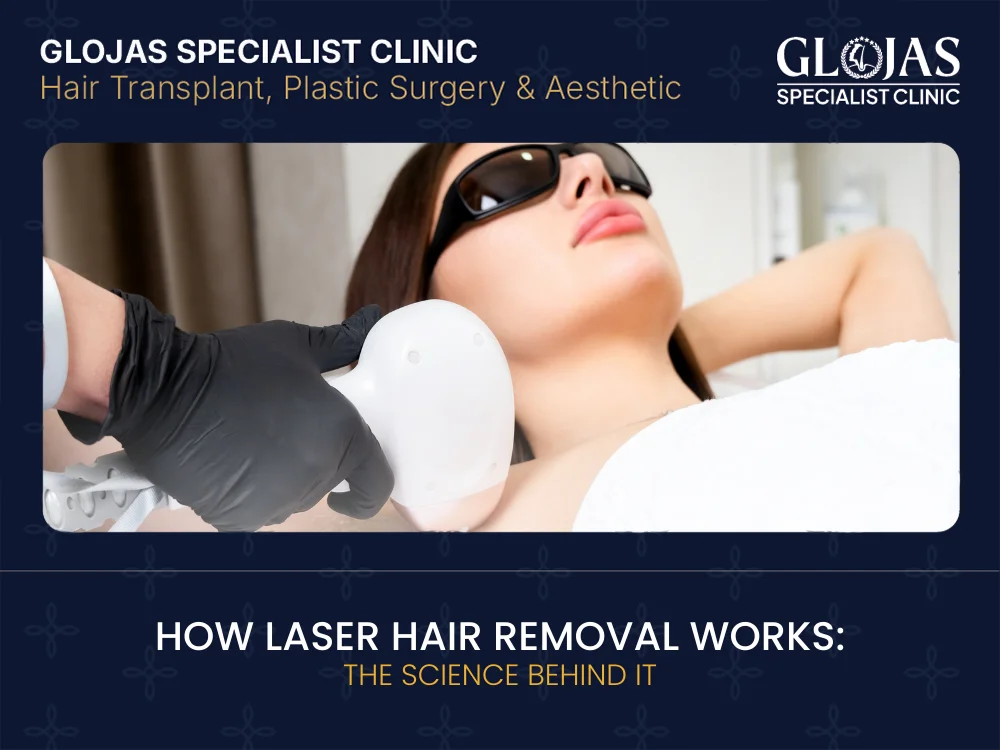
Laser hair removal has become a popular choice among adults because of its convenience, efficiency, and long-lasting effects. Some of the key benefits include:
Long-Term Hair Reduction:
With multiple sessions, many adults experience a significant and lasting decrease in hair growth, reducing the need for regular shaving or waxing.Smoother Skin Texture:
Because the treatment targets the follicles, the skin often feels softer and more refined over time.Fewer Ingrown Hairs:
Laser technology helps prevent hair from curling back into the skin, making it especially useful for those who struggle with ingrown hairs or razor bumps.Minimal Discomfort:
Modern laser systems are designed to be gentle, with cooling mechanisms that reduce heat sensation and improve comfort.Fast Sessions for Large Areas:
Areas like legs, arms, and back can be treated quickly thanks to devices with larger spot sizes.Precision Targeting:
Lasers can accurately target specific follicles without affecting surrounding skin, making it ideal for smaller, detailed areas too.
Overall, laser hair removal is often chosen by adults who want a simpler grooming routine, less irritation from shaving or waxing, and smoother-looking skin with less daily maintenance.
How Skin and Hair Color Affect Results
Best Combination:
- Light skin
- Dark hair
This contrast allows the laser to easily differentiate between hair and skin.
Darker Skin Tones:
Lasers must be chosen carefully to avoid overheating the skin. Nd:YAG is usually preferred because it bypasses skin melanin and targets deeper follicles.
Lighter or Blonde Hair:
Since these contain less melanin, the laser may be less effective. Some technologies work better for medium-pigmented hair.
Laser Hair Removal Works for Different Areas
Laser hair removal is widely chosen by adults to reduce unwanted hair in various regions of the body. While each individual’s pattern of use differs, these are some of the most commonly treated areas:
Legs: One of the most popular areas due to larger surface area and convenience.
Underarms: Often chosen for smoother skin and reduced irritation from shaving.
Brazilian/Bikini Area: Many adults opt for cleaner edges or fuller reduction in this region.
Face (Upper Lip, Chin): Typically targeted for finer or hormonally influenced hair.
Arms: Helps reduce noticeable or dense hair growth.
Chest & Back: Common among adults with thicker growth patterns.
Stomach: Selected for shaping or reducing midline hair.
Neck: Helps with ingrown hairs or constant shaving irritation.
Each body area can respond differently to laser due to variations in hair thickness, density, and hormonal influence. Areas with coarser, darker hair generally show faster progress, while finer or hormonally sensitive regions may require more sessions.
Laser Hair Removal Works: Safety and Professional Standards
Laser hair removal is considered safe when performed by trained, certified professionals using approved devices.
Safety features in modern lasers include:
- Cooling systems
- Adjustable wavelengths
- Pulsed light delivery
- Skin-type settings
- Contact sensors
These designs help protect the skin and maintain comfort.
Common, temporary effects may include redness or mild warmth—typical signs that the follicle absorbed heat.
Laser Hair Removal Works vs Other Hair Removal Methods
Shaving
- Quick but temporary
- Regrowth within 1–3 days
- May cause irritation
Waxing
- Longer-lasting but painful
- Can cause ingrown hairs
Depilatory Creams
- Chemical-based
- Can irritate sensitive skin
Laser Hair Removal
- Long-term reduction
- Targets hair root
- Smoother results
- Less maintenance over time
What Affects the Laser Hair Removal Works Results?
Laser hair removal results can vary from person to person, and several key factors influence how well the treatment works:
Hair Colour & Thickness:
Darker, coarser hair usually responds better because the laser can target the pigment more effectively. Fine or light-coloured hair may need more sessions.Skin Tone:
Different skin tones may require different laser settings or laser types to ensure both safety and effectiveness. Some devices work better on certain skin tones than others.Laser Type:
Not all lasers are the same—some are designed for deeper penetration, gentle treatment, or specific skin types. Using the right device makes a noticeable difference in outcome.Hormonal Balance:
Areas influenced by hormones (such as the face or bikini region) may show slower progress or require more maintenance sessions.Treatment Consistency:
Sticking to the schedule recommended by a trained professional helps target hair during the right growth phase, improving long-term results.Body Area:
Different areas grow hair at different rates. For example, underarms and legs often respond faster than facial areas.
Most adults typically see around 80–90% long-term hair reduction after completing a full series of sessions, though individual experiences may vary.
10 FAQs About How Laser Hair Removal Works
1. How does laser hair removal works permanently reduce hair?
It damages hair follicles with heat, slowing future growth significantly.
2. Does laser hair removal hurt?
Most adults describe it as a light snapping sensation, similar to a rubber band.
3. How many sessions are needed?
Usually 6–10, depending on hair thickness, color, and growth cycles.
4. Is laser hair removal safe for all skin tones?
Yes, when appropriate lasers (like Nd:YAG) are used for darker skin tones.
5. Does laser hair removal works on blonde or grey hair?
It’s less effective because of low melanin levels.
6. Can laser hair removal treat ingrown hair?
Yes, it often reduces and prevents ingrown hairs.
7. How long does each session take?
Small areas take minutes; larger areas like legs may take around 30–45 minutes.
8. Is there downtime after laser hair removal?
No. Mild redness can occur but usually resolves quickly.
9. Why must sessions be spaced weeks apart?
Because the laser only works on hairs in the active growth phase.
10. Are results permanent?
Results vary. Many adults enjoy long-term reduction, though touch-ups may be needed.
Conclusion
Understanding how laser hair removal works gives a clearer picture of why it’s so popular among adults seeking long-term hair reduction. By using targeted light energy, lasers weaken hair follicles over time, offering smoother skin with less upkeep compared to shaving or waxing. With modern technologies and tailored wavelengths, laser hair removal is now more accessible, safer, and more effective for a wide range of skin types.
This science-backed method remains one of the most trusted solutions for managing unwanted hair—delivering noticeable, long-lasting results when performed by qualified professionals.