
Hair Transplant Myths Debunked: Facts vs Fiction
A hair transplantation is a permanent surgical procedure that relocates healthy hair follicles from a donor area to thinning or balding sections of the scalp. Utilizing modern techniques like Follicular Unit Extraction (FUE), this treatment restores natural hair growth by leveraging follicles that are genetically resistant to the hormones causing pattern baldness.
Common Hair Transplant Myths
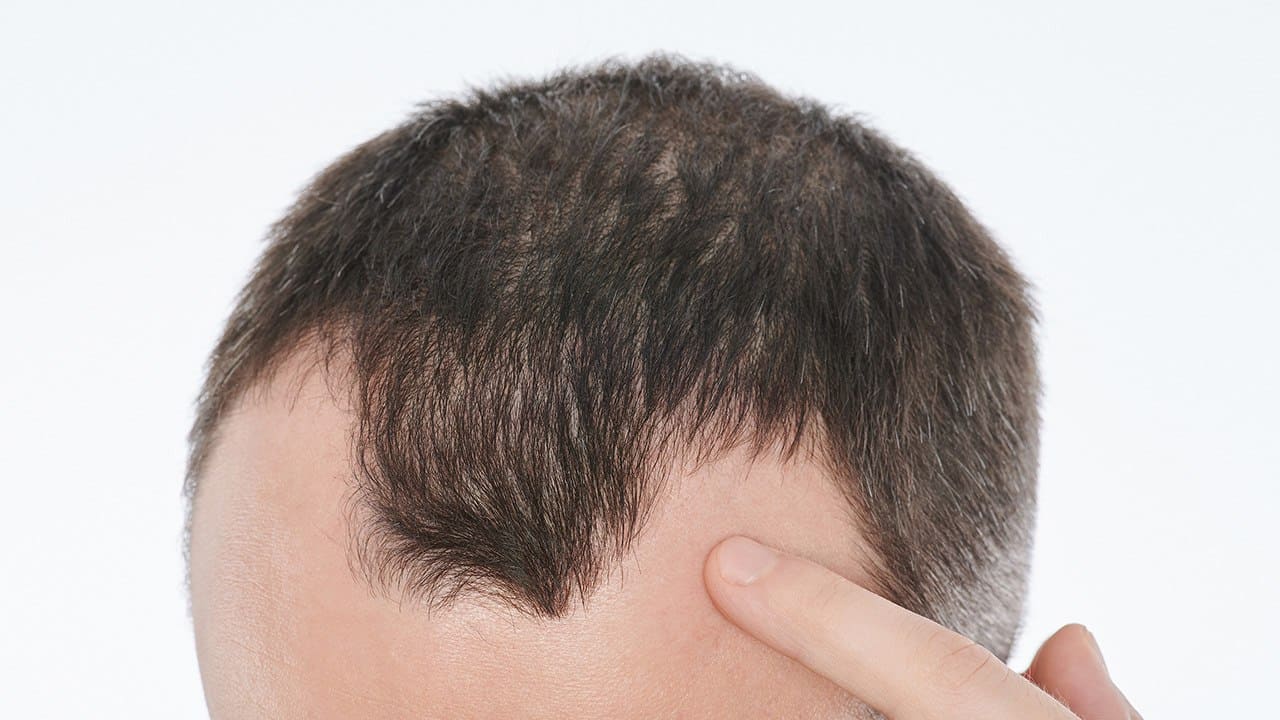
Myth: Hair Transplant Results Look Unnatural
Many people fear the “pluggy” or “doll hair” look popularized by outdated 1980s technology.
There is a misconception that the hairline will appear too straight or that the hair will grow in an odd direction.
People often assume that transplanted hair is easily distinguishable from native hair under bright light.
Myth: Hair Transplant Is Painful
The idea of scalp surgery often triggers visions of intense pain and a long, grueling recovery.
A common myth suggests that patients are fully conscious of the “cutting” or “punching” sensations during the graft extraction.
Skeptics often believe that post-operative pain requires weeks of heavy sedation or bed rest.
Myth: Hair Transplants Are Only for Men
Cultural portrayals often focus exclusively on male pattern baldness, leading to the belief that women aren’t candidates.
Many assume that female hair loss is too diffuse to be treated with localized graft relocation.
There is a false narrative that hair transplants cannot effectively address thinning parts or receding hairlines in women.
Myth: Results Are Immediate
Social media “before and afters” can give the impression that you walk out of the clinic with a full head of hair.
Patients often worry when they see hair shedding shortly after the procedure, fearing the transplant has failed.
The “instant fix” myth leads to significant psychological frustration during the first few months of healing.
Myth: Transplanted Hair Falls Out Permanently
Some believe that the same hormones causing original hair loss will eventually kill the new grafts.
There is a fear that a transplant is just a “temporary patch” that will require repeating every few years.
Critics often claim that the “permanent zone” at the back of the head is also susceptible to thinning over time.
Myth: Hair Transplant Is Only for Severe Baldness
Many people think you need to be “completely bald” before you are eligible for the procedure.
There is a misconception that a transplant cannot be used to simply increase density in thinning areas.
Some believe that getting a transplant “too early” will actually cause the remaining native hair to fall out faster.
Facts Behind Hair Transplant Myths
Natural-Looking Results Are Achievable
Modern FUE and DHI (Direct Hair Implantation) techniques allow surgeons to transplant individual follicles rather than large clumps.
Surgeons now meticulously design hairlines by mimicking natural irregularities and angulation of hair growth to ensure the result is virtually undetectable.
The use of single-hair grafts at the leading edge of the hairline has eliminated the “pluggy” look of the past.
Modern Techniques Minimize Pain
Procedures are performed under local anesthesia, meaning the scalp is completely numbed; most patients report feeling only a slight pressure.
Advanced “Sapphire” blades and micro-punches reduce tissue trauma, leading to significantly less post-operative discomfort compared to older methods.
Most patients manage any mild lingering soreness with standard over-the-counter paracetamol for just 24–48 hours.
Suitable for Both Men and Women
While men make up about 84.7% of patients, the number of women seeking transplants is growing by over 12% annually.
Transplants are highly effective for women with high foreheads or stable traction alopecia caused by tight hairstyles.
Female candidates are carefully screened to ensure they have a stable “donor area” that hasn’t been affected by diffuse thinning.
Hair Growth Takes Time
Patience is required as the “Shock Loss” phase—where transplanted hairs shed—is a normal physiological response occurring at 2–8 weeks.
New growth typically begins around month 3 or 4, with final density and texture taking 12 to 18 months to fully mature.
This gradual timeline is actually beneficial as it prevents a “sudden” change that might draw unwanted attention.
Transplanted Hair Is Permanent
Follicles are harvested from the “permanent zone,” which is genetically resistant to DHT (Dihydrotestosterone), the hormone responsible for pattern baldness.
This biological trait—known as Donor Dominance—means the hair will continue to grow for a lifetime, even in a previously bald area.
While the transplanted hair stays, patients are often advised to use minoxidil or finasteride to protect their remaining native hair from further thinning.
FAQ About Hair Transplant Myths
Are hair transplants really permanent?
Yes, the follicles moved during the surgery are harvested from areas resistant to genetic thinning and will grow for the rest of your life.
However, your native (non-transplanted) hair may still continue to thin if not managed with medical therapy.
Do hair transplants look fake?
Not with modern FUE or DHI methods; surgeons now use “micro-grafts” to create a soft, staggered hairline that blends seamlessly with your face.
The “pluggy” look is a relic of 1980s technology and is no longer a risk with reputable, board-certified surgeons.
Is the procedure painful?
Most patients describe the procedure as “surprisingly easy,” with the only discomfort being the initial numbing injections.
Once the local anesthetic takes effect, you can relax, listen to music, or even watch a movie during the 6–8 hour session.
How long before results appear?
You will see the first signs of new growth around 3 to 4 months, but the “wow” factor usually happens between 9 and 12 months.
The hair continues to thicken and improve in caliber up to 18 months post-op.
Can I use hair from someone else?
No, your body would reject the “foreign” follicles just like a rejected organ transplant.
You must be your own donor, which is why a consultation is necessary to ensure you have enough healthy hair at the back of your head.