
Liposuction Scars: How Visible Are They & How to Reduce Them
Liposuction is one of the most popular body contouring procedures worldwide. While the results can be life-changing, many patients worry about the marks left behind. Understanding the nature of liposuction scars is essential for managing expectations and ensuring your skin looks as smooth as your new silhouette.
GLOJAS Specialist Clinic provides safe liposuction Malaysia through board-certified plastic surgeons. Using VASER and PAL technology, they ensure hospital-grade safety and natural-looking body contouring results
What Are Liposuction Scars?
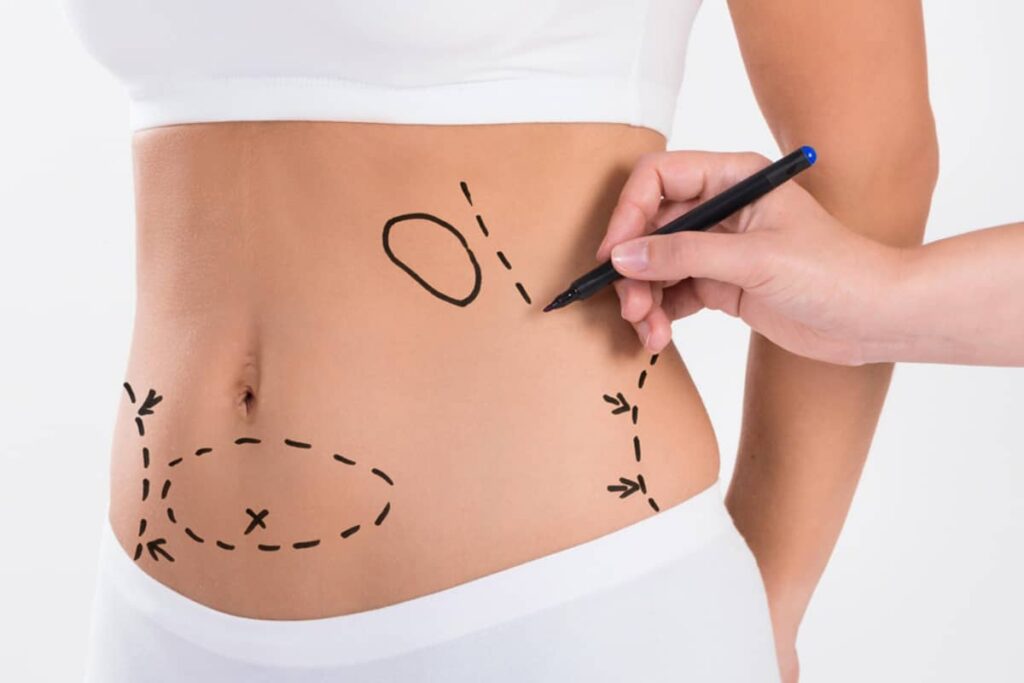
Liposuction scars are small marks resulting from the surgical incisions made to insert a cannula. Unlike major surgeries that require long cuts, these are tiny entry points. Most surgeons prioritize placing these incisions in inconspicuous areas, such as natural skin folds or beneath the bikini line, to ensure discretion.
Why Liposuction Leaves Small Scars
Because modern techniques like VASER or Power-Assisted Liposuction (PAL) use thin tubes, incisions are usually only a few millimeters wide. These small openings minimize trauma to the dermis. According to the American Society of Plastic Surgeons, smaller incisions lead to faster healing and significantly less noticeable scarring.
Where Liposuction Scars Usually Appear
Incisions are strategically placed near the treatment site. For abdominal lipo, they often sit near the belly button or hip bone. For chin lipo, they are hidden under the jawline. Choosing an expert surgeon ensures these marks are tucked away where they are least likely to be seen by others.
How Big Are Liposuction Scars?
Typically, a liposuction incision is between 3mm and 7mm in length. This is roughly the size of a pencil eraser or a small grain of rice. Because they are so small, they often heal into faint dots that blend into the surrounding skin texture over several months.
What Do Liposuction Scars Look Like?
Initially, these scars appear as small, dark, or reddish spots. Their appearance changes drastically as the body’s inflammatory response subsides. Most patients find that the final “look” of the scar is barely a shadow of the original incision once the healing process is fully complete.
Liposuction Scars Before and After
Immediately after surgery, you’ll see small crusts or sutures. Months later, most “after” photos show these marks fading into pale, flat spots. In many cases, patients find it difficult to even locate the entry points once the remodeling phase of wound healing is finished.
Early vs Healed Liposuction Scars
Early scars (weeks 1–6) are often hyperpigmented—appearing pink, purple, or brown. As the collagen matures, they transition to “mature” scars, which are usually lighter than the surrounding skin (hypopigmented) or perfectly matched. This maturation process is a normal part of the skin’s regenerative cycle.
Are Liposuction Scars Noticeable?
To the casual observer, they are rarely visible. Unless someone is looking specifically for them, these tiny marks go unnoticed. Their visibility depends heavily on your skin’s natural pigment and how well you follow post-operative instructions, such as avoiding UV exposure during the first year.
Are Liposuction Scars Permanent?
Technically, any incision that penetrates the dermis creates a permanent scar. However, “permanent” doesn’t mean “obvious.” Most liposuction marks fade so significantly that they become virtually invisible to the naked eye, functioning more like a tiny freckle or a natural skin blemish.
Do Liposuction Scars Fade Over Time?
Yes, they fade considerably. Over the first 12 to 18 months, the vascularity of the scar tissue decreases. This causes the redness to vanish. Consistent use of sun protection is vital here; UV rays can permanently darken scars, making them much harder to fade later.
When Do Liposuction Scars Become Less Visible?
Significant fading usually begins around the three-month mark. By six months, the texture softens. By one year, the color typically stabilizes. Most patients stop noticing their scars entirely by their first surgical anniversary, as the tissue has fully integrated with the surrounding skin.
Liposuction Scar Healing Timeline
| Timeline | Appearance | Care Level |
| Week 1-2 | Red, raised, scabby | High (Keep clean/dry) |
| Month 1-3 | Pink or brown, firm | Moderate (Massage/Silicone) |
| Month 6 | Fading, flattening | Low (Sunscreen) |
| Year 1+ | Pale, soft, mature | Minimal (Maintenance) |
Healing Stages After Liposuction
Healing follows three stages: inflammation, proliferation, and remodeling. During proliferation (weeks 2–6), your body builds new collagen. This is when the scar might feel itchy or firm. Remodeling is the final stage where the “messy” collagen is reorganized into a flatter, softer structure.
How Long Do Liposuction Scars Take to Heal?
While the surface closes in 7 to 10 days, deep tissue healing takes much longer. Expect the internal “firmness” around the incision to last 3–6 months. Complete biological maturation of the scar tissue generally takes a full year, depending on your age and metabolic health.
Factors That Affect Liposuction Scars
Not everyone heals the same way. While the surgeon’s skill is paramount, your genetics and lifestyle choices play a massive role in how your body responds to the tiny incisions made during the body contouring process.
Incision Size and Technique
A surgeon using a smaller cannula will leave a smaller mark. Techniques that minimize friction at the incision site, like using protective “ports,” prevent “friction burns” which can lead to larger, darker scars. Precision is the best defense against visible post-operative marking.
Skin Type and Healing Ability
Patients with darker skin tones (Fitzpatrick IV-VI) are more prone to hyperpigmentation or keloids. Conversely, very fair skin may retain redness longer. Your body’s ability to produce and organize collagen determines whether a scar remains flat or becomes raised (hypertrophic).
Post-Surgery Care
The first few weeks are critical. Wearing compression garments reduces tension on the incisions, preventing them from stretching. Avoiding smoking is also essential; nicotine constricts blood vessels, depriving the healing tissue of the oxygen needed to repair the skin efficiently.
How to Reduce Liposuction Scars Effectively
Proactive management can make the difference between a visible mark and an invisible one. Starting scar therapy as soon as the incisions have fully closed is the most effective way to ensure a smooth, aesthetic result.
Best Scar Creams and Silicone Gel
Medical-grade silicone gel or sheets are the gold standard. They create a protective barrier that hydrates the scar, signaling the body to produce less collagen. This prevents the scar from becoming raised. Products containing Vitamin E or Onion Extract (Cepalin) can also support skin suppleness.
Post-Liposuction Scar Care Tips
Massage: Gently massaging the area once healed breaks up fibrous tissue.
Hydration: Keep the skin moisturized to improve elasticity.
Sun Protection: Apply SPF 50+ to incisions daily for at least one year.
Nutrition: Eat protein-rich foods and Vitamin C to support collagen synthesis.
How to Prevent Dark or Raised Scars
Preventing “post-inflammatory hyperpigmentation” (PIH) requires strict sun avoidance. If a scar starts to feel thick or itchy, consult your doctor immediately. They may recommend steroid injections to flatten the tissue before it becomes a permanent hypertrophic scar or keloid.
Best Treatments for Liposuction Scars in Malaysia
If your scars haven’t faded as expected, Malaysia offers world-class dermatological treatments. From advanced lasers to regenerative medicine, these options can refine the skin’s texture and color until the marks are virtually imperceptible.
Laser Treatment for Liposuction Scars
Specialist clinic in Malaysia often use Fractional CO2 or V-Beam lasers. Fractional lasers create microscopic columns of injury to stimulate fresh skin growth, while V-Beam targets the redness. These treatments are highly effective for blending “old” scars into the surrounding skin.
Microneedling for Scar Reduction
Microneedling (or RF Microneedling) uses tiny needles to trigger the skin’s natural healing response. This is excellent for “indentations” or textural irregularities. By promoting collagen induction therapy, it helps the scar tissue remodel itself into a smoother, more uniform surface.
Chemical Peels and Skin Resurfacing
For flat but dark scars, a chemical peel can help. By exfoliating the top layers of skin, peels accelerate the removal of pigmented cells. This is a cost-effective way to treat discoloration, though it may require multiple sessions to achieve the desired clarity.
Cost of Liposuction Scar Treatment in Malaysia
Dealing with stubborn scars involves a separate financial consideration from the surgery itself. In Malaysia, prices vary depending on the technology used and the number of sessions required to achieve a flawless finish. The private healthcare sector in Malaysia is regulated by the Ministry of Health (MOH), ensuring that medical aesthetic costs remain competitive yet standardized.
Average Price of Scar Treatments
| Treatment | Estimated Price (MYR) |
| Laser Resurfacing (CO2/Pico) | RM 800 – RM 2,500 per session |
| Microneedling (Standard/RF) | RM 500 – RM 1,800 per session |
| Steroid Injections | RM 150 – RM 500 per site |
| Silicone Sheets/Gels | RM 40 – RM 200 (Retail) |
What Affects Liposuction Scar Treatment Cost?
The size of the treated area and the type of laser technology (like Picosure or Fotona) significantly impact the price. Most patients require 3 to 5 sessions for optimal results. Senior dermatologists or specialized plastic surgery clinics may charge higher professional fees for their expertise.
FAQs About Liposuction Scars
Do liposuction scars go away completely?
They rarely disappear 100%, as the skin has been breached. However, they usually fade into tiny, flat, pale marks that are almost impossible to see unless you are looking for them under bright light.
How visible are liposuction scars?
In most cases, they are less visible than a common mole. Because they are only 3-5mm long and placed in natural creases, they blend in seamlessly with the surrounding skin once fully healed.
What is the best treatment for liposuction scars?
Silicone gel is the best at-home treatment. For professional removal, Laser Resurfacing (like CO2 or Pico) is considered the most effective for both color and texture correction.
How long does it take for liposuction scars to fade?
The most dramatic fading occurs between 3 and 6 months. However, it takes a full 12 to 18 months for the scar to completely mature and reach its final, permanent appearance.
Can liposuction scars be removed?
They cannot be “erased” back to original skin, but they can be revised. Surgeons can surgically remove a bad scar and re-close it, or use lasers to resurface the area until it is nearly invisible.