
In 2026, the Malaysian aesthetic landscape has shifted toward regenerative medicine. While modern treatments like polynucleotides and hyaluronic acid deliver a glass-skin glow, understanding potential Skin Booster Side Effects is vital. This guide ensures you achieve radiance safely and effectively.
What Are Skin Boosters?
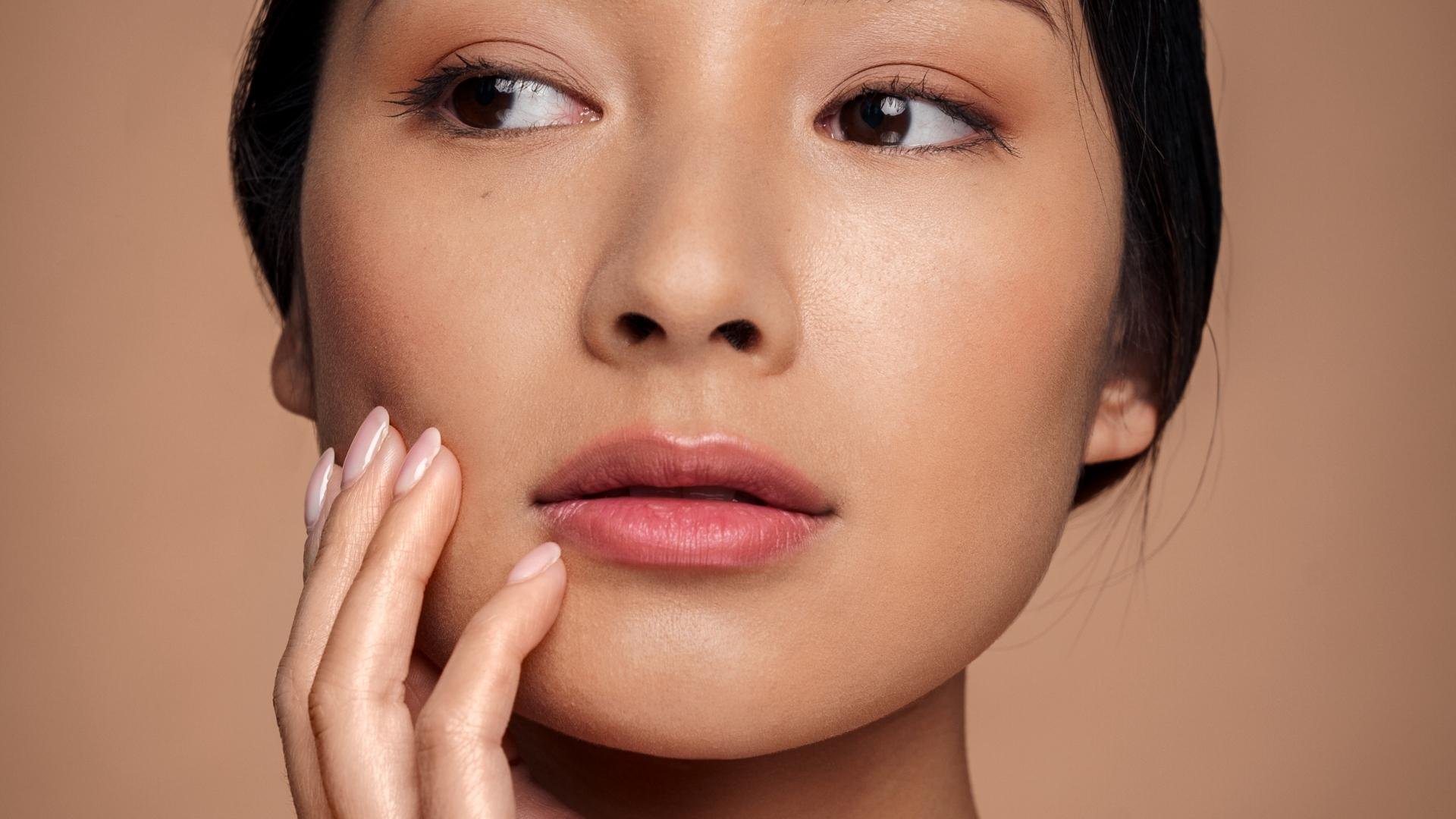
Overview of Skin Booster Treatments
Skin booster treatment are micro-injections designed to improve skin quality from within. Unlike traditional fillers that change facial shape, boosters focus on hydration, elasticity, and texture. They are increasingly popular in Malaysia for treating “crepey” skin and dullness.
How Skin Boosters Work in the Skin
Once injected, these substances act as internal humectants. They draw moisture into the deep dermis, stimulating fibroblasts to produce fresh collagen. This process gradually refines the skin’s surface without the “puffy” look associated with high-volume dermal fillers.
Common Ingredients Used
Most formulations rely on Hyaluronic Acid (HA), but 2026 trends include PDRN (Salmon DNA) and Exosomes. These ingredients are biocompatible, meaning the body recognizes them, which significantly lowers the risk of long-term adverse reactions or rejection.
Are Skin Boosters Safe?
Overall Safety Profile of Skin Boosters
Generally, skin boosters are considered very safe with a complication rate below 1%. Most issues are “injection-related” rather than “product-related.” When performed by a qualified professional, the risk of permanent damage is exceptionally low.
FDA-Approved and Clinically Used Formulations
In Malaysia, the Medical Device Authority (MDA) enforces strict regulations on injectables. Always ensure your practitioner uses brands like Profhilo, Restylane Skinboosters, or Rejuran, which have extensive clinical safety data and international certifications.
Factors That Influence Treatment Safety
Safety depends on the “Three P’s”: Practitioner skill, Product authenticity, and Patient health. Underlying autoimmune conditions or active infections can increase the likelihood of adverse events, making a thorough pre-treatment consultation mandatory for safety.
Common Skin Booster Side Effects
Redness, Swelling, and Bruising
These are the most frequent Skin Booster Side Effects. Because the treatment involves multiple micro-punctures, minor vascular trauma is normal. According to the Mayo Clinic, localized swelling is a natural inflammatory response that typically resolves quickly.
Tenderness and Injection Site Discomfort
You might feel slight soreness or a “tight” sensation for 24 hours. This is due to the product integrating with your tissue. Avoid massaging the area unless instructed, as this can exacerbate tenderness and move the product.
Small Bumps or Lumps Under the Skin
“Papules” or small bumps at the injection site are common, especially with high-concentration HA boosters. These are essentially tiny reservoirs of hydration. They usually flatten and absorb into the surrounding skin within 24 to 72 hours.
Temporary Itching or Sensitivity
Some patients experience a mild histamine response, leading to itchy skin. While annoying, it is rarely a cause for concern. Applying a cold compress can soothe the area, but avoid scratching to prevent introducing bacteria into the micro-wounds.
Rare but Serious Side Effects
Allergic Reactions
True allergies to Hyaluronic Acid are rare but possible. Symptoms include significant swelling, hives, or difficulty breathing. The World Health Organization (WHO) emphasizes that immediate medical intervention is necessary if systemic allergic symptoms appear after any medical procedure.
Infection at Injection Site
Poor hygiene during or after the procedure can lead to bacterial infection. Look for spreading redness, warmth, or pus. Choosing a clinic that follows sterile protocols and adhering to aftercare prevents these preventable complications.
Vascular Complications (Very Rare)
Though more common with deep fillers, vascular occlusion (blocked blood vessel) is a risk if a booster is injected incorrectly. Signs include blanching (whitening) of the skin or severe pain. This is a medical emergency requiring enzyme reversal.
Granulomas or Persistent Nodules
In very rare cases, the body may form hard lumps (granulomas) as an immune response. This typically occurs weeks or months later. These require specialized treatment, such as steroid injections or hyaluronidase, to dissolve the inflammatory tissue.
What Causes Skin Booster Side Effects?
Injection Technique and Practitioner Skill
The depth of injection is critical. Injecting too superficially can cause persistent bumps, while injecting too deeply may bypass the target dermis. Expertise in facial anatomy is the best defense against avoidable complications and poor results.
Skin Type and Individual Sensitivity
Patients with “reactive” or thin skin may experience more visible bruising. Those prone to keloids or hyperpigmentation should inform their doctor, as the micro-needling action could trigger these specific skin responses during the healing phase.
Product Quality and Brand Used
Counterfeit products or “grey market” boosters bought online carry immense risks. These may contain impurities or incorrect concentrations that lead to chronic inflammation. Only trust clinics that transparently show you the product packaging and MDA registration.
Aftercare Compliance
Your actions post-treatment dictate your recovery. Touching the face with dirty hands, using heavy makeup too early, or exposing skin to extreme heat can turn a standard recovery into a problematic one. Follow your specialist’s advice strictly.
How Long Do Skin Booster Side Effects Last?
Immediate Post-Treatment Effects
Within the first 24–72 hours, you will see the most visible signs. Redness and “bee-sting” bumps are normal during this window. Most patients find that they can return to work the next day with minimal social downtime.
Short-Term Recovery Timeline
By day five, any bruising should begin to fade from purple to yellow. Swelling usually subsides entirely within this period. If you are still experiencing significant “lumpiness” after one week, a follow-up appointment is recommended.
When Side Effects Should Resolve Naturally
Most Skin Booster Side Effects disappear within 7 to 10 days. The Ministry of Health Malaysia (MOH) provides guidelines on aesthetic practices, ensuring that patients receive standardized care for a smooth, natural recovery process.
How to Minimize Skin Booster Side Effects
Choosing a Qualified Practitioner
First-Person Experience:
At GLOJAS, we’ve observed that precision is everything. I personally ensure every micro-injection is placed at the exact dermal depth to maximize glow while minimizing trauma. My patients typically report that their “bumps” disappear much faster due to our refined, gentle delivery techniques.
Pre-Treatment Preparation Tips
To reduce bruising, avoid blood-thinning supplements like Vitamin E, Ginkgo Biloba, and Fish Oil for one week prior. Avoid alcohol for 24 hours before your session, as it dilates blood vessels and increases the likelihood of swelling.
Post-Treatment Aftercare Guidelines
Keep the area clean. Use a gentle, fragrance-free cleanser and avoid active ingredients like Retinol or Vitamin C for 48 hours. Staying hydrated helps the Hyaluronic Acid “swell” effectively within the skin, enhancing your final results.
What to Avoid After Treatment
No Exercise: Avoid heavy sweating for 24 hours.
No Makeup: Wait at least 12–24 hours to prevent infection.
No High Heat: Stay away from saunas, steam rooms, or hot yoga.
No Pressure: Don’t sleep on your face for the first night.
Who Should Avoid Skin Boosters?
Pregnant or Breastfeeding Individuals
While there is no evidence of harm, clinical studies on this demographic are lacking. Most ethical practitioners will advise waiting until after pregnancy and breastfeeding to undergo any elective injectable treatments as a safety precaution.
People With Skin Infections or Inflammation
If you have active acne, eczema flares, or cold sores in the treatment area, you must wait. Injecting through compromised skin can spread bacteria or viruses, leading to severe infections or scarring.
Allergy or Hypersensitivity Cases
Individuals with a known history of severe allergies (anaphylaxis) or hypersensitivity to HA or lidocaine (often found in the syringe) should avoid these treatments. Always disclose your full medical history during your initial consultation.
Skin Booster Side Effects vs Dermal Fillers Side Effects
| Feature | Skin Boosters | Dermal Fillers |
| Common Side Effect | Tiny bumps, mild redness | Swelling, localized bruising |
| Downtime | 1–3 days | 3–7 days |
| Serious Risk | Very Low (surface level) | Moderate (vascular risks) |
| Purpose | Texture & Hydration | Volume & Contouring |
When to See a Doctor After Skin Booster Treatment
Warning Signs of Complications
Contact your clinic immediately if you experience “livedo reticularis” (a purple, net-like pattern on the skin). This can indicate vascular distress. Intense, throbbing pain that worsens over time is also a significant red flag.
Persistent Swelling or Pain
While mild swelling is normal, “delayed onset” swelling that appears weeks later could indicate a biofilm or late-stage inflammatory response. A professional assessment is required to determine if antibiotics or dissolving agents are needed.
Signs of Infection or Unusual Reactions
Pus, fever, or red streaks extending from the injection site are signs of infection. Do not attempt to “squeeze” any bumps, as this can push bacteria deeper and cause permanent scarring or systemic illness.
Frequently Asked Questions
Are skin boosters safe for sensitive skin?
Yes, especially PDRN-based boosters which have anti-inflammatory properties. However, a patch test or a conservative approach is recommended for those with hyper-reactive skin to monitor how the dermis responds.
How long does swelling last after treatment?
Typically, swelling peaks at 24 hours and subsides by day three. Drinking plenty of water and sleeping with your head slightly elevated can help drain excess fluid faster during the initial recovery phase.
Can skin boosters cause long-term damage?
When performed correctly with approved products, they do not cause long-term damage. In fact, they improve skin health over time. Complications only arise from poor technique or unverified, low-quality substances.
What is the most common side effect?
The most common side effect is temporary “micro-bumps” at the injection sites. These are simply the product sitting in the dermis before it fully spreads and integrates, usually disappearing within 48 hours.