
If you’ve finally won the battle against a nasty breakout only to be left with stubborn “shadows” on your face, welcome to the club. In Malaysia, we deal with Post-Inflammatory Hyperpigmentation (PIH) more than almost any other skin concern. It’s that lingering brown or dark spot that hangs around long after the actual pimple or wound has healed.
Think of PIH as your skin’s over-enthusiastic healing response. In our sunny, humid climate, these marks can be particularly “sticky,” but with the right science-backed approach, you can definitely send them packing.
GLOJAS Specialist Clinic offers expert Post-Inflammatory Hyperpigmentation (PIH) treatment in Malaysia, using advanced therapies and personalised care to fade dark spots and restore even, healthy skin.
Understanding Post-Inflammatory Hyperpigmentation (PIH)
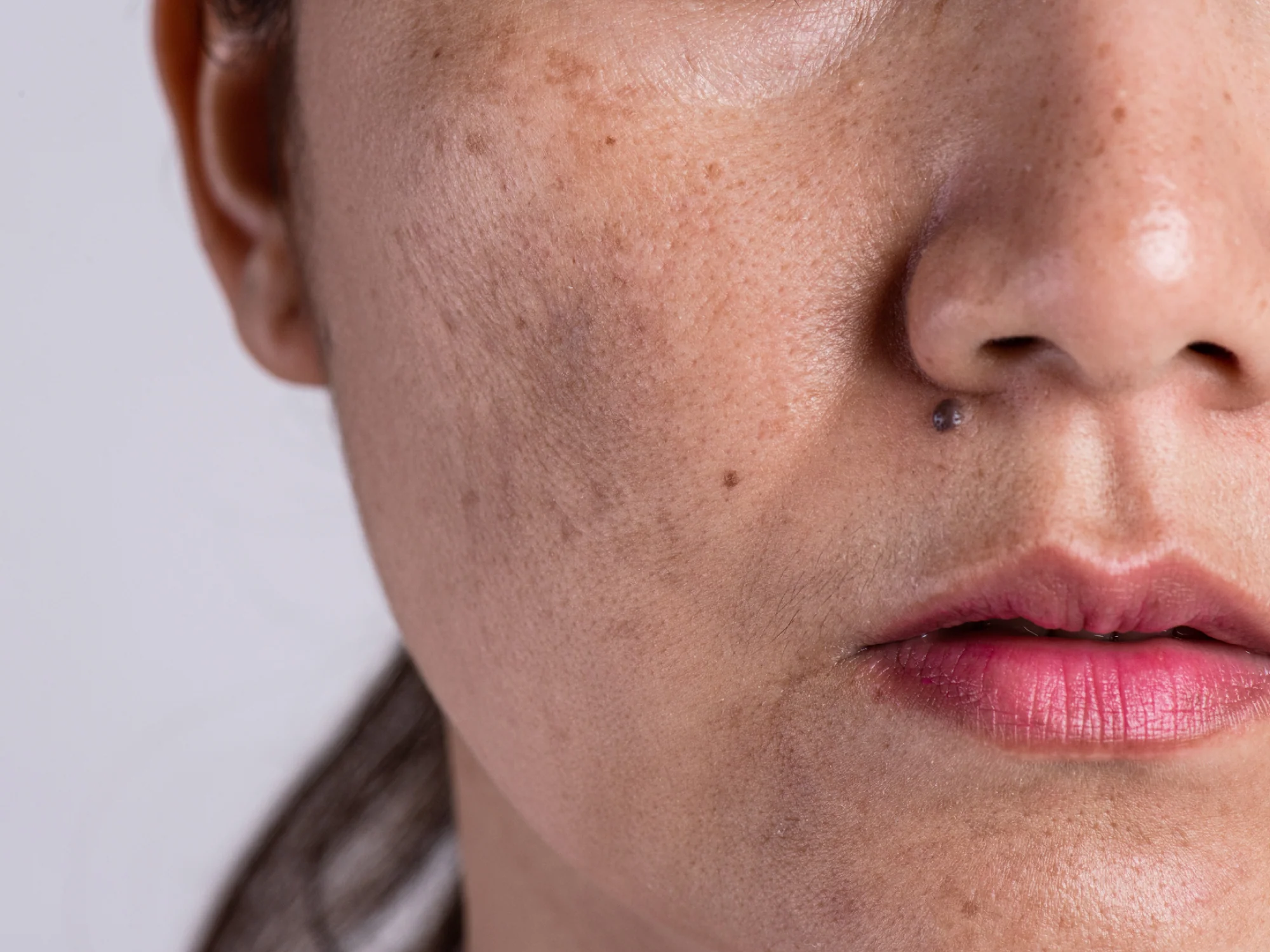
What Is PIH
PIH isn’t a scar in the traditional sense; it’s a pigmentary disorder. When your skin experiences “insult”—be it acne, a scratch, or even a mosquito bite—it triggers melanocytes (your pigment-producing cells) to go into overdrive. This results in an excessive accumulation of melanin in the skin layers, leaving behind a flat, discolored mark.
Causes of PIH
The most common culprit in Malaysia is acne vulgaris. However, PIH can also stem from:
Eczema or dermatitis flare-ups.
Physical trauma (scrapes or burns).
Aggressive aesthetic procedures (like poorly managed chemical peels).
Allergic reactions to skincare products.
Common Areas Affected in Malaysian Skin
While PIH can pop up anywhere, it’s most noticeable on the face—specifically the forehead and cheeks. In Southeast Asian populations, non-facial PIH is also incredibly common on the back and chest, often persisting longer than facial marks due to thicker skin and friction from clothing.
Types of PIH
Epidermal PIH
This is the “surface level” type. It usually appears as tan, brown, or dark brown spots. Because the pigment is trapped in the outermost layer of the skin (the epidermis), it typically responds well to topical creams and usually fades within a few months.
Dermal PIH
This is the “deep” stuff. It often looks blue-gray or slate-colored. This happens when the inflammation is so severe that the pigment “leaks” down into the dermis. This type is much more stubborn and can take years to fade without professional help.
Mixed-Type PIH
As the name suggests, this is a combination of both. You’ll see a mix of brown and grayish tones, which is very common in chronic acne cases where the skin has been inflamed repeatedly over the same spot.
Risk Factors for PIH in Malaysia
Skin Type and Pigmentation
Malaysians typically fall under Fitzpatrick Skin Types III to V. Our skin naturally has more active melanocytes. While this gives us some built-in sun protection, it also means our skin is “primed” to produce pigment the moment it gets irritated.
Sun Exposure and Tropical Climate
UV radiation is the ultimate “fuel” for PIH. In Malaysia, where the UV index is frequently high, the sun darkens existing PIH marks and makes them much harder to treat. Even 15 minutes of unprotected sun exposure can undo weeks of brightening treatments.
Acne and Skin Trauma
Picking at your pimples is the fastest way to guarantee PIH. When you squeeze a spot, you increase the localized inflammation and potentially damage the dermo-epidermal junction, pushing pigment deeper into the skin.
Medical Treatments for PIH
Topical Depigmentation Creams
Over-the-counter (OTC) options often include Azelaic Acid, which is a favorite for sensitive skin-of-color because it targets only the “abnormal” melanocytes without bleaching the surrounding healthy skin.
Prescription Retinoids and Hydroquinone
For more stubborn marks, doctors may prescribe Hydroquinone (2% to 4%), the gold standard for inhibiting melanin production. It’s often paired with Tretinoin (a retinoid) to speed up cell turnover, effectively “shuffling” the pigmented cells out of your skin faster.
Oral Supplements for Pigmentation Control
In local clinics, you might be offered supplements containing Tranexamic Acid or L-Cysteine. These work systemically to dampen the pigment-producing pathways from the inside out.
In-Clinic Treatments for PIH
Chemical Peels for Hyperpigmentation
Professional peels using Glycolic Acid or Mandelic Acid (which is excellent for acne-prone skin) help lift the top layers of pigmented skin. In Malaysia, superficial peels are preferred to avoid the risk of “rebound” hyperpigmentation.
Laser and Light-Based Therapy
The PICO Laser has become the “holy grail” for Asian skin. Unlike older lasers that use heat (which can actually cause more PIH), PICO uses ultra-short pulses to mechanically shatter pigment into tiny particles that your body naturally flushes away.
Microneedling and RF Microneedling
These treatments create controlled micro-injuries to stimulate collagen and “break up” deep dermal pigment. When combined with Radiofrequency (RF), it can also help with the texture of the skin.
Skincare for PIH Prevention and Maintenance
Daily Sunscreen Use
If you aren’t wearing sunscreen, don’t bother with expensive serums. Use a broad-spectrum SPF 50+ daily. For those with deeper skin tones, sunscreens containing Iron Oxides are particularly effective as they also protect against visible light, which can contribute to pigmentation.
Gentle Cleansing and Moisturising
Avoid “squeaky clean” cleansers. A compromised skin barrier leads to more inflammation, which leads to… you guessed it, more PIH. Keep the skin hydrated to support its natural repair process.
Ingredients That Reduce Pigmentation
Vitamin C: A potent antioxidant that inhibits tyrosinase, the enzyme responsible for melanin.
Niacinamide: Prevents the transfer of pigment to your skin cells.
Alpha Arbutin: A gentler, natural derivative of hydroquinone.
Kojic Acid: Often found in brightening soaps and serums.
Ingredients to Avoid
Be wary of high-strength “whitening” creams from unverified sources, as these may contain mercury or illegal levels of steroids which can lead to permanent skin thinning or Ochronosis (a permanent blue-black darkening).
PIH Treatment for Different Skin Types
Treatment for Sensitive Skin
If you turn red easily, avoid harsh scrubs. Opt for PHAs (Polyhydroxy Acids) or low-concentration Mandelic Acid, which have larger molecules and penetrate the skin more slowly, reducing the chance of irritation-induced darkening.
Treatment for Medium to Dark Skin Tones
The darker your baseline skin, the more conservative you should be. Always “low and slow.” Start with lower concentrations of actives and always perform a patch test before trying a new laser or peel.
Post-Acne PIH Management
The best way to treat post-acne marks is to treat the acne itself. Using Adapalene (Differin) not only prevents new clogs but also helps fade the marks left behind by old ones.
Cost of PIH Treatment in Malaysia
Clinic Consultation Fees
A consultation with a GP or Aesthetic Doctor typically ranges from RM50 to RM150, while a specialist Dermatologist may charge RM150 to RM300.
Treatment Package Costs
Chemical Peels: RM150 – RM400 per session.
PICO Laser: RM400 – RM1,200 per session.
Topical Meds: RM50 – RM250 per tube.
Factors Affecting Price
Location (Klang Valley clinics usually charge more), the brand of laser machine used (e.g., PicoSure vs. PicoWay), and the severity of your pigmentation will all influence the final bill.
When to See a Specialist
Persistent or Severe Hyperpigmentation
If your marks haven’t budged after 3 months of consistent home care, or if they appear blue-gray (indicating dermal depth), it’s time for a professional assessment.
Choosing the Right Treatment Plan
A specialist can use a Wood’s Lamp or a digital skin analyzer to determine exactly how deep your pigment is. This prevents you from wasting money on surface-level treatments for deep-level problems.
Frequently Asked Questions About PIH in Malaysia
Can PIH Be Permanently Removed?
Yes, especially epidermal PIH. Dermal PIH is more difficult but can be significantly lightened with specialized lasers.
How Long Does PIH Take to Fade?
Without treatment, it can take 6 to 12 months. With a medical-grade routine and clinical treatments, you can see significant results in 4 to 8 weeks.
Are PIH Treatments Safe for All Skin Types?
Most are, but some lasers and high-strength peels carry a higher risk for darker skin tones. Always ensure your provider is LCP certified (Letter of Credentialing and Privileging) by the Malaysian Ministry of Health.