
Cara Atasi Masalah Tona Kulit Tidak Sekata Dengan Berkesan & Selamat
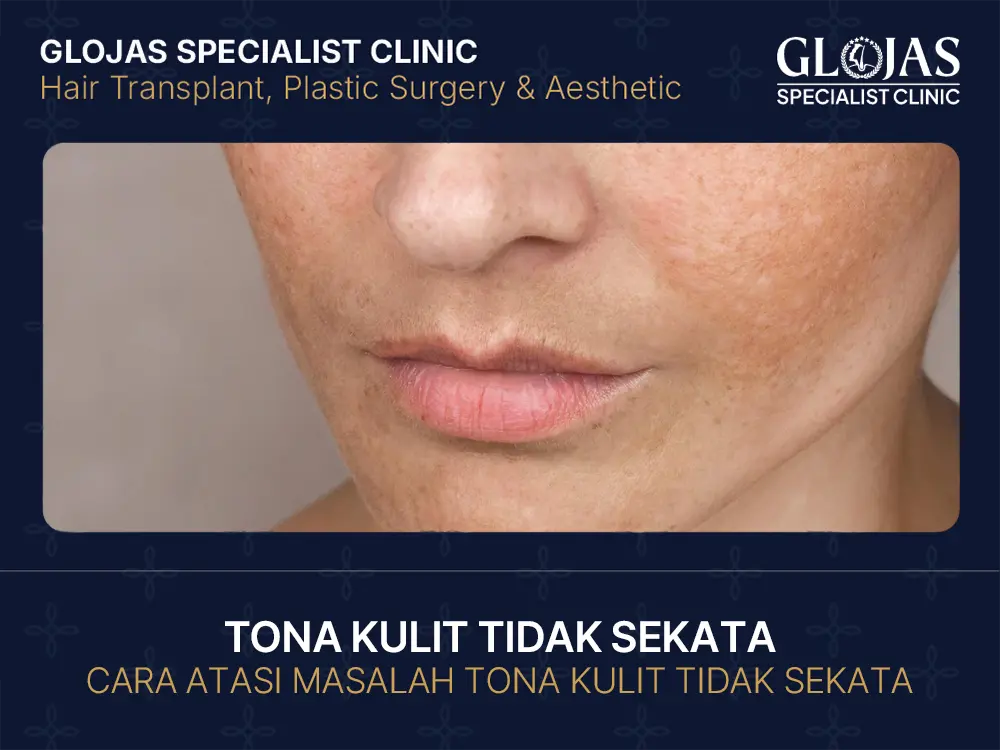
Masalah tona kulit tidak sekata berlaku apabila kulit kehilangan keseragaman warna, menimbulkan bintik gelap atau cerah. Ia boleh berlaku akibat pendedahan cahaya matahari, perubahan hormon, penuaan, atau keradangan kulit. Dengan rawatan perubatan, rawatan estetik yang sesuai, dan langkah pencegahan yang betul, warna kulit boleh lebih sekata dan kesihatan kulit meningkat. GLOJAS Specialist Clinic adalah pusat pakar kulit dan estetik terkemuka yang menyediakan rawatan profesional untuk tona kulit tidak sekata. Dengan pasukan doktor berkelayakan dan pendekatan berasaskan bukti, klinik ini memastikan setiap pesakit menerima penjagaan selamat, berkesan, dan disesuaikan untuk kulit lebih sekata dan sihat. 1. Apa Itu Tona Kulit Tidak Sekata? Tona kulit tidak sekata bermaksud warna kulit tidak sekata, sama ada terdapat kawasan lebih gelap (hiperpigmentasi) atau lebih cerah (hipopigmentasi). Keadaan ini boleh berlaku di wajah, tangan, atau seluruh badan, dan kadangkala menjejaskan keyakinan diri. 2. Gejala Tona Kulit Tidak Sekata Tanda dan gejala yang biasanya dialami termasuk: Bintik gelap seperti melasma, lentigo, atau bintik penuaan. Bintik cerah atau tompok putih, misalnya vitiligo ringan atau hipopigmentasi selepas keradangan. Kemerahan atau kulit yang mudah meradang. Tekstur kulit yang tidak sekata di beberapa kawasan. 3. Punca Berlakunya Tona Kulit Tidak Sekata Tona kulit tidak sekata boleh disebabkan oleh faktor luaran dan dalaman: Faktor luaran: Pendedahan sinar UV tanpa perlindungan. Iritasi kulit atau kecederaan. Penggunaan produk kosmetik yang terlalu kuat atau mengeringkan kulit. Faktor dalaman: Perubahan hormon, contohnya semasa kehamilan atau penggunaan pil perancang. Proses penuaan semula jadi. Penyakit kulit tertentu seperti vitiligo, dermatitis, atau ekzema. Faktor genetik dan etnik. 4. Diagnosis Doktor kulit akan menentukan diagnosis melalui: Sejarah perubatan dan faktor risiko. Pemeriksaan visual menggunakan dermatoskop. Ujian makmal jika disyaki ada gangguan dalaman, contohnya hormon. Foto kulit untuk memantau perubahan dari masa ke masa. 5. Pilihan Rawatan Rawatan akan disesuaikan berdasarkan punca dan jenis pigmentasi: A. Rawatan Topikal: Krim pencerah seperti hydroquinone, vitamin C, dan niacinamide. Retinoid untuk merangsang pembaharuan sel kulit. B. Rawatan Estetik: Laser fractional atau IPL untuk mengurangkan bintik gelap. Chemical peel ringan hingga sederhana. Microneedling untuk meratakan tekstur kulit. C. Rawatan Perubatan: Terapi hormon jika melasma berkaitan hormon. Rundingan dermatologi bagi keadaan autoimun atau keradangan. D. Penjagaan Rumah & Pencegahan: Gunakan pelindung matahari SPF 30+ setiap hari. Elakkan pendedahan cahaya matahari berlebihan. Gunakan produk lembut dan tidak mengiritasi kulit. Eksfoliasi ringan mengikut cadangan doktor. 6. Risiko dan Kesan Sampingan Beberapa rawatan mungkin menimbulkan kesan sampingan: Iritasi atau kemerahan daripada krim pencerah. Hipopigmentasi sementara selepas laser atau chemical peel. Kulit menjadi lebih sensitif terhadap cahaya UV. Berunding dengan doktor penting untuk mengurangkan risiko dan memilih rawatan yang sesuai. 7. Pencegahan Beberapa langkah mudah boleh membantu mencegah tona kulit tidak sekata: Lindungi kulit daripada sinar UV dengan SPF dan pakaian pelindung. Elakkan menggosok kulit terlalu kuat. Kawal hormon dan keadaan perubatan yang menjejaskan kulit. Rutin pemeriksaan kulit ke doktor untuk pengesanan awal. 8. Bila Perlu Jumpa Doktor Segera dapatkan nasihat doktor jika: Bintik kulit muncul secara tiba-tiba dan cepat merebak. Disertai gatal, sakit, atau keradangan. Perubahan warna kulit menjejaskan keyakinan diri atau aktiviti harian. FAQ (Soalan Lazim) Tentang Tona Kulit Tidak Sekata 1. Bolehkah tona kulit tidak sekata hilang sepenuhnya?Bergantung pada punca dan rawatan. Gabungan rawatan perubatan, estetik, dan penjagaan di rumah boleh membantu kulit menjadi lebih sekata, walaupun hasil berbeza bagi setiap individu. 2. Semua orang boleh jalani rawatan laser?Tidak. Laser lebih sesuai untuk kulit cerah hingga sederhana dan perlu dinilai oleh doktor untuk kulit gelap atau sensitif. 3. Berapa lama rawatan kulit atau krim pencerah memberi kesan?Hasil awal biasanya kelihatan dalam 4–12 minggu, bergantung pada jenis rawatan dan kepatuhan pesakit. 4. Krim pencerah selamat digunakan setiap hari?Ya, selamat jika diresepkan doktor, digunakan mengikut arahan, dan dilindungi dengan pelindung matahari untuk mengelakkan iritasi atau hiperpigmentasi balik. 5. Bolehkah bintik kulit akibat cahaya matahari dicegah?Ya. Dengan penggunaan SPF 30+, topi, dan mengelak pendedahan langsung kepada sinar UV, risiko bintik dan penuaan kulit boleh dikurangkan dengan ketara.
11 Cara Memutihkan Muka Dengan Berkesan CONFIRM Muka Cerah
Cara memutihkan muka yang selamat sebenarnya bermaksud mencerahkan kulit, menyamakan tona, dan mengurangkan hiperpigmentasi. Pendekatan perubatan memberi fokus pada bahan aktif yang terbukti, rawatan dermatologi yang selamat, serta rutin harian yang membantu melindungi kulit. Matlamatnya ialah hasil yang semula jadi, berperingkat, dan selamat untuk jangka panjang. GLOJAS Specialist Clinic menawarkan rawatan pencerahan kulit yang selamat dan terbukti secara perubatan, dikendalikan oleh pakar bertauliah dengan teknologi dermatologi moden. Setiap pelan rawatan disesuaikan mengikut keperluan kulit untuk hasil yang semula jadi, berperingkat, dan berkesan bagi masalah tona tidak sekata serta hiperpigmentasi. Masalah Kulit Yang Membuat Ramai Mahu Mencerahkan Wajah Kulit tampak kusam Flek hitam, melasma atau parut jerawat Tona kulit tidak sekata Sunspots akibat pendedahan UV Tekstur kulit kasar kerana sel kulit mati berkumpul Punca Kulit Menjadi Kusam atau Gelap Cahaya UV: faktor utama hiperpigmentasi Keradangan: jerawat atau iritasi menyebabkan PIH Melanin berlebihan: dipengaruhi hormon, genetik atau ubat Kurang eksfoliasi: sel mati tidak tertanggal dengan baik Pencemaran & stres oksidatif Gaya hidup: tidur tidak cukup, merokok, produk tidak sesuai Cara Memutihkan Muka Secara Klinikal & Terbukti Selamat A. Rawatan Topikal (Skincare) Gunakan bahan aktif yang terbukti secara klinikal: 1. Sunscreen (paling penting) SPF 30–50 dengan perlindungan UVA/UVB Mengurangkan kemunculan flek dan menghalang pigmentasi baruTanpa sunscreen, rawatan mencerahkan tidak akan berkesan. 2. Vitamin C Antioksidan kuat Mengurangkan penghasilan melanin Menjadikan kulit lebih cerah dan sekata 3. Niacinamide Menghalang pemindahan melanin ke permukaan kulit Lembut untuk kulit sensitif 4. Retinoid (Retinol/Tretinoin) Mempercepat pembaharuan sel Berkesan untuk PIH dan kulit kusam 5. AHA/BHA Mengangkat sel kulit mati Membantu penyerapan produk lain 6. Azelaic Acid Sesuai untuk semua jenis kulit Mengurangkan pigmentasi dan radang 7. Arbutin / Kojic Acid Mengurangkan aktiviti tirosinase Baik untuk flek ringan hingga sederhana Catatan Penting:Elakkan produk berbahaya seperti merkuri, hydroquinone tanpa preskripsi, atau steroid kuat kerana boleh merosakkan kulit dan organ dalaman. B. Prosedur Dermatologi (Untuk Hasil Lebih Cepat) Hanya oleh doktor bertauliah: 1. Chemical Peeling Menggunakan AHA, TCA atau gabungan Mengurangkan flek, memperbaiki tekstur dan memberi kesan cerah 2. Laser Pigmentasi Q-Switched Nd:YAG, Pico laser Berkesan untuk melasma, PIH dan sunspots Memerlukan beberapa sesi 3. Microdermabrasion / Dermapen Merangsang pembaharuan kulit Mengurangkan parut kecil dan kulit kusam 4. Mesotherapy / Skin Booster Vitamin dan antioksidan disuntik secara mikro Membantu kulit tampak lebih glowing dan sekata Risiko & Kesan Sampingan Daripada bahan aktif Iritasi, kemerahan, purging Kulit jadi lebih sensitif pada matahari Daripada prosedur Risiko PIH selepas rawatan Luka atau jangkitan jika dilakukan oleh bukan profesional Daripada produk haram Merkuri: kerosakan ginjal & saraf Steroid tidak terkawal: kulit menipis, jerawat teruk Hydroquinone haram: ochronosis (kulit gelap kekal) Cara Mencegah Kulit Kusam & Mengekalkan Kecerahan Pakai sunscreen setiap hari, tanpa gagal Elakkan matahari terik 10 pagi–3 petang Kekalkan rutin skincare yang betul Tidur cukup & minum air secukupnya Amalkan diet kaya antioksidan Jangan memicit jerawat FAQ: Cara Memutihkan Muka 1. Bolehkah memutihkan kulit secara kekal? Tidak. Warna asas ditentukan genetik. Yang realistik ialah mencerahkan, menyamakan tona dan mengurangkan noda. 2. Berapa lama untuk nampak hasil? Skincare: 4–12 minggu Rawatan dermatologi: 1–4 sesi bergantung keadaan kulit 3. Adakah air beras boleh memutihkan kulit? Tidak ketara. Ia hanya memberi sedikit hidrasi; kesan cerahnya tidak kuat seperti bahan aktif klinikal. 4. Adakah krim doktor sentiasa selamat? Tidak semestinya. Pastikan doktor bertauliah dan tidak meresepkan campuran merkuri atau steroid untuk kegunaan jangka panjang. 5. Produk apa yang sesuai untuk pemula? Sunscreen + vitamin C pada waktu pagi; niacinamide atau retinol pada waktu malam. 6. Boleh guna banyak bahan pencerah sekali gus? Boleh, tetapi mulakan perlahan untuk elakkan iritasi. 7. Lelaki boleh buat rawatan ini? Ya, rawatan pencerahan berkesan untuk semua jantina. Ramai mencari Cara Memutihkan Muka yang selamat tanpa merosakkan kulit. Pendekatan terbaik ialah mencerahkan secara bertahap dengan bahan aktif terbukti seperti vitamin C, niacinamide dan sunscreen. Memahami Cara Memutihkan Muka yang betul membantu mengurangkan flek, menyamakan tona dan menjaga kesihatan kulit jangka panjang. Untuk hasil lebih cepat, Cara Memutihkan Muka boleh digabungkan dengan prosedur dermatologi seperti chemical peel atau laser yang dilakukan oleh profesional. Memilih Cara Memutihkan Muka secara perubatan memastikan kulit dirawat mengikut diagnosis yang tepat, sekali gus mengelakkan risiko iritasi atau produk berbahaya. Gaya hidup juga memainkan peranan penting dalam Cara Memutihkan Muka. Tidur mencukupi, perlindungan UV, dan rutin skincare konsisten membantu kulit kekal cerah dan sihat. Dengan memahami Cara Memutihkan Muka secara menyeluruh, anda boleh mencapai hasil semula jadi tanpa mengorbankan keselamatan kulit.
5 Best Vitamin C Serum for Skin Brightening You Can In Drug Store Malaysia
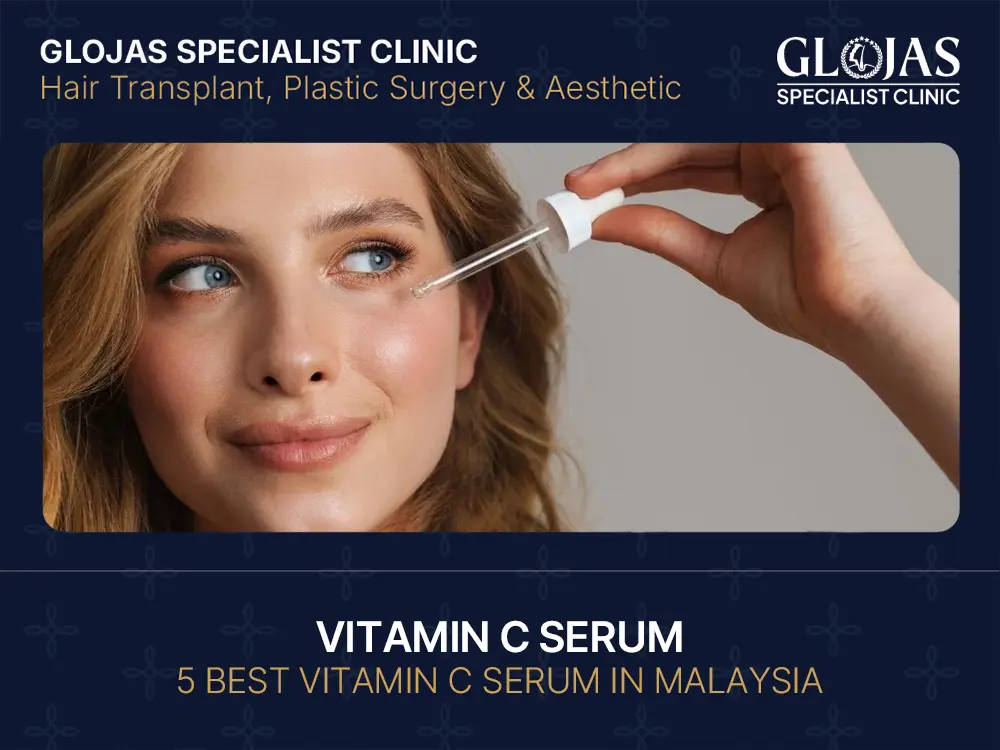
Vitamin C serums are popular skincare products for brightening the skin and reducing signs of aging. They work by boosting collagen production and inhibiting melanin formation, providing a radiant, even skin tone. This guide explores the best vitamin C serums, their benefits, and how to choose the right one for your skin. Introduction to Vitamin C Serums for Skin Brightening Vitamin C, also known as ascorbic acid, is a powerful antioxidant widely used in skincare for its ability to brighten the skin, even out pigmentation, and promote collagen production. Vitamin C serums are among the most effective skincare products for tackling dullness, hyperpigmentation, and signs of aging. A well-formulated vitamin C serum can help reduce the appearance of dark spots, fine lines, and wrinkles while giving the skin a natural, healthy glow. What Is a Vitamin C Serum? A vitamin C serum is a concentrated skincare product formulated with a high percentage of ascorbic acid (vitamin C), designed to penetrate deeply into the skin. These serums are used for their skin-brightening effects, as well as their ability to reduce the appearance of dark spots, improve skin texture, and protect the skin from environmental damage. Key Functions of Vitamin C Serums: Brightening: Reduces hyperpigmentation and promotes an even skin tone. Anti-aging: Stimulates collagen production, reducing the appearance of fine lines and wrinkles. Antioxidant Protection: Protects against free radicals caused by UV radiation and pollution. Skin Texture: Improves the overall texture, making the skin appear smoother and more radiant. 5 Best Vitamin C Serums for Skin Brightening In Malaysia Here are five of the best vitamin C serums available, each providing effective brightening and anti-aging benefits. 1. L’Oréal Paris Revitalift Bright Reveal Brightening Serum Active Ingredients: 3% Pure Vitamin C Pro-Retinol Benefits: Helps visibly brighten dull skin and fade dark spots. Smooths the appearance of fine lines and wrinkles. Provides a radiant, even skin tone. Best for: Normal to dry skin types with concerns about dullness and pigmentation. Why it works: The high concentration of pure vitamin C helps even out skin tone, while Pro-Retinol works to reduce signs of aging. 2. Neutrogena Rapid Tone Repair Dark Spot Corrector Serum Active Ingredients: 20% Vitamin C Accelerated Retinol SA Benefits: Reduces the appearance of dark spots and uneven skin tone. Brightens and smooths the skin. Targets skin discoloration caused by sun damage or acne scars. Best for: Those with dark spots, hyperpigmentation, or sun damage. Why it works: The combination of potent vitamin C and retinol helps brighten skin, improve texture, and minimize discoloration. 3. Garnier Light Complete Vitamin C Booster Serum Active Ingredients: 30X Vitamin C Lemon Extract Benefits: Brightens the skin and reduces the appearance of dark spots. Provides a natural glow and helps even out skin tone. Gentle enough for everyday use. Best for: Those with dull, uneven skin tone or mild pigmentation concerns. Why it works: Vitamin C from natural lemon extract boosts radiance, while its high potency helps address pigmentation effectively. 4. Hada Labo Arbutin Whitening Essence Active Ingredients: Vitamin C Arbutin Benefits: Targets dark spots, freckles, and uneven skin tone. Promotes clearer, brighter skin. Hydrates and improves overall skin texture. Best for: Sensitive skin types and those with pigmentation concerns. Why it works: A combination of vitamin C and arbutin helps inhibit melanin production, brightening and reducing dark spots gently. 5. Olay Luminous Tone Perfecting Serum Active Ingredients: Niacinamide (Vitamin B3) Vitamin C Benefits: Fights dark spots and uneven skin tone. Brightens and evens skin texture for a glowing complexion. Reduces redness and dullness. Best for: Those with sensitive skin or redness, as well as pigmentation issues. Why it works: A powerful combo of niacinamide and vitamin C helps fade dark spots while improving overall skin clarity and tone. These serums are great options that can be found in Watson or other local drugstores in Malaysia, and each offers something unique depending on your skin’s needs. Whether you’re aiming to brighten, reduce hyperpigmentation, or fight signs of aging, these products are highly effective and affordable choices. Always remember to patch-test first, especially for sensitive skin, and follow up with sunscreen during the day for maximum results! Symptoms of Skin Concerns Vitamin C Serums Address Vitamin C serums are typically used for treating several skin concerns, including: Dullness: Skin appears lackluster or fatigued. Hyperpigmentation: Dark spots, sunspots, or uneven skin tone. Fine Lines & Wrinkles: Visible signs of aging, such as fine lines or sagging skin. Sun Damage: Skin damage from UV exposure, including dark spots and rough texture. Causes of Skin Discoloration and Dullness Several factors can contribute to skin discoloration and dullness, including: Sun Exposure: UV rays increase melanin production, leading to dark spots. Aging: Reduced collagen and skin cell turnover can cause uneven tone. Pollution: Environmental pollutants contribute to oxidative stress, leading to skin damage. Hormonal Changes: Pregnancy, birth control, or menopause can trigger hyperpigmentation (melasma). Lifestyle Factors: Poor diet, stress, and inadequate sleep can affect skin health. Diagnosis of Skin Conditions Treated with Vitamin C If you have concerns about skin discoloration or dullness, a dermatologist can diagnose the underlying cause. Common diagnostic methods may include: Visual Examination: A thorough skin assessment. Wood’s Lamp Examination: To check for pigmentation depth. Biopsy: In rare cases, a skin biopsy may be done to assess damage. Treatment Options for Brightening and Anti-Aging Vitamin C serums are a key part of treatment for skin brightening and anti-aging. However, combining them with other treatments can enhance results: Retinoids: For enhanced cell turnover and anti-aging effects. Hydroquinone: To lighten dark spots. Chemical Peels: To exfoliate and improve skin texture. Sunscreen: Essential to protect the skin and prevent further hyperpigmentation. Risks and Side Effects of Vitamin C Serums While vitamin C serums are generally safe, some users may experience mild side effects, such as: Skin Irritation: Redness, burning, or stinging, especially in sensitive skin. Breakouts: Clogged pores or acne if the serum contains high levels of comedogenic ingredients. Dryness: Excessive dryness in some cases, especially for those with already dry
Rahsia & Cara Hilangkan Stretch Mark Dalam 7 Hari, Hasil Nampak Cepat!
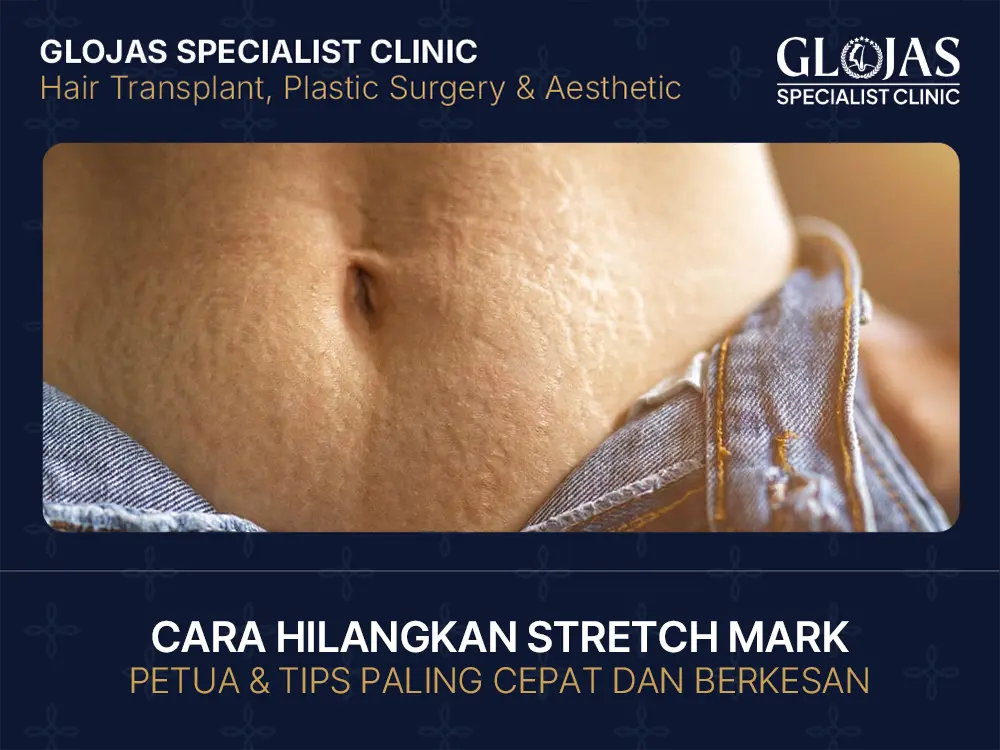
Stretch mark ialah garis regangan yang muncul apabila kulit berubah dengan cepat akibat hormon atau peningkatan saiz badan. Ia tidak berbahaya tetapi sukar hilang sepenuhnya. Di Malaysia, pilihan rawatan berkesan termasuk retinoid, laser, microneedling dan hidrasi kulit. Rawatan terbaik bergantung pada jenis kulit dan nasihat doktor. Di GLOJAS Specialist Clinic, setiap pesakit dibimbing dengan lembut dan teliti untuk mengurangkan stretch mark melalui rawatan laser moden serta nasihat pakar berpengalaman. Pasukan klinik memberi penerangan jelas, pilihan rawatan yang selamat, dan sokongan berterusan supaya proses pemulihan terasa lebih meyakinkan dan semula jadi. Stretch Mark: Maksud & Penjelasan Ringkas Stretch mark (striae) ialah garis halus pada kulit akibat kerosakan pada lapisan dermis ketika kulit meregang terlalu cepat. Ia biasanya berwarna merah jambu, ungu atau coklat pada awalnya (striae rubrae) dan menjadi pucat atau putih dari masa ke masa (striae albae). Gejala & Tanda Stretch Mark Garisan linear yang kelihatan pada kulit — merah, ungu, coklat atau putih Tekstur sedikit lekuk atau tidak rata Rasa gatal atau tegang semasa awal kemunculan Lokasi biasa: perut, paha, pinggul, punggung, payudara, lengan atas Punca Utama Kenapa Stretch Mark Terjadi? 1. Perubahan fizikal mendadak Kehamilan Pertambahan atau penurunan berat badan cepat Fasa tumbesaran remaja 2. Faktor hormon Peningkatan kortisol melemahkan serat kolagen Puberti atau kehamilan (lonjakan hormon) 3. Faktor risiko lain Genetik Penggunaan kortikosteroid jangka panjang Berat badan berlebihan Sejarah keluarga stretch mark Cara Doktor Mengesan Stretch Mark Diagnosis biasanya berdasarkan pemeriksaan kulit. Ujian tambahan jarang diperlukan. Pakar dermatologi mungkin menilai: Warna garisan (aktif vs lama) Kedalaman dan panjang Lokasi dan jumlah kawasan terlibat Faktor gaya hidup dan hormon Cara Hilangkan Stretch Mark Rawatan Perubatan 1. Rawatan Topikal a. Retinoid (Tretinoin 0.025–0.1%) – preskripsi Merangsang penghasilan kolagen Paling berkesan untuk mark baru (merah/ungu) Tidak sesuai untuk wanita hamil atau menyusu b. Krim Asid Hyaluronik Membantu mengekalkan kelembapan kulit Menjadikan garis lebih pudar dari masa ke masa c. Centella asiatica / Peptida / Vitamin C Sokong pembaikan kolagen Pilihan selamat untuk ramai pengguna 2. Rawatan Klinik (Paling Berkesan) a. Laser Fractional (CO₂ atau Er:YAG) Menggalakkan pembentukan kolagen baharu Keputusan ketara selepas beberapa sesi Sesuai untuk garis halus yang lama dan dalam Menurut kajian klinikal, terapi Fractional CO₂ Laser — atau gabungan laser fractional dengan rawatan topikal — menunjukkan pengurangan ketara pada keterukan Striae Distensae (stretch marks). Dalam satu kajian terhadap 22 pesakit, indeks penilaian stretch marks (INA) jauh menurun selepas 12 minggu rawatan serta kualiti hidup dan ketidakselesaan kulit bertambah baik. (PubMed) b. Microneedling / RF Microneedling Jarum mikro mencetuskan penyembuhan kulit Menambah baik tekstur dan warna Risiko minimal, downtime pendek c. PRP (Platelet-Rich Plasma) Digabungkan dengan microneedling Mempercepatkan regenerasi kulit d. Microdermabrasion Membantu stretch mark cetek Kurang berkesan untuk kes mendalam 3. Rawatan Semula Jadi (Sokongan, Bukan Penghilang Total) Walaupun popular, bukti saintifik rawatan semula jadi adalah terhad. Ia membantu melembutkan kulit, bukan menghilangkan secara penuh. Minyak badam Shea butter / cocoa butter Minyak rosehip Aloe vera Nota: Berkesan untuk mengurangkan kekeringan dan ketegangan, bukan untuk membaiki dermis yang koyak. Adakah Rawatan Stretch Mark Selamat? Retinoid: iritasi, kering, tidak selamat untuk hamil. Laser/Microneedling: kemerahan, bengkak sementara, risiko hiperpigmentasi (terutama kulit gelap jika tidak dilakukan oleh pakar). Produk herba: risiko alahan jika kulit sensitif. Tip Mudah Pencegahan Pastikan kenaikan berat badan terkawal dan beransur-ansur Gunakan pelembap secara rutin semasa hamil atau diet Minum air mencukupi Ambil makanan tinggi vitamin C, protein dan zink (penting untuk kolagen) Elakkan penggunaan kortikosteroid jangka panjang tanpa kawalan doktor Bila Anda Patut Berjumpa Doktor? Garis halus muncul tiba-tiba tanpa sebab jelas Anda hamil dan ingin rawatan selamat Stretch mark menyebabkan gatal teruk atau perubahan kulit lain Anda mahu rawatan klinikal paling berkesan Soalan Lazim 1. Bolehkah stretch mark hilang sepenuhnya? Tidak sepenuhnya. Rawatan boleh memudarkan warna dan memperbaiki tekstur sehingga hampir tidak kelihatan. 2. Berapa lama rawatan berkesan? Retinoid: 8–12 mingguLaser/microneedling: 3–6 sesi, setiap 4–6 minggu 3. Adakah selamat merawat stretch mark semasa hamil? Ya, tetapi hanya rawatan topikal selamat seperti pelembap dan asid hyaluronik. Retinoid dan laser tidak selamat semasa hamil. 4. Adakah bio-oil berkesan? Ia membantu melembapkan dan meningkatkan penampilan kulit, tetapi tidak membaiki kerosakan dermis sepenuhnya. 5. Mana lebih berkesan: laser atau krim? Laser dan microneedling jauh lebih berkesan untuk garis halus lama atau dalam. 6. Bolehkah senaman menghilangkan garis halus? Tidak. Tetapi senaman membantu menstabilkan berat badan, seterusnya mencegah kemunculan baharu. View this post on Instagram A post shared by Glojas Specialist | Plastic Surgery, Hair Transplant, Aesthetic (@glojasaesthetic)
Polynucleotide Treatment: Skin Repair, Hydration & Rejuvenation
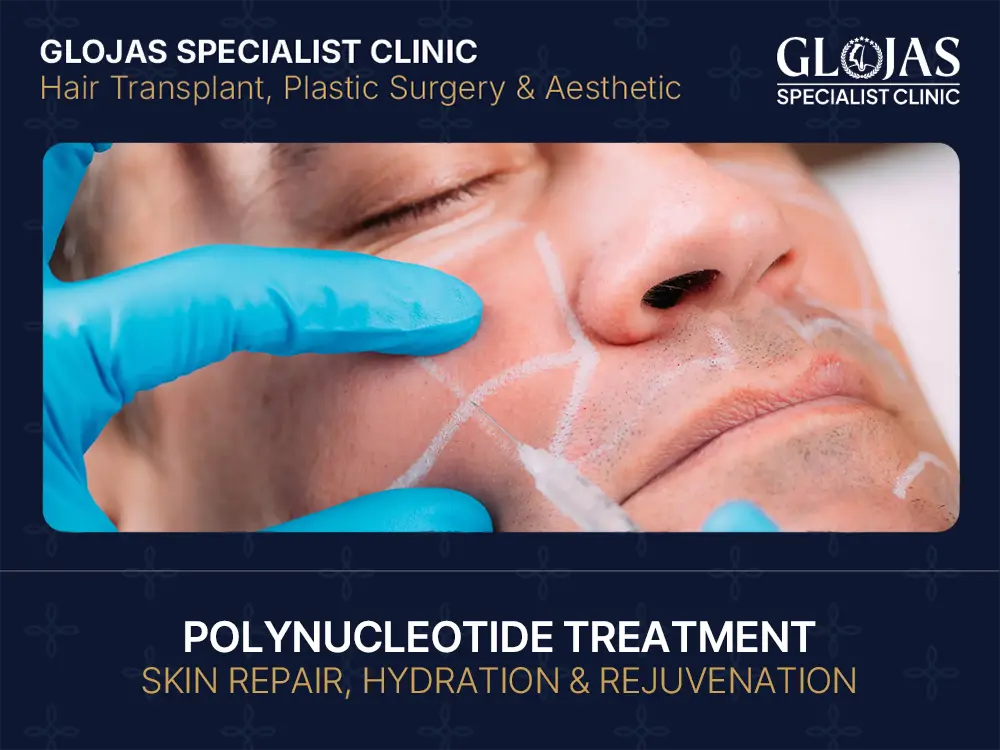
Polynucleotide treatment uses purified DNA fragments to repair skin, improve hydration, and support natural regeneration. It enhances collagen production, strengthens the skin barrier, and reduces inflammation. This scientifically backed therapy is commonly used for aging skin, acne scars, under-eye concerns, and overall skin rejuvenation with minimal downtime. What Are Polynucleotides? (Definition) Polynucleotides are biocompatible DNA fragments extracted from purified sources such as salmon or trout. These molecules act as regenerative bio-stimulators, helping the skin repair damage, regulate inflammation, and enhance hydration. They stimulate fibroblast activity, improve tissue healing, and support long-term skin quality without altering facial structure. How Polynucleotides Work (Mechanism of Action) Polynucleotides deliver regenerative benefits through multiple biological pathways: Cell repair stimulation: Activate fibroblasts to produce collagen and elastin. Deep hydration: Bind water molecules within the dermis, improving elasticity. Anti-inflammatory effect: Reduce oxidative stress and soothe sensitive or compromised skin. Tissue regeneration: Improve microcirculation and promote natural wound healing. These actions make polynucleotides suitable for aging, dehydrated, acne-scarred, and fatigued skin. Common Skin Concerns Treated With Polynucleotides Fine lines and early aging Loss of firmness or elasticity Dull, dehydrated skin Under-eye hollowness and dark circles Atrophic acne scars Redness or inflammation Compromised skin barrier Overall rejuvenation for tired or stressed skin Causes of Skin Aging and Damage (Why Polynucleotides Help) Skin changes occur due to internal and external factors: Intrinsic aging: Decline in collagen and elastin production. Sun exposure: UV radiation accelerates pigmentation and breakdown of structural proteins. Environmental exposure: Pollution increases oxidative stress. Lifestyle factors: Poor sleep, dehydration, smoking. Inflammation: Acne or irritation weakens the skin barrier. Polynucleotides help counter these processes by repairing inflammation-related injury and improving cellular function. Diagnosis: How Doctors Determine If Polynucleotides Are Suitable A clinician evaluates the skin using: Full skin assessment for texture, elasticity, hydration, and barrier health Medical history review to identify sensitivity, allergies, or contraindications Evaluation of treatment goals (hydration, firmness, brightening, scar improvement) Imaging tools such as dermoscopy or skin analysis scanners, if needed Most patients with mild to moderate aging signs, dryness, scarring, or dullness are suitable candidates. Treatment Options and Procedure Overview 1. Polynucleotide Injections (Most Common) Administered into the superficial to mid dermis. Uses microdroplet or linear threading technique. Improves hydration, elasticity, and regenerative activity. Typically performed in 15–20 minutes. 2. Polynucleotide for Under-Eyes Targets dark circles, puffiness, volume loss, and thin under-eye skin. Reduces inflammation and strengthens delicate tissue. 3. Polynucleotide for Acne Scars Enhances tissue remodeling and improves atrophic scars. Often combined with microneedling for stronger results. 4. Combination Treatments Clinicians may combine polynucleotides with: Skin boosters (non-crosslinked hyaluronic acid) Microneedling Laser resurfacing Chemical peels This layered approach supports comprehensive skin rejuvenation. Treatment Course Usually 2–4 sessions, spaced 2–4 weeks apart. Maintenance every 6–9 months depending on skin condition. Risks and Side Effects Polynucleotides are generally safe and well-tolerated. Temporary effects include: Mild redness Small injection bumps Tenderness Slight bruising Rare complications: Allergic reaction Persistent swelling or nodules Infection at injection site All procedures should be performed by trained medical professionals. Benefits of Polynucleotides Deep, long-lasting hydration Improved collagen and elastin support Smoother, firmer skin texture Better skin repair response Reduced inflammation and redness Suitable for sensitive or post-procedure skin Natural-looking results without altering facial shape These advantages make polynucleotides a strong choice for patients seeking regenerative therapy. Treatments That Use Polynucleotides (PN Brands Included) Rejuran HealerA PN-based regenerative treatment that improves skin repair, hydration, texture, and inflammation. Popular for under-eyes, fine lines, and overall rejuvenation. Rejuran I (Under-Eye PN)Designed specifically for thin under-eye skin to reduce dark circles, fine wrinkles, and dryness with minimal downtime. Rejuran S (Scar PN)Formulated for acne scars; promotes collagen remodeling and enhances scar healing, often used with microneedling. Plinest PolynucleotideA PN-HPT (Highly Purified Technology) formulation that enhances skin elasticity, hydration, and regenerative ability, suitable for aging or dehydrated skin. Newest PN BoosterA dual-action PN + HA treatment that delivers hydration while stimulating collagen and tissue repair. S-DNA (Salmon DNA Therapy)A polynucleotide treatment used for overall skin rejuvenation, strengthening, and anti-inflammatory repair. Pro-PRDN PN TherapyA high-purity PN designed to improve skin density, texture, and elasticity while supporting long-term tissue regeneration. PN for Scalp & Hair SupportPolynucleotide formulations (e.g., PN-Scalp, Rejuran HB) promote scalp hydration, microcirculation, and healthier hair growth. PN for Neck, Hands & DécolletageUsed to restore elasticity, reduce crepiness, and improve thin, aging skin in sun-exposed areas. Prevention: How to Maintain Skin Health After Treatment Use daily sunscreen SPF 30–50 Maintain hydration with barrier-strengthening moisturizers Avoid excessive sun exposure Follow a consistent skincare routine Reduce smoking and alcohol intake Schedule maintenance treatments as advised Preventive care helps preserve treatment results and improves long-term skin health. When to See a Doctor Consult a medical professional if you experience: Persistent swelling beyond 72 hours Increasing pain or redness Signs of infection (fever, warmth, discharge) Allergic reactions such as itching or difficulty breathing Uncertain suitability due to medical conditions or pregnancy Routine consultation is also recommended when exploring anti-aging or regenerative treatment options. Frequently Asked Questions 1. Are polynucleotides the same as skin boosters? No. Skin boosters provide hydration through hyaluronic acid. Polynucleotides stimulate repair, reduce inflammation, and improve tissue quality at a cellular level. 2. How soon can I see results? Most patients notice improvements in hydration and smoothness within 1–2 weeks, with collagen-related benefits developing over the next months. 3. Do PN replace dermal fillers? No. They restore skin quality but do not add significant volume. Fillers are still needed for structural contouring. 4. Are polynucleotides safe for sensitive skin? Yes. Their anti-inflammatory nature makes them suitable for sensitive, thin, or compromised skin. 5. How long do the results last? Results typically last 6–12 months, depending on skin condition, lifestyle, and maintenance. 6. Can polynucleotides be combined with lasers? Yes. They are commonly used after lasers to accelerate healing and improve outcomes. 7. Are the injections painful? Minor discomfort is expected. Most clinics apply topical numbing for comfort. 8. Can polynucleotides treat dark circles? Yes. They improve hydration, microcirculation, and tissue thickness under the eyes, reducing dark
Liang Pori Muka: Cara Kecilkan Pori Muka Dengan Berkesan (2025)
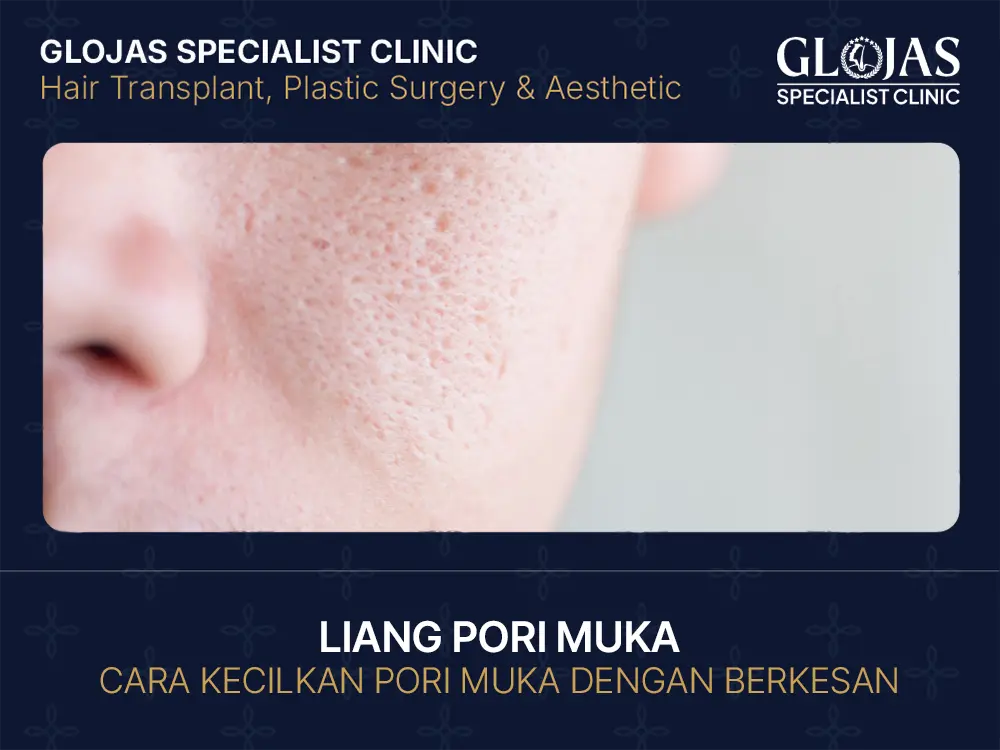
Liang pori besar berlaku apabila penghasilan sebum meningkat, kolagen menurun, dan tekstur kulit menjadi tidak sekata. Rawatan moden 2025 seperti laser, microneedling RF dan chemical peel terbukti membantu mengetatkan pori dengan lebih cepat dan selamat. Cara Mengecilkan Liang Pori Besar Secara Berkesan Liang pori — atau “enlarged facial pores” — ialah bukaan di permukaan kulit yang menghubungkan kelenjar sebum kepada dunia luar. Apabila minyak, keratin dan sel kulit mati berkumpul, pori menjadi semakin besar, jelas dan sukar ditutup. Faktor seperti genetik, cuaca panas Malaysia, hormon, dan penuaan mempercepatkan pembesaran pori. Kajian dermatologi menunjukkan bahawa lebih 45% individu Asia mengalami pori besar disebabkan penghasilan minyak berlebihan. Apa Itu Liang Pori? Liang pori ialah struktur mikroskopik pada epidermis dan dermis yang mengawal aliran sebum dari kelenjar sebum. Bila kolagen berkurang, dinding pori melemah dan kelihatan terbuka. Faktor Yang Membesarkan Liang Pori Genetik – saiz pori ditentukan sejak lahir. Sebum berlebihan – kelenjar sebum aktif menyebabkan pori terbuka. Penuaan & kehilangan kolagen – dinding pori longgar. Sinaran UV – merosakkan elastin. Jerawat & keradangan – menyebabkan folikel membesar. Produk comedogenic – menyumbat pori. Tanda & Gejala Liang Pori Besar Pengguna biasanya perasan pori besar di bahagian hidung, pipi, dagu dan kawasan T-zone. Gejala Yang Sering Berlaku Tekstur kulit kasar Pengumpulan whiteheads dan blackheads Makeup tidak melekat rata Kulit nampak kusam & berminyak Pori kelihatan jelas di bawah cahaya Cara Mengecilkan Liang Pori Secara Semula Jadi Walaupun pori tidak boleh “hilang”, ia boleh diperkecilkan secara ketara. Rutin Skincare Yang Disyorkan Niacinamide – mengawal minyak & menguatkan skin barrier Retinol / Retinoid – merangsang kolagen & mengecilkan pori AHA/BHA (Glycolic / Salicylic Acid) – melicinkan tekstur Clay Mask – menyerap minyak berlebihan Sunscreen SPF50 – mengelakkan kerosakan UV Perubahan Gaya Hidup Kurangkan makanan berminyak Kawal tekanan & hormon Kerap mencuci muka selepas berpeluh Pastikan hidrasi kulit mencukupi Rawatan Klinikal Terbaik Untuk Liang Pori (2025) Rawatan klinik lebih berkesan kerana ia merangsang kolagen, mengetatkan dinding pori dan membaiki tekstur kulit. 1. Fractional CO2 Laser Menghasilkan microthermal zones untuk regenerasi dermis, memperbaiki pori, parut jerawat dan tekstur. Sangat berkesan untuk pori kronik. 2. Pico Laser Menambah baik tekstur halus, merangsang kolagen dan mencerahkan tona kusam. 3. Microneedling RF (Radiofrequency) Gabungan jarum mikro + gelombang RF yang menguatkan struktur kolagen. Sesuai untuk pori besar, parut jerawat dan kulit longgar. 4. Chemical Peel (AHA/BHA / TCA) Mengelupas lapisan atas kulit, menanggalkan sel mati, dan melicinkan permukaan pori. 5. Hydra Infusion / Deep Cleansing Facial Membersihkan pori tersumbat, mengurangkan minyak dan mengoptimumkan penyerapan serum. Siapa Yang Sesuai Untuk Rawatan Liang Pori? Individu dengan kulit berminyak Kulit kusam & tekstur kasar Pori kronik akibat jerawat Foto-penuaan (sun damage) Kulit tidak sekata selepas umur 30 Kelebihan Rawatan Klinik Untuk Liang Pori Faedah Utama Pengecilan pori yang ketara Penghasilan kolagen baharu Kulit lebih cerah dan licin Pengurangan minyak berlebihan Keputusan lebih cepat berbanding skincare Risiko & Keselamatan Sebagai doktor estetik, keselamatan adalah keutamaan. Rawatan moden kini mempunyai downtime minimum, sesuai untuk kebanyakan jenis kulit.Kesan sampingan ringan mungkin termasuk kemerahan sementara dan sensitiviti. Berapa Lama Untuk Nampak Kesan? Kebiasaannya, perubahan ketara berlaku selepas 3–6 minggu, seiring pembentukan kolagen baharu. Rawatan bersiri memberikan hasil lebih optimum. FAQ Bolehkah liang pori ditutup sepenuhnya? Tidak. Liang pori tidak boleh hilang, tetapi rawatan boleh mengecilkan dan mengetatkannya secara signifikan. Apa rawatan paling cepat untuk kecilkan liang pori? Microneedling RF dan laser fractional memberikan hasil ketara paling cepat kerana ia merangsang kolagen secara mendalam. Adakah skincare sahaja cukup untuk mengecilkan pori? Skincare membantu kawal minyak dan tekstur, tetapi rawatan klinikal diperlukan untuk perubahan yang lebih dramatik. Adakah pori besar disebabkan faktor genetik? Ya. Genetik memainkan peranan besar, tetapi gaya hidup dan rawatan boleh mengurangkan saiz pori. Berapa kos rawatan liang pori di Malaysia? Anggaran RM250–RM1,500 bergantung pada jenis rawatan seperti laser, microneedling RF, atau chemical peel.
Cara Cerahkan Miss V: Petua & Tips Selamat & Berkesan
Cara Cerahkan Miss V Miss V gelap atau hiperpigmentasi adalah isu biasa yang menjejaskan keyakinan wanita. Dengan rawatan semula jadi dan profesional, vagina boleh kelihatan lebih cerah, sihat, dan berseri. Panduan ini membantu anda faham penyebab, kaedah selamat, dan langkah pencegahan yang berkesan. Kenapa Miss V Boleh Gelap? Gelap pada kawasan intim biasanya berpunca daripada beberapa faktor: Hiperpigmentasi semula jadi: Kelenjar melanin aktif pada bibir vagina atau labia boleh menyebabkan warna lebih gelap. Peningkatan geseran: Aktiviti fizikal, pakaian ketat, atau hubungan seksual kerap boleh menyebabkan iritasi dan pigmentasi. Perubahan hormon: Kehamilan, penggunaan pil perancang, atau penuaan turut memberi kesan. Masalah kesihatan: Keputihan abnormal atau jangkitan boleh mengubah warna kulit kawasan intim. Fakta: Kajian menunjukkan 60% wanita mengalami hiperpigmentasi ringan pada labia menjelang usia 30 tahun. Apa itu Hyperpigmentasi? Hyperpigmentasi adalah keadaan kulit di mana sesetengah kawasan menjadi lebih gelap daripada warna kulit asal disebabkan oleh penghasilan melanin yang berlebihan. Ia boleh berlaku akibat sinaran matahari, perubahan hormon, jerawat, luka, atau penuaan. Jenis biasa termasuk melasma, lentigines (bintik matahari), dan post-inflammatory hyperpigmentation (PIH). Rawatan boleh melibatkan krim pencerah, laser, atau kaedah semula jadi bergantung kepada punca dan keparahan. Kaedah Semula Jadi untuk Cerahkan Miss V Jika anda mencari cara cerahkan Miss V secara semula jadi, beberapa kaedah berkesan termasuk: 1. Rawatan Dengan Bahan Semula Jadi Aloe vera: Mengurangkan iritasi dan membantu mencerahkan kulit. Yogurt / probiotik: Menyokong keseimbangan bakteria dan kesihatan vagina. Minyak semula jadi: Minyak kelapa atau zaitun membantu melembapkan dan mencerahkan kulit. 2. Pengamalan Penjagaan Harian Bersihkan vagina dengan sabun pH seimbang. Elak pakaian terlalu ketat. Elakkan penggunaan produk kimia keras pada kawasan intim. 3. Nutrisi & Hidup Sihat Ambil makanan kaya vitamin C dan E untuk kesihatan kulit. Kekalkan penghidratan mencukupi. Senaman ringan membantu aliran darah dan kesihatan kulit. Produk Pemutih Selamat untuk Organ Intim Selain rawatan semula jadi, klinik profesional menyediakan: Krim pemutih pH seimbang: Diformulasi khas untuk vagina sensitif. Laser vagina: Merangsang penghasilan kolagen dan mencerahkan kulit. Chemical peel ringan: Untuk kesan cerah tanpa merosakkan tisu. Nota: Rawatan klinik adalah 3–5 kali lebih cepat dan selamat jika dikendalikan oleh pakar dermatologi atau ginekolog. Tips Penjagaan Miss V Agar Sihat & Cerah Elak menggaru atau memakai pakaian ketat terlalu lama. Gunakan produk dengan pH seimbang. Periksa kesihatan secara berkala di klinik. Gabungkan rawatan semula jadi dan klinik untuk hasil optimum. Bila Perlu Berjumpa Doktor atau Klinik? Anda disarankan berjumpa pakar jika: Keputihan abnormal atau berbau. Iritasi berpanjangan atau kemerahan. Gelap berlebihan yang menimbulkan ketidakselesaan. Mahu hasil pemutihan cepat & selamat. Pakar: Doktor kulit (dermatologist) dan pakar sakit puan (gynecologist) di GLOJAS Specialist Clinic membantu menentukan rawatan sesuai dan selamat. FAQ: Cara Cerahkan Miss V Q1: Adakah cerahkan Miss V selamat untuk semua wanita?A: Ya, dengan kaedah semula jadi atau rawatan klinik yang dikawal pakar, ia selamat untuk kebanyakan wanita. Q2: Berapa lama tempoh untuk nampak hasil?A: Kaedah semula jadi biasanya 4–6 minggu, manakala rawatan klinik 1–3 sesi sudah memberi perubahan ketara. Q3: Adakah krim pemutih selamat digunakan setiap hari?A: Hanya krim yang diformulasi pH seimbang dan disyorkan pakar. Penggunaan berlebihan boleh sebabkan iritasi. Q4: Bolehkah laser mencerahkan Miss V gelap sepenuhnya?A: Laser membantu mencerahkan dan merangsang kolagen, tetapi hasil bergantung pada warna kulit semula jadi dan konsistensi rawatan. Q5: Bagaimana mencegah Miss V menjadi gelap semula?A: Amalkan penjagaan harian, elak pakaian ketat, jaga pH vagina, dan pantau kesihatan secara berkala.
Double Chin: Causes, Meaning & Effective Removal Treatment Options
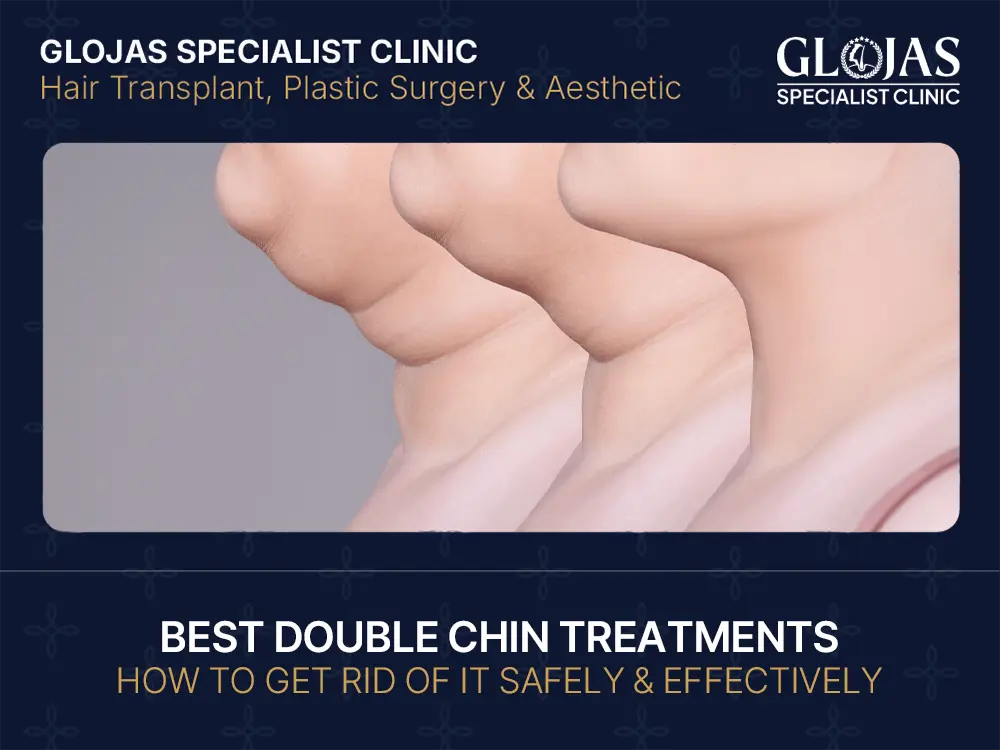
The “double chin,” or submental fullness, is a common worry, especially here in Malaysia. It happens because of extra fat, aging, or even genetics. You might see creams promising to help, but they rarely reduce fat. For real, lasting results, doctors recommend treatments backed by science. These include Kybella injections (to dissolve fat), fat-freezing (cryolipolysis), HIFU, and other skin-tightening methods. These options are safe and help people get a firmer jawline and feel more confident. GLOJAS Specialist Clinic, led by certified aesthetic doctors, offers expert double chin treatments in Malaysia. They use advanced, non-surgical methods like HIFU to create personalized plans that work well and last. Understanding the Double Chin A double chin appears when fat builds up under the chin or when the skin loses its snap (elasticity). Even people who are a healthy weight can get sagging due to their genes, age, or daily habits. The main causes are: Submental Fat: Stubborn pockets of fat under the chin. Skin Laxity: Loose skin that causes sagging. A Combination: This is most common in adults over 30. Knowing the cause is key, as treatments for fat are different from treatments for loose skin. Effective & Proven Treatments for Double Chin Removal 1. Kybella (Fat-Dissolving Shots) How it works: An injection that permanently dissolves fat cells under the chin. Treatment: Usually needs 2 to 6 sessions, about one month apart. Side Effects: Swelling, bruising, or numbness is common but temporary. Best for: People with extra, pinchable fat and good skin elasticity. Kybella is approved for chin fat reduction and offers a non-surgical, long-lasting contour. 2. Cryolipolysis (Fat-Freezing) Mechanism: Uses controlled cold to target and kill fat cells under the skin. Timeline: You will see results slowly over 6 to 12 weeks. Side Effects: Mild, temporary numbness, swelling, or tingling. Effectiveness: It can reduce a good amount of fat per session. This non-invasive option is great for moderate fat deposits and people with good skin tone. 3. Energy-Based Skin Tightening Technologies: Uses Radiofrequency (RF), High-Intensity Focused Ultrasound (HIFU), or lasers. Function: This heat energy boosts collagen and elastin to firm sagging skin. Best Results: Works best for mild skin looseness or when combined with a fat treatment. You might need a few sessions. Downtime is minimal, and results look natural and slowly improve. 4. Surgical Options Procedures: Liposuction (fat removal) or a neck lift. When to use: For people with a lot of fat and significant skin sagging. Recovery: Requires more downtime but gives immediate, very dramatic results. Surgery is the best choice for major changes when non-surgical options are not enough. Why Creams Don’t Work Alone Many products claim to “melt away” a double chin. While they sound nice, creams simply cannot reach the fat cells deep beneath the skin. Topical care can help by: Firming: Retinol or peptide creams may boost collagen and firm the skin a little. Improving Tone: Moisturizers and antioxidants hydrate the skin for a subtle lift. The takeaway: Creams help the quality of your skin, but they cannot reshape your jawline by themselves. Helpful Skincare (The Supporting Role) Skincare can boost the results of your main treatment: Retinol creams: Help improve skin elasticity over time. Peptide serums: Increase firmness and hydration. Antioxidant moisturizers: Protect the skin from sun and pollution damage. Good skincare before and after procedures helps keep your results looking their best. Practical Tips for Malaysians See a Qualified Doctor: A personalized plan from an expert will give you the best results. Healthy Habits: Keep a stable weight, maintain good posture, stay hydrated, and use sun protection. Be Realistic: Non-surgical results are gradual. Surgery gives faster, bigger changes. Combine Treatments: Removing fat + tightening skin + good skincare leads to natural, long-lasting contours. FAQs About Double Chin Removal 1. What causes a double chin?A double chin is usually caused by excess fat under the chin, loose skin, or weakening of the neck muscles. Genetics, ageing, and weight gain are common contributing factors. 2. Can I remove a double chin without surgery?Yes. Non-surgical options include injectable fat-dissolving treatments, cryolipolysis (fat freezing), and ultrasound or radiofrequency skin tightening. These methods reduce fat and firm the skin with minimal downtime. 3. How long does it take to see results from non-surgical treatments?Results vary depending on the method. Injectable treatments may show improvement within 4–6 weeks, while fat freezing can take 8–12 weeks for optimal contouring. Multiple sessions may be required for best results. 4. Is double chin surgery safe?Surgical liposuction is generally safe when performed by a certified aesthetic surgeon. Risks include temporary swelling, bruising, or minor scarring. Proper pre-operative assessment ensures safety and predictable outcomes. 5. Can exercise or diet alone remove a double chin?Targeted exercises and weight management can help reduce overall body fat but are often insufficient for removing stubborn fat under the chin. Medical treatments are more effective for precise contouring. 6. How long do double chin removal results last?Destroyed fat cells do not return, making results permanent. However, new fat accumulation is possible if there is significant weight gain. Maintaining a healthy lifestyle helps preserve results. 7. How do I know which double chin treatment is right for me?A certified aesthetic doctor will assess whether your concern is mainly fat, skin laxity, or muscle tone. The treatment plan is customized—sometimes combining fat reduction with skin tightening for the most natural, balanced outcome. Conclusion You can safely and effectively reduce a double chin in Malaysia with proven, medical treatments. While creams are good for skin quality, procedures like fat-dissolving shots, freezing, and skin tightening give you visible, lasting results. By understanding your options and speaking with a qualified clinician, you can achieve a firmer, more youthful jawline safely. Expert Insights on Double Chin Removal in Malaysia Double chin, or submental fullness, is a common concern for both men and women. Many patients in Malaysia seek chin fat reduction and jawline contouring for a defined profile. Creams and exercises offer limited results, while non-invasive chin contouring, Kybella injections, and HIFU treatments target stubborn
Furrowed Brow Malaysia: Causes, Treatments & Expert Advice
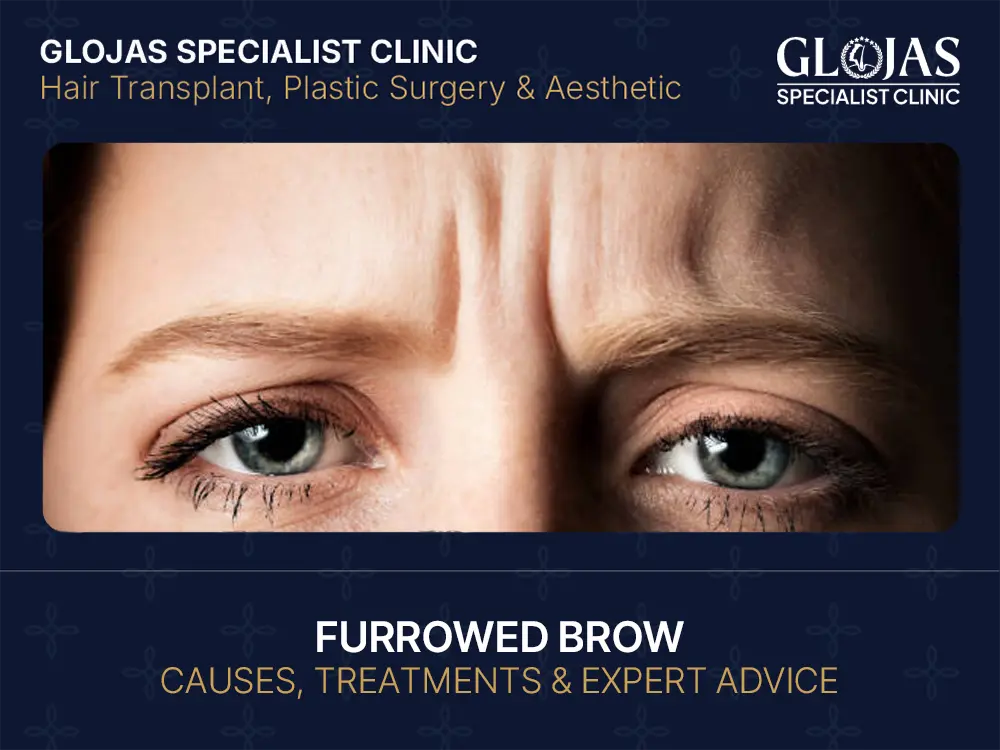
A furrowed brow, often appearing as deep vertical lines between the eyebrows, is a common sign of aging, stress, or repeated facial expressions. Dermatologists and aesthetic specialists emphasize early treatment to prevent permanent lines. Medical interventions, combined with lifestyle adjustments, can dramatically improve facial aesthetics and confidence. What Is a Furrowed Brow? A furrowed brow is the visible vertical or horizontal crease that forms between the eyebrows or across the forehead. These lines occur due to: Repetitive facial movements (frowning, squinting) Natural aging and skin collagen loss Sun exposure accelerating skin elasticity reduction Stress and tension in the facial muscles Data fact: Studies show that repeated frowning can deepen furrow lines by up to 20% over 5 years if untreated. Causes of Furrowed Brow in Adults Understanding the cause is critical for effective treatment. Common contributors include: 1. Muscle Overactivity The corrugator supercilii and procerus muscles are primarily responsible for brow furrows. Overactivity leads to persistent lines. 2. Skin Aging Collagen and elastin breakdown reduces skin resilience, making lines more visible. 3. Environmental Factors UV radiation, pollution, and smoking accelerate dermal thinning and wrinkle formation. 4. Genetics & Lifestyle Family history and habits such as chronic stress or frequent squinting influence severity. Medical Treatments for Furrowed Brow In Kuala Lumpur, dermatologists and aesthetic clinics offer several advanced, evidence-based treatments: Botox & Neuromodulators Botulinum toxin injections relax the corrugator and procerus muscles, smoothing furrows. Results last 3–6 months with minimal downtime. Dermal Fillers Hyaluronic acid fillers can restore volume and soften deep lines for immediate aesthetic improvement. Laser & Microneedling Fractional CO2 lasers and collagen induction therapy stimulate dermal remodeling, improving texture and elasticity. Prescription Skincare Retinoids, peptides, and growth factor serums boost collagen synthesis and prevent future line formation. Lifestyle & Preventive Measures Experts recommend combining medical treatments with lifestyle adjustments for lasting results: Regular sunscreen with SPF 30+ to protect delicate forehead skin Facial exercises to reduce muscle overactivity Stress management techniques such as meditation Adequate hydration and a collagen-rich diet Choosing a Specialist Selecting a board-certified dermatologist or aesthetic doctor ensures safe, effective treatment. Look for: Verified medical credentials (Dermatology or Plastic Surgery) Experience with Botox, fillers, and non-invasive procedures Positive patient outcomes with before-and-after documentation FAQs About Furrowed Brow Can furrowed brow lines disappear naturally? Minor lines may improve with skincare and lifestyle changes, but moderate to deep lines usually require medical intervention. How long do Botox treatments last for brow furrows? Typically 3–6 months, after which repeat treatments are recommended to maintain results. Are dermal fillers safe for furrowed brow? Yes, when administered by a certified specialist. They restore volume and soften lines with minimal downtime. Can stress worsen furrowed brow appearance? Chronic stress causes repeated frowning, deepening lines over time. Stress management can help prevent worsening. At what age should I start treatment? Preventive measures can begin in the late 20s to early 30s, but treatment is effective at any adult age. Conclusion A furrowed brow is a natural sign of aging or repeated facial expressions, but modern treatments offer effective solutions. Early intervention, combined with lifestyle changes and expert skincare, ensures smoother, youthful-looking skin and boosted confidence.
Pimples: Meaning, Causes, and Treatment Options In Malaysia
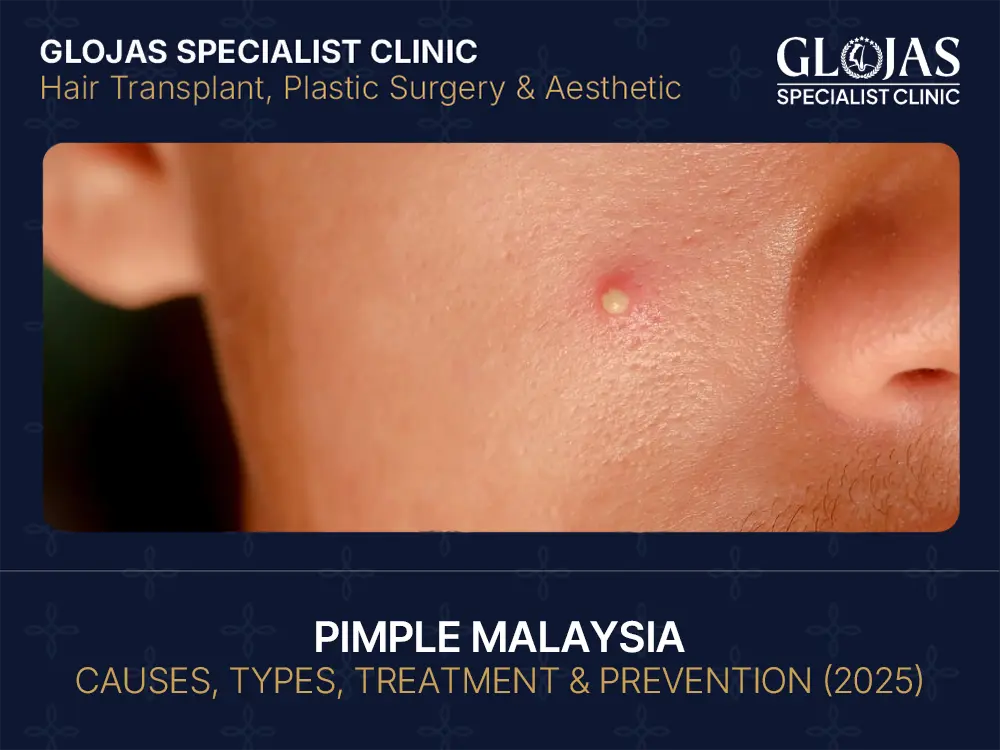
Dealing with a sudden breakout while grabbing a teh tarik is a uniquely Malaysian struggle. Whether it’s the relentless humidity or a late-night Mamak session, pimples are a common grievance for many in KL and beyond. Recent data from the Malaysian Skin Foundation suggests that up to 80% of teenagers and young adults here experience some form of acne, but getting clear skin in our tropical climate is totally doable once you understand the science behind the spots. GLOJAS Specialist Clinic offers expert pimples treatment in Malaysia, combining doctor-led care, advanced medical therapies, and personalised plans for clear, healthy, and long-lasting skin results. What Are Pimples Pimples (acne vulgaris) are small skin lesions or inflammations that occur when your oil glands become overactive. While they are often associated with puberty, adult acne is a rising concern in Malaysia due to lifestyle factors and environmental stressors. How Pimples Form It all starts deep inside your pores. Your skin naturally produces sebum (oil) to stay hydrated. However, when dead skin cells don’t shed properly, they mix with this oil to create a “plug.” Interestingly, a 2025 study on young Malaysian adults highlighted that familial history is actually the strongest predictor of how severe these clogs become. Types of Pimples Whiteheads: Closed clogged pores. Blackheads: Open clogged pores; the dark color is oxidized oil, not dirt! Papules: Small, red, tender bumps. Pustules: Pimples with pus at the tips. Nodules/Cysts: Deep, painful lumps that often require medical intervention. Causes of Pimples Hormonal Imbalance Fluctuations in androgens can cause oil glands to enlarge. In Malaysia, adult female acne is frequently linked to these hormonal shifts, often appearing in predictable cycles. Excess Oil and Clogged Pores In our local heat, skin works overtime. High sebum production mixed with environmental pollutants creates the perfect storm for comedones to form. Bacteria and Inflammation Cutibacterium acnes (C. acnes) is a bacteria that lives on everyone’s skin, but it thrives in clogged pores. When it multiplies, your immune system kicks in, resulting in “angry” red inflammation. Heat, Humidity, and Sweat Malaysia’s 70-90% relative humidity stimulates sebaceous glands to produce more oil. Furthermore, sweat doesn’t just sit on the skin; it can lead to “surface dehydration,” which ironically triggers the skin to produce even more oil to compensate. Pimples Treatment Options in Malaysia Topical Pimple Treatments You can find many effective over-the-counter (OTC) solutions at local pharmacies. Look for Benzoyl Peroxide to kill bacteria or Salicylic Acid to unclog pores. Oral Medications for Pimples For moderate cases, a doctor might suggest oral options. These work from the inside out to regulate hormones or reduce the systemic bacterial load. Doctor-Led Pimple Treatment If drugstore fixes aren’t cutting it, seeing a GP or a dermatologist is the next step. They can provide a clinical acne diagnosis and tailor a regimen specifically for your skin type. Medical Treatments for Pimples Prescription Creams and Gels Doctors often prescribe Retinoids (like Adapalene or Tretinoin). These are gold-standard treatments that speed up cell turnover, ensuring your pores don’t get a chance to clog. Oral Antibiotics and Retinoids Antibiotics like Doxycycline can help calm down severe inflammation quickly. These are usually a short-term measure while your topical routine kicks in. Isotretinoin for Severe Pimples Commonly known by brand names like Roaccutane, Isotretinoin is a powerful medication for cystic acne. It’s highly effective but requires strict medical supervision in Malaysia due to potential side effects. In-Clinic Pimple Treatments Chemical Peels Aesthetic clinics use Alpha Hydroxy Acids (AHA) or Beta Hydroxy Acids (BHA) to deeply exfoliate. This removes the “glue” holding dead skin cells together. Laser and Light Therapy Technologies like Pico Laser or IPL target the bacteria and the redness, helping to flatten active pimples faster than creams alone. Pimple Extraction Professional acne extraction ensures that the pore is cleared without pushing the infection deeper or causing permanent scarring. Pimples on Different Areas Face Pimples The “T-Zone” is the most common area due to the high density of oil glands. Back and Chest Pimples Often called “Bacne,” these are usually caused by sweat and friction—very common among Malaysian athletes or those who commute in the heat. Jawline Pimples Usually a hallmark of hormonal issues. If you notice deep, painful bumps along your jaw, it’s a sign to check your hormonal health. Pimple Scars and Marks Pimple Scars These are permanent changes in skin texture, like “ice pick” or “boxcar” scars, caused by the loss of collagen during a deep breakout. Pimple Pigmentation In South East Asian skin tones, we often deal with Post-Inflammatory Hyperpigmentation (PIH)—those stubborn brown marks left behind. Scar Prevention The golden rule? Stop squeezing. Early treatment of active acne is the best way to prevent acne scarring from occurring in the first place. Skincare for Pimple-Prone Skin Basic Daily Skincare Cleanse: Use a gentle, non-stripping cleanser twice daily. Moisturize: Even oily skin needs hydration to prevent “rebound” oiliness. Protect: Sunscreen is non-negotiable, as UV rays darken pimple marks. Ingredients That Help Pimples Niacinamide: Calms redness and regulates oil. Azelaic Acid: Great for both bacteria and pigmentation. Ingredients to Avoid Steer clear of heavy oils (like coconut oil) or thick waxes. In Malaysia, local research has also found that high milk and chocolate consumption is significantly associated with higher acne prevalence in some patients. Cost of Pimples Treatment in Malaysia Treatment Cost Factors Costs vary: DIY pharmacy products (RM30–RM100), GP visits (RM80–RM200), or aesthetic clinic lasers (RM300–RM1,200+ per session). Clinic vs Home Treatment Innovative treatments like Rejuran S (polynucleotides from salmon DNA) are now popular in Malaysian clinics for repairing deep scars that home creams can’t reach. When to See a Doctor Persistent or Severe Pimples If your acne is painful, deep, or covering large areas, OTC products likely won’t be enough. Pimples Not Responding to Treatment If you’ve tried a routine for 8 weeks with no change, consult a dermatology professional to adjust your strategy. Pimples FAQs Can Pimples Be Cured? While you can’t “cure” the biological process of oil production, you can manage and