
Jenis Gatal Kulit: Punca, Jenis, Gambar & Cara Rawat Penyakit Kulit Dengan Berkesan
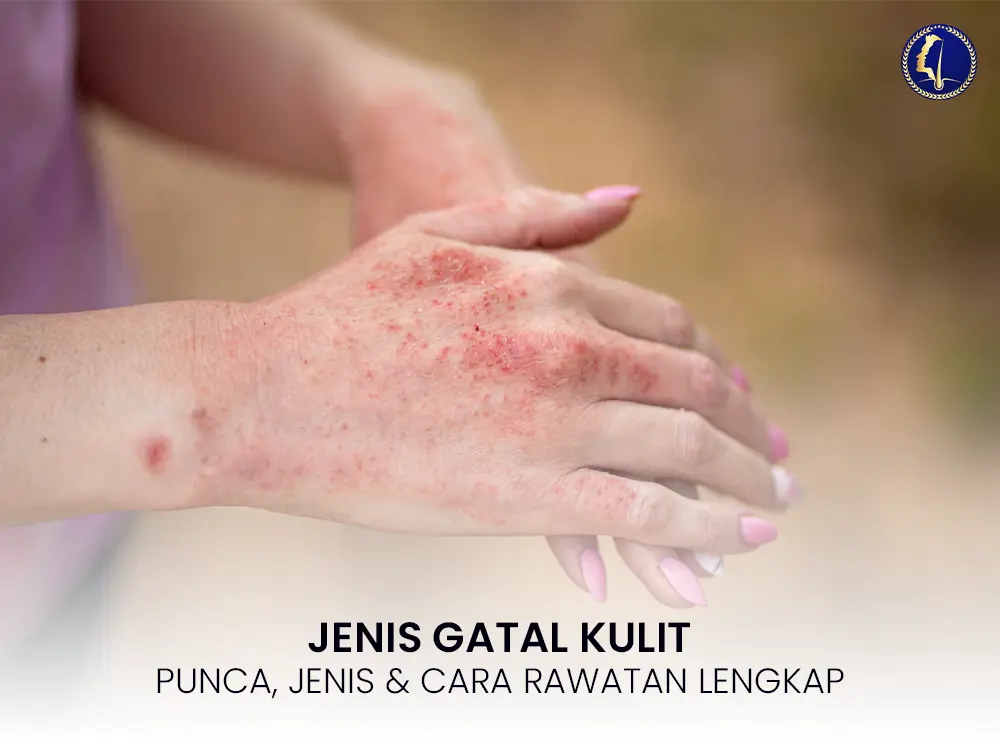
Jenis Gatal Pada Kulit Dan Gambarnya Gatal kulit merupakan masalah dermatologi yang sangat biasa dalam kalangan rakyat Malaysia. Ia boleh menjadi ringan dan sementara, atau kronik dan mengganggu kehidupan harian. Dalam artikel ini, kita akan mengenal pasti jenis-jenis gatal kulit, punca yang menyebabkannya, serta rawatan terbaik berdasarkan jenisnya, bersesuaian dengan iklim tropika dan gaya hidup kita. Apa Itu Gatal Kulit? Gatal kulit, atau pruritus, ialah sensasi yang menyebabkan keinginan untuk menggaru. Ia boleh berlaku di mana-mana bahagian tubuh dan mungkin disebabkan oleh pelbagai faktor termasuk alahan, jangkitan, atau penyakit dalaman. Punca Jenis Penyakit Gatal Kulit Antara punca utama gatal kulit termasuk: Alergi (Alahan) – Makanan, ubat-ubatan, habuk, atau bahan kimia kosmetik. Jangkitan kulit – Seperti kulat, bakteria, atau virus. Penyakit kulit kronik – Eczema, psoriasis, atau dermatitis. Gigitan serangga – Seperti nyamuk, kutu, atau hama. Keadaan kesihatan dalaman – Seperti diabetes, gangguan hati atau buah pinggang. Jenis Gatal Kulit 1. Eczema (Dermatitis Atopik) Gatal yang berulang dan disertai kemerahan, kulit kering, bersisik atau melepuh. Selalunya bermula sejak kecil dan dipengaruhi faktor genetik dan alahan. 2. Urtikaria (Hives) Timbul sebagai ruam merah atau bengkak kecil yang gatal. Boleh disebabkan makanan, ubat, atau cuaca panas. 3. Jangkitan Kulat (Tinea/Ringworm) Gatal berbentuk bulat, kemerahan, dengan bahagian tengah yang bersih. Sangat biasa di kawasan lipatan badan seperti ketiak atau celah paha. 4. Scabies (Kudis Buta) Punca dari hama kecil yang masuk ke dalam kulit. Simptom termasuk gatal teruk pada waktu malam, ruam kecil, dan kerak. 5. Psoriasis Penyakit autoimun yang menyebabkan kulit menebal, bersisik, dan sangat gatal. Biasanya berlaku di siku, lutut, dan kulit kepala. 6. Contact Dermatitis Reaksi kulit terhadap sentuhan bahan tertentu seperti sabun kuat, logam (nikel), atau lateks. Menyebabkan kulit gatal, merah, dan melepuh. Bagaimana Nak Bezakan Jenis Gatal? Jenis Gatal Ciri-ciri Utama Kawasan Biasa Eczema Kering, merah, bersisik, gatal Tangan, lipatan lengan, leher Urtikaria Bengkak merah sementara, sangat gatal Seluruh badan Jangkitan Kulat Bulat, bersisik, gatal Celah paha, kaki, ketiak Scabies Gatal waktu malam, ruam kecil Celah jari, pergelangan tangan Psoriasis Kulit menebal, sisik keperakan Siku, lutut, kepala Rawatan Gatal Kulit Berdasarkan Jenis Topikal (Sapuan) Krim steroid (untuk eczema, psoriasis) Krim antikulat (untuk jangkitan kulat) Krim antihistamin (untuk urtikaria) Oral (Makan) Antihistamin (mengurangkan gatal) Antibiotik atau antifungal (jika ada jangkitan) Imunosupresan (untuk psoriasis kronik) Penjagaan Harian Guna sabun hypoallergenic Elak mandi air panas terlalu lama Sentiasa lembapkan kulit selepas mandi Elakkan menggaru untuk mengurangkan luka sekunder Rawatan Klinik Pemeriksaan dermatologi Ujian alergi atau ujian kulit Terapi cahaya (untuk psoriasis) Bila Perlu Jumpa Doktor? Segera dapatkan rawatan jika: Gatal kulit berpanjangan lebih 2 minggu Disertai demam, luka bernanah, atau kulit mengelupas teruk Mengganggu tidur atau aktiviti harian Terdapat tanda-tanda jangkitan atau pembengkakan luar biasa Pencegahan Gatal Kulit Kekalkan kelembapan kulit Elakkan penggunaan produk penjagaan kulit yang mengandungi alkohol atau pewangi kuat Guna pakaian kapas yang selesa dan tidak panas Kekalkan kebersihan diri Jaga pemakanan dan elakkan makanan pencetus alahan Cara Rawat Gatal Kulit Seperti Jerawat di Klinik 1. Laser & Cahaya Fractional CO2 Laser – rawat parut dan jerawat aktif. Pulsed Dye Laser (PDL) – kurangkan kemerahan dan keradangan. Nd:YAG – kawal jerawat aktif & kelenjar minyak. Blue Light / PDT – bunuh bakteria penyebab jerawat. 2. Chemical Peels Salicylic acid – bersihkan liang pori & eksfoliasi. Glycolic acid – bantu parut & jerawat ringan. Jessner/TCA – eksfoliasi lebih dalam & cegah parut. 3. Microneedling & PRP Microneedling – rangsang kolagen, baik parut. Microneedling + PRP – percepat penyembuhan & kurangkan parut. 4. Ekstraksi & Manual Comedone extraction – buang blackhead & whitehead. Cyst drainage – untuk jerawat cyst di bawah pengawasan doktor. 5. Skin Booster & Suntikan Hyaluronic acid skin booster – lembapkan kulit & kurangkan keradangan. Mesoterapi – untuk jerawat ringan & cegah parut. Soalan Lazim (FAQ) 1. Apakah gatal kulit yang paling biasa dalam kalangan orang dewasa? Eczema, urtikaria, dan jangkitan kulat adalah antara yang paling biasa dialami oleh orang dewasa, terutama mereka yang tinggal di kawasan panas dan lembap. 2. Adakah gatal kulit boleh jadi tanda penyakit serius? Ya, dalam beberapa kes, gatal berpanjangan boleh menjadi tanda masalah dalaman seperti penyakit hati, buah pinggang, atau gangguan tiroid. 3. Bagaimana cara hilangkan gatal kulit dengan cepat? Gunakan krim antihistamin, mandi air suam, dan elakkan menggaru. Jika tidak reda, dapatkan nasihat doktor. 4. Apakah perbezaan antara gatal akibat kulat dan alergi? Gatal akibat kulat biasanya berbentuk bulat dan bersisik, manakala gatal akibat alergi muncul secara tiba-tiba, gatal menyeluruh, dan boleh hilang dengan cepat. 5. Adakah perlu buat ujian kulit untuk kenal pasti jenis gatal? Jika gatal kulit berpanjangan atau berulang, doktor mungkin mencadangkan ujian kulit atau ujian alergi untuk mengetahui puncanya dengan tepat. Kesimpulan Masalah gatal kulit bukan sahaja menjejaskan keselesaan tetapi juga kualiti hidup. Dengan memahami jenis-jenis gatal kulit, anda boleh mendapatkan rawatan yang betul dan mencegahnya daripada menjadi lebih teruk. Jika simptom berterusan, jangan tangguh untuk berjumpa doktor pakar kulit. Terdapat pelbagai jenis gatal pada kulit dan gambarnya yang sering dialami oleh masyarakat di Malaysia. Memahami jenis gatal kulit adalah penting untuk mendapatkan rawatan yang betul bagi setiap jenis gatal kulit seperti eczema, urtikaria, jangkitan kulat, dan psoriasis. Setiap jenis gatal kulit mempunyai simptom, punca, dan rawatan yang berbeza. Jika anda mengalami sebarang jenis gatal kulit, anda dinasihatkan untuk berjumpa doktor bagi mengenal pasti jenis gatal kulit yang anda alami agar rawatan yang sesuai dapat diberikan berdasarkan jenis gatal kulit tersebut.
PRP Treatment in Malaysia: Benefits, Procedure, and Results Explained
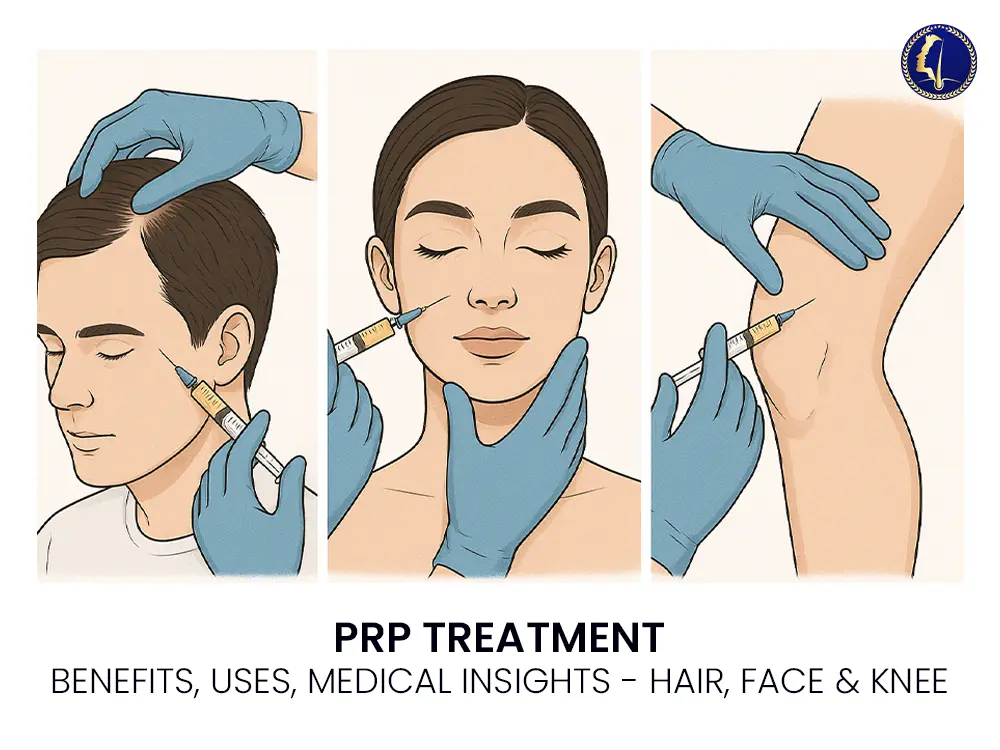
If you’ve been scrolling through social media or chatting with friends about the latest “tweakments,” you’ve likely heard of PRP treatment. Whether it’s called the “Vampire Facial” or a miracle for thinning hair, Platelet-Rich Plasma (PRP) has become a staple in Malaysia’s aesthetic and medical scene. It’s natural, it’s versatile, and it uses your own body to do the heavy lifting. GLOJAS Specialist Clinic offers premier PRP treatments in Malaysia, utilizing advanced hair restoration and skin rejuvenation techniques to deliver natural, long-lasting results for every patient. What Is PRP Treatment? At its core, PRP treatment is a regenerative therapy that uses a concentrated version of your own blood to speed up healing and stimulate growth. Because it is autologous (meaning it comes from you), the risk of allergic reactions is virtually zero. It’s essentially “liquid gold” for your skin, hair, and joints. How PRP Treatment Works The magic isn’t in a synthetic chemical; it’s in your blood’s innate ability to repair itself. PRP Mechanism: Platelets & Growth Factors Your blood contains platelets, which are famous for clotting but even better at healing. When concentrated, these platelets release growth factors that act like messengers, telling your cells to produce more collagen, repair damaged tissue, and improve blood circulation in the treated area. Procedure Steps: What to Expect Blood Draw: A small amount of blood (similar to a routine lab test) is taken from your arm. Centrifugation: The blood is placed in a centrifuge machine that spins at high speeds to separate the plasma from the red blood cells. Activation: The golden, platelet-rich plasma is collected. Injection: The PRP is carefully injected or microneedled into the target area (scalp, face, or joint). Types of PRP Treatment In Malaysia, PRP isn’t just a one-trick pony. It’s widely used across three main categories: PRP for Hair Loss This is a game-changer for those dealing with androgenetic alopecia or general thinning. By injecting PRP into the scalp, the growth factors wake up dormant hair follicles, leading to thicker, healthier strands. PRP for Skin Rejuvenation Often paired with microneedling, this treatment—popularized as the Vampire Facial—targets fine lines, acne scars, and dullness. It’s a favorite for those seeking a natural glow-up without synthetic fillers. PRP for Joint Pain & Orthopedic Use Athletes and those with osteoarthritis often turn to PRP to manage knee or joint pain. It helps reduce inflammation and can potentially slow down cartilage degeneration. Benefits of PRP Treatment Why is everyone in KL and Penang talking about this? Because the results are backed by biology. Improved Healing & Tissue Regeneration Whether it’s a sports injury or a stubborn acne scar, PRP accelerates the body’s repair timeline. It’s often used post-surgery to help tissues knit back together faster. Hair Growth & Thicker Hair Unlike topical solutions that you have to apply every single day, PRP works at the follicle level. Many patients see a significant reduction in hair fall and an increase in hair density after a few sessions. Younger, Firmer Skin By boosting collagen and elastin, PRP helps tighten sagging skin and smooth out those pesky “smile lines.” Risks & Side Effects While PRP is very safe, it’s still a medical procedure. Common Mild Reactions Swelling and Redness: Usually subsides within 24–48 hours. Bruising: Small bruises at the injection site are common but temporary. Tenderness: The area might feel a bit sore for a day or two. Rare Complications Though rare, if the procedure isn’t done in a sterile environment, there is a small risk of infection or nerve injury. This is why choosing a certified medical clinic is non-negotiable. PRP Treatment Cost in Malaysia Let’s talk numbers. The cost of PRP can vary quite a bit depending on where you go and what you’re treating. Price Range by Clinic On average, a single session of PRP in Malaysia costs between RM 1,000 and RM 3,500. Hair Loss: RM 1,500 – RM 3,000 per session. Facial Rejuvenation: RM 1,200 – RM 2,800 per session. Joint Injections: RM 2,000 – RM 4,500 per session. Factors Affecting Cost Clinic Location: Expect to pay more in prime areas like Bangsar or Bukit Bintang. Doctor’s Expertise: Specialist dermatologists or orthopedic surgeons often charge higher fees than general aesthetic doctors. Technology Used: Some clinics use advanced kits that produce a higher concentration of platelets, which can increase the price. Choosing the Right PRP Clinic in Malaysia Don’t just go for the cheapest “groupon” deal you find. Your safety comes first. Certifications & Experience Ensure the clinic is registered with the Ministry of Health (MOH) and the doctor holds a valid Letter of Credentialing and Privileging (LCP) for aesthetic medical practice. Patient Reviews & Before-After Results Check Google reviews and ask to see real “before and after” photos of previous patients. A reputable clinic will be transparent about the results you can realistically expect. PRP Treatment FAQs How Long Do Results Last? For skin and hair, results typically last 6 to 18 months. Maintenance sessions once or twice a year are usually recommended to keep the glow (or the hair) going. Is PRP Painful? It’s more “uncomfortable” than painful. Most clinics apply a topical numbing cream before the injections to make the process as breezy as possible. How Many Sessions Do You Need? Most experts recommend an initial series of 3 to 6 sessions, spaced about 4 weeks apart, for optimal results. Conclusion: Is PRP Treatment Right for You? If you’re looking for a natural, low-risk way to tackle hair thinning, skin aging, or joint discomfort, PRP is a fantastic option. It’s not an “instant fix,” but for those who value long-term health and natural-looking results, it’s worth the investment.
Recognizing the Signs of Aging: What to Expect and How to Address Them
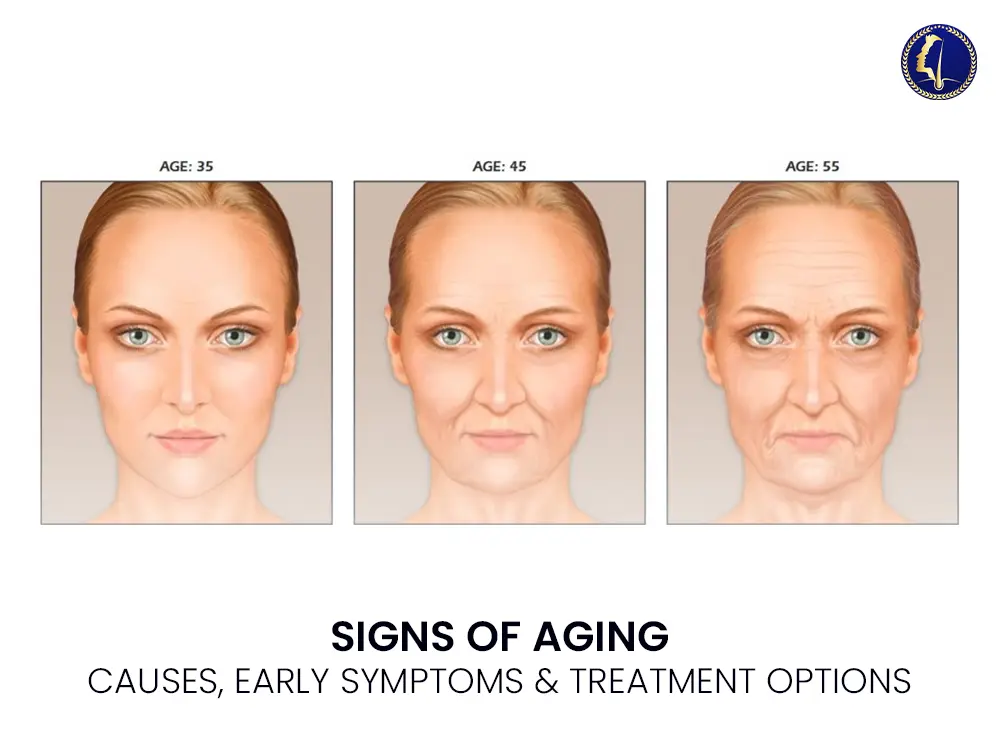
Signs of Aging Introduction Aging is a complex biological process influenced by both intrinsic and extrinsic factors. While it is a natural part of life, the visible signs of aging can affect an individual’s appearance, self-esteem, and overall skin health. This article provides a comprehensive overview of the most common signs of aging, their clinical causes, and evidence-based treatment options—guided by medical understanding and dermatological science. What Are the Common Signs of Aging? The signs of aging manifest differently for each individual, influenced by genetics, lifestyle, environment, and underlying health conditions. Below are the most clinically recognized dermatological signs: 1. Fine Lines and Wrinkles These are among the earliest and most noticeable signs. Wrinkles typically appear due to the breakdown of collagen and elastin—key proteins that support skin firmness and elasticity. Dynamic wrinkles (e.g., crow’s feet) result from repeated facial expressions. Static wrinkles form over time due to volume loss and skin laxity. 2. Loss of Skin Elasticity and Sagging As skin ages, it loses structural support due to the degradation of collagen and hyaluronic acid. This results in sagging skin, especially around the cheeks, jawline, and neck. 3. Age Spots and Hyperpigmentation Also known as solar lentigines, age spots are flat, brown lesions caused by prolonged UV exposure. They indicate photoaging, a condition that accelerates skin aging. 4. Thinning Skin The epidermal and dermal layers gradually become thinner, making the skin appear translucent and more susceptible to bruising and damage. 5. Dryness and Texture Changes Sebum production decreases with age, leading to drier skin. Textural changes such as roughness or scaliness are common, especially in postmenopausal women. 6. Volume Loss (Fat and Muscle) Facial volume diminishes with age due to the reduction in subcutaneous fat, bone resorption, and muscle atrophy. This contributes to a hollow appearance around the eyes and cheeks. 7. Visible Blood Vessels and Redness Aging skin may exhibit telangiectasia (broken capillaries) and increased facial redness due to cumulative sun exposure and thinning skin. Causes of Aging: Intrinsic vs. Extrinsic Factors 🔬 Intrinsic Aging (Chronological Aging) Genetically programmed biological changes. Typically starts in the late 20s to early 30s. Slower skin cell turnover, reduced collagen synthesis, and hormonal shifts. 🌞 Extrinsic Aging (Environmental Factors) Ultraviolet (UV) radiation is the most significant external contributor (responsible for up to 90% of visible aging). Pollution, smoking, alcohol, stress, and diet also accelerate skin aging through oxidative stress and inflammation. Medical & Dermatological Treatment Options A range of treatments can help mitigate or reverse visible signs of aging, depending on the severity and type of concern. 1. Topical Treatments Retinoids (Tretinoin, Retinol): Stimulate collagen and improve cell turnover. Antioxidants (Vitamin C, E): Combat oxidative stress and brighten skin. Peptides: Help repair skin structure and signal cellular regeneration. Sunscreens: Essential for preventing further UV damage. 2. Non-Invasive Procedures Microneedling: Enhances collagen production via controlled skin injury. Chemical Peels: Exfoliate damaged skin layers and improve tone/texture. Laser Therapy (e.g., Fraxel): Targets pigmentation and wrinkles. Radiofrequency and Ultrasound: Tighten skin by stimulating deeper dermal layers. 3. Injectables Botulinum Toxin (Botox): Reduces dynamic wrinkles. Dermal Fillers (Hyaluronic Acid, Sculptra): Restore volume and smooth folds. 4. Lifestyle Modifications Hydration, a nutrient-rich diet, avoiding smoking, and managing stress support overall skin health and slow the aging process. Preventive Care & Patient Education Educating patients on preventive measures is key to managing aging effectively: Daily broad-spectrum sunscreen (SPF 30+) Gentle skincare routines avoiding harsh scrubs Regular dermatological check-ups Avoidance of tanning beds and excessive sun exposure Antioxidant-rich diet and hydration Dermatologists and medical professionals should personalize treatment plans based on skin type, Fitzpatrick classification, and individual aging patterns. Frequently Asked Questions (FAQs) 1. What age do signs of aging usually appear? Most people begin to notice early signs like fine lines in their late 20s to early 30s, although genetics and lifestyle can accelerate or delay this process. 2. Can aging be reversed? While aging can’t be completely reversed, medical treatments such as retinoids, microneedling, and laser therapy can significantly reduce the appearance of aging signs. 3. Are over-the-counter anti-aging creams effective? Some OTC products with ingredients like retinol, peptides, and vitamin C can improve mild signs of aging, though clinical-grade treatments often yield more dramatic results. 4. How does sun exposure affect skin aging? UV radiation is a primary cause of extrinsic aging, leading to pigmentation, collagen breakdown, and increased skin laxity. 5. Is microneedling safe for aging skin? Yes, when performed by a qualified medical professional, microneedling is safe and effective for stimulating collagen and improving skin texture in aging individuals. Conclusion Understanding the signs of aging from a medical and dermatological perspective empowers both patients and providers to take proactive steps. Whether you’re in your 30s or 60s, there’s a range of safe, evidence-based interventions to maintain skin health and confidence. Consult a board-certified dermatologist to develop a tailored plan aligned with your skin’s unique needs and aging profile. The signs of aging can appear earlier than expected if proper skincare is not maintained. Common signs of aging include fine lines, wrinkles, sagging skin, and age spots. Recognizing the signs of aging early allows individuals to address these signs of aging with appropriate treatments. Dermatologists often assess the signs of aging to determine the best anti-aging strategy. Whether it’s lifestyle changes or clinical interventions, understanding the signs of aging is key to managing the visible signs of aging over time.
Tips Kecantikan Kulit Wajah: Pendekatan Dermatologi untuk Kulit Sihat dan Berseri
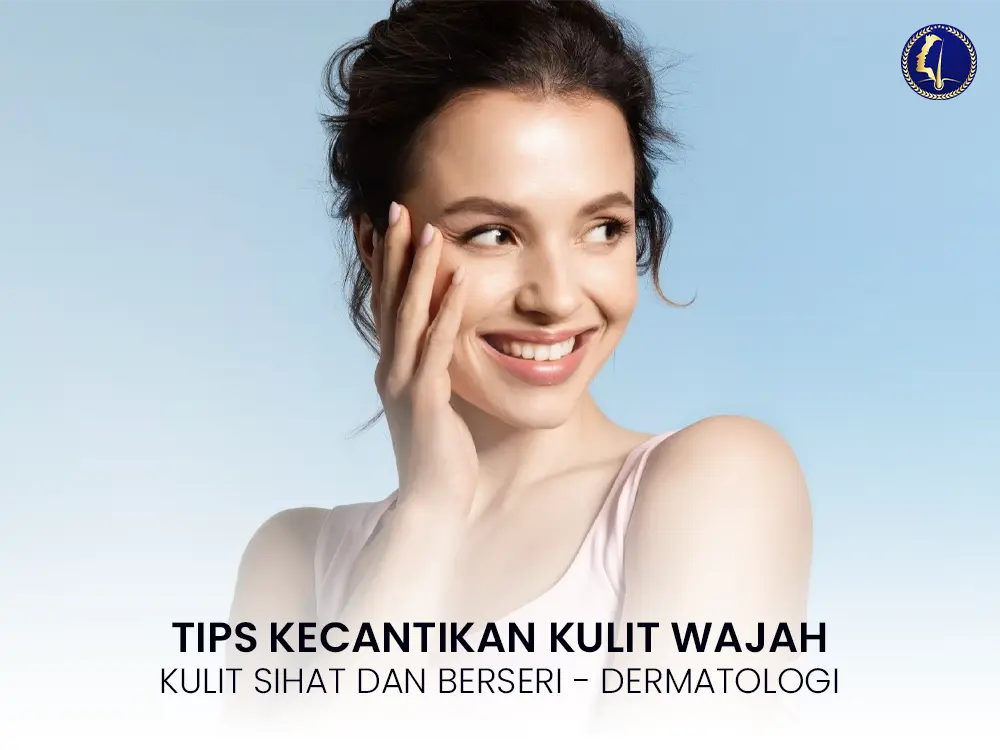
Tips Kecantikan Kulit Wajah Penjagaan kulit wajah bukan sahaja berkait dengan aspek kosmetik tetapi juga kesihatan dermatologi. Kulit merupakan organ paling besar dan berperanan sebagai pelindung utama terhadap faktor luaran seperti pencemaran, sinaran UV dan jangkitan. Oleh itu, memahami cara penjagaan kulit yang betul dari sudut perubatan oleh klinik kecantikan kuala lumpur adalah penting untuk mencegah masalah seperti jerawat, hiperpigmentasi, dan penuaan pramatang. Artikel ini menghimpunkan tips kecantikan kulit wajah yang disokong oleh sains dermatologi, serta praktikal untuk diamalkan oleh semua jenis kulit. 1. Pembersihan Wajah yang Tepat Langkah paling asas dan penting dalam rutin penjagaan kulit adalah pembersihan wajah. Pembersih yang betul membantu menghapuskan kotoran, sebum berlebihan, dan sisa solekan yang boleh menyumbat pori-pori. Cadangan dermatologi: Gunakan pembersih ber-pH seimbang (5.5) untuk mengekalkan lapisan asid semula jadi kulit. Elakkan sabun yang keras kerana boleh mengganggu mikrobiom kulit. 2. Penggunaan Bahan Aktif Berdasarkan Masalah Kulit Rawatan kulit yang berkesan perlu disesuaikan dengan masalah kulit individu. Berikut adalah bahan aktif yang terbukti secara klinikal: Niacinamide: Mengurangkan kemerahan, memperbaiki fungsi penghadang kulit. Retinoid: Melawan tanda-tanda penuaan dan mempercepatkan pembaharuan sel. Salicylic Acid: Sesuai untuk kulit berjerawat kerana ia menembusi pori dan menyingkirkan minyak tersumbat. Vitamin C: Antioksidan kuat yang mencerahkan kulit dan mengurangkan pigmentasi. 3. Perlindungan Matahari Setiap Hari Pendedahan kepada sinaran UV adalah punca utama penuaan kulit dan pigmentasi. Justeru, penggunaan pelindung matahari (sunscreen) dengan sekurang-kurangnya SPF 30 adalah wajib walaupun berada dalam rumah atau cuaca mendung. Nota klinikal: Sinar UVA menembusi awan dan kaca tingkap. Gunakan sunscreen spektrum luas (broad-spectrum) dan ulang sapuan setiap 2 jam jika berpeluh atau berenang. 4. Hidrasi dan Penggunaan Pelembap Kulit yang terhidrat dengan baik lebih sihat dan tahan terhadap iritasi. Kekeringan boleh merosakkan lapisan pelindung kulit dan menyebabkan kulit kelihatan kusam. Rekomendasi: Gunakan pelembap mengandungi humektan seperti glycerin dan hyaluronic acid. Amalkan pengambilan air mencukupi (minimum 2 liter sehari) untuk sokongan dalaman. 5. Amalan Gaya Hidup Sihat Faktor dalaman juga mempengaruhi kesihatan kulit. Ini termasuk: Tidur mencukupi: Regenerasi kulit berlaku semasa tidur malam. Diet seimbang: Antioksidan dari sayur dan buah membantu melindungi sel kulit. Pengurangan tekanan: Tekanan berlebihan boleh meningkatkan hormon kortisol yang mencetuskan jerawat. Kepentingan Rutin Malam Berbanding Siang Pada waktu malam, kulit berada dalam fasa pemulihan. Oleh itu, produk aktif seperti retinoid dan AHA paling sesuai digunakan pada waktu malam. Waktu siang pula perlu memberi fokus pada perlindungan dan hidrasi. Kebersihan Alat Solek dan Sarung Bantal Bersihkan berus solekan seminggu sekali untuk mencegah pertumbuhan bakteria. Tukar sarung bantal sekurang-kurangnya dua kali seminggu bagi mengelakkan penularan minyak dan kotoran pada wajah. Soalan Lazim (FAQ) Tentang Kecantikan Kulit Wajah 1. Adakah produk semulajadi lebih selamat berbanding produk kimia? Tidak semestinya. Bahan semula jadi juga boleh menyebabkan alahan. Yang penting ialah keselamatan dan keberkesanan bahan berdasarkan bukti klinikal, bukan sama ada ia semulajadi atau tidak. 2. Berapa kerap saya perlu melakukan eksfoliasi? Eksfoliasi (pengelupasan) perlu dilakukan 1–2 kali seminggu. Terlalu kerap boleh merosakkan lapisan pelindung kulit dan menyebabkan sensitiviti. 3. Adakah kulit berminyak perlu pelembap? Ya. Kulit berminyak masih memerlukan pelembap untuk mengekalkan keseimbangan hidrasi. Gunakan pelembap ringan dan bebas minyak (oil-free). 4. Bolehkah jerawat dipicit untuk mempercepatkan penyembuhan? Tidak digalakkan. Memicit jerawat boleh menyebabkan keradangan lebih teruk dan berisiko meninggalkan parut kekal. 5. Apakah usia sesuai untuk mula menggunakan produk anti-penuaan? Secara umum, usia pertengahan 20-an adalah sesuai untuk mula menggunakan produk pencegahan seperti antioksidan dan retinoid ringan, bergantung kepada jenis kulit. Kesimpulan Kecantikan kulit wajah memerlukan pendekatan menyeluruh yang melibatkan rutin harian, pemilihan produk berdasarkan sains dermatologi, dan gaya hidup sihat. Pengetahuan tentang fungsi bahan aktif dan kepentingan perlindungan matahari akan membantu mencegah masalah kulit dari awal lagi. Sebarang rawatan kulit yang melibatkan perubahan besar, seperti penggunaan retinoid atau prosedur klinikal, wajar dilakukan di bawah pengawasan pakar dermatologi bertauliah.
Kulit Gatal dan Merah: Punca, Tanda-Tanda & Rawatan Dermatologi Selamat
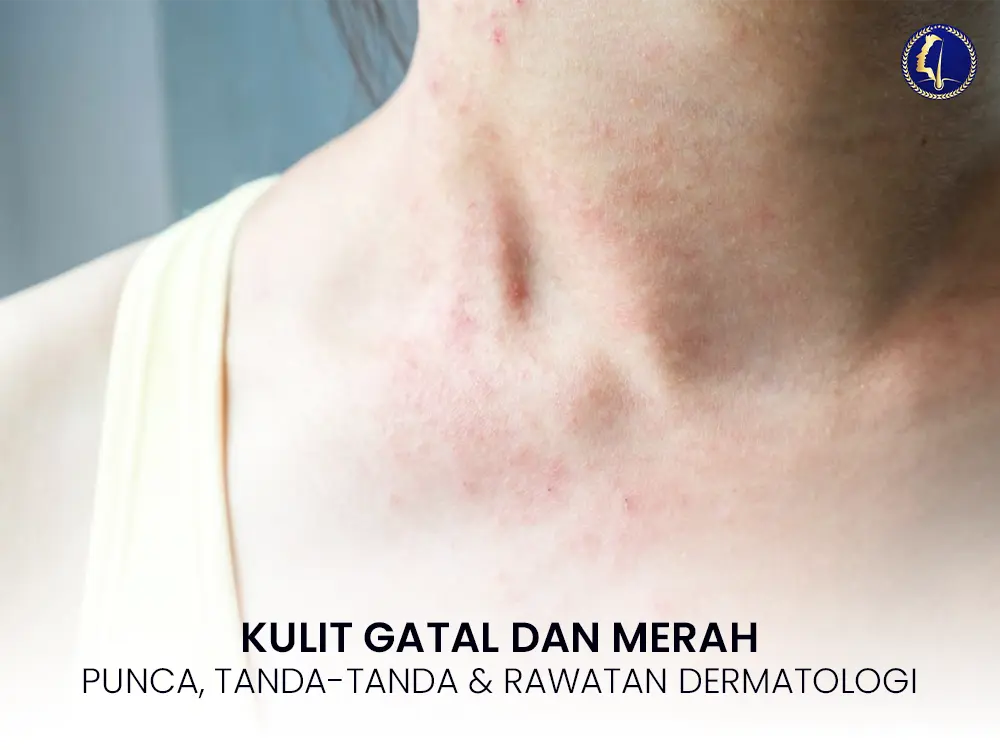
Kulit Gatal dan Merah Masalah kulit gatal dan merah adalah antara aduan kulit paling biasa di Malaysia. Ia boleh berpunca daripada pelbagai faktor seperti alergi, iritasi, jangkitan, atau keadaan kulit kronik seperti ekzema. Simptom ini bukan sahaja menjejaskan penampilan, malah boleh mengganggu keselesaan harian dan kualiti hidup. Dalam artikel ini, kami kongsikan info penting mengenai punca, gejala, dan rawatan kulit gatal dan merah yang selamat serta disyorkan oleh pakar dermatologi. 🔍 Apakah Punca Kulit Gatal dan Merah? Kulit menjadi merah dan gatal apabila berlaku keradangan atau reaksi alahan pada permukaan kulit. Antara punca biasa termasuk: 1. Ekzema (Dermatitis Atopik) Keadaan kronik yang menyebabkan kulit menjadi kering, bersisik, dan sangat gatal. Biasanya menyerang kanak-kanak dan boleh berulang. 2. Alergi Kulit (Contact Dermatitis) Berlaku apabila kulit bersentuhan dengan bahan pencetus seperti sabun, kosmetik, logam atau lateks. Boleh menyebabkan ruam merah, melepuh, atau rasa pedih. 3. Ruam Haba (Heat Rash) Berlaku apabila liang peluh tersumbat, terutama dalam cuaca panas dan lembap. Ruam merah kecil muncul bersama kegatalan. 4. Jangkitan Kulit (Fungal/Bacterial) Cendawan seperti tinea (kurap) atau bakteria boleh menyebabkan ruam merah yang merebak. Biasanya disertai rasa pedih, berair atau bersisik. 5. Ubat-ubatan atau Makanan Reaksi alahan terhadap ubat atau makanan tertentu juga boleh menyebabkan kulit gatal secara tiba-tiba. 🩺 Simptom yang Perlu Diberi Perhatian Selain kegatalan dan kemerahan, perhatikan simptom lain seperti: Kulit melepuh atau berair Kulit mengelupas atau bersisik Rasa pedih atau panas pada kawasan terlibat Pembengkakan di sekitar ruam Gatal yang teruk hingga mengganggu tidur 🧴 Rawatan untuk Kulit Gatal dan Merah Rawatan bergantung pada punca dan tahap keterukan. Antara rawatan umum yang disarankan oleh pakar kulit termasuk: 🔹 Krim Steroid Ringan Untuk mengurangkan keradangan dan gatal, terutama jika ekzema atau dermatitis. 🔹 Krim Anti-Fungal atau Anti-Bakteria Jika berpunca daripada jangkitan, rawatan topikal diperlukan. 🔹 Antihistamin Oral Membantu mengawal gatal yang disebabkan oleh alahan atau ruam. 🔹 Pelembap Kulit Medikal Untuk memulihkan lapisan pelindung kulit yang rosak, terutama dalam kes ekzema. 🔹 Elakkan Pencetus (Trigger) Kenal pasti dan elakkan bahan atau keadaan yang menyebabkan iritasi kulit. 👨⚕️ Bila Perlu Jumpa Doktor atau Pakar Kulit? Jumpa doktor sekiranya: Simptom berlarutan lebih dari 3–5 hari Gatal sangat teruk hingga mengganggu tidur Kulit mula berair, berdarah atau bernanah Ubat sapuan tidak menunjukkan kesan Anda tidak pasti puncanya Klinik kulit atau pakar dermatologi boleh melakukan ujian alergi atau kulit untuk diagnosis lebih tepat. 💡 Cara Mencegah Kulit Gatal dan Merah Gunakan sabun tanpa pewangi atau alkohol Elakkan menggaru kawasan gatal Pakai pakaian longgar & menyerap peluh Jaga kelembapan kulit dengan losyen Amalkan diet seimbang dan minum air secukupnya 📍 Kesimpulan: Rawat Kulit Gatal dan Merah dengan Selamat Kulit gatal dan merah boleh sembuh sepenuhnya jika dikenal pasti awal dan dirawat dengan betul. Jangan abaikan simptom, terutama jika berulang atau bertambah teruk. Dapatkan nasihat profesional daripada pakar kulit berdaftar di klinik yang diiktiraf. 📞 Ingin mendapatkan rawatan kulit gatal dan merah yang selamat? Hubungi klinik kulit & kecantikan glojas untuk konsultasi lanjut dan rawatan peribadi daripada doktor bertauliah.
Whiteheads: Causes, Treatment & How to Prevent Acne Bumps Effectively
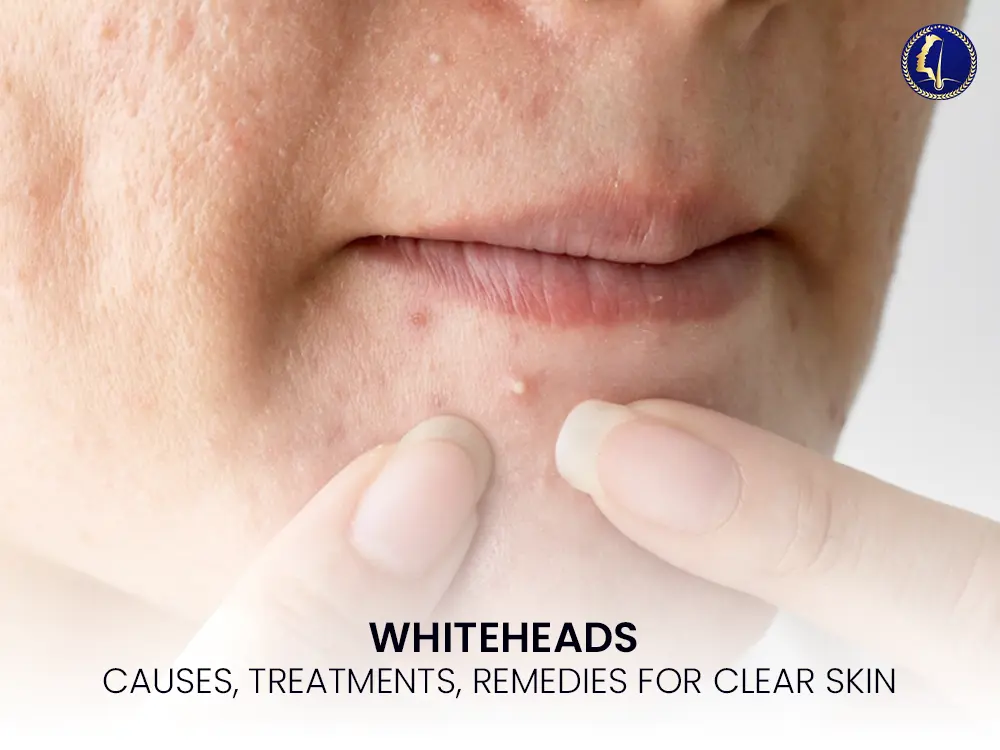
What Are Whiteheads? Whiteheads are a form of acne (acne vulgaris), also known as closed comedones. They pop up when your pores get clogged with sebum (amount of oil), dead skin cells, and other debris. Whiteheads and blackheads are two different things which blackheads have an open pore, whiteheads have a closed opening, giving them that characteristic white or flesh-colored bump. You’ll often find them on your face, especially on the nose, forehead, and chin. These pesky tiny bumps can be triggered by hormonal shifts, excess oil production, not enough exfoliation, or certain skincare products. While they’re usually harmless, ignoring them can lead to inflammation, bacterial infections, or even acne scars. To prevent whiteheads, you can try gentle exfoliation, topical retinoids, salicylic acid, chemical peels, or even professional extractions at a dermatology or aesthetic clinic. Sticking to a consistent skincare routine and opting for non-comedogenic products can really help keep them at bay. Causes of Whiteheads 1. Excess Sebum (Oil) Production Hormonal changes, particularly during puberty, menstruation, pregnancy, or stress, can increase oil production and clog pores. 2. Dead Skin Cell Accumulation If dead skin isn’t exfoliated properly, it mixes with oil and blocks the hair follicle, forming whiteheads. 3. Bacterial Growth The presence of Propionibacterium acnes bacteria inside clogged pores can worsen inflammation and lead to acne. 4. Hormonal Imbalances Fluctuations in hormones can cause the sebaceous glands to become overactive, leading to clogged follicles. 5. Pore-Clogging Skincare Products Using comedogenic (pore-clogging) makeup or skincare can trigger whitehead formation, especially in those with sensitive skin. 6. Diet & Stress While not the direct cause, high sugar, dairy, or processed foods, combined with elevated stress levels, may worsen whiteheads in some individuals. Where Do Whiteheads Commonly Appear? Whiteheads can affect any area with oil glands. Common locations include: Face (especially nose, chin, forehead) Chest and back Upper arms Buttocks and genitals These areas are prone to clogged pores due to increased oil production and friction from clothing or hygiene habits. Are Whiteheads Contagious? No — whiteheads are not contagious. You cannot spread it through skin-to-skin contact. They are caused by internal factors such as oil production and clogged follicles, not infections or viruses. How Long Do Whiteheads Last? With the right skincare routine, most whiteheads resolve within 3 to 7 days. However, without proper treatment or if frequently picked or squeezed, they may persist longer and result in skin irritation or scarring. Best Whitehead Removal Treatments In Malaysia Topical RetinoidsRetinoids speed up cell turnover, keeping pores clear and preventing new whiteheads. Studies show adapalene reduces acne lesions by up to 60% in 12 weeks. OTC options like Differin are mild, while tretinoin or tazarotene may require prescriptions for stronger results to treat whiteheads. Salicylic AcidA proven beta hydroxy acid, salicylic acid penetrates oil-filled pores to dissolve buildup. Research confirms regular use reduces comedones by 47% within 6 weeks. Found in cleansers, toners, and serums, it’s especially effective for oily or acne-prone skin types. Benzoyl PeroxideThis gold-standard acne treatment kills Cutibacterium acnes bacteria and calms inflammation. Clinical trials show a 50–70% reduction in acne within 8–12 weeks. Start with 2.5–5% to limit irritation before moving to stronger formulas if needed. Hydrocolloid Pimple PatchesHydrocolloid dressings absorb pus, oil, and debris, creating a moist environment that speeds healing. A study found they reduce lesion size within 24 hours. Teens love them for overnight use, and they also protect pimples from picking. Clay MasksRich in minerals, clay absorbs excess sebum and tightens pores. Research on kaolin and bentonite shows they reduce oil by 36% after consistent use. Applying 1–2 times a week helps prevent clogged pores and improves skin clarity over time. Professional Treatments Dermatologists or medical aesthetic specialists may recommend: Chemical peels Microdermabrasion Laser treatments Prescription-strength retinoids or oral antibiotics Home Remedies (Natural Options) While not substitutes for medical treatments, natural ingredients can support clearer skin: Tea Tree Oil: Natural antibacterial; use diluted with a carrier oil. Aloe Vera: Soothes inflammation and redness. Apple Cider Vinegar: Acts as a natural astringent. Green Tea: Rich in antioxidants, reduces sebum and soothes skin. Honey & Cinnamon: Antibacterial blend that calms breakouts. Prevention Tips Wash your face twice daily with a gentle cleanser. Exfoliate 2–3 times a week using chemical exfoliants (like salicylic acid). Avoid touching your face. Use non-comedogenic skincare and makeup. Change pillowcases regularly. Stay hydrated and eat a skin-friendly diet. Frequently Asked Questions 1. How do you get rid of whiteheads? Use gentle exfoliation, salicylic acid, or topical retinoids to clear clogged pores. Professional extraction or chemical peels at an aesthetic clinic can help stubborn cases. 2. What is the main cause of whiteheads? Whiteheads form when pores are clogged with sebum (oil), dead skin cells, and debris, often triggered by hormonal changes, stress, or certain skincare products. 3. Will whiteheads go away on their own? Mild whiteheads may clear naturally over time, but persistent ones often require skincare treatments or professional intervention to prevent scarring and new breakouts. 4. Should you squeeze whiteheads? No. Squeezing can cause inflammation, infection, and acne scars. It’s safer to use proper skincare or seek professional extraction. When to See a Professional If whiteheads: Do not improve with OTC treatments Appear persistently on the chest, back, or buttocks Cause emotional distress or affect your confidence → It’s time to consult a dermatologist or certified aesthetic doctor. GLOJAS offers expert-led consultations and tailored whitehead solutions in Kuala Lumpur. Reveal Clear, Smooth Skin with Expert Whitehead Treatment in Malaysia At GLOJAS Specialist Clinic, we believe that true skin confidence starts with expert care. Whether you’re facing recurring skin issues, looking to refresh your complexion, or want to explore advanced aesthetic treatments, our LCP-certified doctors are here to guide you every step of the way. Located in the heart of Kuala Lumpur, our clinic combines medical-grade technology with personalized care to deliver results that are safe, natural, and lasting. From clinical consultations to custom skincare solutions, GLOJAS offers a comprehensive approach tailored to your skin’s unique needs. View this
Ultimate Guide to Lip Filler: 5 Key Facts You Should Know Before Treatment
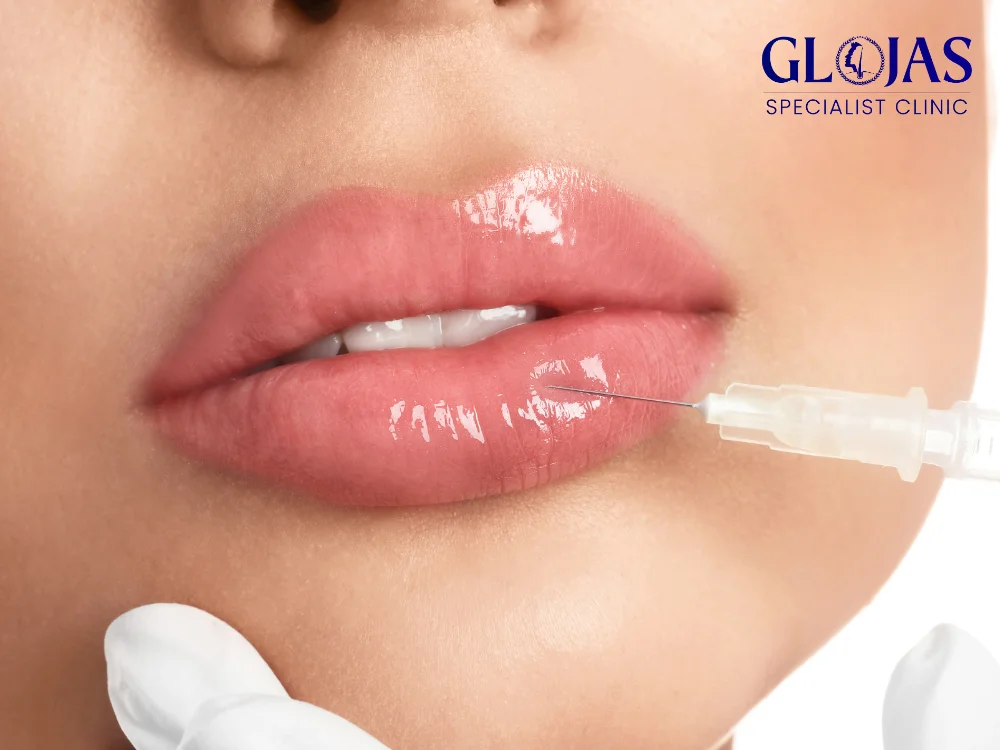
Lip filler treatments have surged in popularity over the past decade, thanks to celebrities and influencers showcasing fuller, plumper lips. Whether you’re seeking a subtle enhancement or more voluminous lips, lip filler procedures provide an effective, non-surgical option. If you’re considering getting lip fillers, it’s important to understand the process, the benefits, and the potential risks involved. In this guide, we will walk you through everything you need to know about lip filler treatments, how they work, what to expect, and some frequently asked questions. What is Lip Filler? Lip filler is a cosmetic treatment designed to enhance the volume and shape of the lips. The treatment involves injecting a gel-like substance, typically made from hyaluronic acid, into the lips. Hyaluronic acid is a naturally occurring substance in the body that retains moisture, making it an ideal choice for creating soft, natural-looking results. Common lip fillers on the market include products such as: Juvederm Restylane Belotero Each product varies slightly in composition, consistency, and longevity, giving you and your provider options based on your desired results. How Does Lip Filler Work? The process of getting lip filler is straightforward and typically takes about 30 minutes to an hour. Here’s a step-by-step breakdown of what happens during the procedure: Consultation: You’ll meet with a cosmetic professional to discuss your goals, desired lip shape, and volume. A qualified provider will assess your facial symmetry and advise on the best approach for natural-looking results. Numbing: To ensure a comfortable experience, a topical numbing cream or local anesthetic is applied to your lips. Most lip fillers also contain lidocaine to minimize discomfort during the injections. Injection: The provider uses a fine needle to inject the filler into specific areas of the lips, targeting the edges (for definition) or the body of the lips (for volume). Depending on your goals, the injections may be placed in various spots to achieve the perfect balance. Shaping and Smoothing: After the injections, the provider may gently massage the lips to ensure the filler is evenly distributed and that the shape looks natural. Post-Procedure Care: Once the procedure is complete, you’ll be given post-treatment care instructions to minimize swelling and bruising. Who is a Good Candidate for Lip Filler? The ideal candidate for lip filler is anyone looking to enhance the size, shape, or symmetry of their lips. Lip fillers can be customized to meet individual goals, whether you’re looking for a subtle enhancement or a more dramatic look. Candidates should be in good health and have realistic expectations. Other considerations that might make you a good candidate for lip fillers include: You have naturally thin lips and want more volume. You want to restore volume lost due to aging. You want to improve the symmetry between the upper and lower lips. You’re looking for temporary results that can be adjusted over time (as lip fillers are not permanent). If you have active oral infections (like cold sores), autoimmune conditions, or allergies to the filler ingredients, you may need to avoid this treatment or consult with your doctor first. Benefits of Lip Filler Treatment There are several reasons why people opt for lip filler treatments, and the benefits go beyond just aesthetics: Instant Results: Unlike some cosmetic treatments that require multiple sessions, lip fillers provide noticeable results immediately after the procedure. Minimal Downtime: You can usually return to your normal activities right after the treatment, with only mild swelling or bruising that subsides within a few days. Adjustable and Reversible: Since hyaluronic acid-based fillers are temporary, you have control over how much filler you want and can gradually build up to your desired look. If you’re unhappy with the results, the filler can be dissolved using an enzyme called hyaluronidase. Natural-Looking Results: Modern lip filler treatments are designed to look subtle and natural, especially when performed by an experienced injector. Improved Lip Shape and Structure: In addition to adding volume, lip fillers can help define the edges of the lips (the vermillion border), smooth out fine lines, and enhance the cupid’s bow. What to Expect During Recovery While the lip filler procedure itself is quick, the recovery process takes a few days. Here’s what you can expect after the treatment: Swelling and Bruising: Swelling is normal and typically lasts for 24 to 48 hours after the injections. Bruising may also occur but usually fades within a week. Applying ice and sleeping with your head elevated can help reduce swelling. Avoid Touching Your Lips: It’s essential to avoid touching, massaging, or pressing on your lips for the first 24 hours. This ensures the filler settles evenly and prevents shifting. Hydration: Drinking plenty of water helps maintain the results of your lip filler, as hyaluronic acid binds to moisture to keep your lips plump. Final Results: While you’ll see an immediate change, the final shape of your lips will settle within one to two weeks after the treatment. During this time, the swelling subsides, and the filler integrates with your tissue. How Long Do Lip Fillers Last? The longevity of lip filler results varies based on the type of filler used, the amount injected, and your body’s metabolism. On average, most lip fillers last between 6 to 12 months. However, some individuals may need touch-ups as early as 4 to 6 months, while others enjoy the results for over a year. Factors that influence the duration include: Metabolism: People with faster metabolisms may break down the filler more quickly. Type of Filler: Thicker fillers or those specifically designed for long-lasting effects may last longer. Lifestyle: Smoking or frequent sun exposure can accelerate the breakdown of fillers. Potential Risks and Side Effects While lip filler treatments are generally safe when performed by a qualified professional, there are some risks and side effects to be aware of. These include: Swelling and Bruising: Mild swelling and bruising are the most common side effects and typically resolve within a week. Lumps or Unevenness: In rare cases, lumps or
Best Depilatory Solutions: 5 Effective Methods for Smooth Skin
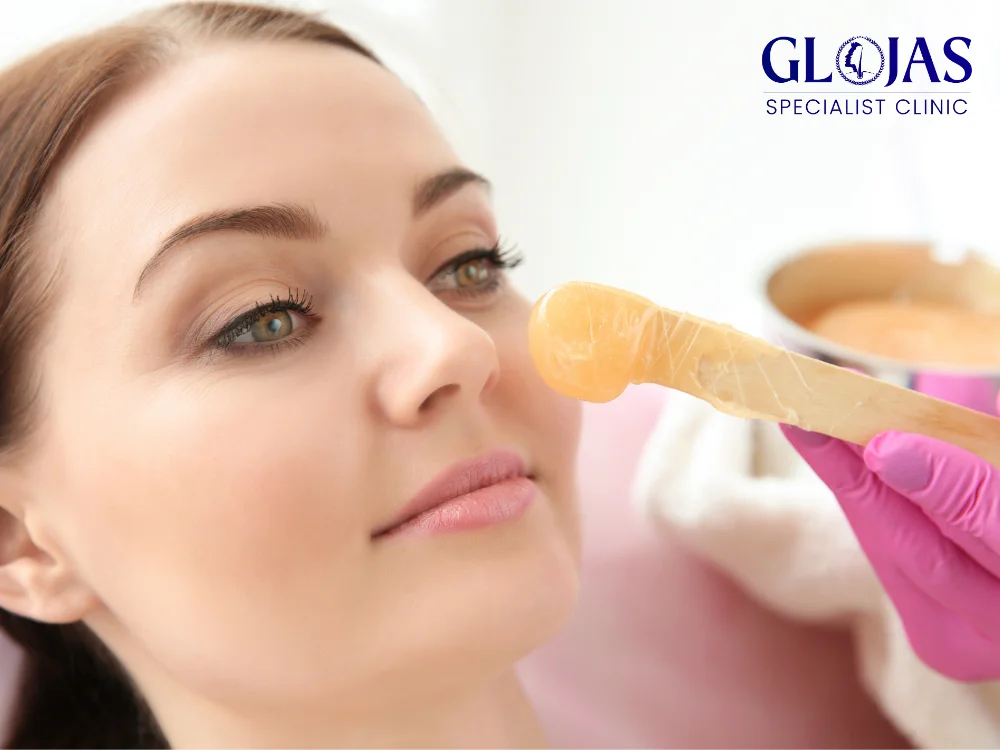
Hair removal can be a frustrating and ongoing battle for many individuals, leading them to seek out the most effective depilatory methods. While traditional options like shaving and waxing remain popular, advancements in technology, such as the Candela Gentle YAG Laser, have revolutionized the world of hair removal. In this article, we will explore the various depilatory methods available, including both temporary and permanent solutions, and highlight why Candela Gentle YAG Laser stands out as one of the top choices for long-term results. What Is a Depilatory? A depilatory refers to any product or method used to remove hair from the surface of the skin. Unlike epilation, which removes hair from the root (such as with waxing or tweezing), depilatories work by dissolving the part of the hair that is visible above the skin. Depilatory creams, lotions, and foams contain active chemical ingredients that break down the structure of hair, allowing it to be easily wiped away. Depilatories are often used for areas like the legs, arms, underarms, and bikini line, providing a quick and pain-free hair removal solution. However, because they do not remove the hair from the root, hair tends to regrow within a few days. Types of Depilatory Methods When it comes to hair removal, there are several depilatory methods available, each with its own pros and cons. Let’s explore five popular options: 1. Depilatory Creams One of the most common forms of depilatories is depilatory creams. These creams contain active ingredients, such as calcium thioglycolate, that dissolve hair proteins, making it easy to wipe the hair away. The process is painless, though there may be a slight odor due to the chemicals involved. Pros: Quick, affordable, and easy to use at home. Cons: Temporary results; hair typically regrows within a few days. 2. Shaving Although not technically a depilatory, shaving is one of the oldest and most widely used methods of hair removal. Shaving cuts hair at the surface of the skin, making it smooth to the touch. However, it only lasts for a few days before regrowth becomes noticeable. Pros: Fast, affordable, and convenient. Cons: Frequent maintenance required, potential for nicks, cuts, and razor burn. 3. Waxing Unlike depilatories that remove hair at the surface, waxing removes hair from the root. This method involves applying warm wax to the skin and quickly pulling it off, removing the hair along with it. Waxing can be painful, but the results last much longer than creams or shaving. Pros: Longer-lasting results (up to 4 weeks). Cons: Painful and can cause skin irritation or ingrown hairs. 4. Sugaring Similar to waxing, sugaring is another method that pulls hair from the root. However, sugaring uses a natural mixture of sugar, lemon juice, and water, which is considered gentler on the skin. Sugaring is ideal for sensitive skin and can reduce hair growth over time. Pros: Less painful than waxing, made from natural ingredients. Cons: Requires frequent treatments to maintain smooth skin. 5. Laser Hair Removal (Candela Gentle YAG Laser) One of the most effective long-term depilatory methods is laser hair removal, specifically with devices like the Candela Gentle YAG Laser. This advanced technology uses laser energy to target and destroy hair follicles, leading to permanent reduction in hair growth over multiple sessions. How the Candela Gentle YAG Laser Works The Candela Gentle YAG Laser is a highly effective solution for individuals with darker skin tones and those looking for a more permanent solution to hair removal. The YAG laser targets the hair follicles without damaging the surrounding skin, making it ideal for treating larger areas like the legs, back, and arms. Over the course of several sessions, the treated hair becomes finer, lighter, and eventually stops growing altogether. Pros: Permanent hair reduction, suitable for all skin types, and minimal discomfort. Cons: Requires multiple sessions (6-8 treatments), higher initial cost compared to other depilatory methods. Comparing Depilatory Creams to Candela Gentle YAG Laser When deciding between depilatory creams and laser treatments like the Candela Gentle YAG Laser, it’s important to consider your goals, budget, and time commitment. Let’s break down the key differences: Depilatory Creams Candela Gentle YAG Laser Cost: Affordable, usually $10-20 per bottle Cost: More expensive, but long-term investment Duration: Lasts a few days to a week Duration: Permanent hair reduction after several treatments Pain: Painless Pain: Minimal discomfort during sessions Skin Types: Best for lighter skin tones Skin Types: Safe for all skin tones, including darker skin Maintenance: Frequent reapplication needed Maintenance: Requires fewer touch-ups after initial sessions If you’re looking for a quick, temporary solution, depilatory creams are an easy and cost-effective choice. However, for those seeking long-term results and are tired of constant maintenance, laser hair removal with the Candela Gentle YAG Laser is the best option available. Benefits of Candela Gentle YAG Laser for Hair Removal Laser hair removal has become a popular choice for permanent hair reduction, and the Candela Gentle YAG Laser offers several distinct advantages: 1. Permanent Results Unlike other depilatory methods that require constant reapplication or maintenance, laser hair removal provides a permanent reduction in hair growth. After a series of treatments, you can enjoy smooth skin without the need for daily hair removal routines. 2. Safe for All Skin Types The Candela Gentle YAG Laser is particularly effective for individuals with darker skin tones, a group that can struggle to find suitable laser treatments. The YAG wavelength targets hair follicles without damaging surrounding skin, reducing the risk of hyperpigmentation or burns. 3. Minimal Downtime One of the major benefits of laser hair removal is the minimal downtime required. After a session, patients can return to their regular activities almost immediately, with only slight redness or sensitivity in the treated area. 4. Precision Targeting The laser technology used in the Candela Gentle YAG Laser allows for precise targeting of hair follicles, ensuring that only unwanted hair is treated. This minimizes the risk of irritation and promotes faster healing. 5. Less Painful Than Waxing While waxing pulls
Keloid Scar: What It Is, Symptoms, Treatment & Removal
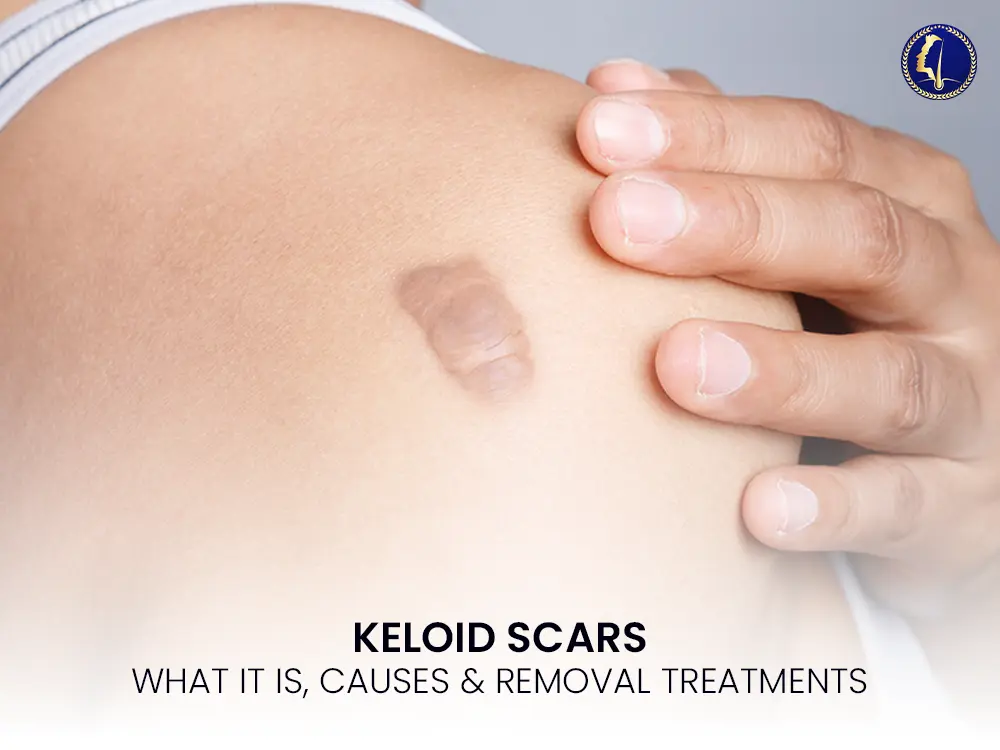
Keloid Scar Keloid scars are a common skin condition that can cause discomfort and affect a person’s confidence. Unlike regular scars, keloids continue to grow beyond the original wound site, forming raised, thickened areas of skin. While they are not harmful to overall health, many individuals seek treatment for aesthetic reasons. What Is a Keloid Scar? A keloid scar is an overgrowth of scar tissue that forms at the site of a healed skin injury. This excessive tissue growth occurs due to an overproduction of collagen during the healing process. Unlike normal scars, keloids extend beyond the boundaries of the original wound and do not regress over time. Causes of Keloid Scars Keloids can develop from various types of skin trauma, including: Surgical incisions Acne scars Piercings Burns Cuts or deep scratches Vaccination sites Some individuals are more prone to keloid formation due to genetic factors. Those with darker skin tones, particularly individuals of African, Hispanic, and Asian descent, have a higher risk of developing keloids. Symptoms of Keloid Scars Keloid scars have distinct characteristics that differentiate them from other types of scars. These include: Raised, thick, and firm texture – The scar feels hard and may continue to grow over time. Red, pink, or dark brown color – The color may vary depending on skin tone and the age of the scar. Itchiness and discomfort – Some individuals experience persistent itching or tenderness in the scarred area. Growth beyond the original wound site – Unlike hypertrophic scars, which stay within the wound’s boundary, keloids spread beyond the injury site. No natural fading over time – Keloid scars do not naturally shrink or fade like other types of scars. Keloid Scar Treatment & Removal While keloids are benign and do not pose health risks, they can be bothersome both physically and aesthetically. Fortunately, several treatment options can help flatten or remove keloid scars. Treatments may be available at dermatology clinics and aesthetic clinics specializing in scar management. 1. Corticosteroid Injections Corticosteroid injections, such as triamcinolone, are commonly used to shrink keloids. These injections work by reducing inflammation and collagen production, softening the scar over time. Multiple sessions are usually needed, spaced a few weeks apart. 2. Laser Treatment Laser therapy, particularly fractional CO2 laser and pulsed dye laser (PDL), can help improve the appearance of keloid scars. Laser treatments work by breaking down excess collagen and stimulating new skin regeneration. Many aesthetic clinics offer laser treatments as part of their scar management programs. 3. Cryotherapy (Freezing the Scar) Cryotherapy involves applying liquid nitrogen to the keloid, freezing and reducing its size. This method is most effective for smaller keloids and may be combined with other treatments like corticosteroid injections. 4. Surgical Removal For larger keloids, surgical excision may be an option. However, surgery alone carries a high risk of recurrence, so it is often combined with other treatments such as corticosteroid injections or radiation therapy. Some aesthetic clinics offer advanced surgical techniques with post-operative scar management to minimize regrowth. 5. Silicone Gel Sheets and Dressings Silicone gel sheets help flatten and soften keloid scars over time. They work by maintaining skin hydration and regulating collagen production. This is a non-invasive option that can be used at home or in conjunction with other treatments. 6. Radiofrequency Microneedling Some aesthetic clinics offer radiofrequency (RF) microneedling, which combines microneedling with controlled radiofrequency energy to break down scar tissue and promote smoother skin. This treatment is particularly useful for improving scar texture and reducing redness. 7. Radiation Therapy Radiation therapy is sometimes used after keloid removal surgery to reduce the chances of recurrence. It is a specialized treatment usually performed in medical or aesthetic clinics with expertise in scar management. 8. Topical Treatments Certain prescription creams, such as imiquimod and retinoids, may help reduce keloid scars’ size and appearance. These are often used as complementary treatments. Preventing Keloid Scars If you are prone to keloid scars, consider these preventive measures: Avoid unnecessary skin trauma – Be cautious with piercings, tattoos, and surgeries if you are susceptible to keloids. Use pressure dressings – After surgery or injury, silicone sheets or pressure dressings can help prevent keloid formation. Early treatment of wounds – Proper wound care, including keeping the wound clean and moisturized, can minimize excessive scarring. Sun protection – UV exposure can darken keloid scars, making them more noticeable. Apply sunscreen (SPF 30 or higher) to protect the area. Frequently Asked Questions (FAQs) 1. Can keloid scars be completely removed? While treatments can significantly reduce keloid scars’ size and appearance, complete removal without recurrence is challenging. Combining treatments, such as laser therapy with steroid injections, can yield the best results. 2. Do keloid scars hurt? Keloid scars are usually painless but can sometimes cause itching, tenderness, or discomfort, especially if they are located in an area prone to friction. 3. Are keloids contagious or cancerous? No, keloid scars are not contagious or cancerous. They are simply an overgrowth of scar tissue and pose no serious health risks. 4. Can I get keloids from acne scars? Yes, severe acne can lead to keloid formation, especially in individuals prone to excessive scar tissue development. Early acne treatment and scar management can help prevent keloids. 5. Which treatments are available at aesthetic clinics? Many aesthetic clinics offer laser therapy, corticosteroid injections, radiofrequency microneedling, cryotherapy, and surgical removal with post-treatment care to minimize scarring. Consulting a specialist can help determine the best treatment option for your keloid scars. Final Thoughts Keloid scars can be a frustrating skin condition, but with the right treatment, their appearance can be minimized. Whether you choose laser therapy, steroid injections, or surgical removal, it’s important to consult a specialist to find the best treatment for your skin type and scar severity. If you’re considering keloid removal, visiting an aesthetic clinic with expertise in scar management can help you achieve smoother, more even-toned skin. If you’re struggling with keloid scars, don’t hesitate to book a consultation with a dermatologist or aesthetic clinic to explore
Rawatan Laser untuk Pigmentasi: Penyelesaian Berkesan untuk Kulit Anda
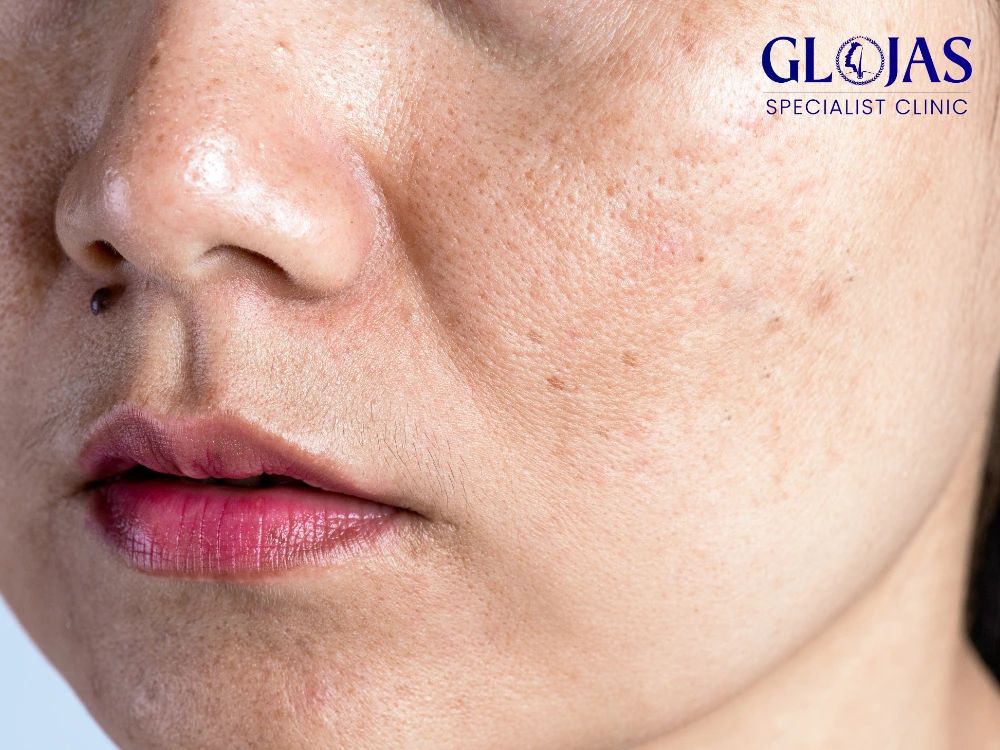
Pigmentasi kulit adalah masalah yang sering dihadapi oleh ramai orang di seluruh dunia. Ia boleh muncul dalam pelbagai bentuk seperti bintik-bintik hitam, tompok merah, dan perubahan warna kulit yang tidak sekata. Masalah ini sering disebabkan oleh faktor-faktor seperti pendedahan kepada sinaran UV, perubahan hormon, penuaan, dan faktor genetik. Bagi mereka yang ingin mengembalikan keserian kulit mereka, rawatan laser untuk pigmentasi telah menjadi pilihan yang semakin popular. Dalam artikel ini, kita akan membincangkan secara mendalam tentang rawatan laser untuk pigmentasi, cara ia berfungsi, jenis-jenis laser yang digunakan, dan langkah-langkah yang perlu diambil sebelum dan selepas prosedur. Apa Itu Pigmentasi Kulit? Pigmentasi kulit merujuk kepada perubahan warna pada kulit yang disebabkan oleh penghasilan melanin yang berlebihan atau kekurangan. Melanin adalah pigmen yang memberikan warna kepada kulit, rambut, dan mata. Apabila melanin dihasilkan secara berlebihan, ia boleh menyebabkan bintik-bintik gelap pada kulit. Sebaliknya, jika penghasilan melanin berkurangan, ia boleh menyebabkan tompok putih pada kulit. Terdapat beberapa jenis pigmentasi yang biasa, termasuk: Bintik Penuaan: Tompok gelap yang muncul akibat penuaan dan pendedahan kepada sinar matahari. Melasma: Pigmentasi yang sering berlaku pada wanita hamil atau mereka yang mengambil pil perancang. Bintik Matahari: Tompok-tompok gelap yang muncul akibat pendedahan berlebihan kepada sinar UV. Bagaimana Rawatan Laser untuk Pigmentasi Berfungsi? Rawatan laser untuk pigmentasi adalah prosedur yang menggunakan cahaya laser untuk menargetkan dan menghilangkan sel-sel yang menghasilkan melanin berlebihan. Terdapat beberapa jenis laser yang digunakan dalam rawatan ini, dan setiap satu berfungsi dengan cara yang sedikit berbeza. Prinsip Kerja Laser berfungsi dengan mengeluarkan cahaya yang sangat fokus yang diserap oleh melanin dalam kulit. Apabila cahaya laser diserap, ia menghasilkan haba yang memecahkan sel-sel melanin. Sel-sel ini kemudian dihapuskan oleh sistem imun badan, menjadikan kulit kelihatan lebih bersih dan cerah. Jenis-Jenis Rawatan Laser untuk Pigmentasi Laser Erbium YAG: Laser ini adalah pilihan popular untuk merawat pigmentasi kerana ia berfungsi pada lapisan permukaan kulit dan boleh memecahkan bintik-bintik tanpa merosakkan tisu sekeliling. Ia sesuai untuk kes-kes yang tidak terlalu serius dan memberikan pemulihan yang cepat. Laser CO2: Laser ini lebih agresif dan berfungsi dengan mengeluarkan lapisan kulit yang terjejas secara langsung. Ia lebih sesuai untuk kes-kes pigmentasi yang lebih teruk, tetapi memerlukan masa pemulihan yang lebih lama. Kelebihan laser CO2 adalah hasilnya yang ketara dalam masa yang singkat. Laser IPL (Intense Pulsed Light): Ini bukan laser dalam erti kata sebenar, tetapi ia menggunakan cahaya terang untuk merawat pigmentasi. Ia berfungsi dengan memecahkan melanin dan merangsang pengeluaran kolagen. Rawatan ini sangat baik untuk masalah kulit yang lebih umum, termasuk pigmentasi dan jerawat. Laser Nd:YAG: Laser ini digunakan untuk merawat pigmentasi yang lebih dalam, dan ia mampu menembusi ke dalam lapisan kulit yang lebih dalam. Ia berkesan untuk merawat bintik-bintik penuaan dan melasma. Kelebihan Rawatan Laser untuk Pigmentasi Terdapat banyak kelebihan yang menjadikan rawatan laser untuk pigmentasi pilihan yang menarik bagi ramai orang: 1. Hasil yang Cepat dan Efektif Salah satu kelebihan utama rawatan laser untuk pigmentasi adalah hasilnya yang cepat. Selepas hanya beberapa sesi, anda boleh melihat peningkatan yang ketara dalam penampilan kulit anda. Bintik-bintik gelap biasanya akan pudar, dan kulit akan kelihatan lebih cerah dan sekata. Proses ini biasanya memerlukan 3 hingga 5 sesi bergantung kepada keparahan pigmentasi. 2. Prosedur Minim Invasif Rawatan laser untuk pigmentasi adalah prosedur yang minim invasif, bermakna ia tidak memerlukan pembedahan besar. Pesakit biasanya boleh kembali ke aktiviti harian mereka dengan segera selepas sesi. Ini menjadikannya pilihan yang baik bagi mereka yang mempunyai jadual sibuk dan tidak dapat mengambil cuti panjang untuk pemulihan. 3. Risiko Kesan Sampingan yang Rendah Jika dilakukan oleh pakar yang berpengalaman, rawatan laser untuk pigmentasi mempunyai risiko kesan sampingan yang rendah. Kesan sampingan yang biasa mungkin termasuk kemerahan atau bengkak sementara, tetapi ini biasanya hilang dalam beberapa jam hingga beberapa hari. Dengan penjagaan yang betul, komplikasi serius adalah jarang berlaku. 4. Sesuai untuk Pelbagai Jenis Kulit Rawatan laser untuk pigmentasi boleh disesuaikan mengikut jenis kulit dan keperluan individu. Ini bermakna pesakit dengan pelbagai jenis dan warna kulit dapat menerima rawatan yang sesuai dengan keadaan mereka. Ini penting kerana sesetengah jenis kulit mungkin lebih sensitif kepada rawatan tertentu. Prosedur Rawatan Laser untuk Pigmentasi Sebelum memulakan rawatan, adalah penting untuk melakukan konsultasi dengan pakar kulit. Dalam sesi ini, doktor akan: Memeriksa kulit anda: Menentukan jenis pigmentasi yang anda alami dan sejauh mana keparahannya. Membincangkan pilihan rawatan: Menerangkan pelbagai pilihan rawatan yang tersedia dan memberikan nasihat tentang pilihan yang terbaik untuk keadaan anda. Menilai sejarah perubatan anda: Memastikan anda adalah calon yang sesuai untuk prosedur ini. Langkah-langkah dalam Prosedur Persiapan Kulit: Sebelum sesi, kulit akan dibersihkan dan mungkin akan disapukan krim anestetik untuk mengurangkan ketidakselesaan semasa rawatan. Ini penting bagi memastikan pesakit merasa selesa semasa prosedur. Proses Laser: Pakar akan menggunakan mesin laser untuk merawat kawasan yang terjejas. Proses ini biasanya berlangsung antara 15 hingga 30 minit, bergantung kepada kawasan yang dirawat. Semasa rawatan, pesakit mungkin merasakan sedikit ketidakselesaan, tetapi ini biasanya dapat ditangani dengan baik. Pemulihan: Selepas sesi, anda mungkin akan mengalami sedikit kemerahan atau bengkak. Ini adalah perkara biasa dan biasanya hilang dalam beberapa jam hingga beberapa hari. Doktor mungkin memberikan arahan mengenai penjagaan kulit selepas rawatan, termasuk cara menjaga kulit dan produk yang harus digunakan. Apa yang Perlu Diketahui Sebelum Melakukan Rawatan Laser untuk Pigmentasi Sebelum memutuskan untuk menjalani rawatan laser untuk pigmentasi, terdapat beberapa perkara yang perlu dipertimbangkan: 1. Pilih Pakar yang Berpengalaman Memilih pakar dermatologi atau pakar bedah plastik yang berpengalaman dalam rawatan laser adalah langkah penting. Pastikan mereka mempunyai kelayakan dan pengalaman yang mencukupi dalam melakukan prosedur ini. Anda boleh meminta rujukan atau membaca ulasan daripada pesakit lain untuk memastikan anda memilih pakar yang tepat. 2. Kenali Risiko dan Kesan Sampingan Walaupun rawatan laser untuk pigmentasi adalah prosedur yang selamat, ada risiko tertentu yang perlu anda ketahui. Ini termasuk risiko hipopigmentasi (penurunan warna kulit) atau hiperpigmentasi (peningkatan warna kulit) selepas rawatan. Pastikan anda membincangkan ini dengan pakar sebelum menjalani prosedur. 3. Tempoh Pemulihan Walaupun kebanyakan orang boleh kembali ke aktiviti harian mereka dengan cepat, ada baiknya anda merancang untuk memberi diri anda masa pemulihan yang mencukupi selepas sesi. Elakkan pendedahan langsung kepada matahari dan gunakan pelindung