
Understanding Nasolabial Folds (Smile Lines)
What Are Nasolabial Folds? A Definition
Nasolabial folds, commonly called smile lines, are the natural creases running from each side of the nose to the mouth corners. These facial folds deepen with age due to collagen loss, volume depletion, and repetitive muscle movement, forming a pronounced nasolabial sulcus distinct from surrounding facial anatomy.
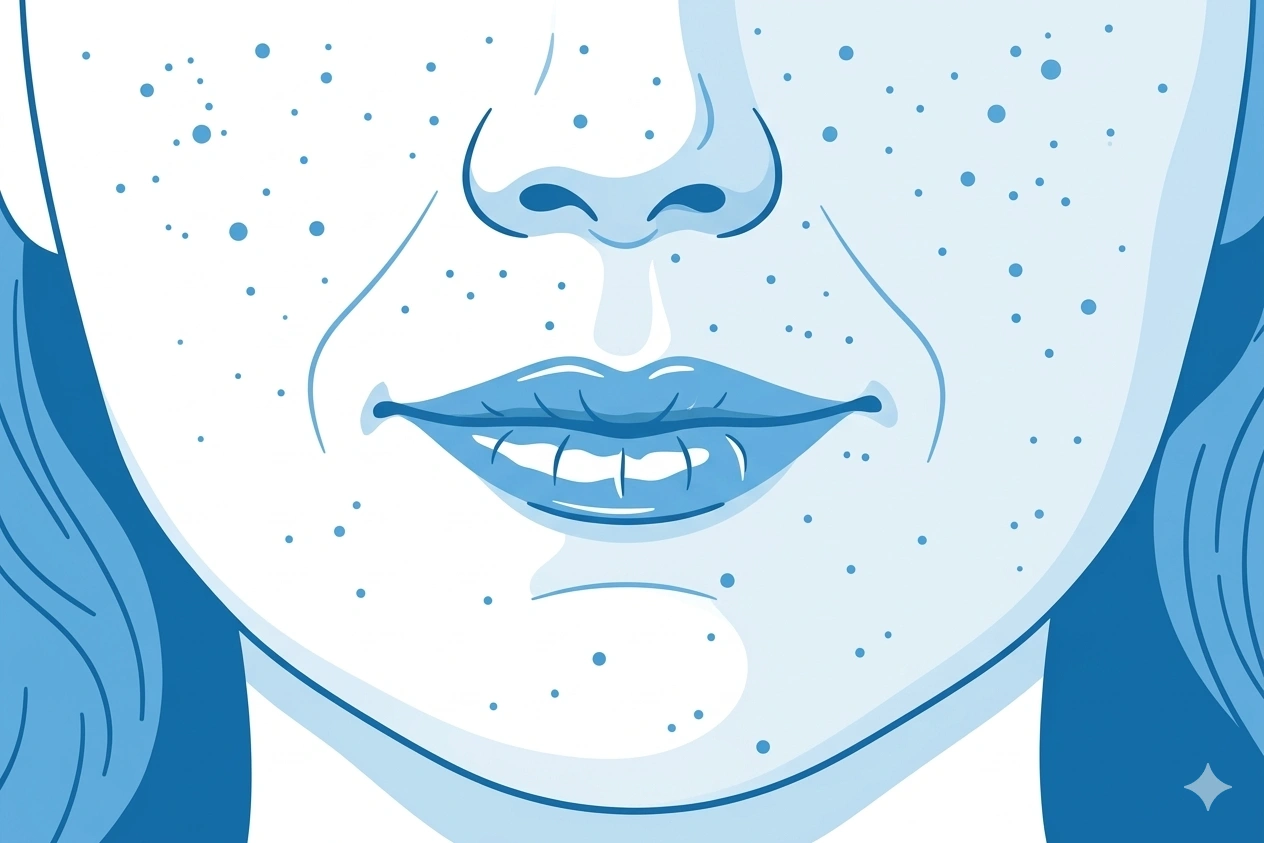
Nasolabial folds are the structural indentations extending from the nose to the corners of the mouth. Often called “smile lines,” these creases become more pronounced due to repetitive muscle movement and the natural descent of facial fat pads. In Malaysia, they are a primary concern for patients seeking a refreshed look.
Nasolabial Folds vs. Marionette Lines: Key Differences
While both indicate facial aging, their locations differ significantly. Nasolabial folds frame the upper mouth, whereas marionette lines run from the lip corners down toward the jawline. Distinguishing between them is crucial, as clinical anatomy for dermal fillers requires specific injection vectors for each area.
Why Smile Lines Develop: Age, Genetics & Lifestyle Factors
Smile lines appear when the skin’s structural integrity weakens over time. While facial expressions initiate these lines, age-related volume loss makes them permanent. Genetics play a massive role, determining skin thickness and bone structure, though external factors like UV exposure in tropical climates can accelerate their depth and visibility.
Causes of Nasolabial Folds
Collagen Depletion & Skin Elasticity Loss
As we age, the body’s production of collagen and elastin—the proteins responsible for skin firmness—slows down significantly. This leads to dermal thinning and laxity. Without this internal “spring,” the skin sags, causing the tissue above the mouth to fold over, creating a visible shadow and deep crease.
Facial Structure, Bone Resorption & Genetics
The skeleton provides the foundation for our facial features. Over time, maxillary bone resorption occurs, meaning the mid-face loses the volume that once “propped up” the skin. This skeletal recession, combined with genetic predispositions, causes the cheeks to collapse inward and downward, deepening the nasolabial appearance.
Lifestyle Factors: Sleep, Smoking & Sun Exposure in Malaysia
Malaysia’s intense UV radiation triggers photoaging, which destroys skin fibers much faster than chronological aging alone. Smoking further compromises blood flow, while side-sleeping can physically “etch” lines into the face. Research indicates that UV radiation exposure accounts for nearly 80% of visible facial aging signs in tropical regions.
Professional Treatments for Nasolabial Folds in Malaysia
Dermal Fillers for Nasolabial Folds: Hyaluronic Acid & Biostimulators
Injectables are the gold standard for non-surgical correction. Hyaluronic Acid (HA) fillers provide instant hydration and volume to “plump” the fold. Alternatively, biostimulators like Sculptra encourage the body to regenerate its own collagen. These FDA-cleared dermal fillers offer a subtle, natural-looking lift that softens deep shadows.
Laser Resurfacing & Skin Tightening for Smile Lines
Energy-based treatments like Fractional CO2 or Pico lasers target the skin’s surface to improve texture and stimulate repair. For deeper tightening, Ultherapy uses micro-focused ultrasound to lift the skin from the foundational layers. These treatments are ideal for patients experiencing mild to moderate skin sagging and loss of elasticity.
Thread Lifts for Nasolabial Fold Correction
A thread lift utilizes dissolvable PDO or PCL sutures to physically reposition sagging cheek tissue. By lifting the “heaviness” that hangs over the nasolabial line, the fold is smoothed out mechanically. This procedure offers a dual benefit: an immediate physical lift and long-term collagen stimulation as the threads dissolve.
Surgical Options: Facelift & Midface Lift
For individuals with severe skin laxity, surgical intervention may be the most effective route. A midface lift specifically targets the area between the eyes and the mouth, tightening deeper muscle structures. While requiring more downtime, surgery provides the most permanent results, often lasting over a decade.
Choosing a Clinic for Nasolabial Fold Treatment in Malaysia
What to Look for in a Licensed Aesthetic Doctor
In Malaysia, it is vital to select a practitioner with a Letter of Credentialing and Privileging (LCP). This certification, issued by the Ministry of Health Malaysia, ensures the doctor has met rigorous safety and competency standards for aesthetic procedures. Never settle for unlicensed beauty salons.
Before & After Photos: Evaluating Results
A reputable clinic should provide a gallery of authentic patient results. When reviewing these, look for a balance between correction and natural movement. The goal is a softer transition, not a completely flat, “frozen” face. High-quality results demonstrate the doctor’s artistic eye and technical precision.
Cost of Nasolabial Fold Treatments in Malaysia
Average Price for Dermal Fillers Per Syringe
As of 2026, the cost for premium HA fillers in Malaysia typically ranges from RM 1,800 to RM 3,000 per syringe. Depending on the depth of the folds, most patients require one to two syringes. Prices reflect the product’s brand, the clinic’s location, and the doctor’s level of expertise.
Laser, Thread Lift & Combination Treatment Pricing
Thread lifts generally start from RM 4,000, while advanced skin tightening lasers may cost RM 1,500 to RM 3,500 per session. Many clinics offer customized aesthetic packages that combine modalities for better value, ensuring all layers of the skin and underlying tissue are addressed for a holistic result.
Why Safety Matters More Than Price
Choosing “budget” injections from unqualified providers can lead to catastrophic complications like vascular occlusion or permanent scarring. Prioritizing medical-grade environments and genuine products ensures your safety. In the world of aesthetics, the cost of “fixing” a botched procedure far outweighs the price of doing it right initially.
Frequently Asked Questions About Nasolabial Folds
Are Fillers for Nasolabial Folds Painful?
The procedure is generally well-tolerated. Most high-end fillers are pre-mixed with Lidocaine, a local anesthetic that numbs the area instantly during injection. Doctors also apply topical numbing creams beforehand, ensuring the sensation is limited to a minor pinch or slight pressure during the treatment.
How Long Do Results Last for Smile Line Treatments?
Hyaluronic acid fillers typically last 9 to 15 months, whereas biostimulators can offer results for up to 2 years. Thread lifts usually maintain their lifting effect for about 12 to 18 months. Individual longevity depends on your metabolic rate, lifestyle, and how well you protect your skin from the sun.
What Are the Risks or Side Effects?
Common side effects include mild swelling, bruising, or tenderness, which usually resolve within a few days. While rare, more serious risks like filler migration or infection can occur if aftercare instructions aren’t followed. Choosing a licensed medical professional is the best way to mitigate these risks effectively.
Can Nasolabial Fold Treatments Be Combined?
Yes, combination therapy is often the most effective approach. For example, using Ultherapy to tighten the skin followed by dermal fillers to restore lost volume provides a comprehensive rejuvenation. This “sandwich” technique addresses both the surface wrinkles and the deeper structural causes of the nasolabial fold.