
Laser Hair Removal vs IPL: Which One Better?
If you’ve spent any time scrolling through beauty deals in Malaysia, you’ve probably seen “Laser Hair Removal” and “IPL” used almost interchangeably. It’s easy to assume they’re the same thing—after all, they both involve flashes of light and the promise of never picking up a razor again. However, in the world of aesthetics, they are actually worlds apart in terms of technology, safety, and how many sessions you’ll need to actually see results.
What Is Laser Hair Removal?
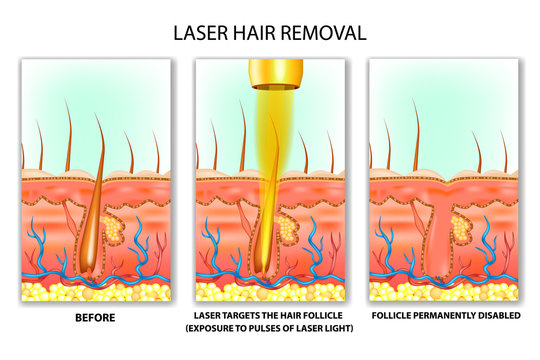
Laser hair removal is a medical procedure that uses a single, concentrated wavelength of light. Think of it like a sniper rifle: it’s incredibly precise, powerful, and designed to hit one specific target without affecting anything else.
How Laser Technology Targets Hair Follicles
The laser emits a beam that is absorbed by the melanin (pigment) in the hair. This light energy converts to heat, traveling down the hair shaft to the “bulb” to destroy the follicle. This process, known as selective photothermolysis, ensures the root is disabled while the surrounding skin stays cool.
Types of Medical Lasers Used in Malaysia
In Malaysian clinics, you’ll typically encounter three main types:
Alexandrite: Great for lighter skin tones.
Diode: A versatile “all-rounder” effective for many hair types.
Nd:YAG: The gold standard for tanned or deeper Malaysian skin tones because it bypasses surface melanin to reach the root safely.
Suitable Skin and Hair Types
Laser is most effective on dark, coarse hair. Thanks to the long-pulsed Nd:YAG laser, it is now highly safe and effective for the diverse range of skin tones found in Southeast Asia, from fair to deep complexions.
What Is IPL (Intense Pulsed Light)?

IPL isn’t actually a laser at all. While lasers use a single coherent beam, IPL uses a broad spectrum of light—kind of like a high-powered lightbulb.
How IPL Technology Works
IPL releases multiple wavelengths (colors) of light that scatter across the skin. Because the light is scattered and less focused, it isn’t as efficient at reaching the very bottom of the hair follicle compared to a concentrated laser beam.
Difference Between IPL and Medical-Grade Laser
The main difference is energy density. A medical-grade laser delivers a high dose of energy to a small, deep target. IPL delivers a lower dose of energy over a wider, shallower area. This is why IPL is often used for general skin rejuvenation (like fading sun spots) rather than just hair removal.
Suitable Candidates for IPL in Malaysia
IPL works best on those with very fair skin and very dark hair. Because the light is scattered, it can be “distracted” by pigment in the skin, which is why it’s generally less recommended for those with naturally darker or tanned skin.
Laser Hair Removal vs IPL: Key Differences
| Feature | Laser Hair Removal | IPL (Intense Pulsed Light) |
| Light Source | Monochromatic (Single wavelength) | Polychromatic (Broad spectrum) |
| Precision | High; targets individual follicles | Low; light scatters across the skin |
| Skin Safety | Safe for all skin tones (with Nd:YAG) | High risk for darker skin tones |
| Effectiveness | Fewer sessions, deeper penetration | More sessions, shallower impact |
Technology and Light Source
As noted by the American Society for Dermatologic Surgery, lasers produce a specific wavelength that is optimized for hair destruction. IPL uses a range of wavelengths, some of which are absorbed by the skin rather than the hair.
Precision and Targeting
Laser is a specialist; IPL is a generalist. The laser’s precision allows it to kill the hair at the root (the bulb), whereas IPL often just damages the hair shaft, leading to faster regrowth.
Effectiveness for Permanent Hair Reduction
Laser is significantly more effective for permanent hair reduction. Clinical studies often show that laser results in longer-lasting hair clearance compared to the temporary thinning often seen with IPL.
Safety for Malaysian Skin Types
This is a big one. For the diverse “Tan” to “Deep” skin tones in Malaysia, IPL carries a higher risk of “hot spots” which can lead to burns or Post-Inflammatory Hyperpigmentation (PIH). A specialized laser is almost always the safer bet here.
Pain Level and Comfort
Many modern lasers (like the Soprano Titanium) feature “In-Motion” technology and cooling tips, making them feel like a hot stone massage. IPL often feels like the “snap of a rubber band” against the skin, which can be quite spicy on sensitive areas.
Which Is More Effective for Permanent Hair Reduction?
Number of Sessions Required
Laser: Usually 6 to 8 sessions for 80-90% reduction.
IPL: Often requires 12 to 15+ sessions, and even then, hair may still return.
Long-Term Results Comparison
Laser offers true reduction where follicles are actually destroyed. IPL often results in “stunted” hair growth, meaning the hair might go dormant for a while but eventually returns as fine fuzz.
Maintenance Requirements
With laser, you might need a touch-up once a year. With IPL, many find they need to return every few months to keep the area smooth.
Safety Comparison: Laser vs IPL
Risk of Burns and Pigmentation
Because IPL light is absorbed by all pigment (not just hair), it can heat up the skin itself. This increases the risk of blistering or “striping” marks on the skin.
Suitability for Darker Skin Tones
According to the British Association of Dermatologists, choosing the wrong light device for darker skin can result in permanent pigment loss or scarring. This is why Nd:YAG lasers are the preferred medical choice for darker complexions.
Importance of Qualified Medical Providers in Malaysia
In Malaysia, “Beautician-grade” IPL is common in malls, but medical lasers can only be operated in clinics licensed by the Ministry of Health (MOH). Always check for an LCP (Letter of Credentialing and Privileging) holder to ensure you’re in safe hands.
Cost Comparison in Malaysia
Average Price Per Session
IPL: RM50 – RM200 (Cheap, but you need way more sessions).
Laser: RM200 – RM800 (More expensive upfront, but cheaper long-term).
Package Pricing Differences
Most Malaysian clinics offer 6-session packages. While the IPL package looks cheaper on the flyer, you often end up buying two or three packages to get the same result as one laser package.
Cost vs Effectiveness Analysis
If you value your time, laser wins. If you calculate the “cost per hair removed,” laser is actually the more economical choice over a two-year period.
Pros and Cons of Laser Hair Removal
Advantages
Works on all skin tones.
Fewer sessions needed.
More comfortable (with cooling tech).
Higher success rate for thick hair.
Limitations
Higher initial cost per session.
Must be performed in a clinical setting.
Pros and Cons of IPL Hair Removal
Advantages
Widely available in beauty salons.
Very affordable per session.
Good for general skin brightening.
Limitations
Not safe for dark skin.
Ineffective on deep-rooted hair.
High risk of regrowth.
Which Option Is Better in Malaysia?
For Sensitive Skin
Laser. The precision and cooling mechanisms are much gentler on sensitive barriers than the broad-heat blast of IPL.
For Thick or Coarse Hair
Laser. IPL often struggles to generate enough heat to kill thick follicles in the bikini or underarm area.
For Budget-Conscious Patients
If you are on a tight budget and have very fair skin, IPL is a start. However, if you have any pigment in your skin, saving up for Laser is the safer, more cost-effective investment.
FAQs About Laser Hair Removal vs IPL
Is IPL as effective as laser hair removal?
Generally, no. As stated by WebMD, lasers are more powerful and reach deeper into the follicle for better permanent reduction.
Which is safer for darker skin in Malaysia?
Medical-grade Laser (specifically Nd:YAG) is significantly safer. IPL carries a high risk of burns for those with darker skin tones.
Does IPL give permanent results?
IPL usually provides hair thinning rather than permanent destruction. Most users see hair return after a few months of stopping treatment.
How many sessions are needed for each?
Laser typically takes 6-8 sessions. IPL usually requires 12 or more sessions to reach a similar level of reduction.