
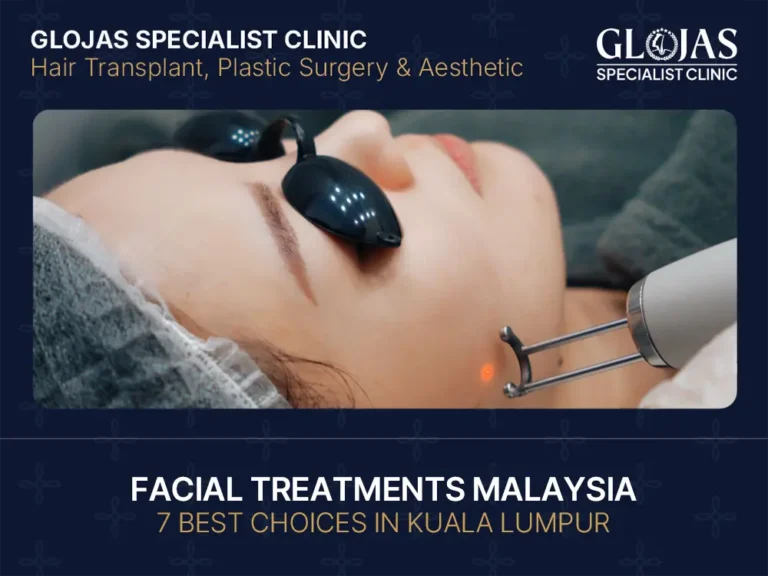
Getting a facial treatment in Kuala Lumpur is more than just a pampering session; it’s a vital part of maintaining skin health in our humid, tropical climate. Whether you’re battling “maskne” or sun damage, professional help can transform your complexion. Let’s dive into the world of Malaysian aesthetics.
GLOJAS Specialist Clinic in Kuala Lumpur and Selangor offers advanced facial treatments and skin aesthetic treatments to improve skin texture, hydration, and overall radiance.
What Is a Facial Treatment? (Basic Definition & Purpose)
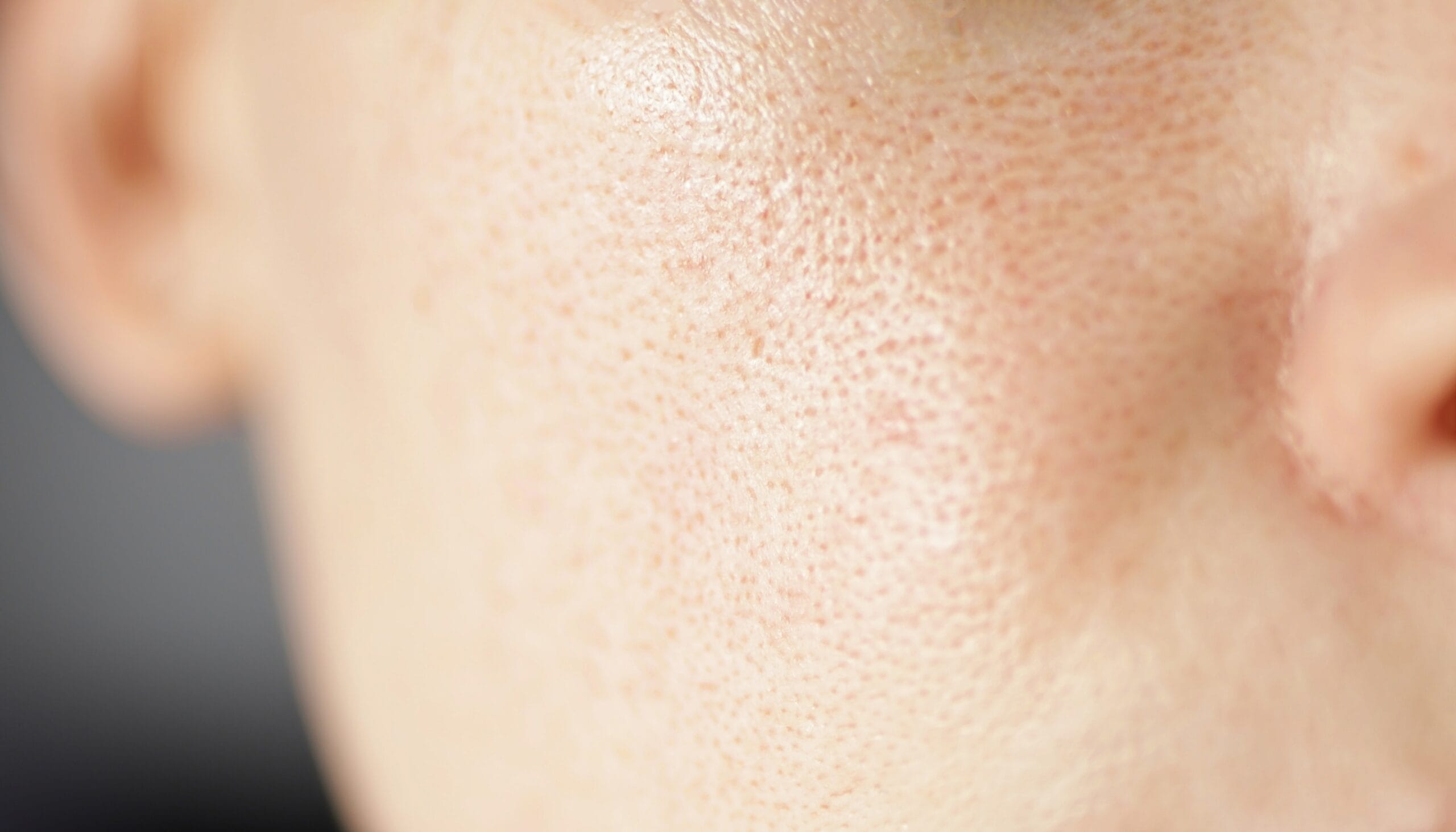
A facial treatment is a multi-step professional skin procedure designed to cleanse, exfoliate, and nourish the face. Unlike daily washing, it involves specialized tools and high-concentration actives to promote a clear, well-hydrated complexion and a more youthful appearance.
Deep Cleansing Beyond Regular Skincare
Professional facials reach deeper than your bathroom sink. Aestheticians use professional-grade cleansers and steam to soften sebum. This process removes deep-seated grime and pollutants—common in urban areas like Kuala Lumpur—that your standard double-cleansing routine might miss.
Professional Extractions for Clogged Pores
Extractions involve the manual or mechanical removal of comedones (blackheads and whiteheads). When done by a trained professional, it clears the “plugs” from your pores without causing the scarring or PIH (Post-Inflammatory Hyperpigmentation) that often results from “DIY” squeezing at home.
Customised Treatments for Different Skin Concerns
No two faces are the same. A professional facial allows an expert to analyze your skin type—be it oily, dry, or combination—and tailor the products used. This ensures your skin receives exactly what it needs, whether it’s calming inflammation or boosting collagen production.
Common Types of Facial Treatments Available in Malaysia
Malaysia’s beauty market is diverse, ranging from traditional techniques to cutting-edge medical technology. Understanding these popular options helps you book the right appointment for your skin goals.
Classic Deep Cleansing Facial
The “bread and butter” of beauty salons, this focuses on steaming, exfoliation, and a relaxing mask. It’s perfect for maintenance and relaxation. Most neighborhood spas offer this as an entry-level service to refresh the skin and improve overall texture.
Hydrafacial (Hydrodermabrasion)
A Hydrafacial uses a patented vortex-fusion delivery system to exfoliate, extract, and hydrate. It’s a Malaysian favorite because it provides “instant glow” with zero downtime. It’s particularly effective at sucking out gunk from pores while infusing skin with hyaluronic acid.
Chemical Peel Facial (AHA/BHA/TCA)
This treatment uses acids to dissolve the top layer of dead skin. Depending on the strength, it can treat everything from fine lines to deep acne scars. In Malaysia, chemical peels are strictly regulated, with higher concentrations requiring a LCP-certified medical doctor.
Oxygen Facial
Highly popular for brides-to-be, this involves spraying highly concentrated oxygen molecules and vitamins into the epidermis. It plumps the skin and gives an immediate brightening effect. It’s a gentle, non-invasive way to revive tired-looking skin before a big event.
Acne & Extraction Facial
Designed for congested and blemish-prone skin, this facial prioritizes thorough extractions and high-frequency therapy to kill bacteria. It often includes a clay mask to absorb excess sebum—a necessity for many Malaysians dealing with the effects of high humidity on oil production.
Brightening & Vitamin C Facial
Targeting dullness and dark spots caused by the harsh Malaysian sun, these facials use potent antioxidants. Vitamin C helps inhibit melanin production and neutralizes free radicals. It’s an essential treatment for those looking to achieve the “glass skin” look while fighting UV damage.
Which Facial Treatment Suits Your Skin Concern?
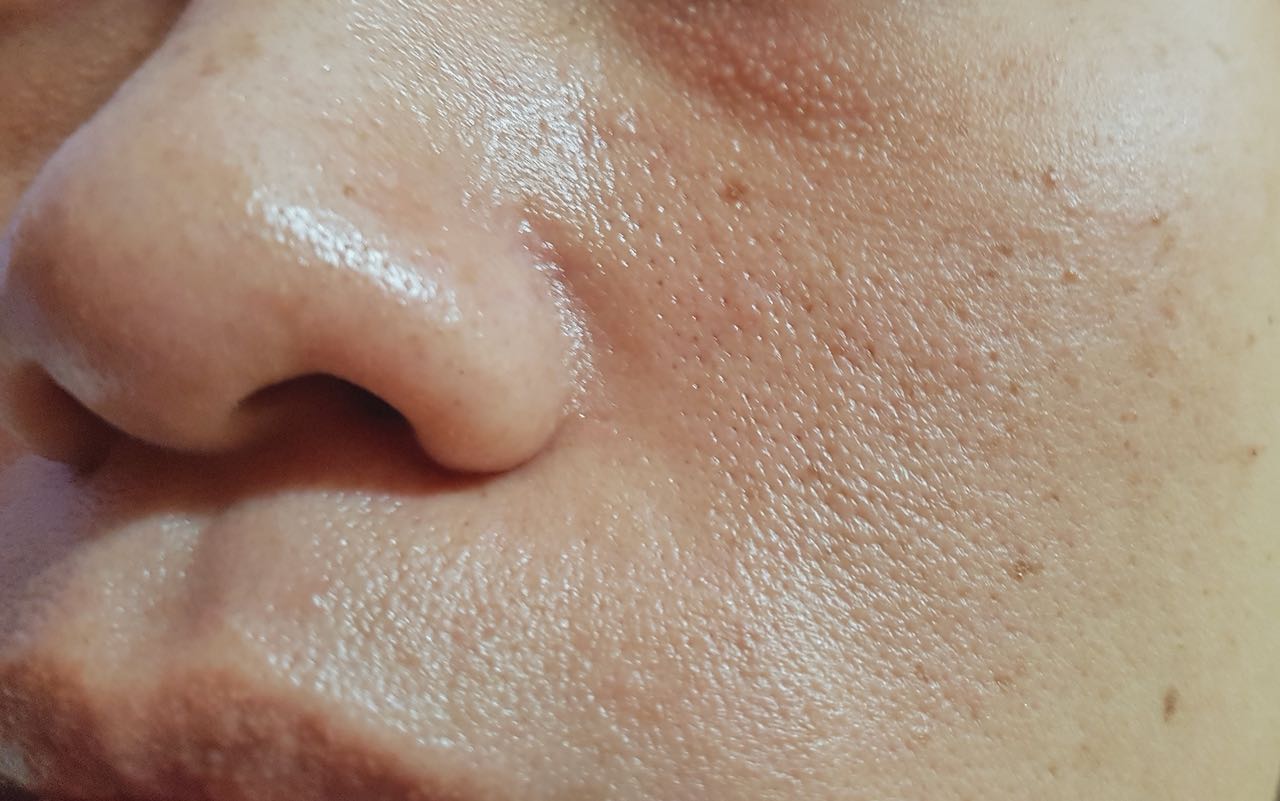
Choosing a facial is about matching the technology to your specific problem. Using the wrong treatment can sometimes trigger sensitivity or breakouts, so target your main concern first.
For Clogged Pores & Blackheads – Deep Cleansing or Hydrafacial
If your skin feels “bumpy,” a Hydrafacial is the gold standard. It uses a vacuum-like tip to clear congestion painlessly. Alternatively, a classic deep cleansing facial with manual extractions works well for those with stubborn, deep-seated blackheads on the nose and chin.
For Dull Skin & Hyperpigmentation – Brightening or Chemical Peel
Dullness often stems from dead skin buildup. A Chemical Peel accelerates cell turnover, revealing fresher skin. Brightening facials with Alpha Arbutin or Niacinamide are also excellent for safely fading sunspots and evening out the skin tone over time.
For Acne-Prone Skin – Acne Extraction Facial
Active acne requires a careful touch. Professional extraction facials use sterile tools to clear blockages, followed by soothing LED Blue Light therapy. This kills P. acnes bacteria and reduces redness, preventing the acne from spreading or turning into cystic lesions.
For Dry or Sensitive Skin – Hydrating or Oxygen Facial
Avoid harsh peels if your skin is flaky or reactive. Instead, opt for a Hydrating Facial that uses ceramides and lipids to repair the skin barrier. Oxygen facials provide a cooling sensation that calms redness while drenching the skin in moisture.
Clinic Facial vs Home Facial: Key Differences
While DIY kits are popular on Shopee, they rarely match professional results. The difference lies in the tools, safety, and potency of the products used during the session.
Strength of Products & Active Ingredients
Clinics and spas use “professional use only” products. These have higher concentrations of active ingredients like Retinol or Glycolic Acid. At-home products are formulated with lower percentages to prevent accidents, meaning they take much longer to show visible results.
Extraction Technique (Manual vs Machine)
Aestheticians are trained in the “angle of hair growth” to remove clogs without tearing the skin. Machines like ultrasonic skin scrubbers also provide a level of precision that fingers cannot. Proper technique ensures the entire “plug” is removed, preventing the pore from reinfecting.
Hygiene & Safety Standards
Professional settings follow strict sterilization protocols. Tools are often autoclaved or single-use. In Malaysia, clinics under the Ministry of Health (KKM) must adhere to rigorous medical standards, significantly reducing the risk of cross-contamination or skin infections compared to home environments.
Price Comparison (RM50 – RM500+)
Home facials are budget-friendly, often costing under RM30 per session. Neighborhood salons charge RM50–RM120. However, premium clinic treatments (RM350+) reflect the cost of advanced machinery, medical-grade products, and the expertise of certified staff who can handle complex skin issues.
How to Choose a Good Facial Treatment Provider in Malaysia
With so many options in malls and shop lots, picking a provider can be overwhelming. Don’t let a “cheap deal” ruin your face; do your homework first.
Check for Certified Aestheticians or Dermatologists
Ensure the center has qualified staff. For medical-grade treatments like lasers or deep peels, look for doctors with an LCP (Letter of Credentialing and Privileging) from the Malaysian Ministry of Health. This certification ensures they have the necessary training for invasive procedures.
Read Google & Social Media Reviews (Real Customer Photos)
Google Maps is your best friend. Look for reviews with photos of the actual facility and skin results. Be wary of accounts that only post perfect 5-star ratings; look for “authentic” feedback regarding their extraction pain levels and post-treatment results.
Ask About Products Used (Halal, KKM-approved, Non-Comedogenic)
Always verify the brands used. In Malaysia, reputable salons use KKM-notified products. If you have specific needs, ask for Halal-certified ranges or “non-comedogenic” formulas to ensure the treatment doesn’t cause more clogs or violate your personal beliefs.
Avoid Pushy Upselling of Packages
A red flag in the Malaysian beauty industry is “hard-selling.” A good provider focuses on your skin first. If they pressure you into buying a RM3,000 package before your first facial is even done, it’s usually best to look elsewhere.
What to Expect Before, During & After a Facial Treatment
Preparation and aftercare are just as important as the treatment itself. Managing your expectations helps you achieve the best “after-photo” possible while keeping your skin safe.
Pre-Treatment: No Exfoliation or Retinol 3 Days Before
Stop using harsh acids (AHA/BHA) or Retinoids at least 72 hours before your appointment. These products thin the skin, making it more prone to irritation or “skin lifting” during extractions or peels. Show up with a clean, makeup-free face if possible.
During Treatment: Steaming, Extraction, Mask & Massage
A typical session lasts 60 to 90 minutes. It starts with a consultation and double cleansing. You’ll likely feel heat from the steamer and some discomfort during extractions. Most sessions end with a specialized mask and a face-and-shoulder massage to improve lymphatic drainage.
After Treatment: Redness, Minor Breakouts (Normal)
Don’t panic if you look a bit pink. Redness is common and usually fades within 24 hours. Some people experience “purging,” where small whiteheads appear as the skin pushes out remaining impurities. This is temporary and a sign of the skin’s detoxification process.
Post-Treatment Skincare Instructions
Skip the gym and makeup for 24 hours. Your pores are open and vulnerable. Use a gentle cleanser and a hydrating moisturizer. Most importantly, apply Sunscreen SPF 50+ religiously, as facial treatments (especially peels) make your skin significantly more sensitive to UV rays.
How Often Should You Get a Facial Treatment in Malaysia?
Frequency depends on your skin’s natural “turnover” cycle, which is roughly 28 days. However, lifestyle and skin type will dictate whether you need monthly visits or quarterly maintenance.
Oily & Acne-Prone Skin – Every 3 to 4 Weeks
For those with high sebum production, monthly facials prevent clogs from hardening into blackheads. Regular professional extractions keep the skin clear and help manage the bacterial load on the face, reducing the frequency of inflammatory acne breakouts.
Normal or Dry Skin – Every 6 to 8 Weeks
If your skin is relatively clear, you don’t need frequent extractions. Bi-monthly visits focused on hydration and antioxidant infusion are enough to maintain a healthy glow. This schedule helps manage the drying effects of prolonged air-conditioning exposure common in Malaysian offices.
Sensitive Skin – Every 8 to 12 Weeks (Gentle Facial Only)
Sensitive skin needs more time to recover. Space out your appointments and opt for “calming” facials without heavy extractions. This prevents over-stimulating the skin, which can lead to a broken skin barrier and increased redness or chronic sensitivity.
Potential Risks & Side Effects of Facial Treatments
While generally safe, facials involve active ingredients and physical manipulation. Being aware of potential downsides helps you act quickly if things don’t go as planned.
Breakouts After Extraction (Purging)
If an extraction isn’t thorough, the remaining debris can become inflamed. Also, if the aesthetician doesn’t use a “calming” step (like high-frequency or a soothing mask), the irritation can lead to temporary breakouts. This usually clears up within 3–5 days.
Burns from Chemical Peel (If Left Too Long)
Chemical burns occur if an acid is too strong or left on for too long. Signs include intense stinging, frosting (white patches), or scabbing. This is why it’s critical to choose licensed professionals for chemical peels to avoid permanent scarring.
Infection from Non-Sterile Tools
Poor hygiene can lead to bacterial or viral infections, such as staph or even herpes simplex. If a salon doesn’t use disposable sponges or sterilized metal tools, the risk of cross-infection sky-rockets. Always observe the cleanliness of the treatment room.
Allergic Reaction to Products
New products can trigger “Contact Dermatitis.” If you have known allergies to botanicals, nuts, or specific preservatives, inform your aesthetician immediately. A patch test on the neck is recommended if you have highly reactive or allergic skin.
Affordable vs Premium Facial Treatments (Price Guide Malaysia)
Malaysia offers facial options for every wallet. The price usually reflects the technology, the environment, and the qualifications of the staff performing the procedure.
Budget (RM50 – RM120) – Neighbourhood Beauty Salons
Usually found in residential areas or shop lots. These facials are mostly manual, using basic steaming and affordable skincare brands. They are great for students or those seeking basic maintenance without the fancy “bells and whistles” of a clinic.
Mid-Range (RM150 – RM300) – Chain Outlets (Herbaline, SimplySiti, etc.)
These established chains offer standardized protocols and consistent quality. You can expect a more professional environment, often with added perks like foot baths or herbal teas. They utilize specialized equipment like ultrasonic cleansers but aren’t medical-grade.
Premium (RM350 – RM800+) – Dermatology Clinics & Medispas
At this price point, you are paying for medical technology like Hydrafacial, Sylfirm, or Pico Laser facials. These treatments are performed by doctors or senior nurses. They offer deeper results for specific issues like pigmentation, deep scars, and skin tightening.
Frequently Asked Questions (FAQ) About Facial Treatments in Malaysia
Is Facial Treatment Painful?
Most parts are relaxing, but extractions can be uncomfortable or slightly painful, especially around the nose. If you have a low pain tolerance, let your therapist know; they can apply a numbing cream or use a gentler “vacuum” method.
Can I Wear Makeup After a Facial?
It’s best to wait at least 24 hours. Your pores are open and more susceptible to irritation from pigments and oils in makeup. If you must wear it, use a mineral-based powder and ensure your brushes are freshly cleaned.
Are At-Home Facial Devices as Effective as Clinic Treatments?
In short, no. Devices like “pore vacuums” or DIY steamers sold online lack the safety sensors and power of professional machines. Using them incorrectly can cause “hickies” (bruising) or broken capillaries that are difficult to fix.
Do I Need a Doctor for a Basic Facial?
No, a basic deep cleansing facial can be safely performed by a certified aesthetician. However, if you have chronic acne, rosacea, or are looking for “invasive” treatments like chemical peels or lasers, consulting a qualified dermatologist is much safer.
Conclusion – Facial Treatments Work Best With a Consistent Home Routine
A facial treatment is a powerful “reset” button for your skin, but it isn’t a magic cure. For lasting results in Malaysia’s challenging climate, you must pair your monthly treatments with a solid home routine of cleansing, moisturizing, and sun protection. Your skin is an investment—treat it with the professional care it deserves!