
Does HIFU Hurt?
The short answer is: it depends, but it’s generally manageable. While not a “spa day” relaxation experience, most patients describe the sensation as a series of tiny, hot prickles. Modern devices have significantly improved comfort compared to early iterations of the technology.
For expert HIFU skin tightening in Kuala Lumpur, GLOJAS Specialist Clinic delivers non-surgical lifts with zero downtime. Tighten sagging skin and define your jawline naturally. Trust GLOJAS.
Understanding HIFU Treatment
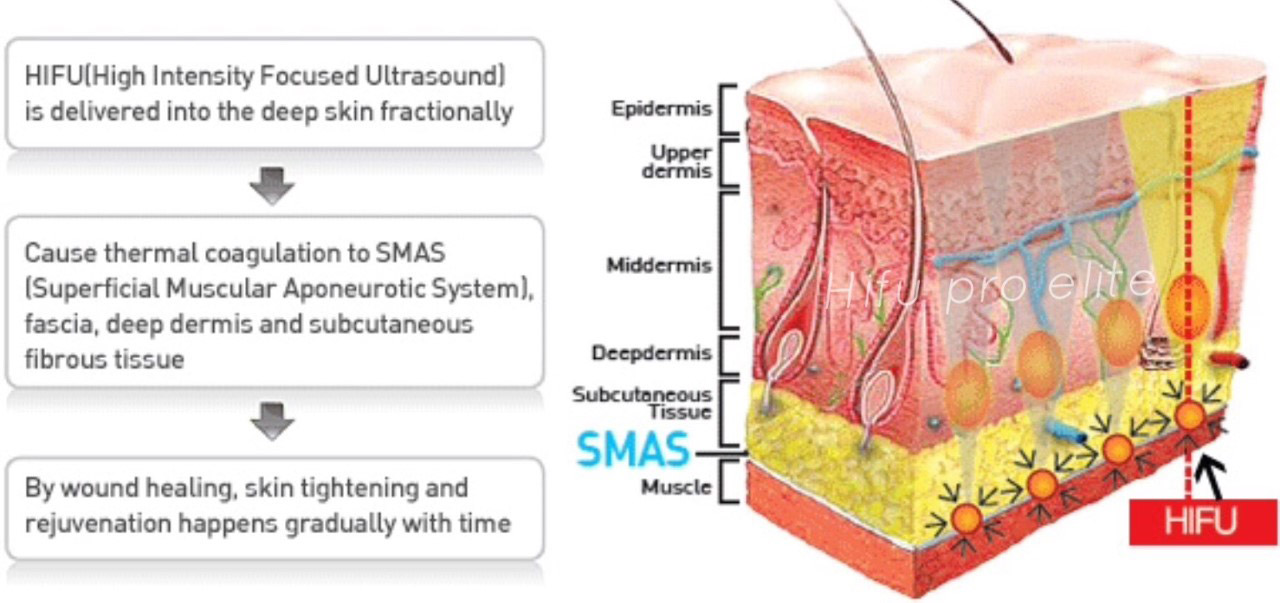
HIFU, or High-Intensity Focused Ultrasound, is a non-invasive cosmetic procedure. It targets deep layers of the skin to stimulate collagen without damaging the surface. This “lunchtime facelift” has become a gold standard for those seeking results without the surgical downtime of a traditional rhytidectomy.
What Is HIFU and How It Works
HIFU uses focused ultrasonic energy to create Thermal Coagulation Points (TCPs). By heating tissue to approximately 60°C to 70°C, it triggers a natural healing response. According to clinical studies on HIFU skin tightening efficacy, this process remodels existing collagen and encourages the production of new fibers over three to six months.
Areas Treated with HIFU
While popular for the face and neck, HIFU is versatile. It’s frequently used for:
Submental fat (double chin) reduction.
Tightening the jawline and jowls.
Smoothing “turkey neck” and décolletage.
Lifting drooping eyebrows and forehead skin.
Body contouring on the abdomen or thighs.
Pain and Sensation During HIFU
So, does HIFU hurt? You will feel energy being delivered, but it shouldn’t be unbearable. Most practitioners use a scale of 1 to 10, with most patients reporting a 3 or 4. It feels like a localized “zap” or a deep, dull ache in boney areas.
Typical Discomfort Levels
| Feature | Sensation Description | Intensity |
| Soft Tissue (Cheeks) | Warmth, mild tingling | Low |
| Bony Areas (Jawline) | Deep thumping, “toothy” ache | Moderate |
| Sensitive Areas (Eyes) | Quick, sharp pinpricks | Mild |
Factors Affecting Pain Sensation
Several variables influence your experience. Your individual pain threshold is the biggest factor. Additionally, the specific device used—such as Ultraformer III or Ultherapy—and the depth of the transducers (1.5mm vs. 4.5mm) play roles. Higher energy settings yield better results but increase the “bite” felt during the session.
Managing Pain and Ensuring Comfort
Professional clinics prioritize your comfort. While you need to feel some heat for the treatment to be effective, it should never reach a level of true agony. Communication with your practitioner is vital for adjusting energy levels in real-time.
Pre-Treatment Tips to Reduce Discomfort
To prep, many doctors suggest taking an over-the-counter analgesic like paracetamol an hour before. Avoid caffeine, as it can make you more jittery and sensitive. Check out these pre-treatment guidelines from the American Board of Cosmetic Surgery for a comprehensive safety checklist.
During Treatment: Techniques for Comfort
Practitioners often apply a topical numbing cream (lidocaine) 30 minutes prior. During the procedure, “distraction techniques” or cooling gels help. Some advanced clinics even offer Nitronox (laughing gas) for patients who are particularly anxious about the sensation, ensuring a stress-free experience.
Post-Treatment Relief and Care
Afterward, your skin might feel slightly tender or “sunburnt.” Avoid hot showers or saunas for 48 hours. Using a gentle moisturizer and high-SPF sunscreen is essential, as your skin is in a healing phase. Cold compresses can soothe any lingering swelling or minor bruising.
Frequently Asked Questions About HIFU Pain
Is HIFU Painful for First-Timers?
First-timers often feel more “shock” because the sensation is unique. However, most find that once the first few lines are delivered, they acclimate quickly. Knowing what to expect significantly reduces the perceived pain. If you’re nervous, ask for a lower energy “test patch” first.
How Long Does Discomfort Last?
The “zap” ends the moment the transducer leaves the skin. Some deep-tissue tenderness may persist for 1 to 2 weeks, similar to muscle soreness after a workout. According to the ASDS guidelines for non-invasive tightening, significant or lasting pain is rare and should be reported to your provider immediately.