
Why Botox for Men Is Becoming More Popular
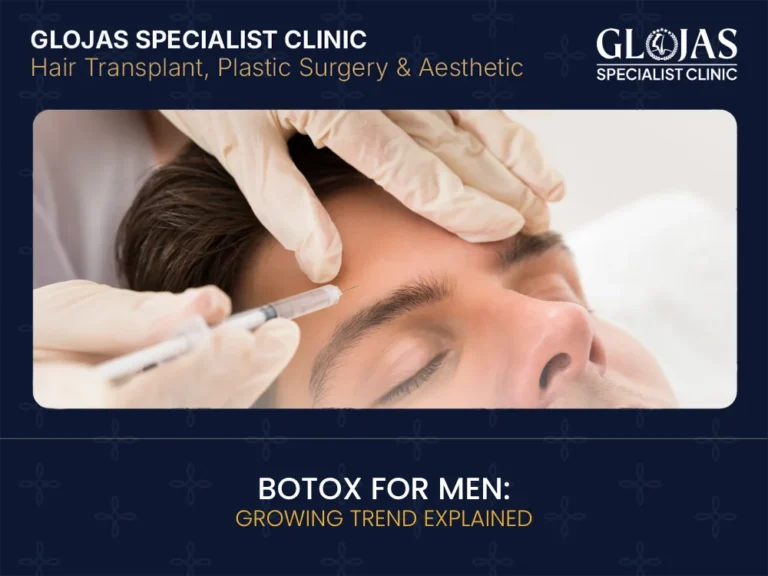
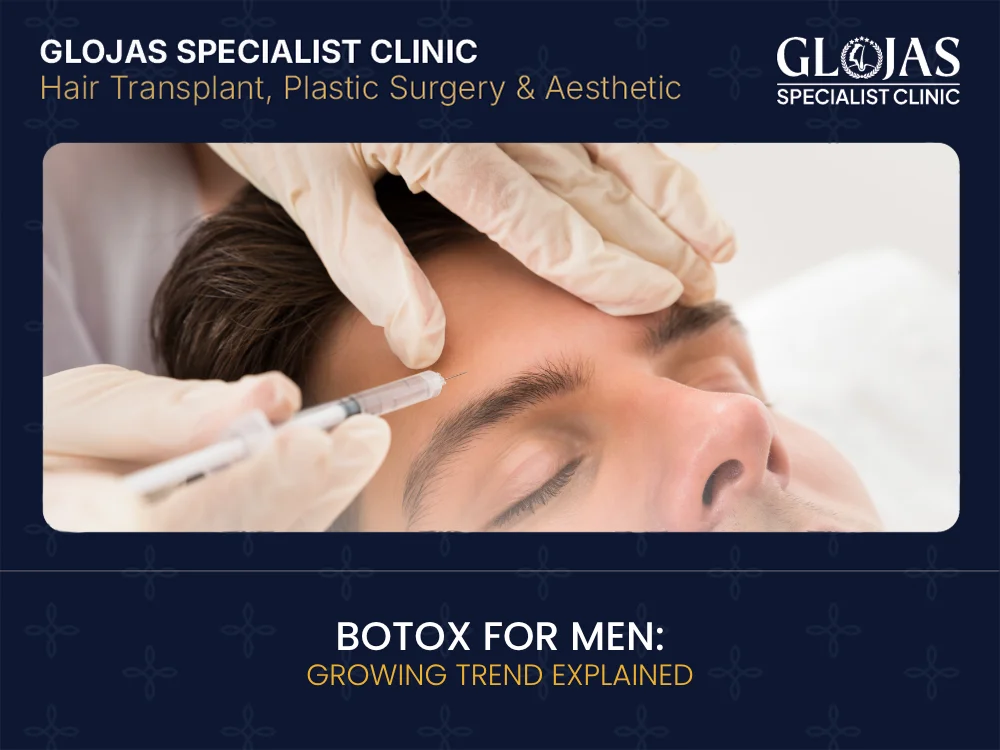
The demand for Botox for men has surged in recent years, with more male patients seeking subtle, natural-looking improvements. Once considered a female-dominated treatment, Botox is now widely embraced by men who want to reduce wrinkles, maintain a youthful appearance, and stay competitive in both social and professional settings. This rising trend—often called “Brotox”—reflects changing attitudes toward male grooming and self-care.
What Is Botox and How Does It Work?
Botox is a neuromodulator that temporarily relaxes targeted facial muscles. By blocking nerve signals, it reduces muscle contractions that cause dynamic wrinkles.
For men, this means:
- Softer forehead lines
- Reduced frown lines
- Smoother crow’s feet
Results typically appear within 3–7 days and last around 3–4 months.
Why More Men Are Choosing Botox
1. Career and Professional Edge
In competitive industries, appearance can influence confidence and perception. Many men choose Botox to look more:
- Alert
- Approachable
- Less fatigued
A refreshed look can subtly enhance professional presence.
2. Changing Social Norms
Male aesthetics are no longer taboo. Influencers, celebrities, and professionals openly discuss treatments like Botox, making it more acceptable and mainstream.
3. Preventative Aging
Younger men are now using Botox proactively to delay wrinkle formation.
Preventative Botox:
- Uses smaller doses
- Maintains natural expressions
- Slows the development of deep lines
Common Treatment Areas for Men
Forehead Lines
Men often develop deeper forehead lines due to stronger muscle activity. Botox softens these lines without eliminating natural movement.
Frown Lines (Glabellar Lines)
These vertical lines between the eyebrows can create an “angry” or stressed appearance. Botox helps create a calmer, more approachable look.
Crow’s Feet
Fine lines around the eyes are common with age. Botox smooths them while preserving a natural smile.
How Botox for Men Differs From Women
Although the treatment is the same, the approach is different.
Stronger Facial Muscles
Men typically have thicker skin and stronger muscles, meaning:
- Higher doses may be required
- Results must be carefully balanced
Desired Outcome
Men often prefer:
- Subtle improvements
- Natural expressions
- Avoiding an “overdone” look
Injection Technique
Practitioners adjust:
- Injection points
- Dosage
- Muscle targeting
This ensures masculine facial features are preserved.
Are You a Good Candidate for Botox?
Not every man needs or benefits from Botox—but for the right candidate, it can be a simple and effective way to achieve a more refreshed, confident appearance without surgery. Understanding whether you’re suitable helps ensure both safety and satisfaction with your results.
Key Signs You’re a Good Candidate
Men who tend to see the best outcomes from Botox usually share a few common characteristics:
- Visible dynamic wrinkles
These are lines that appear with facial movement—such as frown lines, forehead creases, and crow’s feet. Botox works by relaxing the muscles responsible for these expressions, making it especially effective for this type of wrinkle. - Good overall health
Being generally healthy reduces the risk of complications and supports a smoother recovery process. You don’t need to be “perfectly fit,” but chronic or unmanaged medical conditions should be discussed during consultation. - Preference for non-surgical treatments
Botox is ideal if you want noticeable improvement without downtime, incisions, or long recovery periods. Many men choose it as a low-commitment way to maintain a youthful look. - Realistic expectations
Botox can soften lines and prevent deeper wrinkles from forming, but it won’t completely change your face or stop aging altogether. The goal is a natural, refreshed appearance—not a frozen or overly tight look.
Who Should Avoid or Delay Botox?
While Botox is widely considered safe when performed by qualified professionals, it’s not suitable for everyone. You may need to avoid or postpone treatment if you:
- Have certain neurological conditions such as Myasthenia gravis
- Have known allergies to botulinum toxin products
- Are experiencing active skin infections at the injection site
- Have been advised by a doctor to avoid neuromodulator treatments
In these cases, alternative treatments may be recommended depending on your goals.
Why Consultation Matters
A professional consultation isn’t just a formality—it’s a critical step in determining suitability. During this session, your practitioner will:
- Assess your facial anatomy and muscle movement
- Review your medical history and any risk factors
- Discuss your goals and expected outcomes
- Create a personalized treatment plan tailored to your needs
This ensures that the treatment is both safe and aligned with your expectations.
Benefits of Botox for Men
Natural-Looking Results
When done correctly, Botox enhances your appearance without making it obvious.
Quick and Convenient
- Treatment time: 15–30 minutes
- Minimal downtime
- Resume daily activities immediately
Boost in Confidence
Looking refreshed often translates into feeling more confident in both personal and professional settings.
Potential Side Effects and Risks
Botox is generally safe when administered by trained professionals, but mild side effects can occur:
- Redness or swelling
- Minor bruising
- Temporary headache
Rare complications, such as drooping eyelids, are usually linked to improper technique.
Choosing an experienced injector is critical.
Botox vs Other Treatments for Men
Botox is often compared with other aesthetic procedures:
Botox vs Dermal Fillers
- Botox: Relaxes muscles
- Fillers: Restore lost volume
Botox vs Skincare
- Botox: Targets muscle activity
- Skincare: Improves surface quality
Many men combine treatments for optimal results.
How Often Should Men Get Botox?
Most men schedule treatments every:
- 3–4 months for maintenance
- 4–6 months if muscle activity is lower
Consistency helps maintain smoother, long-term results.
Cultural Trends: The Rise of “Brotox”
The term “Brotox” reflects a cultural shift:
- Male grooming is normalized
- Preventative care is prioritized
- Aesthetic treatments are no longer gender-specific
Global awareness, including approvals and studies by organizations like the U.S. Food and Drug Administration, has also helped build trust in Botox treatments.
Tips for First-Time Male Botox Patients
If you’re considering Botox for the first time:
- Start conservatively
- Choose a qualified practitioner
- Communicate your goals clearly
- Follow aftercare instructions
A subtle approach ensures natural-looking results.
FAQs About Botox for Men
1. Is Botox for men different from women?
Yes, men often require higher doses and tailored techniques due to stronger muscles.
2. Will Botox make me look unnatural?
Not when done properly. The goal is subtle enhancement.
3. How long does Botox last in men?
Typically 3–4 months, depending on muscle strength.
4. Is Botox painful?
Most patients experience only mild discomfort.
5. Can younger men get Botox?
Yes, many use it preventatively in their late 20s or early 30s.
6. How soon will I see results?
Initial results appear within a few days, with full results in 1–2 weeks.
7. Is there downtime?
Minimal. Most men return to work immediately.
8. Can Botox help with a tired appearance?
Yes, it can make you look more refreshed and alert.
9. How do I choose the right clinic?
Look for experienced, qualified practitioners with proven results.
10. What happens if I stop Botox?
Wrinkles will gradually return as muscle activity resumes.
Final Thoughts: Is Botox for Men Worth It?
The growing popularity of Botox for men highlights a broader shift toward self-care and confidence. Whether you want to reduce wrinkles, prevent aging, or simply look more refreshed, Botox offers a safe and effective solution when performed by skilled professionals.
The key is personalization—understanding your facial anatomy, goals, and expectations to achieve natural, masculine results.