
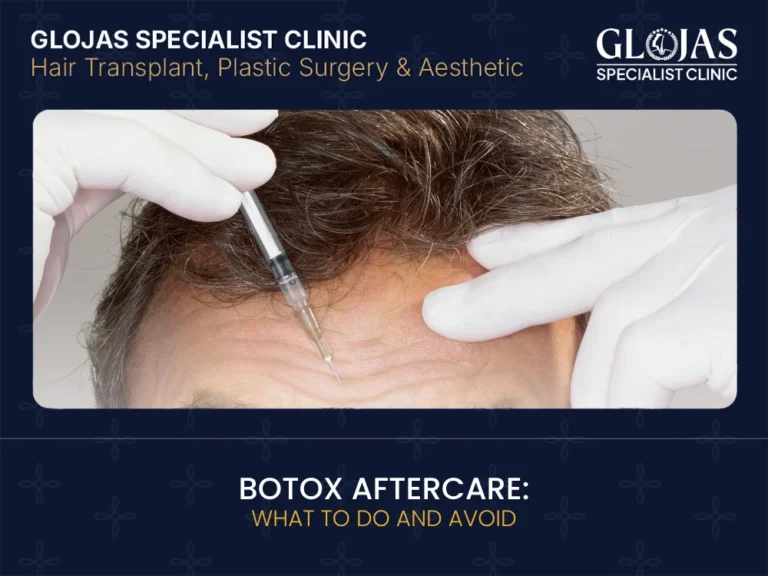
Botox Aftercare: Why It Matters
Botox Aftercare plays a crucial role in ensuring you achieve smooth, natural-looking results while minimizing side effects. After receiving Botox—a treatment derived from Botulinum Toxin—your skin and underlying muscles need time to settle.
Although Botox is quick and minimally invasive, what you do (and avoid) in the first hours and days can directly impact how well the treatment works. This guide covers everything you need to know for optimal recovery and long-lasting results.
What Happens After Botox?
After receiving Botox injections, your body begins a gradual and highly controlled response to the treatment. The injected botulinum toxin works by targeting specific nerve signals responsible for muscle contraction. Over time, this reduces muscle activity in the treated area, allowing the overlying skin to smooth out and fine lines to soften.
Although Botox is often described as a “quick fix,” the results don’t appear instantly. Instead, the process unfolds in stages as the product binds to nerve endings and begins to take effect.
Typical Timeline:
Immediately After Treatment
Right after your session, you may notice small bumps, mild redness, or slight swelling at the injection sites. This is a normal reaction to the needle and typically subsides within 30 minutes to a few hours. Some patients also experience minimal tenderness, but this is usually short-lived.
24–48 Hours: Settling Phase
During this period, the Botox starts interacting with the targeted nerves. While you won’t see visible wrinkle reduction yet, the product is actively binding beneath the skin. It’s important to follow aftercare instructions during this time—such as avoiding rubbing the area or engaging in intense physical activity—to prevent unwanted migration of the product.
3–5 Days: Initial Results Appear
Subtle changes begin to emerge. You may notice that certain facial movements feel slightly restricted and dynamic wrinkles (those formed by expressions) start to soften. Results at this stage are still developing and may not be fully even yet.
7–14 Days: Full Effect Visible
By the second week, the full results of Botox are typically achieved. The treated muscles are now significantly relaxed, leading to smoother skin and a more refreshed appearance. This is also the best time to assess your outcome and determine if any touch-ups are needed.
Immediate Botox Aftercare (First 4–6 Hours)
The first few hours are the most critical.
What To Do:
- Stay upright for at least 4 hours
- Gently move facial muscles (smile, frown lightly)
- Keep the treated area clean
What To Avoid:
- Lying down
- Touching or rubbing the area
- Applying makeup immediately
These precautions prevent the product from migrating to unintended areas.
First 24 Hours: Key Dos and Don’ts
Do:
- Use a gentle cleanser
- Stay hydrated
- Follow your practitioner’s instructions
Don’t:
- Exercise or engage in strenuous activity
- Consume alcohol
- Use saunas or hot baths
Heat and increased blood flow can interfere with Botox placement.
Botox Aftercare for the First Week
During the first week, your results will gradually develop.
Recommended:
- Apply sunscreen daily (SPF 30–50)
- Use gentle skincare products
- Maintain a healthy lifestyle
Avoid:
- Facial massages
- Chemical peels
- Laser treatments
This helps prevent irritation and ensures the Botox settles correctly.
Skincare After Botox: What’s Safe?
You can resume most skincare after 24–48 hours, but keep it simple.
Safe Ingredients:
- Hyaluronic acid
- Ceramides
- Peptides
Avoid Temporarily:
- Retinol
- AHAs/BHAs
- Strong exfoliants
Gentle care supports skin recovery without disrupting results.
When Can You Exercise Again?
- Light activity: After 24 hours
- Intense workouts: After 48 hours
Exercise too soon may increase the risk of swelling or reduce treatment effectiveness.
Common Mistakes to Avoid After Botox
- Rubbing or massaging the face
- Sleeping face-down immediately after treatment
- Skipping aftercare instructions
- Expecting instant results
Avoiding these mistakes helps you achieve optimal outcomes.
How to Maximize Botox Results
To extend your results:
- Follow all aftercare guidelines
- Maintain regular treatment intervals (every 3–4 months)
- Protect your skin from sun damage
- Consider complementary treatments like Dermal Fillers
Consistency is key for long-term anti-aging benefits.
Possible Side Effects After Botox
Most side effects are mild and temporary:
- Slight swelling or redness
- Minor bruising
- Mild headache
Rare side effects include drooping eyelids, usually due to incorrect aftercare or technique.
When to Contact Your Doctor
Seek professional advice if you experience:
- Severe swelling or pain
- Persistent asymmetry
- Unusual muscle weakness
Early consultation ensures prompt management of any concerns.
Long-Term Botox Aftercare Tips
Maintaining results goes beyond the first week.
Best Practices:
- Schedule regular follow-ups
- Maintain a healthy skincare routine
- Stay hydrated and eat well
Long-term care enhances both results and skin health.
FAQs About Botox Aftercare
1. What is Botox aftercare?
It refers to the steps you take after treatment to ensure optimal results.
2. Can I lie down after Botox?
Avoid lying down for at least 4 hours.
3. When can I wear makeup?
After a few hours, once the injection sites settle.
4. Can I exercise after Botox?
Wait at least 24–48 hours.
5. Is swelling normal after Botox?
Yes, mild swelling is common and temporary.
6. Can I wash my face after Botox?
Yes, but use gentle products.
7. How long should I avoid alcohol?
At least 24 hours.
8. Can I touch my face after Botox?
Avoid touching for several hours.
9. When will I see results?
Within 3–14 days.
10. How long do results last?
Typically 3–4 months.
Conclusion
Following proper Botox Aftercare is essential for achieving smooth, natural-looking results while minimizing risks. From staying upright in the first few hours to avoiding strenuous activities and harsh skincare, each step contributes to the success of your treatment.
Botox remains a safe and effective solution for reducing wrinkles and enhancing facial appearance—but your aftercare routine plays a key role in maximizing its benefits. By following expert guidance, you can enjoy longer-lasting, more consistent results.