
So you’re thinking about a hair transplant in Malaysia but worried about scarring. Fair enough. Nobody wants obvious signs they’ve had work done.
The good news? Modern techniques make scarring minimal. And if you already have scars from an older procedure, there are solid options to fix them.
Let’s break down everything about hair transplant scars in Malaysia for 2026.
What Are Hair Transplant Scars?
Definition and Causes
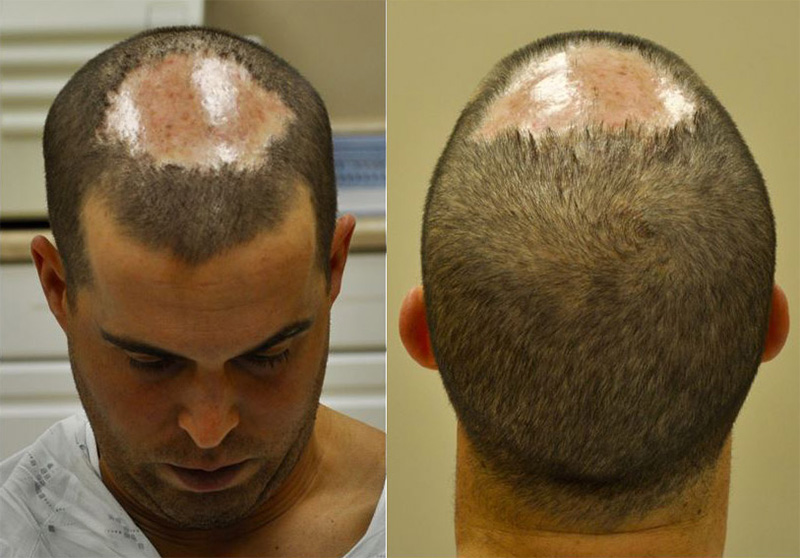
Hair transplant scars happen when your skin heals after graft removal or placement. It’s normal tissue repair—collagen forms where the skin was cut.
The size and visibility depend on your extraction method, surgeon skill, and how your body heals. Some people scar beautifully. Others form thicker, more visible marks.
Keloid scarring affects certain ethnic groups more. If you’re prone to thick scars, tell your surgeon beforehand.
Scarring After FUE vs FUT Procedures
FUE leaves tiny dot scars where each graft was taken. Hundreds or thousands of them. But they’re small—about 0.7 to 0.9mm each.
FUT leaves one linear scar across the back of your head. It runs ear to ear where the strip of skin was removed.
FUE scars let you wear hair very short. FUT requires longer hair to hide the line. That’s the trade-off.
Types of Hair Transplant Scars
Linear Scars from FUT Strip Method
The classic FUT scar sits at the donor area’s lower border. A skilled surgeon places it where hair naturally covers it.
Width matters most. Thin scars around 1-2mm hide easily. Wide scars over 5mm become obvious when hair lifts.
Stretching happens sometimes. Poor closure technique or tension causes it. Some patients need revision later.
Dot Scars from FUE Extraction
FUE leaves circular white dots where follicles came out. In healthy scalps, they fade to nearly invisible.
But punch size affects visibility. Older 1mm punches left bigger marks. Modern 0.7mm or 0.8mm punches heal much cleaner.
Over-harvesting creates patchy donor areas. Good surgeons space extractions evenly so density looks normal.
Hypertrophic and Keloid Scarring
Hypertrophic scars stay within the wound boundary but rise up. They’re red, thick, and sometimes itchy.
Keloid scars grow beyond the original wound. They keep expanding like crab claws. More common in darker skin types.
Malaysia’s multi-ethnic population means surgeons see all scar types. Ask about your personal risk during consultation.
Hair Transplant Scar Healing Timeline
Immediate Post-Op Appearance
Right after surgery, scars look angry. Red, raised, maybe slightly oozy. Don’t panic—this is normal.
FUT patients see a clear line with sutures or staples. FUE patients have hundreds of tiny red dots covering the donor zone.
Your surgeon will give wound care instructions. Follow them exactly. No shortcuts here.
Weeks 1-4 Healing Phase
Sutures come out around day 10-14. The scar looks pink and slightly raised. Still early days.
FUE dots start crusting over. Don’t pick them. Let scabs fall naturally.
By week four, redness fades somewhat. Scars begin flattening. You’re past the worst of it.
Months 1-12 Maturation
Month three brings real change. Scars soften and lighten. FUT lines shrink in width.
Month six shows about 70% of final appearance. FUE dots blend better as surrounding hair grows.
Full maturation takes 12-18 months. Scars won’t change much after that. What you see at one year is mostly permanent.
Hair Transplant Scar Removal Options Malaysia
FUE Into Scar Tissue Revision
This technique extracts grafts from healthy donor areas and implants them directly into the scar.
The new hair grows through scar tissue. It camouflages the line completely if enough grafts take.
Success depends on blood supply. Scar tissue has poorer circulation. Survival rates run 70-85% versus 95%+ in normal skin.
Scalp Micropigmentation for Camouflage
SMP uses tiny pigment dots to match your hair colour. It tricks the eye into seeing density where there’s scar.
For FUT scars, SMP darkens the line so it blends with surrounding hair. For FUE dots, it fills in patchy areas.
Results last 3-5 years before fading. Touch-ups maintain the look. It’s non-surgical and works immediately.
Laser Therapy for Scar Reduction
Fractional CO2 lasers remodel scar collagen. They flatten raised scars and improve colour.
Multiple sessions needed—usually 3 to 6. Each session costs RM 500 to RM 1,500 in Malaysian clinics.
Laser works best on hypertrophic scars. Keloids often need combined treatment with steroid injections.
Surgical Scar Excision
For wide FUT scars, surgeons can cut out the old scar and re-close it more carefully.
This works when the first closure was too tight. New tension-free closure heals thinner.
But you risk the same outcome if your skin just stretches. Pick a surgeon who understands proper wound tension.
Hair Transplant Scar Costs Malaysia 2026
FUE Scar Revision Pricing
FUE into scars costs RM 8 to RM 15 per graft in Malaysia. Most revisions need 500 to 1,500 grafts.
Total cost ranges RM 4,000 to RM 22,500 depending on graft count. High-end KL clinics charge more.
Multiple sessions sometimes needed. Scar tissue only accepts limited grafts per session.
SMP for Scars Per Session
SMP for scars runs RM 800 to RM 1,500 per session. Most patients need 2 to 3 sessions.
Full coverage for large FUT scars costs RM 2,000 to RM 4,500 total. Small FUE touch-ups cost less.
Penang SMP specialists often charge slightly less than KL. Quality varies—check portfolios carefully.
Laser Treatment Price Ranges
Single laser sessions for scars cost RM 500 to RM 1,200. Package deals for 3 sessions run RM 1,200 to RM 3,000.
Medical aesthetic clinics in JB offer competitive rates. Some bundle laser with topical treatments.
Results need patience. Laser isn’t instant—collagen remodelling takes months after each session.
How to Choose a Scar Specialist
Surgeon Credentials
Check Malaysian Medical Council registration. Verify specialist status in plastic surgery or dermatology.
Membership in the Malaysian Society of Aesthetic Medicine means ongoing training. Ask about it.
Experience with scar revision specifically matters. General hair transplant skill doesn’t automatically mean scar expertise.
Before and After Evidence
Demand photos of actual scar revisions. Not just fresh post-op shots—healed results at one year.
Look for patients with similar skin type to yours. Malay, Chinese, Indian skin heal differently.
If they won’t show scar results, walk away. Transparency separates confident surgeons from the rest.
Technology and Techniques
Ask about extraction tools. Sharp punches cause less scarring than blunt ones. Sapphire blades create cleaner incisions.
For SMP, check what pigments they use. Carbon-based pigments stay truer over time than iron oxides.
Laser technology matters too. Fractional CO2 is standard. Some clinics offer picosecond lasers for stubborn scars.
FAQs on Hair Transplant Scars
Do all transplants leave scars?
Yes. Any incision leaves some mark. But modern FUE leaves dots so tiny they’re invisible at normal hair lengths.
FUT leaves a line. FUE leaves dots. Zero scarring isn’t possible yet.
How long until scars fade?
Initial redness fades by month three. Final appearance settles around 12 to 18 months post-op.
FUE dots blend fastest. FUT lines take longer to soften and thin.
Can scars be completely removed?
“Removed” isn’t quite right. Revised or camouflaged, yes. Completely erased, no.
Even with FUE into scars or SMP, some trace remains. But it becomes undetectable to casual observation.
Will hair grow through scars after revision?
Yes, but survival rates differ. Grafts in scar tissue have 70-85% take rates versus 95%+ in normal scalp.
Blood supply limits growth. Your surgeon should explain realistic expectations upfront.
Book Hair Transplant Scar Consultation Malaysia
Ready to address those scars? Malaysian clinics offer world-class revision options at reasonable prices.
Contact a Ministry of Health licensed specialist near you. Ask about their experience with cases like yours.
Bring photos of your scarring. Discuss which approach fits your goals and budget.
Your scalp deserves expert care. These treatments work—thousands of patients prove it every year.