
You’ve made it through the surgery, and now you’re staring at a scalp covered in tiny, crusty dots. While hair transplant scabs aren’t exactly the “new look” you were going for, they are actually a fantastic sign that your body is doing exactly what it should. Think of them as nature’s biological band-aids.
The challenge? Knowing when to leave them alone and when to give them a gentle nudge so your new follicles can breathe. Here is your play-by-step guide to navigating the “scabby phase” without risking your investment.
What Causes Scabs After Hair Transplant?
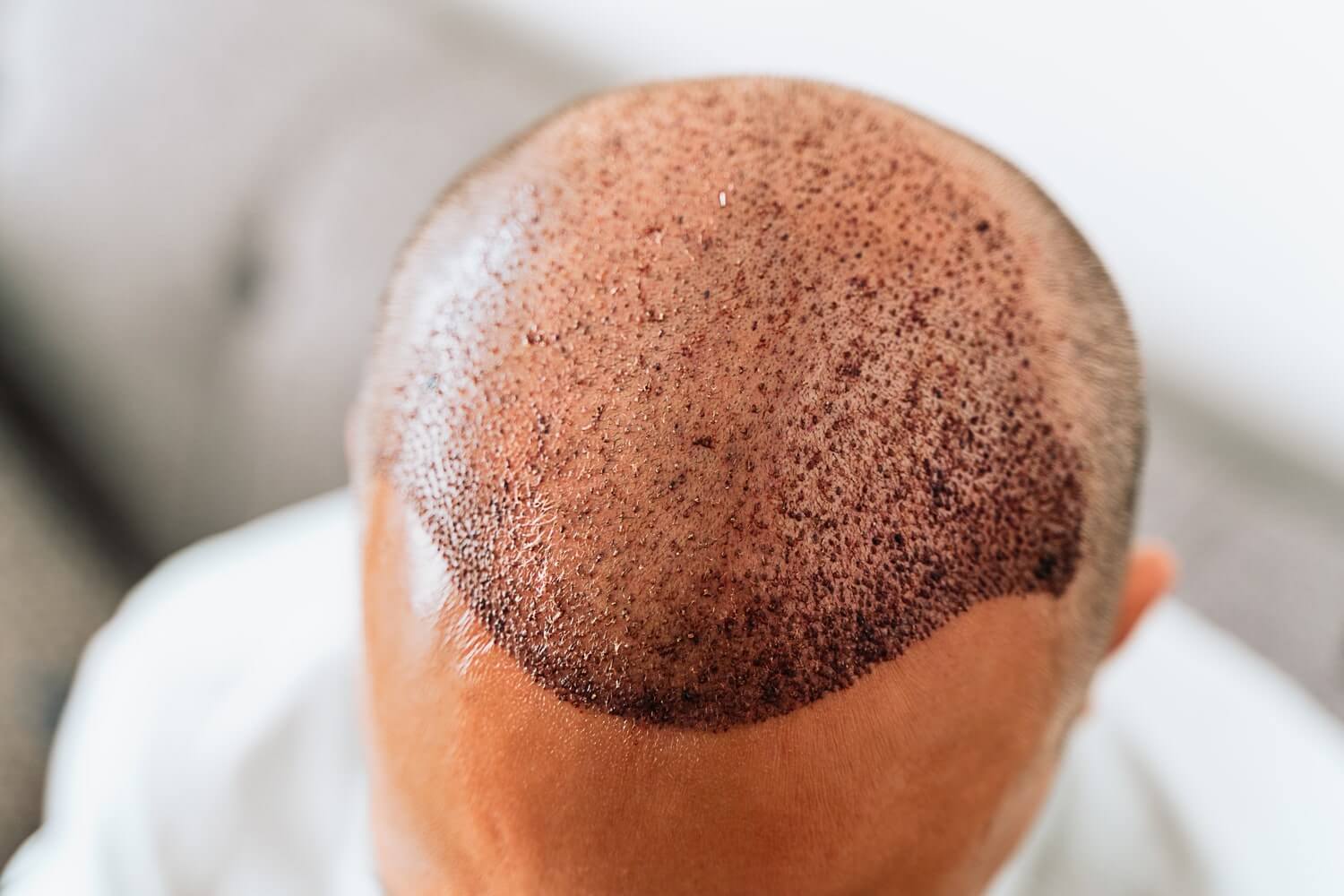
Scabbing is an inevitable part of the wound healing process. During an FUE or FUT procedure, thousands of micro-incisions are made. As these tiny sites close up, they release a bit of serum and blood that hardens into a crust.
Normal Healing Response
When your scalp is punctured to receive a graft, your body sends out fibrin and platelets to seal the leak. This creates a protective barrier—the scab—that prevents further bleeding and keeps environmental pollutants out of the fresh wound.
Role of Crust Formation in Graft Protection
In the first 48 to 72 hours, those grafts are incredibly fragile. The scabs act as an anchor, helping the follicular units stay precisely where the surgeon placed them. Without this crusting, the grafts would be much more susceptible to shifting or falling out.
Timeline of Scab Formation and Shedding
Your scalp goes through a very predictable “crust cycle.” Understanding the rhythm helps lower the post-op anxiety.
Days 1–3: Initial Healing
Scabs begin to form almost immediately as the anesthesia wears off. They usually appear as small, reddish-brown or dark spots. At this stage, hands off! The grafts are not yet “anchored” to your blood supply.
Days 4–7: Scab Hardening
The scabs will dry out and feel quite firm. This is usually when the itching starts. Resist the urge to scratch; your scalp is essentially “re-knitting” itself underneath that crust.
Days 8–14: Scab Loosening and Shedding
By day 10, the grafts are typically secure. Most clinics in Malaysia and globally suggest that this is the “Golden Window” for removal. The scabs should start flaking off naturally during your daily washes.
How to Safely Remove Hair Transplant Scabs
If you still have a head full of crusts by Day 10, it’s time to help them along. The goal isn’t to pull them off, but to melt them off.
Gentle Washing Techniques
Soak your recipient area with lukewarm water for 15–20 minutes. You can use a cup to pour water or a very low-pressure showerhead. Apply a pH-balanced baby shampoo and let the foam sit for 10 minutes. This softens the keratin in the scabs, making them pliable.
Avoiding Scratching or Picking
Never use your fingernails. If a scab is stubborn, leave it for the next wash. Picking a dry scab can pull the underlying graft right out with it, leaving a permanent empty spot.
Recommended Hair Transplant Aftercare Products
Most surgeons recommend a mild, fragrance-free shampoo or a specialized copper-peptide spray to keep the area hydrated. Some patients find that applying a thin layer of baby oil or aloe vera gel 30 minutes before washing helps dissolve the crusts faster.
Common Mistakes That Delay Healing
Picking or Scrubbing Scabs
This is the #1 reason for “failed” transplants. If you see blood when a scab comes off, you’ve pulled too hard.
Using Harsh Shampoos or Chemicals
Avoid anti-dandruff or styling products for at least the first two weeks. These contain sulfates and alcohols that can dry out the scabs, making them even harder and more prone to cracking.
Excessive Sun Exposure
UV rays can “bake” the scabs onto the skin and cause hyperpigmentation (dark spots) on the healing tissue. Wear a loose, breathable hat if you must go outside.
Tips to Promote Faster Healing and Scab Removal
Proper Hydration and Nutrition
Drink plenty of water. Dehydrated skin leads to “tight” scabs that are itchy and take longer to shed. Foods rich in Vitamin C and Zinc support the collagen synthesis needed for skin repair.
Scalp Moisturization and Care
Use the saline spray provided by your clinic every 2–3 hours. Keeping the scabs “moist” prevents them from becoming jagged and irritating.
When to See a Doctor About Hair Transplant Scabs
While most scabbing is harmless, keep an eye out for “the weird stuff.”
Signs of Infection or Unusual Redness
If the redness starts spreading away from the graft sites or if you see pus-filled blisters (folliculitis), call your clinic. A little pinkness is normal; “fire-engine red” is not.
Excessive Swelling or Persistent Crusting
If your scabs haven’t even budged by Day 15 despite regular washing, or if you experience a fever, it’s time for a professional check-up to rule out a fungal or bacterial infection.
Frequently Asked Questions About Hair Transplant Scabs
Can Scabs Affect Hair Growth?
No, as long as they are removed correctly. In fact, leaving them on for too long (over 3 weeks) can theoretically suffocate the skin and increase the risk of infection.
Is It Normal to Have Scabs After 2 Weeks?
It’s common, but not ideal. Most surgeons want the scalp clean by Day 14 so they can assess the graft health.
Can I Use Shampoo During Scab Healing?
Yes, but only a mild one. Start gentle “patting” washes around Day 3, and light circular massages by Day 10.
How Long Until Scabs Fully Fall Off?
Typically, 7 to 14 days. If you’re a “slow healer,” it might take until Day 17.
Should I Apply Ointments to Scabs?
Only if prescribed. Heavy ointments like Vaseline can sometimes clog the pores and lead to pimples (folliculitis) around the new grafts.