- Glomac Galeria Hartamas, Kuala Lumpur
- +60123426370
- info@glojasaesthetic.com
Looking for hair transplant Malaysia cost and natural results? GLOJAS Kuala Lumpur offers advanced hair restoration for male and female hair loss using FUE, FUT and DHI techniques from RM4,000–RM32,000 (RM5–8 per graft). Led by Prof. Dato’ Dr. JasG & Dr Mohd Ali Mat Zain specialising in natural hairline design, high-density graft placement and personalised solutions for thinning and balding hair. GLOJAS is an MOH-licensed clinic with an MMC-registered, LCP Chapter 3 credentials surgeon
GLOJAS Specialist Clinic, situated in Desa Sri Hartamas, Kuala Lumpur, stands as a premier hair transplant center in Malaysia, having successfully treated over 100,000 patients using SMART™ FUE, an advanced, proprietary, doctor-led technique.
The clinic operates under the expert leadership of Prof. Dato’ Dr. JasG, Founder and Medical Director, who brings over 30 years of specialized experience in hair restoration. He holds prestigious credentials as Malaysia’s first Diplomate of the American Board of Hair Restoration Surgery (ABHRS), a Fellow of the International Society of Hair Restoration Surgery (FISHRS), and President of the Malaysian Hair Restoration Society.
GLOJAS holds full accreditation from the Ministry of Health Malaysia and has been honored as the Best Hair Transplant Clinic in Asia by GlobalHealth Asia-Pacific (2020, 2021, 2023–2025, 2026), alongside esteemed accolades from the Malaysia Book of Records, The BrandLaureate, and SEBA Awards.
The clinical team expertly manages everything from early-stage hair thinning to advanced Norwood-stage baldness and complex surgical reconstructions, including post-burn scalp cases. Core medical services feature FUE hair transplant procedures, precision hairline and crown restoration, PRP hair therapy, targeted non-surgical hair loss solutions, as well as natural eyebrow and beard restoration.









A hair transplant is a specialized surgical procedure that relocates healthy hair follicles from a designated donor zone—typically the back or sides of the scalp, where hair is genetically programmed to resist thinning—to areas affected by hair loss or balding. Because these transplanted follicles retain their original genetic resistance to hair loss, the clinical results are permanent and natural-looking.
Modern hair transplants are performed as safe outpatient procedures utilizing local anesthesia. Depending on the chosen technique and the total number of grafts required, a single session typically ranges from four to eight hours, occasionally divided across two consecutive days for extensive restoration cases.
Every technique follows the same three steps:
The skill involved in graft placement — density, angle, and hairline design — is what separates a natural result from an artificial-looking one.
Good candidates generally:
Patients with diffuse, unpatterned hair loss, very limited donor supply, or active scalp conditions may need a different treatment or a combined approach. A consultation is the only reliable way to confirm candidacy.
Knowing the cause of your hair loss helps determine whether a transplant — or another treatment — is right for you.
Hair transplants work best for pattern baldness, since donor hair from the back and sides tends to resist DHT.
Several techniques exist for harvesting and placing hair grafts. The right one depends on your hair loss pattern, donor supply, budget, and how much downtime you can accept.
FUE extracts individual follicular units directly from the donor area with a small punch tool, then implants them one by one.
Pros: Minimal, nearly invisible scarring; shorter recovery; works well for patients who like shorter hairstyles. Cons: Can take longer than FUT for large sessions; usually costs more per graft.
FUT removes a thin strip of scalp from the donor area, divides it into individual grafts under magnification, and implants them into the recipient area.
Pros: Can produce a high graft count in one session; often more affordable per graft; faster extraction. Cons: Leaves a linear scar at the donor site; longer initial healing along the incision; not ideal for very short hair.
DHI refines the FUE approach using a pen-like tool that extracts and implants grafts in a single motion, without pre-made incisions.
Pros: More control over angle, depth, and density; potentially higher graft survival; less handling time outside the body. Cons: Usually the most time- and labor-intensive option, which can raise the price; needs a highly experienced team.
Robotic-assisted systems use AI and robotic arms to help with follicle extraction, offering precision and consistency, especially for large sessions.
Pros: Reduces fatigue on large cases; improves consistency in harvesting; useful for large donor areas. Cons: Equipment cost can raise the overall price; still needs expert oversight for hairline design and placement.
| Factor | FUE | FUT | DHI |
|---|---|---|---|
| Scarring | Minimal, dot scars | Linear scar | Minimal, dot scars |
| Recovery time | Moderate | Longer | Moderate |
| Graft count per session | High | Very high | Moderate to high |
| Best for | Short hairstyles, moderate loss | Large sessions, budget-conscious patients | Precision hairline design, density control |
| Relative cost | Higher | Lower per graft | Highest |
The right technique depends on your donor hair quality, extent of hair loss, budget, and goals. Our team will recommend an approach — or a combination — during your consultation.
Exosome hair treatment is an advanced, non-surgical regenerative therapy that uses microscopic extracellular vesicles to reverse hair thinning. Derived from stem cells, these biotechnology-based vesicles deliver thousands of growth factors, coenzymes, and signaling proteins directly to dormant hair follicles, stimulating rapid cellular repair, reducing inflammation, and triggering robust new hair growth cycles.
Exosomes represent a massive leap forward in regenerative medicine. Unlike whole stem cells, exosomes are highly purified nanovesicles (roughly 30 to 200 nanometers in size) that act as intercellular messengers.
When introduced into the scalp, they travel directly to the dermal papilla cells within the hair follicles. They deliver a dense cargo of microRNA and messenger RNA (mRNA) that actively reprograms aging, miniaturized follicles. This process switches the hair follicles from a resting phase (telogen) back into an active growth phase (anagen), effectively counteracting the hormonal triggers of androgenetic alopecia.
Massive Growth Factor Density: Provides a significantly higher concentration of signaling proteins compared to traditional cellular therapies.
Anti-Inflammatory Action: Actively calms scalp micro-inflammation, which is a major, hidden cause of female and male pattern baldness.
Vascular Regeneration: Promotes angiogenesis, creating new microscopic blood vessels to deliver vital oxygen and nutrients to gasping follicles.
Zero Blood Draw: Extracted from sterile, laboratory-controlled donor stem cells (such as umbilical mesenchymal stem cells or specialized botanical sources like Damask Rose), removing the need to harvest patient tissue.
Medical practices in Kuala Lumpur and Selangor follow strict clinical protocols to ensure optimal delivery of the biotehnology.
Digital Trichoscopy Analysis: A certified medical practitioner uses high-magnification cameras to assess follicle density and pinpoint areas of active thinning.
Scalp Preparation: The target area is thoroughly cleansed with a medical-grade antiseptic solution. A topical numbing cream is then applied for 20 to 30 minutes to maximize comfort.
Targeted Delivery: The physician delivers the premium exosome solution (popularly utilizing trusted medical brands like ASCE+ or Exomide) into the scalp at the exact depth of the dermal papilla using fine-gauge micro-needles or advanced mechanical mesotherapy systems.
Post-Procedure Soothing: The scalp is sanitized again, and a soothing, anti-inflammatory serum may be applied to accelerate immediate recovery.
The actual procedure takes roughly 45 to 60 minutes to complete. Thanks to the numbing cream, most patients report feeling only a light, repetitive pinching or pressure sensation across the vertex and hairline.
Directly following the session, your scalp might look slightly flushed, similar to a mild sunburn. This temporary redness usually fades completely within 12 to 24 hours, allowing you to return to work or daily activities immediately with no visible signs of a medical procedure.
While both are considered regenerative therapies, exosomes provide a vastly superior technological approach to standard Platelet-Rich Plasma (PRP). PRP relies entirely on drawing your own blood and spinning it in a centrifuge to isolate platelets. This means the quality of a PRP treatment depends heavily on your current health, age, and hydration levels.
Conversely, exosome therapy uses standardized, factory-verified vials with predefined, massive concentrations of pure signaling molecules.
| Comparison Factor | Exosome Therapy | PRP (Platelet-Rich Plasma) |
| Primary Source | Lab-purified stem cell-derived vesicles | Patient’s own autologous blood |
| Growth Factor Density | Up to 3x to 5x higher concentration than PRP | Variable, depending on patient age/health |
| Patient Convenience | No blood draw required | Blood draw and centrifugation mandatory |
| Cellular Target | Deep mRNA reprogramming of hair follicles | Basic growth factor stimulation |
| Typical Sessions Needed | 1 to 4 sessions | 4 to 6 sessions |
Exosome treatments are rapidly replacing legacy options due to their reliable consistency. Because the cell-signaling payload is manufactured under rigorous laboratory conditions, patients do not suffer from the unpredictable clinical results seen with PRP.
Furthermore, older individuals or those suffering from chronic stress often have nutrient-depleted platelets, making PRP less effective; exosomes circumvent this issue entirely by providing a fresh, potent cellular boost that performs independently of the patient’s biological age.
Exosome therapy yields its most dramatic results when used to save follicles that are struggling but still alive. It is perfectly optimized for men and women experiencing early-to-moderate stages of hair thinning, a receding hairline, or general diffuse loss across the crown. It is also highly recommended as an adjunct treatment after a hair transplant to accelerate graft survival and boost overall donor-area healing.
This cellular therapy requires a living follicle structure to work its regenerative magic. Consequently, individuals with completely bald, shiny, or heavily scarred areas of the scalp will not see results, as the underlying hair follicles have already completely withered away. It is also contraindicated for pregnant or breastfeeding women, individuals undergoing active oncological treatments, or anyone with an active, untreated scalp infection.
Regenerating hair at a cellular level takes patience, as it must align with your natural biological growth cycles.
[Timeline of Exosome Hair Regrowth: Week 2-3 (Shedding drops) -> Month 1-2 (Fine baby hairs appear) -> Month 3-6 (Noticeable density & thickness)]
Weeks 2 to 3: The first positive indicator is a measurable drop in daily hair shedding during brushing or showering.
Months 1 to 2: You will begin to spot very fine, soft baby hairs emerging along the treated areas of the hairline or parting lines.
Months 3 to 6: The newly activated hairs transition into thicker, darker terminal strands, providing visible improvements in volume, coverage, and overall scalp density.
To ensure the premium nanovesicles settle perfectly into the dermal layer without disruption, proper aftercare is essential:
Do not wash your hair or wet your scalp for at least 24 hours post-treatment.
Avoid strenuous workouts, heavy sweating, public saunas, and steam rooms for 48 hours.
Refrain from chemical hair dyeing, perming, or harsh chemical treatments for at least two weeks.
Protect your treated scalp from direct, intense tropical sunlight by wearing a clean, loose-fitting hat when outdoors.
Clinical Experience Insight
In clinical practice at Hair Transplant Malaysia Centre, we observe that combining exosome therapy with low-level laser therapy (LLLT) or low-dose oral hair supplements creates a powerful synergistic response. While exosomes supply the necessary biological commands to restart hair growth, proper systemic nutrition ensures the body has the physical building blocks required to rapidly construct the new hair shaft.
Because it relies on high-tier biotechnology and precise laboratory cultivation, exosome therapy is positioned as a premium clinical solution. In Malaysia, the average cost for a single standalone session of exosome hair treatment generally ranges from RM 1,500 to RM 4,000. Comprehensive multi-session packages designed for advanced thinning typically range between RM 5,000 and RM 9,000.
The final investment required for your hair restoration journey depends on several clinical variables:
Exosome Brand & Concentration: Premium, highly pure international brands (such as those from South Korea or the USA) naturally command higher baseline pricing.
Method of Delivery: Clinics utilizing automated medical injectors or combining the solution with advanced fractionated lasers or microneedling will have slightly higher procedural fees.
Severity of Thinning: Larger treatment areas requiring multiple vials per session will scale up the cost.
Doctor’s Qualifications: Treatments administered by highly experienced, LCP-certified aesthetic physicians or dermatologists often carry a premium reflecting their medical expertise.
Yes, exosome hair therapy is highly safe when administered by a licensed professional. In Malaysia, reputable clinics utilize medical-grade exosome formulations that comply with National Pharmaceutical Regulatory Agency (NPRA) guidelines under the Ministry of Health (KKM), ensuring the solutions are completely free from cellular impurities, heavy metals, and pathogens.
While a reduction in hair shedding is frequently noticed after just one session, most clinical protocols recommend a series of 3 to 4 loading sessions spaced roughly 4 weeks apart. To maintain optimal follicle vitality and combat ongoing hereditary hair loss, a single maintenance session every 6 to 12 months is highly encouraged.
The treatment carries virtually zero downtime. Side effects are exceptionally rare and mild, limited mostly to temporary injection-site redness, light scalp tenderness, or minor localized swelling that naturally resolves within 24 hours. Because exosomes are acellular (containing no actual cell nuclei), there is no risk of a host-versus-graft allergic rejection.
No, it cannot. Exosome therapy works by repairing and reviving weakened, miniaturized hair follicles that are struggling to produce thick hair strands. If an area of your scalp is completely smooth, shiny, and void of any fine hair, it indicates the follicles are gone, and a surgical hair transplant would be required instead.
Absolutely. Exosome therapy works beautifully alongside traditional, scientifically proven hair loss medications. While daily topicals or oral medications focus on blocking the systemic hormones (DHT) that actively damage your hair, exosomes provide the localized regenerative signals to maximize your hair’s thickness and growth speed.
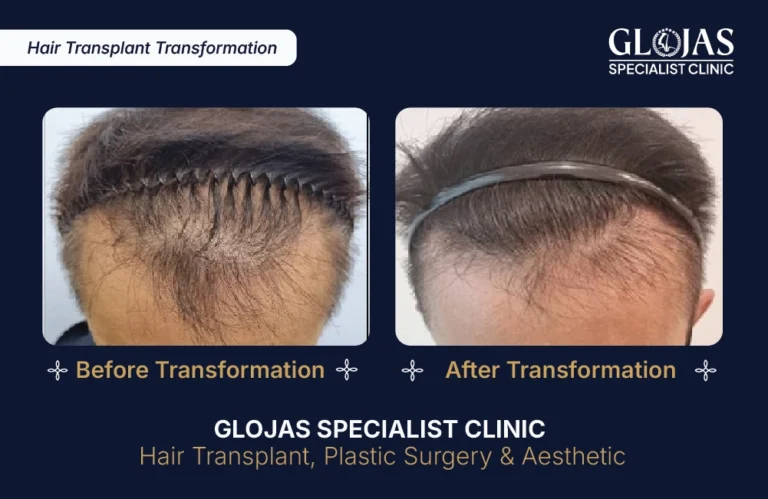
Hair transplant cost typically ranges from RM5 to RM8 per graft, with full packages between RM4,000 and RM32,000 depending on graft count and technique – generally 40-60% cheaper than equivalent procedures in the US, UK, or Australia.
GLOJAS, an award-winning Malaysian clinic, offers rates starting from RM5 per graft, with 100% transparent pricing, zero hidden fees, and MOH-registered surgeons delivering natural, permanent results.
Malaysia Hair Transplant Cost & Clinic Comparison
| Feature / Metric | Malaysian Market Standard | GLOJAS Specialist Clinic |
| Cost Per Graft | RM6.00 – RM15.00 | From RM5.00 |
| Full Package Range | RM8,000 – RM40,000+ | RM4,000 – RM32,000+ |
| International Savings | 40% – 60% cheaper than US, UK, or Australia | Maximum medical tourism value with Western-standard care |
| Pricing Policy | Varies by provider (risk of hidden clinic add-ons) | 100% Transparent / Zero Hidden Fees |
| Medical Credentials | Standard local requirements | MOH-Registered Surgeons (Global/ISHRS credentials) |
| Clinical Results | Variable depending on technique | Natural, permanent, award-winning results |
Pricing varies based on:
Most clinics price by graft count. As a general guide:
Exact pricing depends on your individual assessment. Request a personalized quote after your consultation at GLOJAS Specialist Clinic.
Generally speaking:
Ask our team for a side-by-side quote across techniques based on your case.
Hair transplants are generally considered cosmetic and aren’t typically covered by insurance, except in specific medically necessary cases, such as reconstruction after trauma. Many patients cover the cost through:
Ask our patient coordinators about the financing options available at GLOJAS Specialist Clinic.
Before your procedure, your specialist assesses your hair loss pattern, donor hair quality, scalp condition, and medical history. This is when your technique, graft count, and hairline design are planned. A scalp exam and, often, blood tests confirm you’re a good candidate.
The donor and recipient areas are trimmed and cleaned, and your hairline is marked and reviewed with you before anything begins. The team then moves through extraction, graft preparation, and placement, with breaks for longer sessions.
The procedure is done under local anesthesia, which numbs the scalp while you stay awake and comfortable. Mild sedation is available for anxious patients. Most people describe only mild discomfort during the numbing injections, with little sensation afterward.
Depending on graft count and technique, a session typically takes 4 to 8 hours. Larger cases (3,000+ grafts) may be split across two days to protect graft quality and reduce fatigue.

We look at your hair loss and check your healthy hair. Then, we design a natural hairline that fits your face and meets your goals.

We trim, clean, and prep the back or sides of your head. This area has healthy hair roots that are ready to be moved safely.

We gently remove healthy hair roots one by one. We use special tools to keep the roots safe and protect your scalp from damage.

We carefully place the healthy hair roots into thin or bald spots. We make sure they point in the right direction so they look totally natural.

A normal hair transplant takes about 4 to 8 hours. The time depends on how much hair you need and the style you choose.

After your surgery, we give you clear steps to follow. You will learn how to wash your hair and use medicine to help your new hair heal perfectly.

Professor Dato’ Dr. JasG is the Founder and Medical Director of GLOJAS Specialist Clinic, Malaysia’s #1-ranked hair transplant doctor (MediHair 8.8/10) with over 30 years of clinical experience in surgical hair restoration. A FISHRS Pioneer Fellow and ABHRS Diplomate, he currently serves as President of the Malaysian Hair Restoration Society and is the developer of the SMART™ FUE/FUT/PRP system — a technique that has helped shape national standards for hair transplant in Malaysia.
DIMP, BKM, DSc, MPhil, MSc, BA (Hons), Diplomate ABHRS – distinguished academic and professional titles
LCP (MOH) Certified Doctor in Aesthetic Medicine – licensed by Malaysia’s Ministry of Health
Pioneer in Malaysia – First Diplomate of the American Board of Hair Restoration Surgery (ABHRS)
Pioneer in Malaysia – First Fellow of the International Society of Hair Restoration Surgery (FISHRS)
30+ years of experience in hair restoration and aesthetic medicine
Specialist in FUE, FUT & DHI techniques
Developer of SMART™ FUE, SMART™ FUT, and SMART™ PRP injection methods
MSc in Aesthetic Medicine (UK), MPhil, BA (Hons)
Recipient of the BKM (Distinguished Service Medal)
At GLOJAS, every hair transplant is done entirely by our qualified, internationally trained surgeons. From consultation and hairline design to extraction and implantation, we handle every step ourselves to ensure safe, natural, and lasting results.
Restores density for female pattern hair loss and widening parts by relocating healthy donor follicles to thinning areas of the scalp.
Fills patchy beards, moustaches, and sideburns using scalp donor follicles for permanent, natural-looking facial hair growth.
Rebuilds eyebrows or chest hair lost to genetics, over-plucking, or scarring by implanting single follicular units at precise angles.
A discreet FUE hair transplant technique that extracts and implants grafts without shaving the head, preserving your existing hair length.
Advances a high or receding frontal hairline surgically or with grafts to reduce forehead height and improve facial balance.
Transplants follicles directly into scar tissue on the scalp, beard, or brows to regrow hair where trauma has prevented natural regrowth.
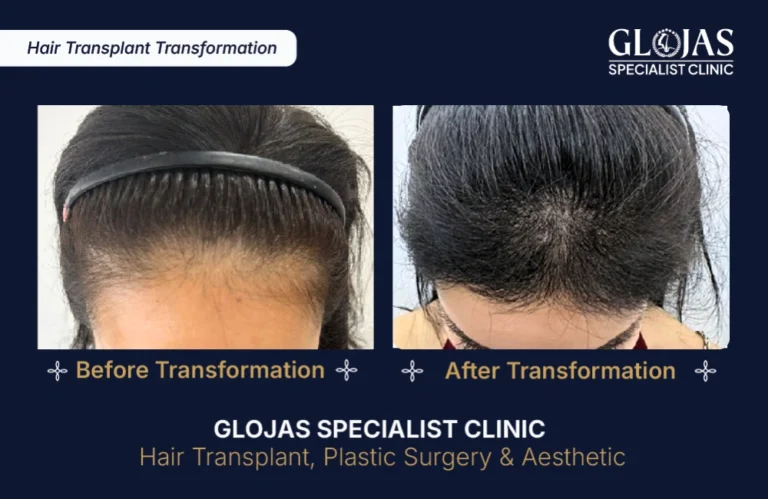
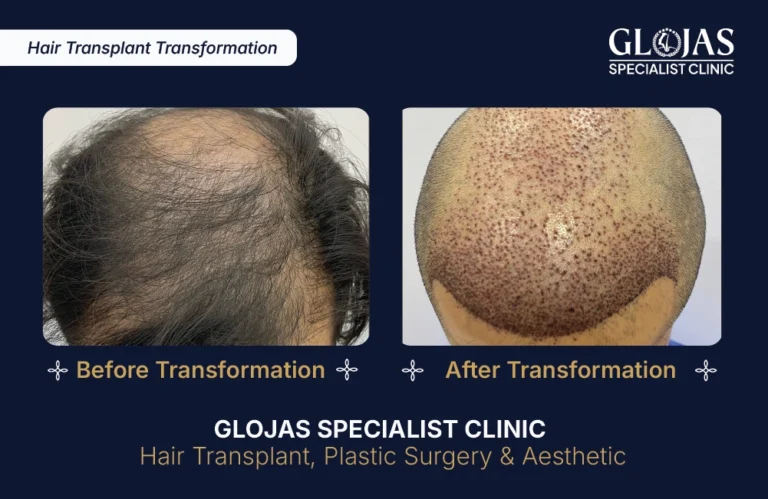
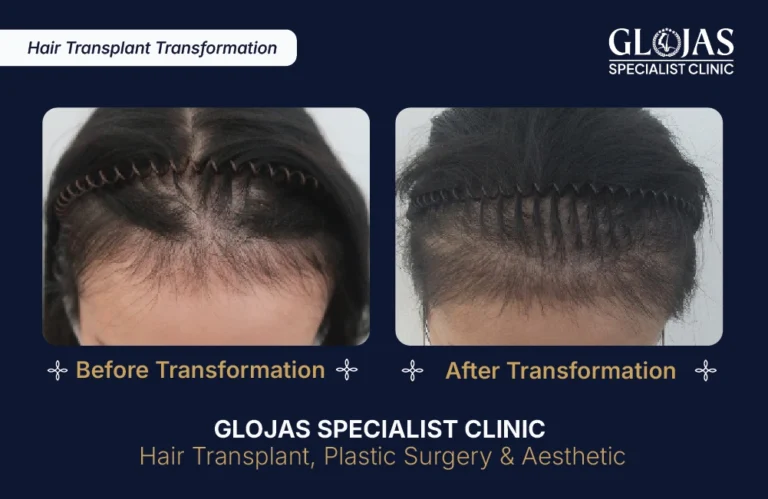
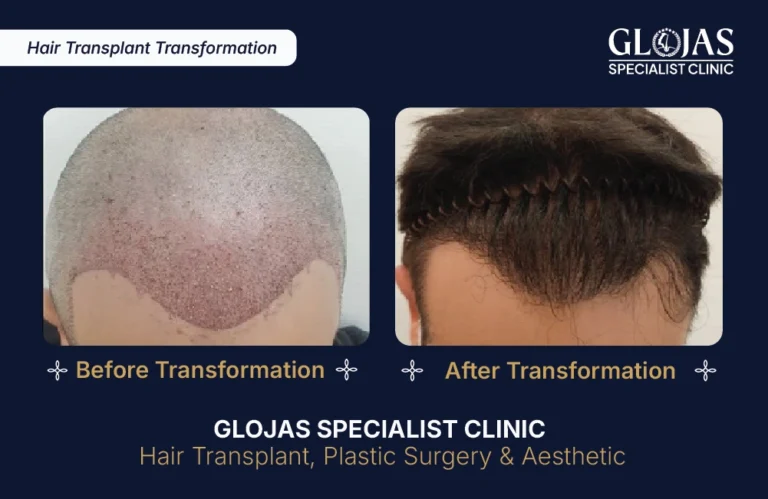
Results depend heavily on donor hair quality, the technique used, and the skill involved in hairline design and graft placement. Most patients see a gradual, natural-looking change over 12–18 months rather than an instant transformation.
With an experienced team, graft survival rates generally fall in the range of 90–95%. Survival can be affected by how long grafts spend outside the body, placement precision, and how closely aftercare instructions are followed.
Because transplanted follicles usually come from areas naturally resistant to balding, transplanted hair is designed to grow permanently in its new location. Surrounding, non-transplanted hair can still thin naturally over time — which is why some patients pair a transplant with medical therapies, like minoxidil or finasteride, to help preserve existing hair.
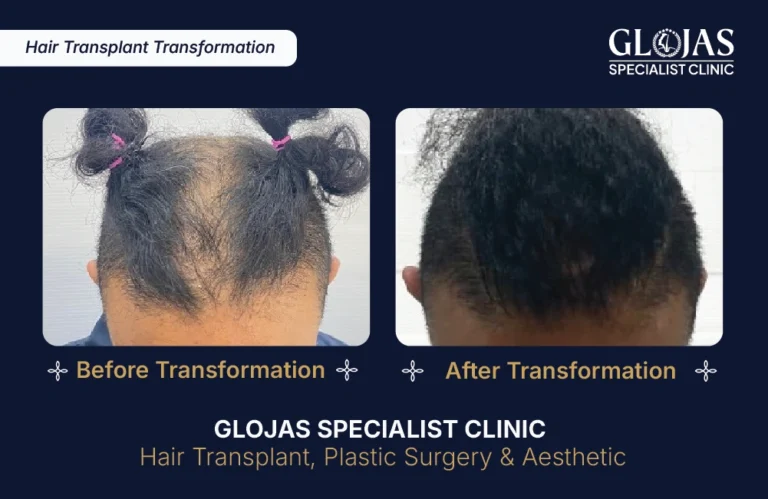
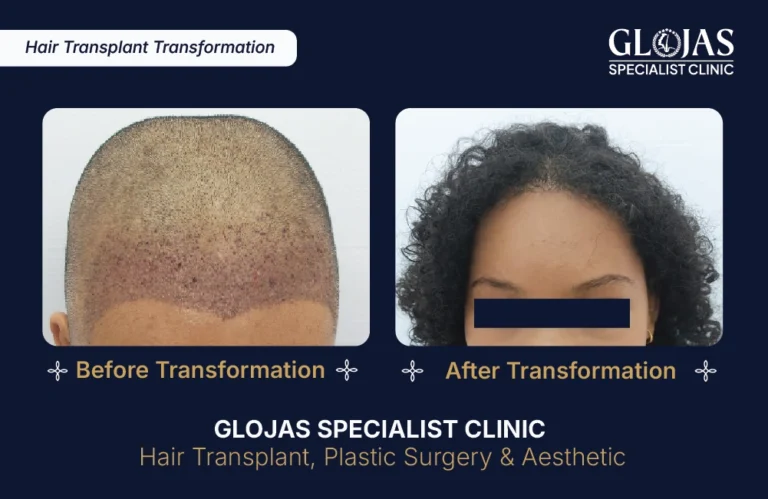
When selecting a surgeon for hair transplantation, credentials serve as your primary safety metric. Professor Dato’ Dr. JasG is one of the few practitioners globally to hold a dual-tier distinction as a Pioneer Fellow of the International Society of Hair Restoration Surgery (FISHRS) and a Diplomate of the American Board of Hair Restoration Surgery (ABHRS).
With over 30 years of clinical experience, Prof. Dato’ Dr. JasG leads the GLOJAS Specialist Clinic in Kuala Lumpur, serving as the President of the Malaysian Hair Restoration Society (MHRS). His practice is defined by rigorous adherence to medical-grade safety, Ministry of Health (MOH) LCP compliance, and evidence-based surgical innovation.
Standard hair transplants often ignore long-term hair progression. The SMART™ System, developed by Professor Dato’ Dr. JasG, is a proprietary, multi-modal protocol designed to maximize graft survival and ensure natural-looking density.
| Feature | The SMART™ Advantage |
| Integrated Workflow | Seamlessly combines FUE techniques with PRP therapy for enhanced follicle viability. |
| Diagnostic Precision | Utilizes digital Trichoscopic Scalp Assessment to map follicle health before incision. |
| Donor Management | Advanced density planning based on Donor Dominance Theory to preserve your long-term supply. |
| Holistic Aesthetics | Incorporates facial balancing to ensure the new hairline complements your unique bone structure. |
We discard “one-size-fits-all” templates. Every procedure at GLOJAS follows a strict, objective diagnostic framework:
Staging & Forecasting: Using the Norwood-Hamilton and Ludwig scales to predict future thinning and place grafts strategically.
Minimal Trauma Protocols: Advanced graft handling efficiency to reduce transection rates and ensure rapid healing.
Corrective Expertise: Specialized intervention for secondary hair transplants, scar repair, and post-traumatic scalp reconstruction.
Expert Note on Safety: “A successful hair transplant is not just about moving hair; it is about preserving the long-term health of the donor area while achieving an aesthetic outcome that ages naturally with the patient.” — Professor Dato’ Dr. JasG
Expect mild swelling, redness, and scabbing around the grafts in week one. General guidance includes:
Contact your clinic promptly if you notice:
Trustindex verifies that the original source of the review is Google. I knew about Glojas through a friend. From the very first consultation everyone was very helpful and friendly. They know what they are doing so rest assured that you are in good hands. I have an eventful experience undergoing my transplant and all staff have cared for me throughout my experience. Thank you Glojas!Trustindex verifies that the original source of the review is Google. I’m searching glojas on instagram and I’m came here to do my hair transplant…now my transplant done with good and the doctor and service all good…Trustindex verifies that the original source of the review is Google. My husband and I travelled from the United States to Malaysia to visit Glojas Specialist Centre. During our consultation with Professor Dato’ Dr Jas, we had the opportunity to discuss my husband’s hair loss concerns and the recommended surgical planning for his hair restoration journey. During the consultation, I also took the opportunity to discuss my own eyebrow concerns. After a thorough evaluation, I decided to proceed with a long-hair eyebrow transplant using a non-shaving approach to enhance my existing eyebrow hair and achieve a fuller, more natural appearance. I was truly amazed by the immediate and instant results of the long-hair eyebrow transplant. Seeing my eyebrows look more defined and natural immediately after the procedure was beyond my expectations. I was surprised and delighted that such an advanced technique could provide such a noticeable transformation right away. I would like to sincerely thank Professor Dato’ Dr Jas and the entire Glojas Specialist Centre team for their dedication, professionalism, and exceptional care throughout the process. Their efforts have helped me achieve the eyebrows I have always dreamed of, and I am truly grateful for the wonderful experience. I highly appreciate the expertise and commitment of the entire team and would gladly recommend Glojas Specialist Centre to anyone considering hair or eyebrow restoration.Trustindex verifies that the original source of the review is Google. I had my hair transplant at Glojas Malaysia with Dr. Jasg, and the experience was excellent from start to finish. Dr. Jasg was professional, patient, and explained every step clearly, making me feel comfortable throughout the procedure. The nurses and staff were also friendly, caring, and attentive. The clinic was clean and well organized. Highly recommend Glojas and Dr. Jasg to anyone considering a hair transplant!Trustindex verifies that the original source of the review is Google. I travelled all the way from the United States to Malaysia to visit Glojas Specialist Centre. After conducting extensive research, including reviewing information through ChatGPT, I found that Glojas is recognised as one of most reliable and best hair transplant clinics in Asia. Following my consultation, I decided to proceed with a hair transplant to improve my hair density, strengthen and redefine my hairline, and restore the back portion of my sideburns, which had shifted following my facelift procedure. I was concerned about shaving my head and the doctor did an incredible procedure where the donor area was shaved in a way that it is not visible and I am extremely pleased with the results . The entire experience was exceptional. The procedure was performed smoothly, professionally, and comfortably, with no pain or discomfort throughout the process. I am extremely satisfied and grateful for my decision to travel such a long distance for this treatment. I am now on my second day after the procedure, and the post-graft care and support provided by Glojas have exceeded my expectations. The team has demonstrated excellent professionalism, care, and attention to detail from start to finish. Overall, Glojas Specialist Centre has provided an outstanding experience, and I would confidently rate them five stars. I highly recommend Glojas Specialist Centre to anyone considering a hair transplant and looking for a trusted, professional, and high-quality clinic.Trustindex verifies that the original source of the review is Google. Awesome staff! I love their personalized approach and how they created a tailor-made plan for meTrustindex verifies that the original source of the review is Google. Great experience at Glojas with Dato Jas and his staff!Trustindex verifies that the original source of the review is Google. I come from Pakistan to work in Malaysia. Start treatment on 2018 at Glojas and start medication, my hair all grow. But when i go back Pakistan, Covid hit and i missed the supply. Now continue treatment again and looking forward for the good result again😆Trustindex verifies that the original source of the review is Google. Sangat berbaloi memilih GLOJAS untuk tanam rambut. Doktor sangat teliti dan mengambil masa untuk mereka bentuk hairline saya agar nampak semula jadi. Staf juga banyak membantu memberi panduan penjagaan selepas prosedur. Sangat disyorkan kepada sesiapa yang ingin mendapatkan kembali keyakinan diri.Trustindex verifies that the original source of the review is Google. 刚植发,感觉很好,医护人员也很用心Google rating score: 4.9 of 5, based on 1312 reviews
Yes. Transplanted follicles are generally resistant to DHT (the hormone associated with pattern hair loss), meaning the transplanted hair is intended to provide long-term growth in its new location. However, non-transplanted native hair around the area may still thin naturally over time.
A hair transplant is performed under local anesthesia, so significant pain during the procedure is generally avoided. Patients may feel minor pinpricks during the initial numbing phase, followed by some tightness, tenderness, or mild soreness during recovery.
Yes. Hair transplants can be suitable for some women experiencing female pattern hair loss, traction alopecia, stable hairline recession, or other forms of localized hair loss, provided there is an appropriate donor area and the underlying cause of hair loss has been evaluated.
Modern hair transplants achieve a high success rate, with graft survival rates typically ranging between 90% to 95% when performed by an experienced surgical team using advanced FUE or FUT techniques. Outcomes depend on proper donor management, patient health, and strict adherence to post-operative aftercare guidelines.
The required number of grafts typically ranges from 1,500 to 3,000 grafts for a standard hairline or frontal restoration, while extensive hair loss involving both the frontal area and the crown can require 3,500 to 5,000+ grafts. The exact count depends on your balding scale (Norwood classification), hair caliber, and available donor density.
A hair transplant in Malaysia generally costs between RM RM4,000–32,000 and RM5–8 per graft (approx. USD $2,200 to $5,500+), depending heavily on the total number of grafts needed and the surgical technique used (FUE vs. FUT). Pricing is normally calculated either on a per-graft basis or offered as a flat package fee.
Hair transplant procedures in Malaysia should be performed in appropriately licensed healthcare facilities by properly registered and credentialed medical professionals. Patients should verify the clinic's credentials, the doctor's registration and relevant qualifications, and who will actually perform each stage of the procedure.
The right clinic should be selected based on the experience and credentials of the medical team, quality of patient results, surgical involvement, treatment approach, donor-area management, aftercare, and transparency about pricing and risks. Patients should compare clinics based on these factors rather than choosing solely on price or advertised graft numbers.
Most international medical tourists can enter Malaysia visa-free for tourism or short visits ranging from 30 to 90 days depending on nationality. However, patients staying for extensive multi-stage medical treatments or utilizing official pathways via the Malaysia Healthcare Travel Council (MHTC) can coordinate specialized medical travel facilitation and visa extensions if required.
Malaysia offers a balanced middle ground: costs are highly competitive (averaging $2,200 – $5,500), sitting well below Singapore ($6,000 – $12,000+) while matching the rigorous medical standards of Southeast Asia. Turkey remains cheaper (often $1,500 – $3,500), but Malaysia provides stringent Ministry of Health medical oversight, personalized doctor involvement, and direct follow-up care without "hair mill" volume practices.
Your donor hair is a limited resource, so assessing it is an important part of determining whether you are a suitable candidate. During a consultation, your surgeon can evaluate donor density, hair characteristics, your current pattern of hair loss, and the likelihood of future thinning to develop an appropriate treatment plan.
Possibly, but ongoing hair loss should be considered before surgery. A hair transplant restores hair in specific areas but does not necessarily stop existing hair from thinning. Your surgeon can assess the cause and progression of your hair loss and recommend a treatment strategy designed around your long-term results.
In some cases, yes. Depending on your hair length, donor density, treatment area, and number of grafts required, a surgeon may be able to perform a procedure with limited or minimal shaving. Your options can be discussed during your consultation if keeping the procedure discreet is important to you.
Temporary shedding is common during the early stages of recovery. Transplanted hairs can shed while the follicles remain in place, and existing hair may also temporarily shed. This can make the hair appear thinner before new growth begins. Early appearance should not be considered the final result.
This varies from person to person. Redness, swelling, scabbing, and short transplanted hairs can make the procedure noticeable during the initial recovery period. Your clinic should explain the expected recovery timeline based on your procedure and individual circumstances.
Some temporary unevenness or patchiness can occur as the donor area heals following FUE. Short hairs, scabbing, redness, and swelling can affect its appearance during recovery. If the area remains unusually patchy or you are concerned about your healing, it should be reviewed by your surgeon.
A hair transplant can be an option for some patients with crown thinning. However, the crown can require careful graft planning, particularly if you have ongoing hair loss. Your donor supply, existing hair density, pattern of thinning, and long-term goals should all be assessed before deciding whether transplantation is appropriate.
Look beyond advertised graft numbers and before-and-after photographs. Ask about the surgeon's experience, who performs each stage of the procedure, how your donor area will be managed, which technique is recommended for you, and what results you can realistically expect. A thorough consultation should include both the potential benefits and limitations of treatment.
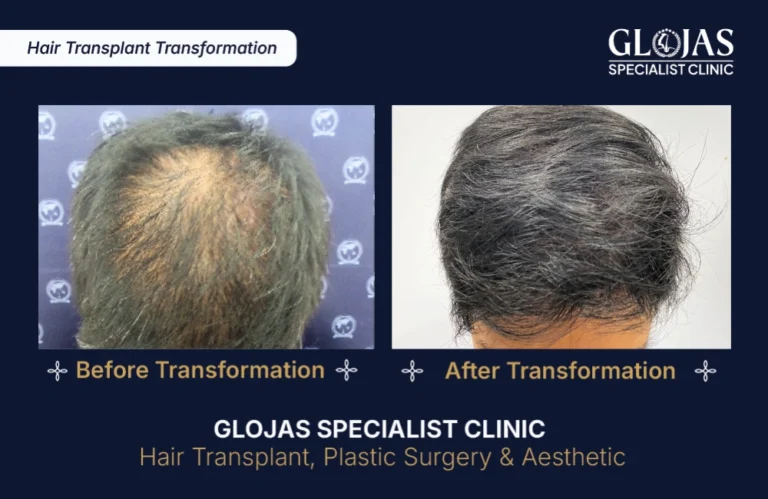
Ask whether the photographs are from the clinic's own patients and whether the images were taken under comparable lighting, angles, and hair lengths. It is also useful to ask whether the patients shown had a similar pattern and degree of hair loss to yours. Authentic, consistent results are more informative than highly edited promotional images.
Hair growth after transplantation is gradual, and six months may still be part of the growth and maturation process. Results vary between patients, and transplanted hair can continue to improve beyond this stage. If your progress concerns you, your surgeon can assess your growth and determine whether it is developing as expected.
