
Ear Otoplasty: 5 Essential Benefits You Should Know
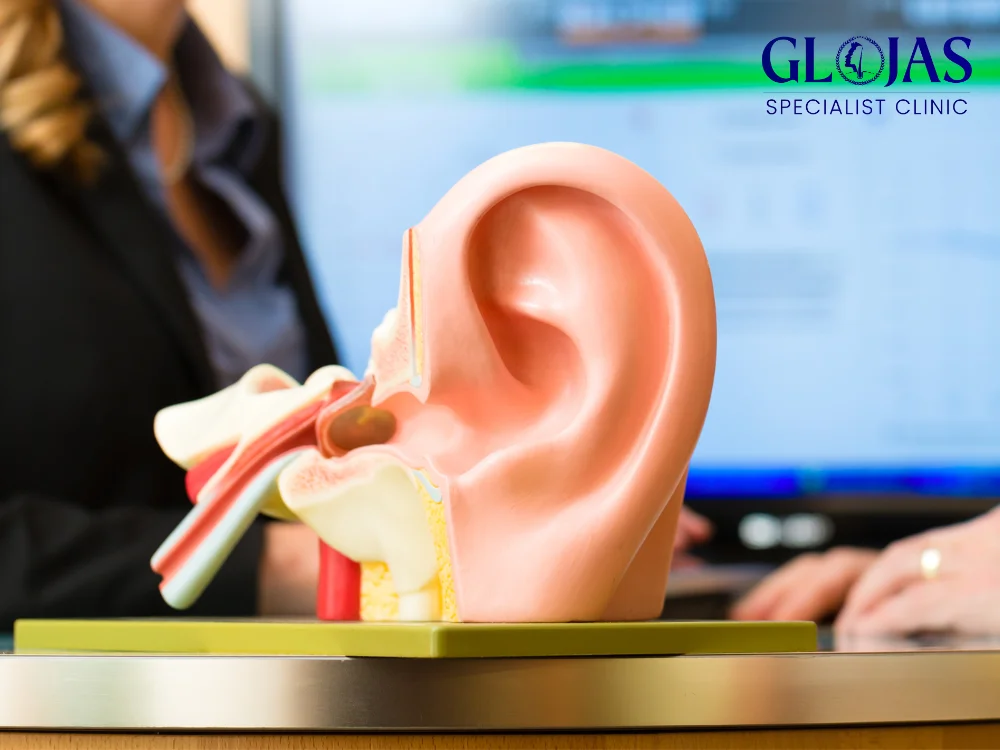
Ear otoplasty, commonly referred to as ear reshaping surgery, is a cosmetic procedure designed to improve the appearance of the ears, often addressing issues like protruding ears, asymmetry, or deformities. For individuals feeling self-conscious about the shape, size, or position of their ears, otoplasty can provide life-changing results. In this comprehensive guide, we’ll explore what ear otoplasty entails, its benefits, potential risks, and the factors that influence the decision to undergo this procedure. What Is Ear Otoplasty? Ear otoplasty is a surgical procedure that alters the shape, position, or size of the ears. It is most commonly performed to pin back ears that stick out too far from the head, but it can also address other ear-related issues, such as correcting ear deformities or repairing damage from injury. The goal of otoplasty is to create a more balanced and symmetrical appearance, which can significantly boost a person’s confidence. Otoplasty is suitable for both children and adults, though the procedure is often performed on children between the ages of 5 and 14. By this age, the ears have typically grown to their full size, making it an appropriate time to consider surgery if there are noticeable concerns. How Much Does Ear Otoplasty Cost? The cost of ear otoplasty varies depending on several factors, including the surgeon’s experience, the geographic location of the clinic, and the complexity of the procedure. On average, ear otoplasty can range from $3,000 to $6,000, though this can fluctuate based on individual circumstances. Key cost factors include: Surgeon’s expertise: More experienced surgeons may charge higher fees. Location: Clinics in major cities or regions with high demand for cosmetic surgery often have higher costs. Extent of correction: Minor adjustments will cost less than more complex surgeries that require significant reshaping. Insurance typically does not cover otoplasty when it’s performed for cosmetic reasons. However, in cases where the surgery is deemed medically necessary (such as for repairing a birth defect or injury), partial coverage might be available. Who Is a Good Candidate for Ear Otoplasty? Ear otoplasty is suitable for individuals who are unhappy with the appearance of their ears, particularly if the ears stick out or are asymmetrical. Candidates should be in good health, have realistic expectations for the outcome, and not have any existing ear infections or serious medical conditions that could affect healing. Ideal candidates include: Children over the age of 5: By this age, the ears have grown to their adult size, making it possible to achieve permanent results. Teens and adults: Anyone unhappy with the appearance of their ears and seeking cosmetic improvement. People with ear deformities: Individuals born with congenital ear deformities or those who have suffered ear trauma may benefit from otoplasty to restore a more natural appearance. What Are the Benefits of Ear Otoplasty? The benefits of ear otoplasty go beyond aesthetic enhancement. Below are some key advantages: 1. Improved Confidence and Self-Esteem For many individuals, large or protruding ears can be a source of insecurity, particularly for children who may face teasing or bullying at school. Otoplasty can greatly improve self-confidence by bringing the ears into better proportion with the rest of the face. 2. Permanent Results Unlike non-surgical treatments, which may require maintenance, otoplasty offers permanent results. Once the ears have been reshaped, they will remain in their new position for life, provided there are no future injuries. 3. Customizable Procedure One of the major advantages of ear otoplasty is that it can be tailored to meet the specific needs and concerns of each patient. Whether it’s reducing the prominence of the ears, correcting asymmetry, or repairing deformities, the surgery can be personalized to achieve the desired outcome. 4. Minimal Scarring Otoplasty typically involves small incisions made behind the ear, which means that scarring is minimal and well-hidden. For most patients, any scars will be virtually invisible after healing. 5. Short Recovery Time The recovery time for ear otoplasty is relatively short compared to other cosmetic surgeries. Most patients can return to normal activities, including work or school, within a week. There may be some swelling and discomfort during the initial healing phase, but this typically resolves within a few days. What to Expect During Ear Otoplasty Surgery Ear otoplasty is generally performed on an outpatient basis under local anesthesia for adults or general anesthesia for children. The procedure typically lasts two to three hours, depending on the extent of correction needed. Steps involved in the procedure: Incisions: The surgeon makes small incisions behind the ear to access the cartilage. Cartilage reshaping: Depending on the desired outcome, the surgeon may remove or reshape the ear cartilage to create a more natural contour. Sutures: Permanent sutures are used to hold the ear in its new position. Closure: The incisions are closed with stitches, and a bandage is applied to protect the area. After surgery, patients are usually sent home with post-operative instructions, which may include wearing a headband to protect the ears during the healing process. Risks and Complications While ear otoplasty is generally safe, as with any surgery, there are potential risks and complications to be aware of: Infection: As with any surgical procedure, there’s a risk of infection at the incision sites. Proper aftercare reduces this risk. Asymmetry: In some cases, the ears may not heal symmetrically, requiring additional procedures. Scarring: While rare, visible scarring can occur, particularly if the healing process is interrupted. Changes in skin sensation: Some patients may experience temporary numbness or tingling around the ear area following surgery. Patients should discuss these risks with their surgeon during the consultation phase to ensure they have a clear understanding of what to expect. FAQs About Ear Otoplasty 1. How long does ear otoplasty take? The surgery typically takes two to three hours, depending on the complexity of the procedure and the extent of correction needed. 2. Is ear otoplasty painful? Most patients experience only mild discomfort following the surgery. Pain can usually be managed with over-the-counter pain medications. The
Ultimate Guide to Perfect Dimple Creation: 7 Things You Must Know Before the Procedure
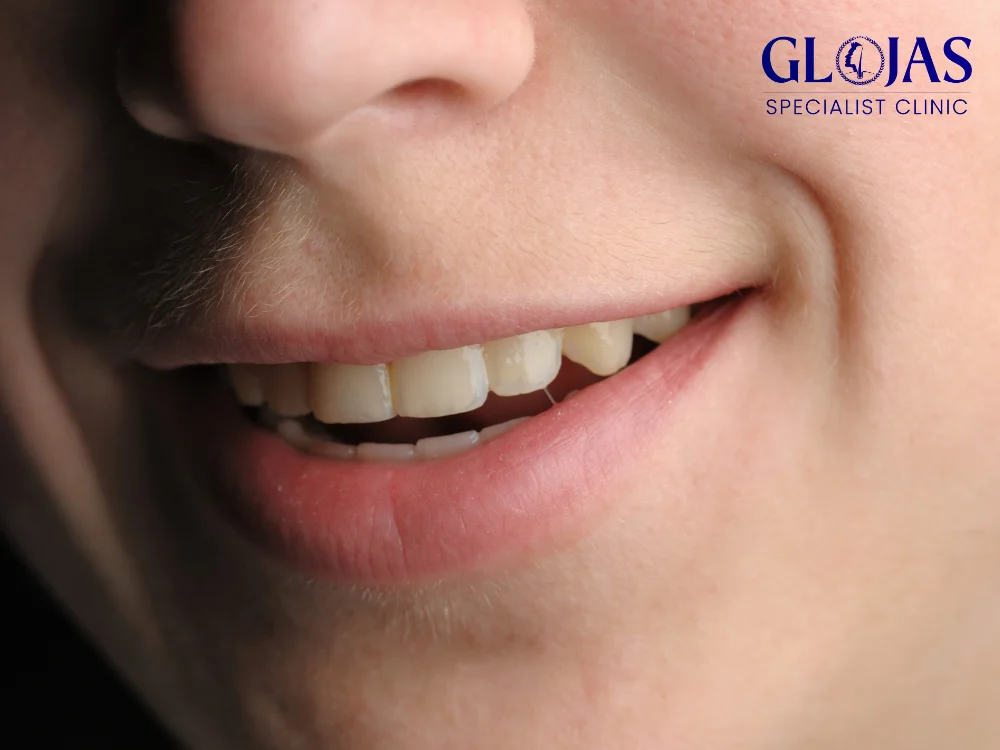
Dimples are widely considered a symbol of beauty and charm. Whether they’re found on cheeks or the chin, dimples add character and uniqueness to a person’s face. Over time, more people have become interested in cosmetic procedures to enhance or create these natural features. This article will explore dimple creation, including what it involves, how the procedure works, and important considerations to bear in mind. If you’re curious about undergoing this cosmetic treatment, read on for the comprehensive guide. What is Dimple Creation? Dimple creation is a cosmetic procedure designed to mimic the natural indentations some people have on their cheeks or chin. This surgical process is minimally invasive and aims to create dimples that appear when a person smiles or moves their facial muscles. Many individuals opt for this treatment to enhance facial aesthetics and achieve a more defined or playful look. How Does Dimple Creation Work? During a dimple creation procedure, a surgeon makes a small incision inside the mouth where the dimple is to be formed. The surgeon then uses sutures to attach the skin to the underlying muscle, creating a permanent indentation when smiling. This process is typically performed under local anesthesia and can be completed in less than an hour, making it a popular choice for those seeking fast results with minimal downtime. Types of Dimple Creation Cheek Dimples: The most common type of dimple creation is on the cheeks. These dimples often appear when a person smiles and can be placed in different areas, depending on the patient’s preference. Chin Dimples: Often called a “cleft chin,” this type of dimple is located at the center of the chin and gives a more structured or masculine appearance. Custom Dimples: Some patients may choose to have unique or asymmetrical dimples that are less traditional, based on their facial structure and aesthetic goals. Benefits of Dimple Creation The decision to undergo dimple creation surgery can stem from a variety of motivations. Here are a few benefits people may experience after the procedure: 1. Enhanced Facial Appeal Many individuals find dimples appealing because they add character and distinction to the face. Whether you’re aiming for a youthful, playful look or a more sculpted appearance, dimples can accentuate your features and highlight your smile. 2. Minimal Downtime Unlike other cosmetic procedures, dimple creation has a relatively quick recovery time. Most patients return to their regular activities within a few days. Swelling and bruising are common but typically subside within a week. 3. Permanent Results Once the sutures dissolve and the dimple heals, the results are long-lasting. The newly created dimple becomes a permanent feature of the face, visible whenever the facial muscles are engaged. The Dimple Creation Procedure: What to Expect Pre-Procedure Consultation Before the surgery, a consultation with your cosmetic surgeon is essential. During this meeting, you’ll discuss your desired outcome, the placement of the dimples, and any risks or concerns. Your surgeon will examine your facial structure and advise you on the most suitable options. Step-by-Step Surgical Process Local Anesthesia: To ensure a comfortable experience, the surgeon will administer local anesthesia inside the mouth at the site of the incision. Incision Inside the Cheek: A small, hidden incision is made inside the cheek. This allows the surgeon to manipulate the skin and create the dimple. Sutures: The surgeon stitches the inside of the cheek to the muscle, creating the desired indentation. Healing Process: The stitches dissolve naturally over time, leaving the newly formed dimple as the tissue heals. Aftercare and Recovery After the surgery, you’ll be given post-operative care instructions to ensure a smooth recovery. Common aftercare tips include: Avoiding hard or chewy foods for the first few days. Keeping the mouth clean to prevent infection. Applying ice packs to reduce swelling. Following any prescribed medications or oral rinses to assist with healing. Patients can expect to see their final results within a few weeks, as swelling subsides and the tissues settle into their new shape. Risks and Considerations As with any surgical procedure, there are risks involved in dimple creation, though they are generally minimal when performed by a skilled surgeon. Potential complications include: Infection: As the incision is made inside the mouth, bacteria can enter the wound if proper hygiene isn’t maintained. Scarring: While scarring inside the mouth is hidden, there is a small chance of noticeable external scars if complications arise. Asymmetry: The dimples may not be perfectly symmetrical, especially if only one dimple is created. However, slight asymmetry is often seen as more natural. It’s important to discuss all possible risks with your surgeon during the consultation phase to ensure you’re well-informed before the procedure. Who is a Good Candidate for Dimple Creation? Not everyone is an ideal candidate for dimple creation surgery. The best candidates typically meet the following criteria: Good Overall Health: Patients should be in good general health without any serious medical conditions that could complicate healing. Realistic Expectations: It’s important for patients to have realistic expectations about the outcome and understand the nature of the procedure. Non-Smokers: Smoking can interfere with the healing process, so individuals who smoke may need to quit before undergoing surgery. Dimple Creation Cost The cost of dimple creation can vary depending on the surgeon’s expertise, location, and the complexity of the procedure. On average, patients can expect to pay between $1,500 and $3,000. It’s crucial to choose a board-certified cosmetic surgeon with experience in facial procedures to ensure the best results. FAQs about Dimple Creation Is dimple creation surgery painful? No, the procedure is generally painless as local anesthesia is used. Patients may experience some discomfort during recovery, but this is typically manageable with over-the-counter pain relievers. How long does the procedure take? The procedure usually takes 30 minutes to an hour, depending on the number of dimples being created. Are the results permanent? Yes, once the dimple has healed, the results are permanent. Can I choose the placement of my dimples? Yes, during your consultation, you
Cara Nak Buang Lemak di Pinggang: Panduan Liposuction
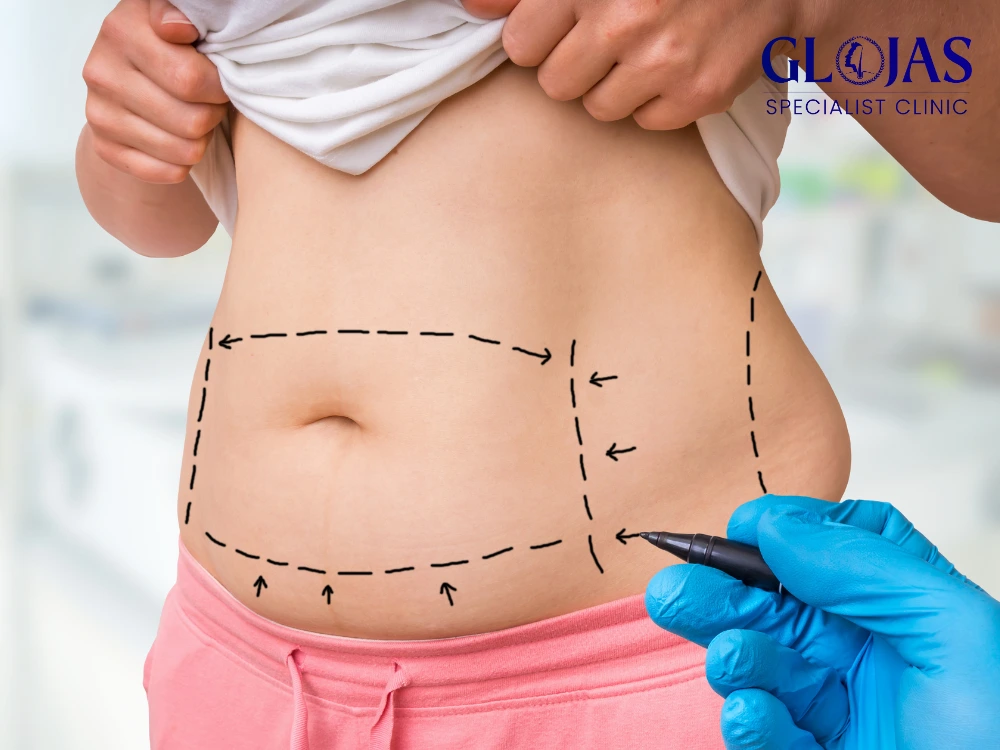
Kebanyakan orang menginginkan penampilan yang ideal dan tubuh yang langsing. Salah satu kawasan yang sering menjadi perhatian adalah pinggang, di mana lemak berlebihan boleh memberi kesan negatif kepada bentuk badan. Dalam usaha untuk mengatasi masalah ini, prosedur liposuction telah menjadi pilihan popular bagi mereka yang ingin buang lemak di pinggang. Artikel ini akan mengupas segala yang perlu anda ketahui tentang liposuction, termasuk prosedur, kelebihan, risiko, dan faktor yang mempengaruhi keputusan. Apa Itu Liposuction? Liposuction, atau sedutan lemak, adalah prosedur pembedahan kosmetik yang bertujuan untuk menghilangkan lemak berlebihan dari pelbagai kawasan tubuh. Teknik ini boleh dilakukan di kawasan tertentu, termasuk pinggang, abdomen, punggung, dan paha. Bagi individu yang berusaha untuk buang lemak di pinggang, liposuction menawarkan solusi yang efektif untuk mencapai bentuk badan yang diinginkan. Bagaimana Liposuction Berfungsi? Proses liposuction melibatkan beberapa langkah utama: Konsultasi Awal: Sebelum menjalani prosedur, pesakit perlu bertemu dengan pakar bedah untuk membincangkan keperluan dan harapan mereka. Ini adalah masa untuk memahami teknik yang akan digunakan dan menjelaskan sebarang kebimbangan yang mungkin ada. Persiapan dan Anestesia: Sebelum pembedahan, pesakit akan diberikan anestesia, sama ada secara tempatan atau umum, bergantung kepada kawasan dan jumlah lemak yang akan diambil. Pembedahan: Doktor akan membuat beberapa sayatan kecil di kawasan pinggang dan menggunakan alat yang dikenali sebagai kanula untuk menyedut lemak. Proses ini biasanya mengambil masa beberapa jam. Pemulihan: Selepas prosedur, pesakit akan diminta untuk berehat dan mengikuti arahan pemulihan yang diberikan oleh doktor. Ini termasuk penjagaan luka dan pengelakan aktiviti fizikal yang berat. Kenapa Memilih Liposuction untuk Buang Lemak di Pinggang? Liposuction adalah pilihan popular untuk mereka yang ingin buang lemak di pinggang kerana beberapa sebab: 1. Hasil Segera Salah satu kelebihan utama liposuction adalah hasil yang dapat dilihat segera. Selepas prosedur, pesakit biasanya dapat melihat perubahan ketara pada bentuk pinggang mereka, yang dapat meningkatkan keyakinan diri dengan serta-merta. 2. Menyasarkan Kawasan Spesifik Liposuction membolehkan pesakit menyasarkan kawasan tertentu yang sukar untuk diatasi melalui diet dan senaman. Jika anda mengalami lemak yang sukar di pinggang, liposuction mungkin menjadi solusi yang berkesan. 3. Prosedur yang Relatif Cepat Walaupun liposuction adalah prosedur pembedahan, ia biasanya dapat diselesaikan dalam beberapa jam, dan pesakit sering dapat pulang ke rumah pada hari yang sama. Ini menjadikannya pilihan yang praktikal bagi mereka yang tidak mempunyai masa untuk pemulihan yang panjang. 4. Hasil Jangka Panjang Dengan gaya hidup yang sihat selepas prosedur, hasil dari liposuction boleh bertahan lama. Ini bermakna pesakit boleh menikmati penampilan yang lebih baik untuk jangka masa yang panjang jika mereka menjaga pemakanan dan senaman. Siapa yang Sesuai untuk Liposuction? Tidak semua orang adalah calon yang sesuai untuk liposuction. Untuk mendapatkan hasil terbaik dari prosedur ini, pesakit perlu memenuhi beberapa kriteria: 1. Kesihatan yang Baik Pesakit harus berada dalam keadaan kesihatan yang baik dan tidak mempunyai masalah kesihatan yang serius yang boleh mempengaruhi proses pemulihan. 2. Berat Badan Stabil Individu yang mempunyai berat badan yang stabil dan tidak mengalami fluktuasi berat badan yang besar lebih cenderung untuk mendapatkan hasil yang baik daripada liposuction. 3. Kehadiran Lemak Berlebihan Liposuction paling berkesan untuk menghilangkan lemak yang tidak dapat diatasi melalui diet dan senaman. Jika anda mempunyai lemak berlebihan di pinggang yang tidak berkurang walaupun selepas usaha yang konsisten, liposuction mungkin pilihan yang tepat. Kelebihan dan Manfaat Liposuction Terdapat banyak kelebihan yang ditawarkan oleh liposuction, terutamanya bagi mereka yang ingin buang lemak di pinggang. Berikut adalah beberapa manfaat utama: 1. Meningkatkan Penampilan Salah satu manfaat paling ketara dari liposuction adalah peningkatan penampilan. Dengan menghilangkan lemak berlebihan, pesakit dapat mencapai bentuk badan yang lebih langsing dan menarik. 2. Meningkatkan Keyakinan Diri Kehilangan lemak di kawasan pinggang boleh memberi impak positif terhadap keyakinan diri seseorang. Banyak individu melaporkan perasaan yang lebih baik tentang diri mereka selepas menjalani prosedur ini. 3. Meningkatkan Kualiti Hidup Dengan penampilan yang lebih baik dan keyakinan diri yang meningkat, ramai pesakit merasakan peningkatan dalam kualiti hidup mereka. Mereka mungkin lebih cenderung untuk bergaul sosial dan terlibat dalam aktiviti yang sebelum ini mereka elakkan. 4. Proses Pemulihan yang Cepat Kebanyakan pesakit dapat kembali ke rutin harian mereka dalam beberapa minggu selepas prosedur. Ini menjadikan liposuction pilihan yang menarik bagi mereka yang tidak mahu menghabiskan terlalu banyak masa untuk pemulihan. Risiko dan Kesan Sampingan Seperti mana-mana prosedur pembedahan, terdapat risiko dan kesan sampingan yang perlu dipertimbangkan sebelum menjalani liposuction untuk buang lemak di pinggang. Beberapa risiko yang mungkin termasuk: 1. Kemerahan dan Pembengkakan Kawasan yang dirawat mungkin mengalami kemerahan dan pembengkakan selepas prosedur. Ini adalah normal dan biasanya akan pulih dalam beberapa hari. 2. Rasa Sakit Pesakit mungkin mengalami rasa sakit atau ketidakselesaan selepas prosedur. Doktor biasanya akan memberikan ubat untuk membantu mengatasi masalah ini. 3. Jangkitan Seperti prosedur pembedahan lain, terdapat risiko jangkitan. Pesakit perlu mengikuti arahan penjagaan selepas pembedahan untuk mengurangkan risiko ini. 4. Kesan Sampingan Lain Kesan sampingan lain termasuk parut, kehilangan sensasi di kawasan yang dirawat, dan dalam kes yang jarang berlaku, pembekuan darah. Oleh itu, adalah penting untuk berbincang dengan doktor mengenai semua risiko yang mungkin. Persediaan Sebelum Liposuction Sebelum menjalani liposuction untuk buang lemak di pinggang, terdapat beberapa langkah persediaan yang perlu diambil: 1. Pemilihan Klinik Pilih klinik yang mempunyai reputasi baik dan pakar bedah yang berpengalaman dalam liposuction. Lakukan penyelidikan mengenai latar belakang doktor dan pengalaman mereka dalam prosedur ini. 2. Konsultasi Hadiri sesi konsultasi untuk membincangkan keperluan dan harapan anda dengan doktor. Ini adalah peluang untuk bertanya mengenai prosedur, risiko, dan apa yang boleh dijangkakan selepas pembedahan. 3. Kewangan Buat anggaran untuk harga rawatan buang lemak di pinggang. Kos liposuction boleh berbeza-beza bergantung kepada lokasi, teknik yang digunakan, dan pengalaman doktor. Pastikan anda memahami semua kos yang terlibat sebelum membuat keputusan. 4. Mengubah Gaya Hidup Walaupun liposuction adalah prosedur yang berkesan, mengubah gaya hidup juga penting. Pesakit disyorkan untuk mengamalkan pemakanan sihat dan senaman secara berkala sebelum dan selepas prosedur untuk memastikan hasil yang lebih baik. Proses Pemulihan Selepas menjalani liposuction untuk buang lemak di pinggang, proses pemulihan adalah penting untuk memastikan hasil yang terbaik. Berikut adalah beberapa langkah yang perlu diambil: 1. Ikuti Arahan Doktor Patuhi semua arahan yang diberikan oleh doktor mengenai penjagaan selepas pembedahan. Ini
Ultimate Guide to Fat Transfer Augmentation: A Natural and Effective Solution
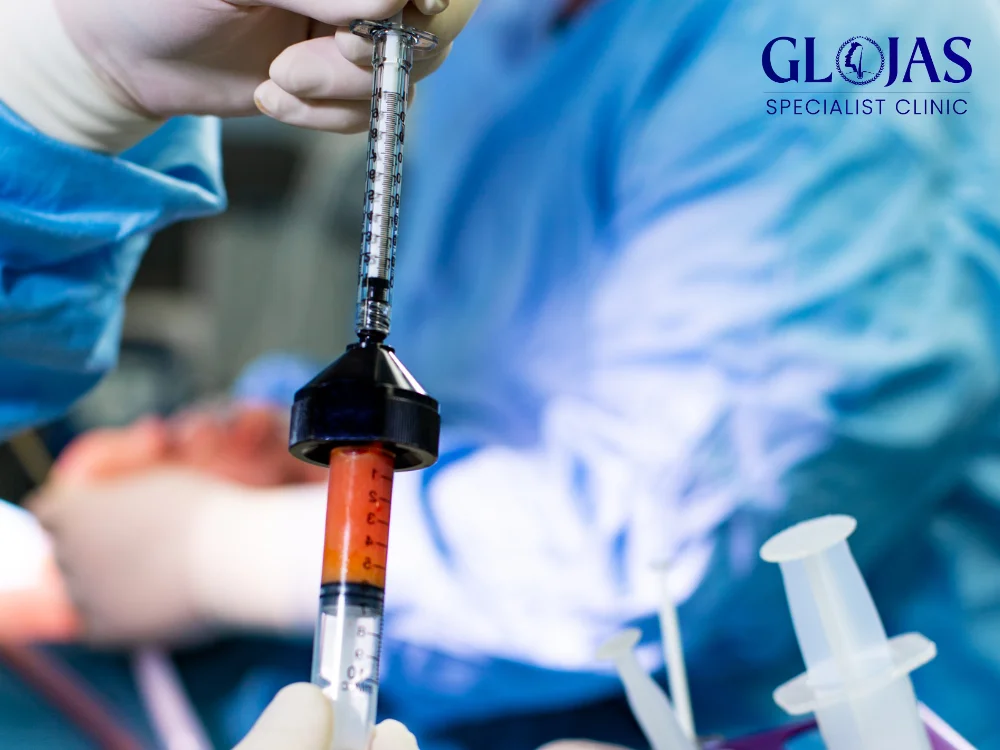
Fat transfer augmentation, also known as fat grafting or lipofilling, has revolutionized cosmetic and reconstructive procedures. This innovative approach allows individuals to enhance their features by using their body’s natural fat, ensuring a safe, customizable, and minimally invasive solution. In this comprehensive guide, we’ll dive deep into everything you need to know about fat transfer augmentation, from its benefits to potential risks, the procedure itself, and post-operative care. What is Fat Transfer Augmentation? Fat transfer augmentation is a cosmetic procedure that involves transferring fat from one area of the body to another to add volume, improve contours, or rejuvenate aging features. The technique utilizes liposuction to harvest fat from donor areas such as the abdomen, thighs, or flanks. The collected fat is then processed and injected into the desired site, such as the face, breasts, buttocks, or hands. Key Benefits of Fat Transfer Augmentation Natural Results: Since it uses the patient’s fat, results are softer and more natural-looking. Dual Benefits: Not only does it enhance the target area, but it also contours the donor site. Minimal Risk of Rejection: As the fat comes from your own body, the likelihood of allergic reactions or rejection is nearly nonexistent. How Does Fat Transfer Augmentation Work? Step 1: Consultation and Planning During the initial consultation, your cosmetic surgeon evaluates your goals, medical history, and body composition. The surgeon identifies potential donor areas and discusses realistic outcomes to align expectations. Step 2: Fat Harvesting Liposuction is performed to collect fat cells from areas with excess fat. Common donor sites include: Abdomen Thighs Love handles Step 3: Fat Processing The extracted fat is purified to remove impurities, ensuring only healthy fat cells are used. Advanced centrifuge systems are employed for optimal filtration. Step 4: Fat Injection The purified fat is injected into the target area using fine cannulas for precise placement. Surgeons carefully layer the fat to achieve symmetrical and natural-looking results. Popular Areas for Fat Transfer Augmentation 1. Breast Augmentation Fat transfer to the breasts is ideal for those seeking subtle volume enhancement without implants. This method is particularly appealing for women looking for a natural alternative to silicone or saline implants. 2. Buttock Enhancement The Brazilian Butt Lift (BBL) is a well-known fat grafting technique to enhance the shape and size of the buttocks, providing a curvier silhouette. 3. Facial Rejuvenation Facial fat transfer restores lost volume in areas like the cheeks, under-eye hollows, and nasolabial folds. It’s a popular anti-aging solution for achieving a youthful appearance. 4. Hand Rejuvenation As hands age, they lose fat, making veins and tendons more prominent. Fat transfer smooths the appearance of the hands and rejuvenates their texture. Who is a Good Candidate for Fat Transfer Augmentation? Fat transfer augmentation is suitable for individuals who: Have sufficient fat in donor areas. Are in good overall health with no significant medical conditions. Desire natural-looking results without foreign implants. Have realistic expectations about the outcomes. However, the procedure is not recommended for: Smokers (unless they quit several weeks before surgery). Individuals with poor skin elasticity. Those looking for dramatic volume increases that may exceed fat transfer limitations. Risks and Considerations of Fat Transfer Augmentation While generally safe, fat transfer augmentation carries some risks, including: Fat absorption: Some of the transferred fat may be reabsorbed by the body over time. Uneven results: Inexperienced surgeons may produce lumpy or asymmetrical results. Infection: Rare but possible if proper sterilization is not followed. Fat embolism: In very rare cases, fat particles can enter the bloodstream. Choosing a board-certified surgeon with expertise in fat grafting minimizes these risks. Recovery Process and Aftercare Post-Procedure Recovery Initial Swelling: Mild swelling and bruising at both the donor and recipient sites are normal and subside within 1–2 weeks. Pain Management: Pain is usually minimal and managed with prescribed medications. Activity Restrictions: Avoid strenuous activities and direct pressure on the treated areas for at least 4–6 weeks. Long-Term Results Most of the transferred fat integrates within 3 months. Longevity varies but can last several years with stable weight and a healthy lifestyle. Advantages Over Traditional Augmentation Methods Fat transfer augmentation offers several advantages compared to traditional implants: No Artificial Materials: Eliminates the risks associated with implants, such as rupture or capsular contracture. Customizable Contouring: Dual benefits of fat reduction and augmentation in one procedure. Lower Maintenance: Unlike implants, there’s no need for future replacements. Costs of Fat Transfer Augmentation The cost of fat transfer augmentation varies depending on: The area being treated. The amount of fat required. The surgeon’s expertise. The geographic location of the clinic. On average, the procedure can range from $3,000 to $10,000. Ensure your clinic provides a detailed breakdown of the costs during your consultation. FAQs About Fat Transfer Augmentation 1. How long does fat transfer augmentation last? The results are permanent for fat cells that successfully integrate with the surrounding tissue. However, weight fluctuations can affect outcomes. 2. Is the procedure painful? Discomfort is minimal and typically well-managed with prescribed painkillers. Most patients report mild soreness. 3. Can multiple areas be treated in one session? Yes, many surgeons perform fat transfer to multiple areas simultaneously, such as the breasts and face, for comprehensive results. 4. What percentage of fat survives the transfer? Typically, 50–70% of the transferred fat survives. Surgeons may overfill slightly to compensate for natural absorption. 5. Are there alternatives to fat transfer augmentation? Alternatives include dermal fillers for facial enhancements and implants for breast or buttock augmentation. However, these involve artificial materials. 6. Can men benefit from fat transfer augmentation? Absolutely. Men commonly use fat transfer to enhance facial features or address body contouring needs. Conclusion Fat transfer augmentation has emerged as a versatile and natural approach to enhance various areas of the body, from the face to the body contours. By harnessing the power of your own body fat, this procedure offers a safe and
Dimple Creation Surgery (Dimpleplasty): What You Should Know

Dimple Creation Dimples are often considered a desirable facial feature, symbolizing charm and youthfulness. For those not naturally endowed with dimples, dimpleplasty, or dimple surgery, offers a way to achieve this look. This blog provides an in-depth guide to dimple surgery, what it involves, its benefits, risks, and answers to frequently asked questions. What Is Dimple Surgery? Dimpleplasty is a cosmetic surgical procedure designed to create dimples on the cheeks or chin. This minimally invasive procedure is typically performed on an outpatient basis and requires only local anesthesia. The surgeon makes a small incision on the inside of the cheek to create a tiny depression in the facial muscle. A suture is then placed to tether the skin and muscle together, creating a natural-looking dimple when the area heals. Why Do People Choose Dimple Surgery? Dimples are a highly sought-after feature for aesthetic reasons, as they: Enhance facial expressions. Add a youthful and playful charm. Are associated with cultural or personal preferences for beauty. Dimpleplasty provides individuals with an opportunity to personalize their appearance and achieve a desired facial characteristic. How Is Dimple Surgery Performed? Consultation: The surgeon discusses your goals and evaluates your facial structure to determine the ideal dimple placement. Anesthesia: Local anesthesia is administered to numb the area. Incision and Suture Placement: A small incision is made inside the cheek, and a dissolvable suture is used to attach the cheek muscle to the skin, forming a dimple. Closure: No external cuts or stitches are visible, as the procedure is performed from inside the mouth. The surgery typically takes 20-30 minutes, and patients can go home shortly afterward. Recovery and Results Immediate Recovery: Swelling and mild discomfort are common in the first few days. Healing Timeline: The dimples may appear prominent immediately after surgery but will settle into a natural look over the following weeks. Final Results: Within 1-3 months, the dimples become permanent and visible only when smiling. Post-procedure care includes avoiding hard or spicy foods and practicing good oral hygiene to prevent infections. Benefits of Dimple Surgery Minimally Invasive: Quick procedure with minimal downtime. Customizable: Allows patients to choose the size and placement of their dimples. Reversible: In some cases, the procedure can be reversed if desired. Boosts Confidence: Enhances facial aesthetics and self-esteem. Risks and Considerations While generally safe, dimple surgery carries some risks, including: Infection Bleeding or bruising Asymmetry Overly prominent dimples Choosing a skilled and experienced surgeon significantly reduces these risks. FAQs About Dimple Surgery 1. Is dimple surgery permanent? Yes, the results are typically permanent. However, some patients may notice subtle changes over time due to aging or facial structure changes. 2. How long does it take to recover from dimple surgery? Most patients recover fully within 1-2 weeks, with final results visible in 1-3 months. 3. Is dimple surgery painful? The procedure is minimally invasive and performed under local anesthesia, so pain is minimal. Post-surgery discomfort can be managed with over-the-counter pain relievers. 4. Can dimple surgery be reversed? In some cases, the procedure can be reversed by releasing the suture. However, this depends on the individual’s healing process and the time elapsed since surgery. 5. How much does dimple surgery cost? The cost varies based on the surgeon’s expertise, location, and clinic. In most cases, dimple surgery ranges from $1,500 to $3,000 per dimple. Conclusion Dimple surgery is a popular cosmetic procedure for those looking to enhance their facial aesthetics with a touch of charm. It’s a minimally invasive option with a quick recovery and long-lasting results. If you’re considering dimpleplasty, consult with a board-certified surgeon to discuss your goals and determine whether this procedure is right for you. Achieving the smile you’ve always desired is just a step away with dimple surgery, making it a simple yet transformative option for many individuals. Dimple creation surgery is a popular cosmetic procedure that helps individuals achieve the cute and charming look of dimples. Dimple creation surgery can be performed on both chubby and non-chubby cheeks, providing an ideal solution for those looking to enhance their facial features. This procedure involves a minimally invasive technique that creates permanent dimples, adding to the overall beauty and symmetry of the face. Dimple creation surgery is safe, effective, and can be customized to suit the desired depth and placement of the dimples. Whether you’ve always wanted dimples or want to enhance your natural smile, dimple creation surgery offers a great way to achieve a more youthful and attractive appearance. With proper care and a skilled surgeon, dimple creation surgery can provide long-lasting results.
Effective Stomach Fat Removal: 5 Powerful Methods In 2025
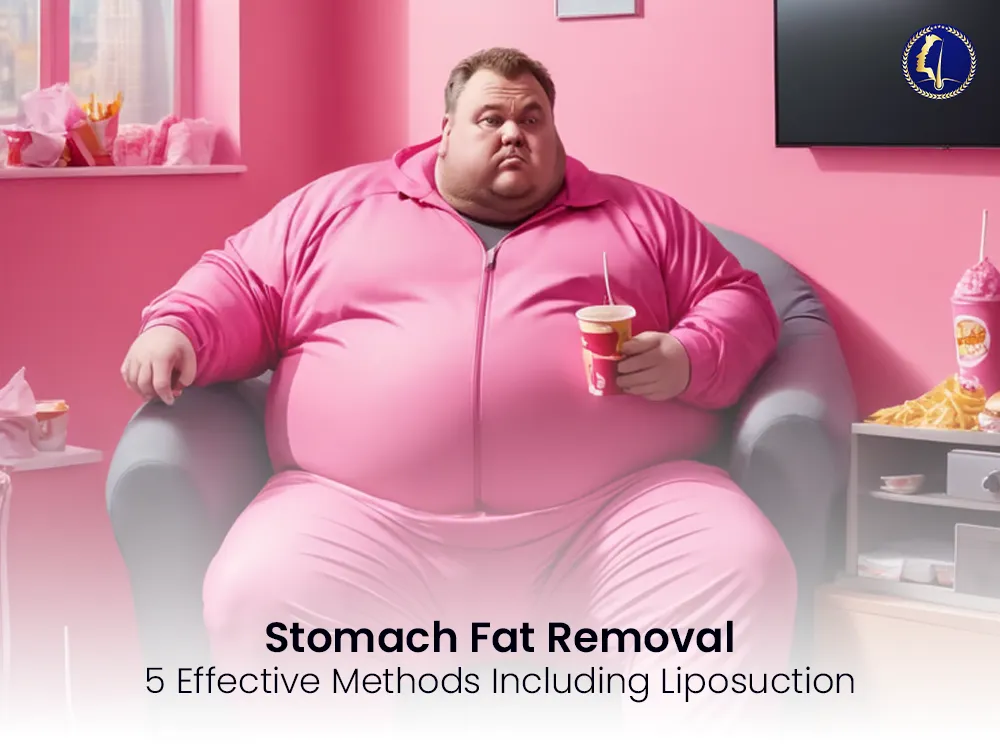
Excess stomach fat is a common concern for many people, impacting both physical appearance and overall health. For those seeking a more defined midsection, stomach fat removal options range from lifestyle changes to advanced medical procedures. Among these, liposuction has gained popularity as a targeted approach to eliminate stubborn fat. This article will explore some of the most effective methods for stomach fat removal, including how liposuction works, along with additional strategies to achieve lasting results. Why Stomach Fat Removal is Important Stomach fat, or abdominal fat, isn’t just a cosmetic concern. There are two types of abdominal fat: Subcutaneous Fat: This type of fat lies just under the skin and is more visible. Visceral Fat: Located deeper in the abdomen, visceral fat surrounds vital organs and has been linked to serious health risks, including heart disease, diabetes, and metabolic syndrome. For many, standard diet and exercise routines may not be enough to tackle stubborn stomach fat, leading to a search for effective removal options. How Liposuction Works for Stomach Fat Removal Liposuction is a surgical procedure designed to remove fat from targeted areas of the body, including the stomach. It’s ideal for people who are close to their target weight but have specific areas where fat remains resistant to diet and exercise. The Liposuction Procedure Consultation and Planning: A surgeon evaluates the patient’s health and desired outcomes to create a customized plan. Anesthesia: The procedure is usually done under local or general anesthesia, depending on the amount of fat being removed. Fat Removal: Small incisions are made in the stomach area, and a thin tube, or cannula, is inserted to suction out the fat. Recovery: After liposuction, patients typically experience some swelling and bruising, but most can return to normal activities within a few weeks. Benefits of Liposuction for Stomach Fat Removal Precise Targeting: Liposuction allows for precise fat removal in specific areas, making it effective for contouring the stomach area. Permanent Results: Since fat cells are physically removed, they don’t return to the treated area, provided the patient maintains a healthy lifestyle. Minimal Scarring: The incisions for liposuction are small, reducing the risk of visible scarring. While liposuction can be effective for removing localized fat, it’s important to note that it’s not a weight-loss solution. Patients should be near their ideal weight before considering liposuction for stomach fat removal. Alternative Methods for Stomach Fat Removal Liposuction is just one option for stomach fat removal. Here are other popular methods, each offering unique benefits and suited to different needs and goals. 1. CoolSculpting (Cryolipolysis) CoolSculpting, also known as cryolipolysis, is a non-surgical procedure that uses controlled cooling to freeze and destroy fat cells. It’s FDA-approved and particularly popular for those looking for a non-invasive approach to stomach fat removal. How It Works: A device is placed over the stomach area, where it applies controlled cooling to freeze and eliminate fat cells. The body then naturally processes and removes these dead cells over time. Benefits: Non-invasive, minimal downtime, and gradual, natural-looking results over a few months. 2. Laser Lipolysis (Laser Lipo) Laser lipolysis, commonly known as laser lipo, is a minimally invasive method that uses laser energy to target and melt fat cells. This method is typically less intensive than traditional liposuction. How It Works: The surgeon uses laser energy to break down fat cells, which are then removed through a small cannula. Benefits: Reduced downtime, less bruising, and skin-tightening effects due to collagen stimulation. 3. Tummy Tuck (Abdominoplasty) A tummy tuck is a more extensive surgical procedure than liposuction. While it also removes fat, a tummy tuck focuses on tightening the abdominal muscles and removing excess skin, making it ideal for those with loose or sagging skin. How It Works: The surgeon makes an incision along the lower abdomen, removes excess skin and fat, and tightens the abdominal muscles. Benefits: Dramatic results, especially for patients who have lost significant weight or experienced pregnancy, as it restores a flat, toned appearance. 4. Radiofrequency Treatments Radiofrequency (RF) treatments use energy waves to heat and destroy fat cells, promoting skin tightening and mild fat reduction. These treatments are usually used for patients with minor stomach fat and mild skin laxity. How It Works: RF energy heats the fat cells, causing them to shrink while stimulating collagen production. Benefits: Non-invasive, gradual results with little to no downtime. Best Practices to Maintain Stomach Fat Removal Results While these stomach fat removal methods can be effective, maintaining results requires a balanced approach to lifestyle. Here are some tips to help maintain a toned stomach: Healthy Diet: Eating a balanced diet with plenty of vegetables, lean proteins, and whole grains helps keep visceral fat at bay. Regular Exercise: Cardio and strength training are essential for maintaining a healthy weight and supporting muscle tone. Hydration: Staying hydrated aids in metabolism and overall body function. Sleep and Stress Management: Lack of sleep and high-stress levels can contribute to weight gain, including around the midsection. Is Stomach Fat Removal Right for You? Determining whether stomach fat removal is the best option depends on your goals, current weight, and lifestyle. People who are close to their ideal weight but struggle with localized stomach fat may find procedures like liposuction or CoolSculpting particularly effective. For individuals who have loose skin along with fat, options like a tummy tuck may be more suitable. Consulting with a qualified medical professional can help clarify which approach will provide the best results for your specific needs. Pros and Cons of Stomach Fat Removal Methods Here’s a comparison of some of the pros and cons associated with each stomach fat removal method to help make an informed choice: Method Pros Cons Liposuction Precise targeting, permanent results Surgical, requires downtime CoolSculpting Non-invasive, gradual results Takes several months for visible results Laser Lipolysis Minimally invasive, skin-tightening effects Limited fat removal, may require multiple sessions Tummy Tuck Comprehensive, addresses loose skin and fat Invasive, longer recovery period Radiofrequency Non-invasive, skin-tightening benefits Best for minor fat reduction, not
Buang Lemak Perut dengan Liposuction: Solusi Efektif
Masalah lemak perut berlebihan adalah salah satu isu yang paling sering dihadapi oleh individu di seluruh dunia, tidak kira usia atau jantina. Lemak berlebihan yang terkumpul di sekitar perut bukan sahaja memberi kesan kepada penampilan fizikal, tetapi juga menambah risiko kepada kesihatan secara keseluruhan. Lemak visceral (lemak yang terkumpul di sekeliling organ dalam) boleh meningkatkan risiko penyakit jantung, diabetes, dan tekanan darah tinggi. Oleh itu, ramai individu mencari cara untuk mengatasi masalah ini, dan salah satu kaedah yang semakin popular adalah buang lemak perut dengan menggunakan prosedur liposuction. Artikel ini akan mengupas dengan mendalam mengenai prosedur buang lemak perut dengan liposuction, bagaimana ia berfungsi, kelebihan dan kekurangannya, serta perkara yang perlu dipertimbangkan sebelum menjalani prosedur ini. Apa Itu Liposuction? Liposuction atau dalam bahasa Malaysia dikenali sebagai sedut lemak, adalah prosedur pembedahan kosmetik yang bertujuan untuk membuang lemak berlebihan daripada bahagian tubuh tertentu. Dalam konteks ini, buang lemak perut dengan liposuction merujuk kepada pembuangan lemak yang terkumpul di kawasan perut. Teknik liposuction melibatkan penggunaan alat khas yang dikenali sebagai kanula untuk memecahkan lemak dan menyedutnya keluar dari tubuh. Liposuction bukanlah kaedah untuk menurunkan berat badan secara keseluruhan, tetapi lebih kepada prosedur untuk membentuk semula tubuh, terutamanya bagi individu yang sudah hampir mencapai berat badan ideal, namun masih mengalami masalah lemak berlebihan di kawasan tertentu, seperti perut. Oleh itu, buang lemak perut dengan liposuction sering dianggap sebagai langkah penyelesaian yang berkesan dan cepat untuk mendapatkan bentuk tubuh yang lebih ramping. Mengapa Memilih Buang Lemak Perut dengan Liposuction? 1. Mengatasi Lemak Perut yang Degil Salah satu sebab utama mengapa individu memilih untuk buang lemak perut dengan liposuction adalah kerana lemak di kawasan perut seringkali sukar untuk dihilangkan, walaupun dengan diet yang ketat dan senaman yang konsisten. Lemak perut, terutamanya lemak visceral, lebih tahan lasak dan lebih sukar untuk dibakar berbanding lemak subkutan (lemak yang terletak lebih dekat dengan permukaan kulit). Ini disebabkan oleh faktor genetik, hormon, dan gaya hidup. Bagi mereka yang telah mencuba pelbagai cara tetapi masih tidak dapat mengurangkan lemak perut mereka, liposuction boleh menjadi penyelesaian yang efektif. 2. Penampilan Fizikal yang Lebih Ramping dan Sihat Lemak perut yang berlebihan bukan sahaja menyebabkan seseorang kelihatan kurang menarik, tetapi juga memberi kesan kepada keyakinan diri. Bagi sesetengah individu, walaupun mereka telah mengurangkan berat badan melalui diet dan senaman, lemak perut tetap menjadi cabaran utama. Buang lemak perut dengan liposuction memberikan hasil yang segera, di mana perut kelihatan lebih rata dan tubuh lebih langsing. Perubahan visual yang ketara ini boleh meningkatkan keyakinan diri pesakit, memberi kesan positif terhadap kehidupan peribadi dan sosial mereka. 3. Manfaat Kesihatan yang Diperoleh Lemak perut, terutamanya lemak visceral, bukan hanya masalah estetik tetapi juga satu ancaman kesihatan. Lemak ini dikaitkan dengan peningkatan risiko penyakit jantung, diabetes jenis 2, tekanan darah tinggi, dan masalah metabolik lain. Buang lemak perut dengan liposuction boleh membantu mengurangkan jumlah lemak visceral di dalam badan, sekaligus mengurangkan risiko-risiko kesihatan tersebut. Ini memberi manfaat kesihatan yang besar selain daripada memperbaiki penampilan fizikal. 4. Prosedur yang Tidak Memakan Masa Lama Salah satu tarikan utama prosedur buang lemak perut dengan liposuction adalah masa yang diperlukan untuk menjalani rawatan ini adalah lebih singkat berbanding prosedur pembedahan lain. Biasanya, rawatan ini mengambil masa antara satu hingga tiga jam, bergantung kepada jumlah lemak yang perlu dikeluarkan. Pesakit juga boleh pulang pada hari yang sama setelah prosedur selesai, dengan kebanyakan kesan sampingan seperti bengkak atau lebam akan berkurangan dalam beberapa hari sahaja. Ini menjadikannya pilihan yang menarik bagi mereka yang menginginkan perubahan cepat tanpa memerlukan waktu pemulihan yang lama. Bagaimana Prosedur Buang Lemak Perut Dengan Liposuction Dilakukan? 1. Konsultasi Awal dengan Pakar Proses buang lemak perut dengan liposuction dimulakan dengan sesi konsultasi bersama pakar bedah plastik yang berlesen. Pada sesi ini, pakar akan menilai keadaan tubuh anda, terutamanya kawasan perut yang mempunyai lemak berlebihan. Doktor juga akan berbincang mengenai sejarah kesihatan anda, termasuk sebarang masalah kesihatan yang mungkin mempengaruhi kelayakan anda untuk menjalani liposuction. Doktor akan memberi maklumat mengenai prosedur secara terperinci, termasuk hasil yang boleh dijangkakan dan risiko yang mungkin timbul. Ini adalah langkah penting untuk memastikan bahawa pesakit membuat keputusan yang bijak dan memahami apa yang perlu dijangkakan selepas prosedur. 2. Persediaan Sebelum Prosedur Sebelum menjalani buang lemak perut dengan liposuction, pesakit akan diminta untuk menjalani beberapa langkah persediaan. Ini mungkin termasuk berhenti mengambil ubat-ubatan tertentu, mengelakkan makanan atau minuman tertentu, dan memakai pakaian khas untuk rawatan. Pada hari pembedahan, kawasan yang akan dirawat akan dibersihkan dan ditanda oleh doktor untuk memastikan pemindahan lemak dilakukan dengan tepat. 3. Pelaksanaan Prosedur Liposuction Apabila prosedur dimulakan, pesakit akan diberikan anestesia (sama ada anestesia tempatan atau umum) bergantung kepada skala rawatan. Selepas itu, doktor akan membuat beberapa hirisan kecil di kawasan perut yang akan dirawat. Melalui hirisan ini, doktor akan memasukkan kanula, iaitu alat berbentuk silinder kecil yang digunakan untuk menyedut lemak. Kanula ini akan digerakkan perlahan-lahan di bawah kulit untuk memecahkan dan mengeluarkan lemak. Proses ini mengambil masa antara satu hingga tiga jam bergantung pada saiz kawasan yang dirawat dan jumlah lemak yang perlu dikeluarkan. Setelah prosedur selesai, luka kecil akan ditutup dengan jahitan atau pembalut khas untuk mempercepatkan pemulihan. 4. Pemulihan dan Penjagaan Selepas Rawatan Selepas prosedur, pesakit akan diberikan pakaian mampatan yang perlu dipakai untuk beberapa minggu. Pakaian mampatan ini membantu mengurangkan pembengkakan dan memberi sokongan kepada kawasan yang dirawat. Selain itu, pesakit mungkin akan diberikan ubat untuk mengurangkan kesakitan atau bengkak selepas pembedahan. Biasanya, pesakit boleh pulang ke rumah pada hari yang sama, walaupun mereka disarankan untuk berehat dan mengelakkan aktiviti fizikal yang berat untuk beberapa minggu. Dalam masa beberapa minggu hingga beberapa bulan, hasil akhir akan mula kelihatan, dengan perubahan bentuk tubuh yang lebih ramping dan perut yang lebih rata. Kelebihan Buang Lemak Perut dengan Liposuction 1. Hasil yang Cepat dan Terlihat Segera Salah satu kelebihan utama buang lemak perut dengan liposuction adalah hasil yang boleh dilihat dengan segera. Walaupun proses pemulihan mengambil masa, perubahan pada bentuk tubuh pesakit akan mula kelihatan segera selepas prosedur. Perut yang lebih rata dan bentuk tubuh yang lebih langsing memberikan kepuasan segera kepada pesakit. 2. Meningkatkan Keyakinan Diri Bagi banyak
Abdominoplasty: 10 Transformative Benefits You Need to Know
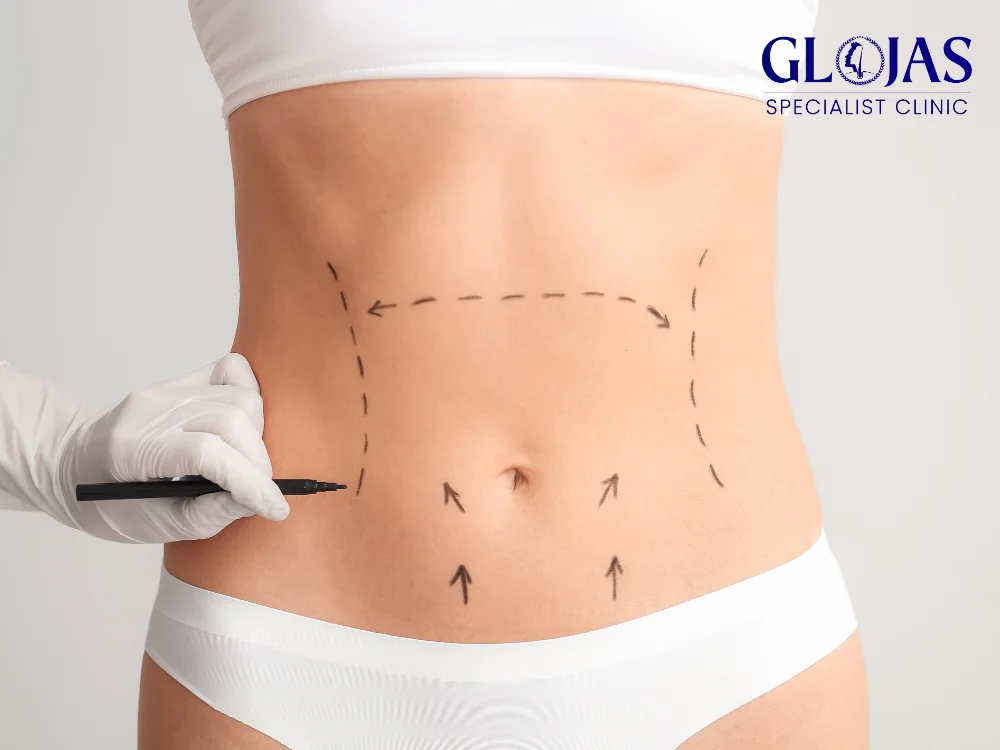
Abdominoplasty, commonly known as a “tummy tuck,” has become one of the most popular procedures for individuals seeking a toned, flat abdomen. While often associated with aesthetic improvements, abdominoplasty offers a host of benefits that go beyond appearances, helping to improve physical health, enhance self-confidence, and address issues resulting from weight loss or pregnancy. In this article, we’ll explore the top 10 transformative benefits of abdominoplasty, covering essential information for those considering this surgical option. What is Abdominoplasty? Abdominoplasty is a surgical procedure designed to remove excess skin and fat from the abdominal area while tightening the underlying muscles. The primary goal of abdominoplasty is to create a smoother, firmer abdominal profile, which can be challenging to achieve through diet and exercise alone, especially after significant weight loss or pregnancy. Abdominoplasty involves the use of anesthesia, incisions, and sometimes liposuction to address stubborn fat deposits. It’s performed by a board-certified plastic surgeon and typically requires several weeks of recovery. The procedure has multiple variations, including mini-abdominoplasty, full abdominoplasty, and extended abdominoplasty, each targeting different areas and achieving unique results. Top Benefits of Abdominoplasty 1. Improved Abdominal Tone and Firmness One of the most noticeable benefits of abdominoplasty is the significant improvement in abdominal tone. By removing excess skin and tightening the abdominal muscles, abdominoplasty helps individuals achieve a smoother, more sculpted stomach, which can be difficult to achieve through other means. 2. Better Posture and Core Stability Abdominoplasty not only enhances the appearance of the abdomen but also improves posture. The procedure strengthens the abdominal wall, resulting in a stronger core, which in turn supports the spine. A well-supported spine and core can improve posture and reduce lower back pain, a common issue for those with weakened abdominal muscles. 3. Relief from Hernias In certain cases, abdominoplasty can address and alleviate abdominal hernias, such as a ventral hernia, which occurs when part of the intestine or abdominal tissue pushes through the muscle wall. Surgeons may correct a hernia during an abdominoplasty procedure, providing dual benefits of both cosmetic enhancement and medical relief. 4. Elimination of Stretch Marks For many people, especially after pregnancy or significant weight changes, stretch marks can be a persistent problem. Abdominoplasty removes the excess skin where most stretch marks reside, particularly on the lower abdomen, helping to reduce or eliminate them entirely and offering a smoother skin texture. 5. Long-lasting Weight Loss Results While abdominoplasty is not a weight-loss procedure, it can contribute to lasting weight loss results. After undergoing a tummy tuck, individuals may feel motivated to maintain a healthy lifestyle, partly due to the investment in the procedure and partly because the physical results are motivating. Abdominoplasty can be a turning point for people working toward long-term fitness goals. 6. Reduction in Back Pain Lower back pain is often linked to weak abdominal muscles and poor posture. By strengthening and tightening the abdominal muscles, abdominoplasty improves core stability and alignment, which can alleviate lower back pain. This is particularly beneficial for women who have experienced muscle separation during pregnancy. 7. Correction of Diastasis Recti Diastasis recti, or separation of the abdominal muscles, is a common condition that can occur after pregnancy. It leads to a protruding stomach and weakened abdominal muscles. Abdominoplasty surgically corrects this condition by pulling the muscles back together, providing a flatter abdomen and stronger core. 8. Boosted Self-Confidence For many people, abdominoplasty offers a significant confidence boost. Those who have struggled with excess skin, weakened muscles, or persistent fat deposits may feel uncomfortable or self-conscious in clothing. After abdominoplasty, they often experience a renewed sense of self-confidence, feeling more comfortable in their skin. 9. Enhanced Physical Comfort Excess skin around the abdomen can cause discomfort and irritation, especially during physical activity. With abdominoplasty, individuals experience improved comfort when exercising or moving around, as the tightened skin no longer causes chafing or discomfort. 10. Improved Exercise Performance A strengthened core contributes to improved physical performance. Abdominoplasty can help people engage in physical activities more effectively by providing a stronger base for movements. Individuals often find they can perform core exercises, cardiovascular workouts, and even weightlifting more efficiently post-procedure. Types of Abdominoplasty Procedures Abdominoplasty procedures vary depending on individual needs and goals. Here are the main types of abdominoplasty: Full Abdominoplasty This is the most comprehensive version, involving a horizontal incision from hip to hip and a second incision around the navel. It removes a significant amount of excess skin and tightens the abdominal muscles for an entirely flat and toned appearance. Mini Abdominoplasty Suitable for individuals with minimal excess skin and fat, the mini-abdominoplasty focuses on the lower abdomen below the navel. This option has a shorter recovery time and a smaller incision, making it less invasive than a full abdominoplasty. Extended Abdominoplasty For those who have undergone significant weight loss, the extended abdominoplasty includes the flanks and lower back areas in addition to the abdomen. It provides extensive reshaping and is particularly beneficial for individuals with substantial skin laxity and fat deposits around the abdomen and sides. Recovery After Abdominoplasty Recovery time for abdominoplasty varies depending on the type of procedure and individual factors. Most patients need around 2-4 weeks to resume normal activities and 6-8 weeks to engage in strenuous exercise. During recovery, patients wear a compression garment to reduce swelling and support healing. Temporary side effects include swelling, bruising, and discomfort, which gradually subside over the weeks following surgery. Frequently Asked Questions (FAQs) About Abdominoplasty 1. Is abdominoplasty a weight loss surgery? No, abdominoplasty is not a weight loss procedure. It is designed to remove excess skin and fat and to tighten the abdominal muscles, not to reduce overall body weight. 2. How long do the results of abdominoplasty last? The results of abdominoplasty are long-lasting, provided that the patient maintains a stable weight and healthy lifestyle. However, significant weight gain or pregnancy after surgery can alter the results. 3. Is abdominoplasty painful? Pain after abdominoplasty is manageable with prescribed medications. Most patients experience mild to moderate
7 Proven Tips for Effective Belly Fat Reduction
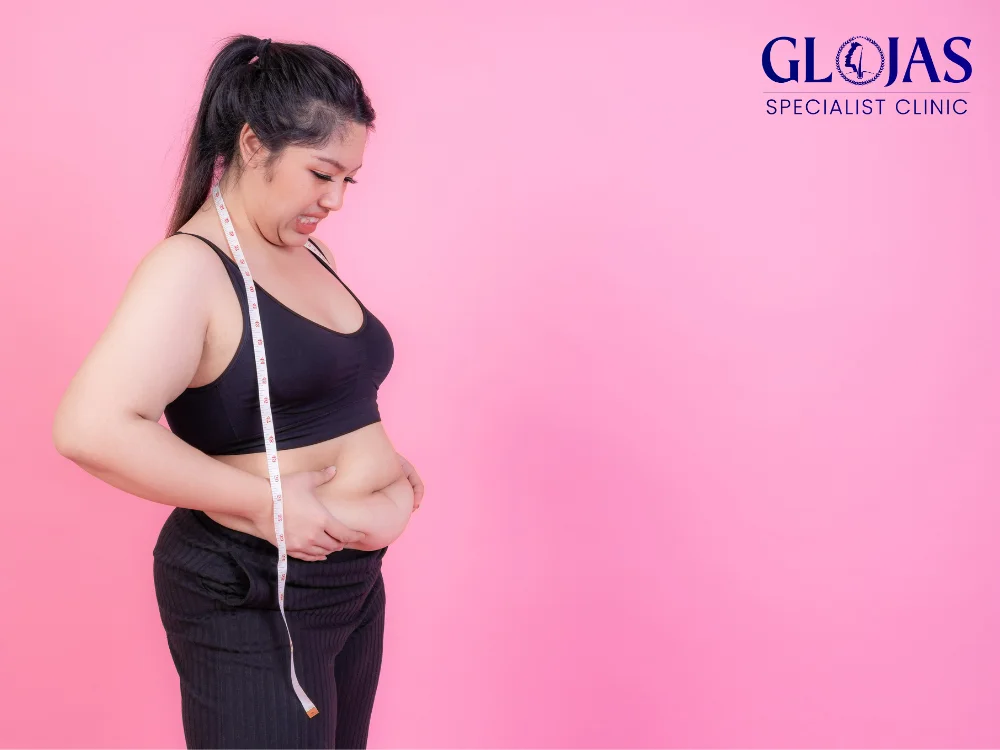
Belly fat is not just a cosmetic concern; it can also pose significant health risks. Many individuals struggle with stubborn abdominal fat, searching for ways to reduce it effectively. This article provides you with seven proven strategies for belly fat reduction that you can incorporate into your daily life. Why Is Belly Fat Reduction Important? The Health Risks of Excess Belly Fat Excess belly fat, also known as visceral fat, is linked to various health complications such as type 2 diabetes, heart disease, and metabolic syndrome. Unlike subcutaneous fat, which lies just under the skin, visceral fat surrounds your internal organs and can lead to serious health issues. How Belly Fat Affects Your Overall Wellness Abdominal fat impacts not only your physical health but also your mental well-being. Individuals with excessive belly fat may experience reduced self-confidence and increased stress levels. 1. Adopt a Balanced Diet for Belly Fat Reduction Nutrient-Rich Foods for Reducing Belly Fat Incorporating nutrient-dense foods into your diet is crucial for effective belly fat reduction. Focus on eating: Lean proteins (e.g., chicken, fish, tofu) Whole grains (e.g., brown rice, quinoa, oats) Healthy fats (e.g., avocados, nuts, olive oil) Fiber-rich vegetables (e.g., spinach, kale, broccoli) These foods help regulate your metabolism, improve digestion, and promote fat burning. Avoid Sugary and Processed Foods Refined carbohydrates and high-sugar foods contribute to weight gain, especially around the midsection. Replace sugary snacks with healthier options like fresh fruit or unsalted nuts. 2. Prioritize Strength Training Why Strength Training Works for Belly Fat Reduction Strength training builds muscle mass, which boosts your metabolism and helps burn more calories, even at rest. Engaging in exercises such as squats, deadlifts, and leg presses can specifically target abdominal fat over time. Recommended Strength Training Exercises Weighted crunches Russian twists Planks with leg raises These exercises engage your core muscles, enhancing the overall fat-burning process. 3. Incorporate Cardiovascular Workouts High-Intensity Interval Training (HIIT) HIIT involves short bursts of high-intensity exercise followed by periods of rest or lower-intensity activity. Studies have shown that HIIT is highly effective for belly fat reduction as it maximizes calorie burn and boosts metabolism. Cardio Workouts That Target Belly Fat Running or jogging Cycling Swimming Jump rope exercises Aim for at least 150 minutes of moderate cardio or 75 minutes of high-intensity cardio per week for optimal results. 4. Stay Hydrated to Support Fat Loss The Role of Water in Belly Fat Reduction Water is essential for maintaining a healthy metabolism and aiding in fat breakdown. Drinking water before meals can also help you feel fuller, reducing your overall caloric intake. How Much Water Should You Drink? For most adults, an intake of 8 to 10 glasses of water per day is recommended, although needs can vary based on activity level and climate. 5. Get Adequate Sleep The Connection Between Sleep and Belly Fat Poor sleep can disrupt hormone levels that regulate appetite, such as ghrelin and leptin. This hormonal imbalance can lead to increased cravings and overeating, contributing to belly fat accumulation. Tips for Improving Sleep Quality Stick to a regular sleep schedule Avoid screens for at least an hour before bedtime Create a calming bedtime routine Adults should aim for 7 to 9 hours of sleep per night for optimal health. 6. Manage Stress Effectively How Stress Leads to Belly Fat High stress levels trigger the release of cortisol, a hormone that encourages fat storage, especially around the abdomen. Managing stress through relaxation techniques can contribute significantly to belly fat reduction. Effective Stress-Relief Methods Mindfulness meditation Yoga and deep breathing exercises Progressive muscle relaxation Incorporating these practices can help lower cortisol levels and reduce belly fat over time. 7. Consider Intermittent Fasting How Intermittent Fasting Works Intermittent fasting (IF) involves cycling between periods of eating and fasting. This approach can help reduce calorie intake while optimizing hormonal functions to aid in fat loss. Popular Intermittent Fasting Methods 16/8 Method (Intermittent Fasting): This popular intermittent fasting method involves restricting your daily eating window to 8 hours. For example, you might choose to eat between 12 PM and 8 PM, fasting for the remaining 16 hours. This approach can help regulate hormones like insulin, leading to increased fat burning and improved metabolic health. By limiting your eating window, you may experience reduced calorie intake, leading to weight loss, particularly in the abdominal area. 5:2 Diet: The 5:2 diet is a cyclical approach to eating that involves alternating between periods of normal eating and fasting. For five days of the week, you eat normally. On the remaining two non-consecutive days, you significantly reduce your calorie intake to 500-600 calories per day. This method can lead to weight loss and improved metabolic health by inducing a metabolic shift towards fat burning. However, it’s important to consult with a healthcare professional before starting this diet, especially if you have any underlying health conditions. FAQs About Belly Fat Reduction 1. Can I target belly fat specifically with exercises? While spot reduction is a myth, exercises that target the core muscles can strengthen the abdominal area. Combined with overall fat loss methods, these exercises can improve the appearance of your midsection. 2. How long does it take to see results? Results vary depending on factors such as age, diet, and activity level. Most people begin to see changes within 4 to 12 weeks with consistent effort. 3. What is the most effective diet for belly fat reduction? A diet rich in whole foods, lean proteins, and healthy fats, coupled with reduced intake of refined carbs and sugars, is most effective for reducing belly fat. 4. Is cardio or strength training better for belly fat reduction? Both cardio and strength training are essential. Cardio helps burn calories quickly, while strength training increases muscle mass, which boosts long-term fat burning. 5. Does drinking water really help reduce belly fat? Yes, staying hydrated
Alarplasty Surgery: 5 Transformative Facts You Need to Know
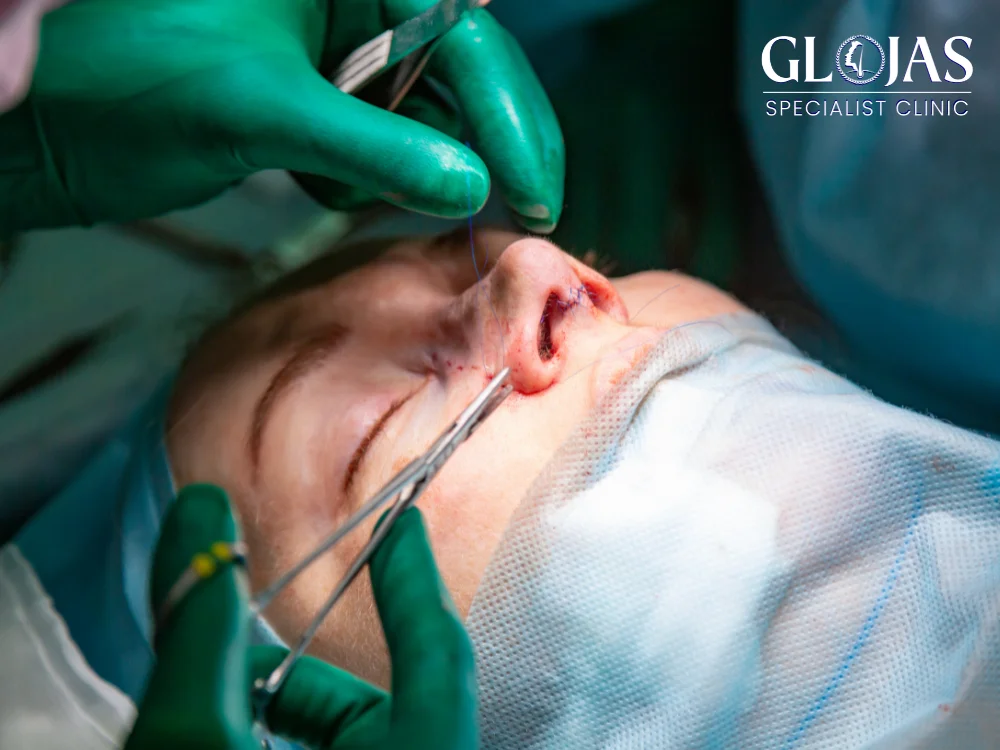
Alarplasty surgery, also known as alar base reduction, is a specialized cosmetic procedure designed to reshape and resize the nostrils. Whether you’re looking to refine your nose’s overall appearance or address asymmetry, alarplasty surgery is a safe and effective solution. This guide will walk you through the essential details about the procedure, benefits, recovery, and more, helping you decide if it’s right for you. What Is Alarplasty Surgery? Alarplasty surgery is a targeted nasal surgery that focuses on reducing the size and width of the nostrils by reshaping the alar base, the area where the nostrils meet the cheeks. This cosmetic procedure is often performed as part of a rhinoplasty or as a standalone surgery to address concerns such as: Wide or flared nostrils. Disproportionate nostril size relative to the face. Asymmetrical nostrils. Unlike a full rhinoplasty, alarplasty surgery is less invasive, with a shorter recovery time, making it an appealing option for those seeking subtle nasal enhancements. Who Is a Good Candidate for Alarplasty Surgery? Not everyone is a candidate for alarplasty surgery. Ideal candidates include: Individuals unhappy with the size or shape of their nostrils. People in good general health without underlying conditions that could affect healing. Non-smokers or those willing to quit before and after surgery. Those with realistic expectations about the results. A consultation with a board-certified surgeon is crucial to determine your suitability for the procedure and discuss your desired outcomes. Benefits of Alarplasty Surgery Alarplasty offers several cosmetic and psychological benefits, including: Enhanced Facial Proportions: Reshaping the nostrils creates better balance with other facial features. Boosted Self-Confidence: A more refined nasal appearance often results in improved self-esteem. Quick Procedure: The surgery typically takes less than an hour. Minimal Downtime: Compared to more extensive surgeries, recovery is fast and straightforward. Targeted Results: Alarplasty addresses specific concerns without altering the entire nose structure. How Is Alarplasty Surgery Performed? The procedure itself is relatively straightforward and minimally invasive. Here’s what happens during alarplasty surgery: 1. Anesthesia The surgeon typically uses local anesthesia with or without sedation. This ensures a painless experience during the procedure. 2. Incision Placement Small incisions are made along the alar base, either inside the nostrils or at the junction of the nostrils and cheeks. 3. Tissue Removal and Reshaping Excess skin and tissue are removed to reduce nostril size. The surgeon carefully reshapes the alar base to achieve symmetry and balance. 4. Incision Closure The incisions are closed with fine sutures, which are often hidden within natural nasal folds, leaving minimal visible scarring. The entire surgery typically takes 30–60 minutes and is performed on an outpatient basis. Recovery After Alarplasty Surgery One of the major advantages of alarplasty surgery is its relatively short recovery time. Here’s what to expect during the healing process: Immediate Post-Surgery Mild swelling and bruising around the nose, which usually subsides within 7–10 days. Some discomfort or tightness, managed with over-the-counter pain relief or prescribed medications. Avoid strenuous activities for at least one week to minimize swelling. Suture Removal Stitches are typically removed within 5–7 days, depending on the type used. Dissolvable sutures may not require removal. Long-Term Recovery Final results become visible as swelling completely subsides, usually within 4–6 weeks. Scars fade significantly over time and become almost invisible with proper care. Post-Surgery Tips Sleep with your head elevated to reduce swelling. Avoid touching or rubbing your nose for several weeks. Use any prescribed ointments to keep incisions clean and promote healing. Risks and Complications of Alarplasty Surgery As with any surgical procedure, alarplasty surgery carries potential risks, though complications are rare when performed by a skilled surgeon. Possible risks include: Infection at the incision site. Poor wound healing. Asymmetry or dissatisfaction with results. Scarring (though it’s usually minimal and fades over time). To minimize these risks, choose a board-certified and experienced surgeon, and follow all pre- and post-operative instructions carefully. Alarplasty Surgery vs. Rhinoplasty: What’s the Difference? While both procedures address nasal aesthetics, there are key differences between alarplasty and rhinoplasty: Aspect Alarplasty Surgery Rhinoplasty Focus Area Nostrils (alar base) Entire nose structure Surgical Scope Minimal Comprehensive Recovery Time 1–2 weeks 2–6 weeks Cost Lower Higher Invasiveness Low Moderate to high Alarplasty is ideal for those who want to refine their nostrils without altering the rest of their nose. Rhinoplasty is a better option for addressing issues like a deviated septum, hump removal, or significant reshaping. How Much Does Alarplasty Surgery Cost? The cost of alarplasty surgery varies depending on factors such as: The surgeon’s experience and reputation. The clinic’s location. Anesthesia and facility fees. On average, the procedure costs between $2,000 and $5,000. Keep in mind that alarplasty is considered cosmetic, so it’s not typically covered by insurance. How to Prepare for Alarplasty Surgery Preparing for alarplasty surgery is vital to ensure a smooth experience. Follow these steps: Medical Evaluation: Undergo a thorough consultation to assess your health and discuss goals. Avoid Smoking: Smoking impairs healing, so quit at least four weeks before and after surgery. Medications: Avoid blood-thinning medications like aspirin or ibuprofen. Arrange Recovery Support: Plan for someone to drive you home and assist during the first 24 hours. Being well-prepared helps reduce risks and ensures a more successful outcome. Frequently Asked Questions (FAQs) 1. Is alarplasty surgery painful? Most patients experience only mild discomfort during and after surgery. Local anesthesia ensures the procedure is painless, and any post-operative discomfort can be managed with medication. 2. Will there be visible scars after alarplasty? Scars are minimal and typically hidden in the natural folds of the nostrils. With proper care, they fade significantly over time. 3. How long does alarplasty surgery take? The surgery itself usually takes 30–60 minutes, making it one of the quicker cosmetic procedures. 4. When can I return to work after alarplasty surgery? Most patients can return to work or normal activities within 5–7 days, depending on the level of swelling and bruising. 5. Can alarplasty be combined with other procedures? Yes, alarplasty can be combined with rhinoplasty or other facial surgeries for