
Gynecomastia: Memahami Masalah Pembesaran Payudara Lelaki
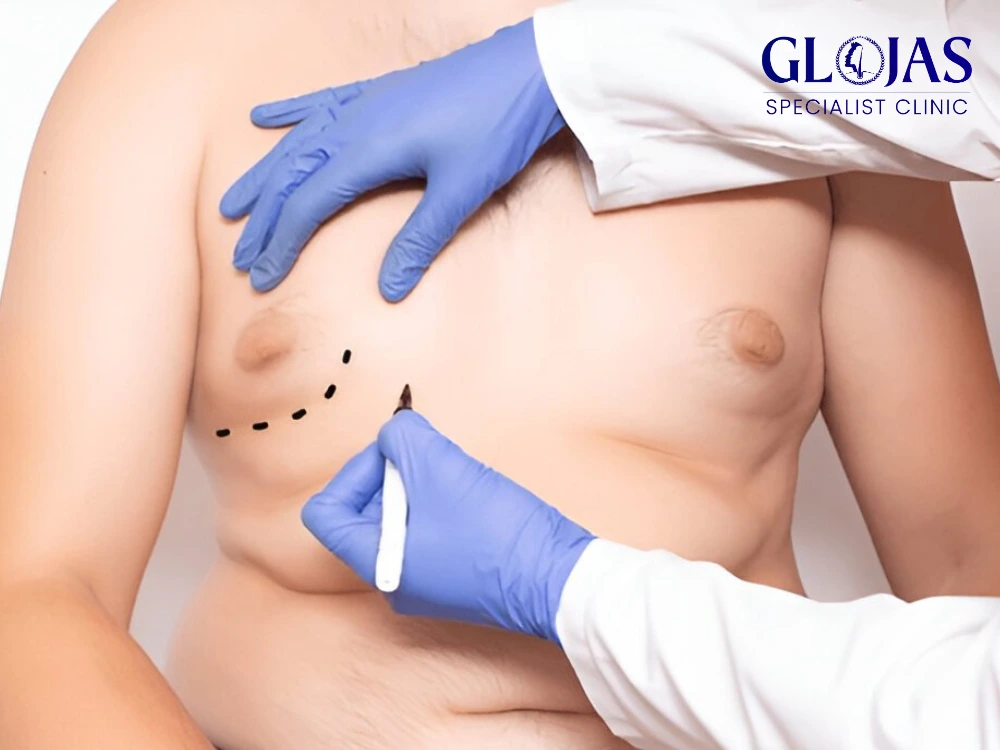
Gynecomastia adalah keadaan perubatan yang menyebabkan pembesaran tisu payudara pada lelaki. Ia boleh berlaku di satu atau kedua-dua belah payudara dan sering kali menimbulkan rasa malu serta ketidakselesaan bagi individu yang mengalaminya. Dalam artikel ini, kita akan membincangkan secara terperinci mengenai gynecomastia, termasuk punca, gejala, diagnosis, rawatan, serta cara untuk mengatasi kesan psikologinya. Apa itu Gynecomastia? Gynecomastia merujuk kepada pertumbuhan tisu payudara yang berlebihan pada lelaki, yang biasanya disebabkan oleh ketidakseimbangan antara hormon estrogen dan testosteron. Estrogen adalah hormon yang lebih dikenali sebagai hormon wanita, tetapi ia juga terdapat dalam badan lelaki dalam jumlah kecil. Apabila tahap estrogen meningkat atau tahap testosteron menurun, keadaan ini boleh menyebabkan pertumbuhan tisu payudara. Gynecomastia bukanlah satu penyakit yang berbahaya, tetapi ia boleh menjejaskan kualiti hidup seseorang, terutamanya dari segi psikologi dan sosial. Lelaki yang mengalami gynecomastia sering kali merasa rendah diri dan terasing, terutamanya apabila berhadapan dengan situasi di mana mereka perlu menanggalkan baju, seperti di pantai atau kolam renang. Punca Gynecomastia Terdapat beberapa punca yang boleh menyebabkan gynecomastia, dan ia boleh berlaku pada pelbagai peringkat umur. Antara punca utama gynecomastia adalah: Perubahan Hormon: Gynecomastia sering berlaku semasa peralihan hormon, seperti semasa akil baligh. Pada masa ini, tubuh mengalami perubahan hormon yang signifikan yang boleh menyebabkan pertumbuhan tisu payudara. Kebanyakan kes gynecomastia yang berlaku semasa akil baligh adalah sementara dan akan hilang dengan sendirinya. Penyakit: Beberapa keadaan kesihatan, seperti penyakit hati, penyakit buah pinggang, dan hipertiroidisme, boleh menyebabkan ketidakseimbangan hormon yang mengarah kepada gynecomastia. Penyakit ini boleh mengganggu pengeluaran hormon dalam tubuh dan menyebabkan pertumbuhan tisu payudara. Penggunaan Ubat: Terdapat pelbagai ubat yang boleh menyebabkan gynecomastia sebagai kesan sampingan. Contohnya, ubat-ubatan untuk merawat penyakit jantung, ulser, dan tekanan darah tinggi. Ubat steroid yang digunakan oleh atlet untuk meningkatkan prestasi juga boleh menyebabkan keadaan ini. Obesiti: Lemak badan yang berlebihan boleh meningkatkan tahap estrogen dalam tubuh lelaki, yang seterusnya boleh menyebabkan gynecomastia. Obesiti sering dikaitkan dengan ketidakseimbangan hormon, dan lelaki yang berlebihan berat badan lebih cenderung untuk mengalami masalah ini. Alkohol dan Dadah: Penggunaan alkohol dan beberapa jenis dadah, seperti ganja dan heroin, telah dikaitkan dengan peningkatan risiko gynecomastia. Ini kerana bahan-bahan tersebut boleh mempengaruhi tahap hormon dalam badan. Gejala Gynecomastia Gejala gynecomastia biasanya jelas dan mudah dikenali. Antara tanda-tanda yang sering diperhatikan termasuk: Pembesaran Tisu Payudara: Lelaki dengan gynecomastia akan mengalami pembesaran tisu payudara yang ketara. Ini boleh berlaku pada satu atau kedua-dua belah payudara. Kelembutan: Kawasan payudara yang terjejas mungkin menjadi lembut atau sensitif kepada sentuhan. Dalam beberapa kes, lelaki mungkin merasa sakit atau ketidakselesaan di kawasan tersebut. Peningkatan Saiz Puting: Dalam beberapa kes, puting payudara juga boleh membesar dan menjadi lebih menonjol. Kebimbangan Psikologi: Rasa malu, rendah diri, dan kebimbangan sosial adalah gejala psikologi yang sering dialami oleh lelaki dengan gynecomastia. Perasaan ini boleh mempengaruhi kehidupan seharian dan hubungan sosial mereka. Diagnosis Gynecomastia Jika anda mengesyaki bahawa anda mengalami gynecomastia, adalah penting untuk berjumpa dengan doktor pakar bedah untuk mendapatkan diagnosis yang tepat. Doktor akan melakukan beberapa langkah untuk menilai keadaan anda, termasuk: Sejarah Perubatan: Doktor akan bertanya mengenai sejarah perubatan anda, termasuk sebarang ubat yang sedang anda ambil, serta sebarang penyakit yang pernah anda alami. Pemeriksaan Fizikal: Pemeriksaan fizikal akan dilakukan untuk menilai keadaan payudara anda dan menentukan sejauh mana pembesaran berlaku. Doktor juga akan memeriksa kawasan lain seperti abdomen dan genital untuk mencari sebarang tanda masalah lain. Ujian Makmal: Dalam beberapa kes, doktor mungkin mengesyorkan ujian makmal, seperti ujian darah, untuk menilai tahap hormon dalam badan. Ini akan membantu dalam menentukan punca gynecomastia dan sama ada terdapat sebarang masalah kesihatan yang mendasarinya. Pemeriksaan Gambar: Jika perlu, doktor mungkin juga akan mengesyorkan pemeriksaan gambar seperti ultrasound atau mamografi untuk memastikan tiada masalah lain, seperti tumor, yang menyebabkan gejala tersebut. Rawatan Gynecomastia Rawatan untuk gynecomastia bergantung kepada punca dan tahap keterukan keadaan tersebut. Terdapat beberapa pilihan rawatan yang boleh dipertimbangkan: Rawatan Tanpa Pembedahan: Dalam banyak kes, gynecomastia adalah keadaan sementara yang akan hilang dengan sendirinya. Jika punca adalah perubahan hormon semasa akil baligh, rawatan mungkin tidak diperlukan. Doktor mungkin mencadangkan pemantauan untuk melihat jika keadaan ini akan sembuh dengan sendirinya. Perubahan Gaya Hidup: Jika obesiti adalah punca gynecomastia, mengubah gaya hidup dengan mengamalkan diet yang seimbang dan meningkatkan aktiviti fizikal boleh membantu mengurangkan lemak badan dan, seterusnya, mengurangkan pembesaran payudara. Penghentian Ubat: Jika gynecomastia disebabkan oleh penggunaan ubat tertentu, doktor mungkin mencadangkan penghentian ubat tersebut atau menggantinya dengan ubat lain yang tidak menyebabkan kesan sampingan tersebut. Rawatan Hormon: Dalam kes tertentu, terapi hormon boleh digunakan untuk membantu mengimbangi tahap hormon dalam badan. Namun, ini biasanya hanya dilakukan jika penyebabnya berkaitan dengan masalah hormon yang serius. Pembedahan: Jika gynecomastia sangat ketara dan tidak memberi respon kepada rawatan lain, pembedahan mungkin diperlukan. Pembedahan untuk menghilangkan tisu payudara yang berlebihan boleh dilakukan melalui teknik liposuction atau mastektomi. Kesan Psikologi Gynecomastia Gynecomastia bukan sahaja mempengaruhi keadaan fizikal seseorang, tetapi juga boleh menjejaskan kesihatan mental dan emosi. Rasa rendah diri dan malu yang sering dialami oleh lelaki dengan gynecomastia boleh menyebabkan pelbagai masalah psikologi, termasuk: Kebimbangan dan Depresi: Lelaki yang mengalami gynecomastia mungkin berasa cemas dan tertekan mengenai penampilan mereka. Ini boleh menyebabkan masalah dalam hubungan sosial dan mengganggu kehidupan seharian mereka. Penarikan Diri Sosial: Rasa malu dan ketidakselesaan boleh menyebabkan lelaki menghindari situasi sosial di mana mereka perlu menunjukkan badan mereka, seperti di pantai atau kolam renang. Ini boleh mengakibatkan penarikan diri dari aktiviti yang sebelum ini mereka nikmati. Rendah Diri: Individu yang mengalami gynecomastia sering kali merasa rendah diri mengenai penampilan mereka, yang boleh memberi kesan negatif kepada keyakinan diri mereka. Untuk mengatasi kesan psikologi gynecomastia, adalah penting bagi individu yang terjejas untuk mendapatkan sokongan. Bercakap dengan pakar psikologi atau kaunselor boleh membantu mereka menangani perasaan negatif dan membina semula keyakinan diri. View this post on Instagram A post shared by Aesthetic Clinic Kuala Lumpur | Plastic Surgery, Hair Transplant (@glojasspecialist) Kesimpulan Gynecomastia adalah keadaan yang boleh memberi impak yang besar kepada kehidupan lelaki. Walaupun ia bukanlah masalah kesihatan yang serius, kesan psikologinya boleh menyebabkan ketidakselesaan dan kebimbangan. Memahami punca, gejala, dan pilihan rawatan untuk gynecomastia adalah langkah penting dalam mengatasi masalah ini.
Emsculpt NEO: Advanced Fat Reduction & Muscle Sculpting Treatment
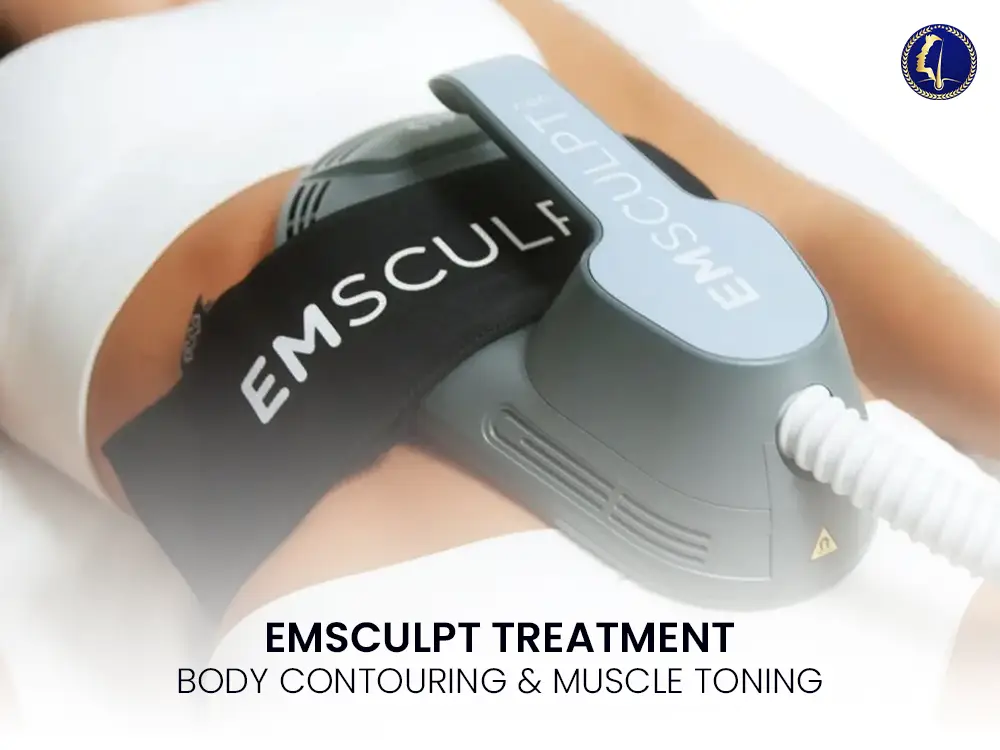
Achieving a sculpted physique in Malaysia often feels like a battle against two formidable foes: our delicious (but high-carb) food culture and the relentless tropical heat that makes outdoor workouts a challenge. If you’ve been hitting the gym at Bangsar or Mont Kiara but still can’t quite “pop” that muscle definition, Emsculpt NEO might be the high-tech ally you need. GLOJAS Specialist Clinic offers Emsculpt NEO in Malaysia, a non-invasive body sculpting treatment that reduces stubborn fat while building muscle safely and effectively. What Is Emsculpt NEO? Emsculpt NEO works by combining HIFEM+ (high-intensity focused electromagnetic) energy with Radiofrequency (RF) heating. This dual-action technology simultaneously triggers thousands of supramaximal muscle contractions and thermal fat reduction. In a 30-minute session, it builds muscle density, destroys stubborn fat cells, and tightens skin for superior, non-invasive body contouring results. How Emsculpt NEO Technology Works (HIFEM+ & RF Energy) Emsculpt NEO is the first and only non-invasive body-shaping procedure that combines two energies in a single 30-minute session. It uses Synchronized Radiofrequency (RF) to heat the fat layer to between 43°C and 45°C, causing apoptosis (permanent fat cell death). Simultaneously, High-Intensity Focused Electromagnetic (HIFEM+) energy induces “supramaximal” muscle contractions—about 25,000 in one session—which is physically impossible to achieve through voluntary exercise like crunches or squats. Difference Between Emsculpt NEO and Traditional Emsculpt The original Emsculpt was a pioneer in muscle toning, but it lacked the fat-melting component. The “NEO” version adds the RF heating element. While the original can increase muscle by roughly 16%, the NEO version pushes that to an average of 25% muscle growth while adding a massive 30% reduction in subcutaneous fat. It’s effectively a workout and a fat-loss treatment happening at the same time. FDA Approval and International Safety Standards Safety is paramount. Emsculpt NEO is FDA-cleared for the non-invasive breakdown of fat and the improvement of abdominal tone, strengthening of the buttocks, and firming of the arms and legs. It has undergone rigorous clinical safety testing to ensure the energy output remains within therapeutic ranges without damaging internal organs. Emsculpt NEO Benefits for Body Contouring Fat Reduction and Muscle Building Results The “dual-action” approach is the biggest draw for Malaysians. Instead of just debulking, you are refining. The RF energy prepares the muscle for work (much like a warm-up) and then melts the fat “curtain” that hides the muscle underneath. Key Treatment Areas (Abdomen, Buttocks, Arms, Thighs, Calves) Abdomen: Ideal for targeting the “mummy tummy” or stubborn lower belly pooch. Buttocks: Known as the “non-invasive butt lift,” it tones the glutes without removing volume-giving fat. Arms: Specifically targets biceps and triceps for that “toned” look. Calves & Thighs: Improves muscle definition and reduces circumference. Non-Invasive Body Sculpting Advantages Unlike liposuction, there are no needles, no anesthesia, and zero downtime. You can literally have a session during your lunch break in PJ and head back to the office immediately after. Who Is Suitable for Emsculpt NEO in Malaysia Ideal Candidates Based on Body Goals The best candidates are those who are relatively active but have hit a plateau. It’s perfect for someone wanting to “etch” their abs or lift their glutes without surgery. BMI, Lifestyle, and Fitness Considerations Clinical data shows that Emsculpt NEO is effective for patients with a BMI up to 35. While it works on most body types, it is not a weight-loss treatment for obesity; rather, it’s a body contouring tool. Who Should Avoid Emsculpt NEO Treatment Due to the powerful magnetic field and RF energy, certain individuals must avoid this treatment: Those with metal implants (screws, plates, or hip replacements) near the treatment area. People with pacemakers or defibrillators. Pregnant women. Those with active hernias in the treatment zone. Emsculpt NEO Treatment Process Initial Consultation and Body Assessment Your journey starts with a medical assessment. A doctor will measure your fat thickness and muscle tone to ensure you aren’t carrying too much visceral fat (fat around organs), which the machine cannot reach. What Happens During an Emsculpt NEO Session An applicator is strapped to the target area. You’ll feel a warming sensation (like a hot stone massage) from the RF, followed by intense muscle “tugs” from the HIFEM+. It’s not painful, but it is a very unique, vigorous sensation. Number of Sessions Required for Optimal Results The standard protocol is four 30-minute sessions, typically spaced 5 to 10 days apart. Some patients may opt for six sessions if they are starting with lower muscle density. Emsculpt NEO Results and Expectations Timeline for Visible Results You might feel “tighter” immediately, but the real magic happens as your body flushes out the dead fat cells. Visible changes usually peak at 8 to 12 weeks post-treatment. Before and After Results in Malaysian Patients In local clinics, patients often report a noticeable reduction in waist circumference (averaging 3–4 cm) and a significantly firmer core, which also helps with lower back pain due to increased core strength. How Long Emsculpt NEO Results Last The fat cells destroyed are gone forever. However, muscle mass is like any other muscle—it requires maintenance. Results typically last 6 to 12 months, but can be extended with regular exercise and a protein-rich diet. Emsculpt NEO vs Other Body Contouring Treatments Emsculpt NEO vs CoolSculpting CoolSculpting is great for “pinchable” fat (cryolipolysis) but does nothing for muscle. If you want a “fit” look rather than just a “smaller” look, Emsculpt NEO is superior because it addresses both. Emsculpt NEO vs Liposuction Liposuction is a surgical procedure that removes massive amounts of fat but involves significant recovery time and scarring. Emsculpt NEO is for those who want a natural enhancement without the risks of the operating room. Emsculpt NEO vs RF and Ultrasound Fat Reduction While standard RF treatments only tighten skin or slightly reduce fat, they lack the muscle-building HIFEM+ component that provides the actual “shape” to the body. Safety, Side Effects, and Recovery Common Side Effects After Emsculpt NEO Expect mild muscle soreness, exactly like what you’d feel after a heavy gym session. Some
Cara Hilangkan Gynecomastia: Panduan Lengkap untuk Lelaki
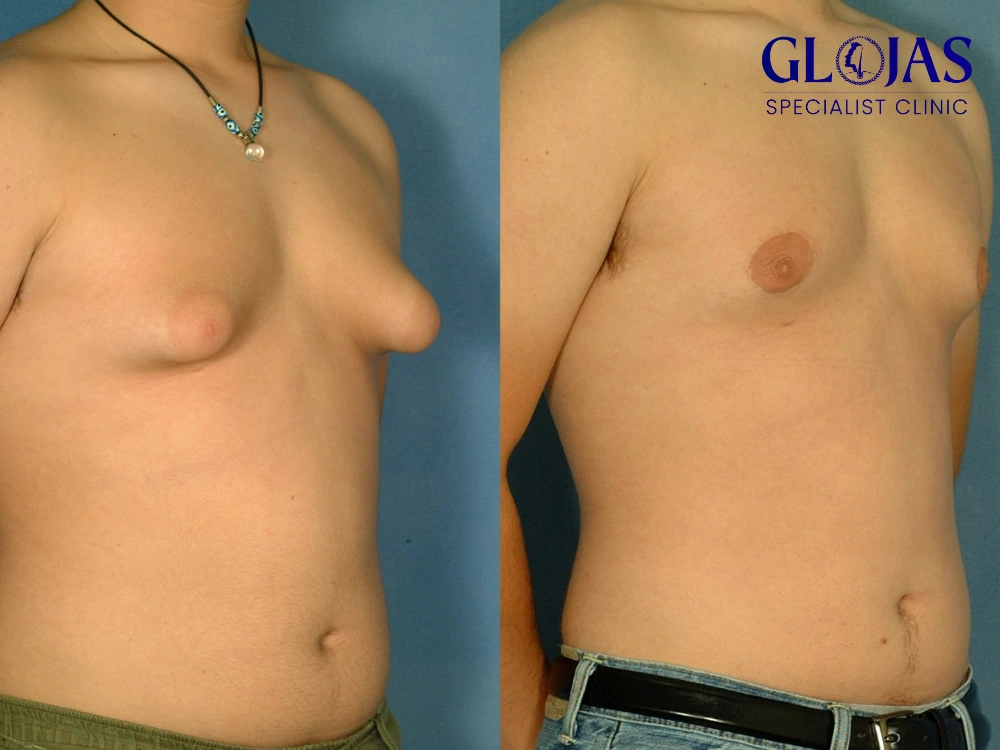
Gynecomastia adalah keadaan di mana tisu payudara lelaki membesar, yang boleh menyebabkan rasa tidak selesa dan mempengaruhi keyakinan diri. Keadaan ini biasanya disebabkan oleh ketidakseimbangan hormon dan boleh berlaku pada lelaki dari pelbagai peringkat usia. Dalam artikel ini, kita akan membincangkan secara terperinci tentang cara hilangkan gynecomastia, termasuk punca, gejala, pilihan rawatan, dan langkah-langkah pencegahan yang boleh diambil. Apa Itu Gynecomastia? Gynecomastia berasal dari istilah Yunani “gyne” yang bermaksud wanita dan “mastos” yang bermaksud payudara. Ia merujuk kepada keadaan di mana tisu payudara lelaki membesar disebabkan oleh peningkatan kadar estrogen atau penurunan kadar testosteron. Walaupun gynecomastia tidak selalu menunjukkan masalah kesihatan yang serius, ia boleh menyebabkan ketidakselesaan dan psikologi negatif bagi mereka yang mengalaminya. Punca Gynecomastia Sebelum kita membincangkan cara hilangkan gynecomastia, penting untuk memahami punca keadaan ini. Beberapa punca yang umum termasuk: Ketidakseimbangan Hormon: Peningkatan tahap estrogen atau penurunan testosteron adalah punca utama gynecomastia. Keadaan ini sering berlaku semasa akil baligh, apabila perubahan hormon berlaku secara mendadak. Obesiti: Lelaki yang berlebihan berat badan atau obes dapat mengalami peningkatan tisu lemak, yang boleh menyebabkan peningkatan estrogen dan seterusnya gynecomastia. Penyakit: Beberapa penyakit seperti penyakit hati, buah pinggang, dan tiroid boleh mengganggu keseimbangan hormon, menyebabkan gynecomastia. Penggunaan Ubat: Beberapa ubat, termasuk ubat untuk merawat hipertensi, ulser, dan kemurungan, boleh menyebabkan pembesaran payudara sebagai kesan sampingan. Penggunaan Substans: Penggunaan alkohol, ganja, dan steroid anabolik juga berkait rapat dengan gynecomastia. Ubat-ubatan ini boleh mengganggu keseimbangan hormon dalam badan. Gejala Gynecomastia Gejala gynecomastia boleh bervariasi dari individu ke individu, tetapi beberapa tanda yang umum termasuk: Pembesaran tisu payudara yang jelas. Rasa sensasi atau sakit di kawasan payudara. Ketidakselesaan ketika bersenam atau memakai pakaian ketat. Perubahan dalam kontur payudara yang mungkin menyebabkan rasa malu. Jika anda mengalami gejala-gejala ini, adalah penting untuk berjumpa dengan doktor untuk mendapatkan diagnosis yang tepat dan membincangkan cara hilangkan gynecomastia. Cara Hilangkan Gynecomastia Setelah memahami punca dan gejala gynecomastia, mari kita lihat beberapa cara hilangkan gynecomastia yang boleh dipertimbangkan: 1. Ubah Gaya Hidup Perubahan gaya hidup adalah langkah pertama yang boleh diambil untuk mengatasi gynecomastia. Berikut adalah beberapa langkah yang boleh diambil: Pemakanan Sihat: Mengamalkan diet yang seimbang dan sihat adalah penting. Pastikan anda mendapatkan cukup sayur-sayuran, buah-buahan, protein tanpa lemak, dan bijirin penuh. Elakkan makanan yang tinggi gula dan lemak tidak sihat. Pengurusan Berat Badan: Jika anda berlebihan berat badan, kehilangan berat badan melalui diet dan senaman boleh membantu mengurangkan lemak badan dan seterusnya mengimbangkan hormon. Ini adalah langkah yang penting dalam cara hilangkan gynecomastia. Aktiviti Fizikal: Senaman secara berkala tidak hanya membantu mengekalkan berat badan tetapi juga meningkatkan tahap testosteron dalam badan. Lakukan aktiviti fizikal seperti angkat berat, lari, atau sukan lain yang anda minati. Hindari Alkohol dan Dadah: Mengurangkan atau menghentikan pengambilan alkohol dan dadah seperti ganja adalah penting. Penggunaan bahan ini boleh mengganggu keseimbangan hormon dan memburukkan keadaan gynecomastia. 2. Rawatan Perubatan Jika perubahan gaya hidup tidak memberi hasil yang diharapkan, terdapat beberapa pilihan rawatan perubatan yang boleh dipertimbangkan: Ubat: Dalam sesetengah kes, doktor mungkin meresepkan ubat untuk membantu menormalkan tahap hormon. Ubat anti-estrogen, seperti tamoxifen, telah terbukti berkesan dalam mengurangkan gejala gynecomastia. Ubat ini membantu menurunkan tahap estrogen dan meningkatkan keseimbangan hormon. Hormon: Jika ujian menunjukkan bahawa tahap testosteron anda rendah, terapi penggantian testosteron mungkin diperlukan. Ini boleh membantu menormalkan tahap hormon dan mengurangkan gejala gynecomastia. Pemeriksaan Kesihatan Berkala: Pastikan anda menjalani pemeriksaan kesihatan secara berkala untuk memantau sebarang perubahan dalam tahap hormon dan kesihatan secara keseluruhan. 3. Pembedahan Jika gynecomastia tidak hilang dengan rawatan konservatif, pembedahan mungkin diperlukan. Pembedahan biasanya dilakukan jika gynecomastia menyebabkan ketidakselesaan yang signifikan atau gangguan psikologi. Terdapat dua jenis pembedahan yang biasa dilakukan: Liposuction: Teknik ini digunakan untuk mengeluarkan lemak berlebihan dari kawasan payudara. Ini adalah pilihan yang baik jika tisu payudara tidak terlalu besar tetapi terdapat lemak berlebihan. Prosedur ini minim invasif dan dapat memberikan hasil yang baik dengan parut yang sedikit. Mastektomi: Dalam kes yang lebih serius, mastektomi mungkin diperlukan untuk mengeluarkan tisu payudara yang berlebihan. Pembedahan ini lebih invasif tetapi dapat memberikan hasil yang lebih kekal. Doktor akan membincangkan pilihan pembedahan dengan anda dan membantu anda membuat keputusan yang terbaik berdasarkan keadaan anda. 4. Pemantauan dan Penjagaan Susulan Setelah menjalani rawatan, pemantauan dan penjagaan susulan adalah penting. Pastikan anda mengikuti arahan doktor dan menghadiri semua sesi susulan untuk memastikan tiada komplikasi dan untuk memantau perkembangan keadaan anda. Ini juga adalah masa yang baik untuk berbincang tentang apa yang boleh dilakukan untuk menjaga hasil pembedahan jika anda memilih untuk menjalani prosedur. Langkah-langkah Pencegahan Pencegahan gynecomastia adalah langkah penting yang boleh diambil untuk mengelakkan keadaan ini daripada berlaku. Berikut adalah beberapa langkah pencegahan yang boleh diambil: Diet Seimbang: Menjaga diet yang seimbang dan sihat boleh membantu mengurangkan risiko gynecomastia. Elakkan makanan yang tinggi gula dan lemak trans. Aktiviti Fizikal: Senaman secara berkala dapat membantu mengawal berat badan dan mengekalkan keseimbangan hormon. Aktiviti fizikal juga membantu meningkatkan kesihatan mental dan mengurangkan tekanan. Menghindari Ubat Berisiko: Jika mungkin, hindari penggunaan ubat yang diketahui boleh menyebabkan gynecomastia. Sentiasa berbincang dengan doktor mengenai sebarang ubat yang anda ambil. Pemeriksaan Kesihatan Berkala: Mengadakan pemeriksaan kesihatan secara berkala boleh membantu mengesan sebarang masalah hormon atau kesihatan yang mungkin menyebabkan gynecomastia. Ujian darah untuk memeriksa tahap hormon juga boleh dilakukan jika ada kebimbangan. Mengapa Penting untuk Mendapatkan Bantuan Profesional? Adalah penting untuk mendapatkan bantuan profesional jika anda mengalami gynecomastia. Memahami punca keadaan ini adalah langkah pertama dalam mencari cara hilangkan gynecomastia yang berkesan. Seorang doktor pakar dapat membantu menentukan punca dan mencadangkan rawatan yang paling sesuai. Rujukan kepada Pakar Doktor umum boleh memberikan nasihat awal, tetapi dalam kes yang lebih kompleks, anda mungkin perlu dirujuk kepada pakar endokrinologi atau pakar bedah plastik. Mereka mempunyai pengetahuan dan pengalaman yang diperlukan untuk membantu anda mengatasi gynecomastia dengan cara yang selamat dan berkesan. Rujukan ini juga penting untuk mendapatkan panduan yang lebih spesifik mengenai rawatan dan pembedahan yang mungkin diperlukan. Pengalaman Pesakit Ramai pesakit yang mengalami gynecomastia melaporkan bahawa rawatan dan pembedahan telah memberikan mereka keyakinan yang lebih tinggi. Banyak yang merasa lega setelah menjalani prosedur, kerana mereka tidak lagi merasa malu atau tidak selesa dengan penampilan mereka.
Cara Buang Lemak di Pinggul Menggunakan Liposuction
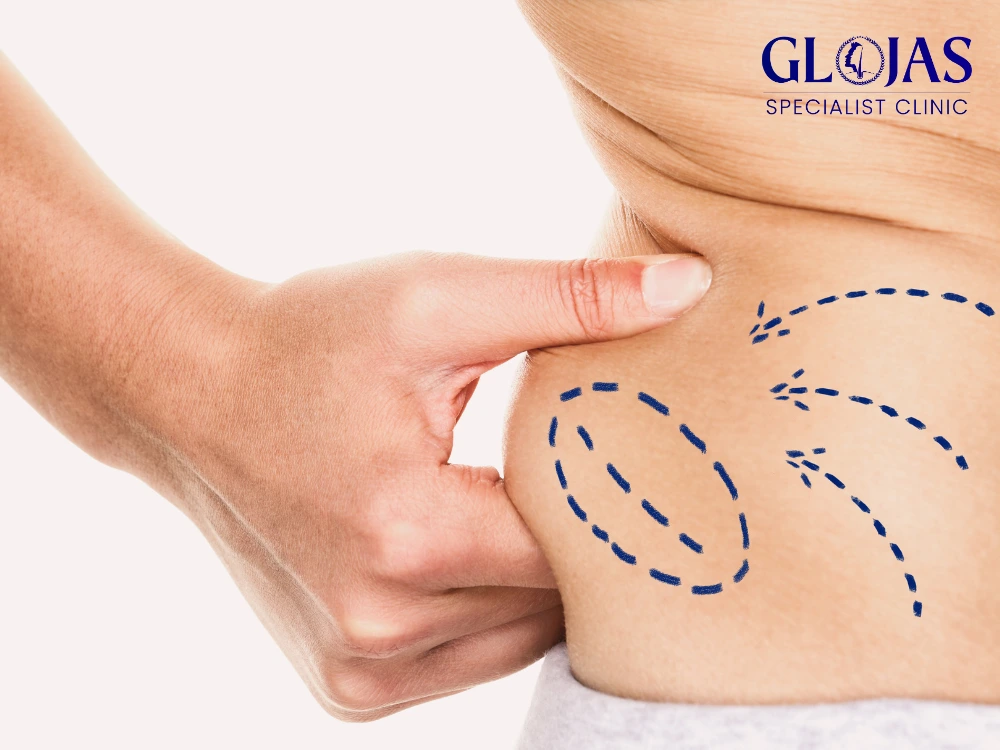
Lemak di pinggul merupakan masalah yang dihadapi oleh ramai individu, terutama wanita. Selain menjejaskan penampilan fizikal, masalah ini boleh mempengaruhi tahap keyakinan diri seseorang. Dalam artikel ini, kita akan membincangkan secara mendalam mengenai cara buang lemak di pinggul menggunakan liposuction. Prosedur ini semakin popular di kalangan mereka yang ingin mendapatkan bentuk badan yang ideal dan menyingkirkan lemak berlebihan. Apa Itu Liposuction? Liposuction adalah prosedur pembedahan yang bertujuan untuk mengeluarkan lemak berlebihan dari pelbagai bahagian tubuh, termasuk pinggul. Proses ini melibatkan penyuntikan larutan khas ke dalam tisu lemak untuk memecahkan sel-sel lemak, diikuti dengan penyedutan lemak menggunakan tiub nipis yang dipanggil kanula. Keputusan yang cepat dan jelas menjadikan liposuction sebagai salah satu cara buang lemak di pinggul yang paling berkesan dan popular. Jenis-Jenis Liposuction Terdapat beberapa teknik liposuction yang digunakan, termasuk: Tumescent Liposuction: Teknik ini melibatkan suntikan larutan saline yang dicampur dengan anestetik dan vasokonstriktor untuk mengurangkan pendarahan. Teknik ini memberikan hasil yang lebih baik dan meminimumkan risiko komplikasi. Ultrasound-Assisted Liposuction (UAL): Dalam teknik ini, ultrasound digunakan untuk memecahkan sel-sel lemak sebelum mereka disedut keluar. Ini sangat berguna untuk mengeluarkan lemak yang lebih keras. Laser-Assisted Liposuction: Teknik ini menggunakan tenaga laser untuk memecahkan sel-sel lemak, yang kemudian boleh disedut keluar. Hasilnya adalah lebih lancar dan kurang invasif. Power-Assisted Liposuction (PAL): Dalam teknik ini, kanula dilengkapi dengan motor untuk membantu dalam penyedutan lemak. Ini boleh mempercepatkan proses dan mengurangkan ketidakselesaan. Setiap teknik mempunyai kelebihan dan kekurangan tersendiri, dan pilihan teknik terbaik bergantung kepada keadaan individu. Penting untuk berbincang dengan pakar bedah mengenai pilihan yang paling sesuai. Kenapa Pilih Liposuction? Menghilangkan lemak di pinggul boleh dilakukan dengan pelbagai cara, termasuk diet, senaman, dan rawatan bukan pembedahan. Namun, bagi mereka yang telah mencuba pelbagai cara tetapi masih tidak mencapai hasil yang diinginkan, liposuction mungkin menjadi pilihan yang tepat. Berikut adalah beberapa sebab mengapa liposuction adalah cara buang lemak di pinggul yang popular: 1. Keputusan Segera Salah satu kelebihan utama liposuction adalah hasil yang dapat dilihat dengan segera. Berbeza dengan kaedah lain yang memerlukan masa untuk menunjukkan perubahan, liposuction membolehkan pesakit melihat perubahan bentuk badan hampir serta-merta selepas pembedahan. 2. Mengeluarkan Lemak yang Sukar Kadang-kadang, lemak di pinggul adalah sangat sukar untuk dihilangkan melalui diet dan senaman sahaja. Liposuction membolehkan pakar bedah untuk mengeluarkan lemak yang tidak responsif ini secara efektif, menjadikannya sebagai cara buang lemak di pinggul yang ideal bagi ramai orang. 3. Membentuk Kontur Badan Selain mengurangkan lemak, liposuction juga membantu membentuk kontur badan dengan lebih baik. Ini memberi impak positif terhadap penampilan keseluruhan dan meningkatkan keyakinan diri. 4. Meminimumkan Kecederaan dan Parut Teknik liposuction yang lebih moden, seperti tumescent liposuction dan laser-assisted liposuction, membolehkan pemulihan yang lebih cepat dengan kecederaan dan parut yang lebih sedikit berbanding teknik tradisional. Prosedur Liposuction Prosedur liposuction biasanya dilakukan di bawah anestesia umum atau anestesia tempatan, bergantung kepada jumlah lemak yang akan dikeluarkan. Berikut adalah langkah-langkah umum dalam prosedur liposuction: 1. Konsultasi Sebelum pembedahan, anda perlu menjalani sesi konsultasi dengan pakar bedah plastik. Di sini, anda akan membincangkan pilihan pembedahan, risiko, dan hasil yang diharapkan. Ini adalah langkah penting untuk memastikan liposuction adalah cara buang lemak di pinggul yang sesuai untuk anda. 2. Persediaan Sebelum Pembedahan Doktor akan memberikan arahan yang jelas mengenai apa yang perlu dilakukan sebelum pembedahan. Ini termasuk mengelakkan pengambilan ubat tertentu yang boleh meningkatkan risiko pendarahan dan merancang masa pemulihan selepas pembedahan. 3. Pembedahan Semasa pembedahan, pakar bedah akan membuat beberapa incisi kecil di kawasan pinggul. Larutan khas akan disuntik ke dalam tisu lemak sebelum lemak disedut keluar menggunakan kanula. Proses ini biasanya mengambil masa antara satu hingga tiga jam, bergantung kepada jumlah lemak yang akan dikeluarkan. 4. Pemulihan Selepas pembedahan, anda mungkin akan mengalami sedikit bengkak dan ketidakselesaan. Pemulihan biasanya mengambil masa beberapa minggu, tetapi kebanyakan pesakit dapat kembali kepada aktiviti harian mereka dalam tempoh yang singkat. Doktor akan memberikan panduan mengenai penjagaan pasca pembedahan untuk memastikan pemulihan yang baik. Kelebihan dan Risiko Liposuction Seperti mana-mana prosedur pembedahan, liposuction mempunyai kelebihan dan risiko yang perlu dipertimbangkan. Kelebihan Hasil yang Berkekalan: Dengan cara pemakanan yang baik dan gaya hidup sihat selepas pembedahan, hasil dari liposuction boleh bertahan lama. Meningkatkan Keyakinan Diri: Selepas mendapatkan bentuk badan yang diingini, ramai pesakit melaporkan peningkatan dalam keyakinan diri mereka. Penampilan yang lebih baik seringkali membawa kepada perasaan yang lebih positif tentang diri sendiri. Kepuasan Pesakit yang Tinggi: Kajian menunjukkan bahawa pesakit yang menjalani liposuction biasanya berpuas hati dengan hasil mereka, dan ramai yang melaporkan perubahan dalam gaya hidup positif. Risiko Komplikasi Pembedahan: Seperti pembedahan lain, terdapat risiko jangkitan, pendarahan, dan reaksi terhadap anestesia. Memilih pakar bedah yang berpengalaman boleh mengurangkan risiko ini. Keputusan Tidak Memuaskan: Dalam sesetengah kes, pesakit mungkin tidak berpuas hati dengan hasilnya. Ini mungkin disebabkan oleh harapan yang tidak realistik. Oleh itu, penting untuk berbincang dengan pakar tentang apa yang boleh dicapai melalui prosedur ini. Pembentukan Keloid: Bagi sesetengah individu, parut yang terbentuk selepas pembedahan mungkin lebih menonjol dan membentuk keloid, yang boleh menjadi masalah estetik. Siapa yang Sesuai untuk Liposuction? Liposuction bukan untuk semua orang. Ia adalah pilihan yang sesuai bagi individu yang mempunyai berat badan yang stabil tetapi ingin menghilangkan lemak berlebihan di pinggul. Berikut adalah beberapa kriteria yang boleh membantu anda menentukan sama ada liposuction adalah cara buang lemak di pinggul yang sesuai: Kesehatan yang Baik: Pesakit harus berada dalam keadaan kesihatan yang baik tanpa masalah perubatan yang serius. Ini termasuk tiada penyakit jantung, diabetes yang tidak terkawal, atau masalah pembekuan darah. Keinginan untuk Mengubah Penampilan: Individu yang berkeinginan untuk mengubah penampilan mereka dengan menghilangkan lemak di pinggul adalah calon yang sesuai. Mereka harus mempunyai motivasi yang kuat untuk mencapai hasil yang diinginkan. Sikap Positif terhadap Pemulihan: Liposuction memerlukan masa pemulihan, dan pesakit perlu bersedia untuk mengikuti semua arahan pemulihan yang diberikan oleh doktor. Bukan Alternatif kepada Penurunan Berat Badan: Liposuction bukanlah cara untuk menurunkan berat badan. Ia lebih sesuai untuk membentuk tubuh dan menghilangkan lemak berlebihan di kawasan tertentu. Cara Menjaga Hasil Liposuction Setelah menjalani liposuction, adalah penting untuk menjaga hasil yang telah dicapai. Berikut adalah beberapa cara untuk melakukannya: 1. Pemakanan Seimbang Mengamalkan pemakanan sihat dengan banyak buah,
Rhinoplasti: Memahami Prosedur Pembedahan Hidung
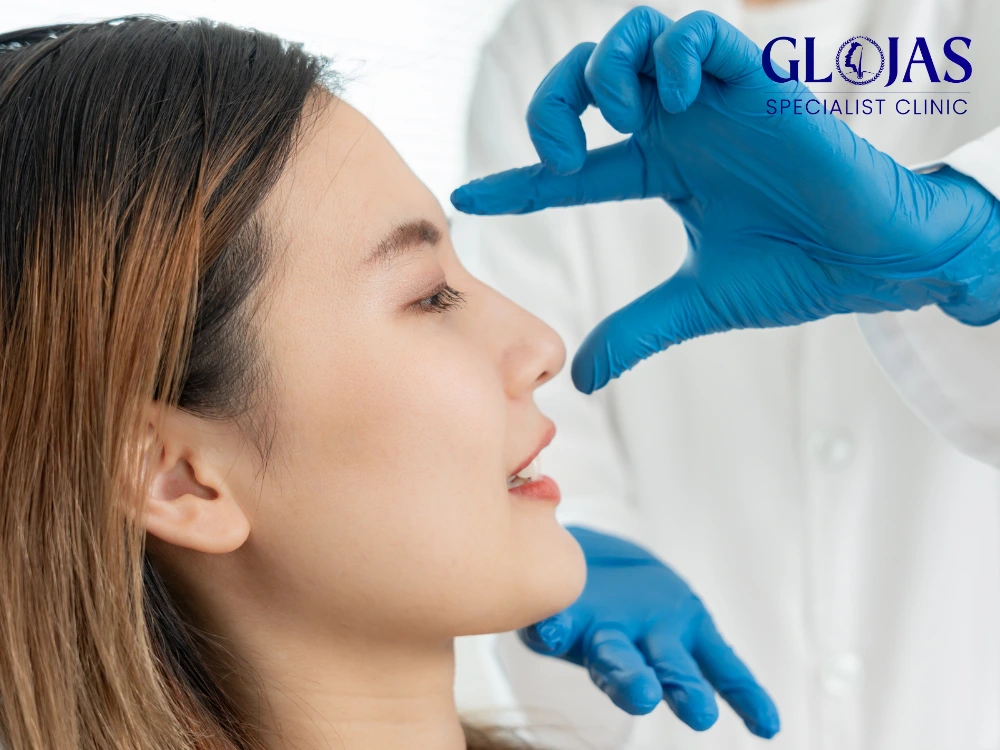
Rhinoplasti, yang sering dikenali sebagai pembedahan hidung, adalah salah satu prosedur pembedahan estetik yang paling popular di seluruh dunia. Prosedur ini bertujuan untuk mengubah bentuk atau ukuran hidung, sama ada untuk tujuan estetik mahupun perubatan. Artikel ini akan membincangkan secara terperinci tentang rhinoplasti, termasuk jenis, proses, manfaat, risiko, dan perkara-perkara yang perlu dipertimbangkan sebelum menjalani prosedur ini. Apa itu Rhinoplasti? Rhinoplasti adalah pembedahan yang dilakukan untuk memperbaiki atau mengubah bentuk hidung. Prosedur ini boleh dilakukan untuk pelbagai tujuan, termasuk memperbaiki kecacatan yang mungkin berlaku sejak lahir, kecederaan, atau untuk meningkatkan penampilan hidung secara keseluruhan. Rhinoplasti boleh dilakukan dalam dua cara: terbuka dan tertutup. Dalam rhinoplasti terbuka, pembedahan dilakukan dengan membuat potongan di luar hidung, manakala dalam rhinoplasti tertutup, potongan dibuat di dalam hidung. Pemilihan teknik bergantung kepada keperluan individu dan nasihat pakar bedah. Jenis-jenis Rhinoplasti Terdapat beberapa jenis rhinoplasti yang boleh dipertimbangkan, bergantung kepada tujuan dan keperluan pesakit: Rhinoplasti Estetik: Jenis ini adalah yang paling umum, di mana prosedur dilakukan untuk meningkatkan penampilan hidung. Ia boleh melibatkan pengurangan saiz hidung, perubahan bentuk hujung hidung, atau mengubah lebar hidung. Rhinoplasti Fungsional: Prosedur ini dilakukan untuk memperbaiki fungsi hidung, terutamanya bagi mereka yang mengalami masalah pernafasan akibat struktur hidung yang tidak normal. Ini sering dilakukan untuk merawat septum yang menyimpang atau masalah sinus. Rhinoplasti Sekunder: Ini adalah prosedur yang dilakukan selepas rhinoplasti pertama yang mungkin tidak memberikan hasil yang diinginkan. Ia boleh menjadi lebih kompleks dan memerlukan kemahiran tinggi dari pakar bedah. Rhinoplasti Rekonstruktif: Jenis ini biasanya dilakukan untuk membetulkan kecacatan yang disebabkan oleh kecederaan, penyakit, atau masalah kongenital. Tujuannya adalah untuk memulihkan fungsi dan penampilan hidung. Proses Rhinoplasti Proses rhinoplasti biasanya melibatkan beberapa langkah, dari konsultasi awal hingga pemulihan. Berikut adalah panduan umum tentang apa yang boleh anda jangkakan: 1. Konsultasi Awal Langkah pertama dalam proses rhinoplasti adalah melakukan konsultasi dengan pakar bedah plastik yang berkelayakan. Dalam sesi ini, doktor akan membincangkan tujuan anda, menjawab soalan, dan melakukan pemeriksaan fizikal. Ini adalah peluang untuk berkongsi harapan anda dan mendapatkan nasihat tentang hasil yang boleh dicapai. Doktor akan menggunakan model atau gambar untuk menunjukkan bagaimana perubahan bentuk hidung anda boleh dilakukan. Ini juga merupakan waktu yang baik untuk membincangkan sejarah kesihatan anda, termasuk sebarang ubat yang anda ambil atau penyakit yang pernah anda alami. 2. Persiapan Sebelum Pembedahan Setelah memutuskan untuk meneruskan dengan rhinoplasti, anda mungkin perlu menjalani beberapa ujian perubatan. Doktor akan memberikan arahan tentang cara mempersiapkan diri, termasuk mengelakkan ubat-ubatan tertentu dan berhenti merokok jika anda seorang perokok. Pemakanan yang baik juga penting sebelum pembedahan. Pastikan anda mendapatkan cukup nutrisi untuk membantu pemulihan selepas pembedahan. Doktor mungkin mencadangkan untuk tidak makan atau minum selepas tengah malam sebelum hari pembedahan. 3. Prosedur Pembedahan Rhinoplasti biasanya dilakukan di bawah anestesia umum atau sedasi, bergantung kepada kompleksiti prosedur. Proses pembedahan boleh mengambil masa antara satu hingga tiga jam. Dalam pembedahan ini, doktor akan membuat potongan yang diperlukan, membuang atau menambah tisu, dan membentuk hidung mengikut kehendak pesakit. Sekiranya terdapat masalah pernafasan, doktor juga mungkin melakukan pembetulan septum hidung pada masa yang sama. 4. Pemulihan Selepas pembedahan, anda akan dipantau di bilik pemulihan sebelum dibenarkan pulang. Pada hari pertama, bengkak dan lebam di sekitar hidung dan mata adalah perkara biasa. Anda mungkin merasa sedikit ketidakselesaan, tetapi doktor akan memberikan ubat penahan sakit untuk membantu mengurangkan rasa sakit tersebut. Doktor akan memberikan arahan pemulihan yang perlu diikuti, termasuk penggunaan ubat penahan sakit dan cara menjaga kawasan pembedahan. Anda mungkin perlu memakai pembalut atau pelindung hidung selama beberapa hari untuk melindungi hidung daripada sebarang kecederaan. Manfaat Rhinoplasti Rhinoplasti boleh memberikan pelbagai manfaat, bukan hanya dari segi estetik tetapi juga fungsi. Antara manfaat utama rhinoplasti adalah: Meningkatkan Penampilan: Bagi ramai individu, rhinoplasti dapat meningkatkan keyakinan diri dan memperbaiki penampilan wajah secara keseluruhan. Hidung yang seimbang dan proporsional boleh memberi impak positif terhadap penampilan keseluruhan. Memperbaiki Fungsi Pernafasan: Bagi mereka yang mengalami masalah pernafasan akibat struktur hidung yang tidak normal, rhinoplasti fungsional boleh membantu memulihkan aliran udara dan mengurangkan kesukaran bernafas. Membetulkan Kecacatan: Rhinoplasti rekonstruktif boleh membantu individu yang mengalami kecacatan akibat kecederaan, penyakit, atau masalah kongenital untuk mendapatkan semula penampilan dan fungsi hidung mereka. Kepuasan Emosional: Banyak pesakit melaporkan peningkatan kepuasan emosional dan kualiti hidup selepas menjalani rhinoplasti. Keyakinan diri yang meningkat dapat membawa kepada perubahan positif dalam hubungan sosial dan peribadi. Kesihatan Mental: Dengan penampilan yang lebih baik, ramai individu mengalami peningkatan dalam kesihatan mental mereka. Ini mungkin termasuk penurunan dalam kebimbangan sosial dan peningkatan dalam keyakinan diri. Risiko dan Komplikasi Walaupun rhinoplasti umumnya selamat, seperti semua prosedur pembedahan, ia mempunyai risiko dan komplikasi. Antara risiko yang mungkin berlaku termasuk: Bengkak dan Lebam: Selepas pembedahan, bengkak dan lebam di sekitar hidung dan mata adalah perkara biasa. Ini biasanya akan reda dalam beberapa minggu, tetapi ia boleh mengambil masa yang lebih lama untuk hilang sepenuhnya. Kesakitan dan Ketidakselesaan: Pesakit mungkin mengalami kesakitan yang sederhana yang boleh dikawal dengan ubat penahan sakit yang diberikan oleh doktor. Ketidakselesaan ini biasanya akan berkurangan dalam beberapa hari. Kecacatan Estetik: Dalam sesetengah kes, hasil rhinoplasti mungkin tidak memenuhi harapan pesakit, dan ini boleh menyebabkan kekecewaan. Oleh itu, penting untuk mempunyai harapan yang realistik sebelum pembedahan. Jangkitan: Seperti mana-mana pembedahan, terdapat risiko jangkitan. Pesakit perlu mengikuti arahan doktor dengan teliti untuk mengurangkan risiko ini. Kehilangan Sensasi: Beberapa pesakit mungkin mengalami kehilangan sensasi di sekitar hidung atau lidah. Ini biasanya sementara tetapi boleh menjadi kekal dalam kes yang jarang berlaku. Hasil Tidak Stabil: Dalam beberapa kes, hidung mungkin tidak mengekalkan bentuk baru selepas pembedahan. Ini boleh disebabkan oleh faktor genetik atau gaya hidup pesakit. Pertimbangan Sebelum Menjalani Rhinoplasti Sebelum memutuskan untuk menjalani rhinoplasti, terdapat beberapa perkara yang perlu dipertimbangkan: Kelayakan: Pastikan anda memenuhi kriteria untuk menjalani prosedur ini. Ini termasuk usia, kesihatan umum, dan harapan anda terhadap hasil pembedahan. Umur minimum untuk rhinoplasti biasanya adalah 15 tahun, tetapi keputusan perlu dibuat berdasarkan kematangan emosi pesakit. Pilih Pakar Bedah yang Berpengalaman: Memilih pakar bedah yang berpengalaman dan mempunyai rekod prestasi yang baik adalah penting. Lakukan penyelidikan dan baca ulasan untuk memastikan anda membuat pilihan yang tepat. Kefahaman Mengenai Prosedur: Pastikan anda memahami sepenuhnya prosedur
What Is Nose Reshaping? Is Rhinoplasty Nose Surgery Safe?
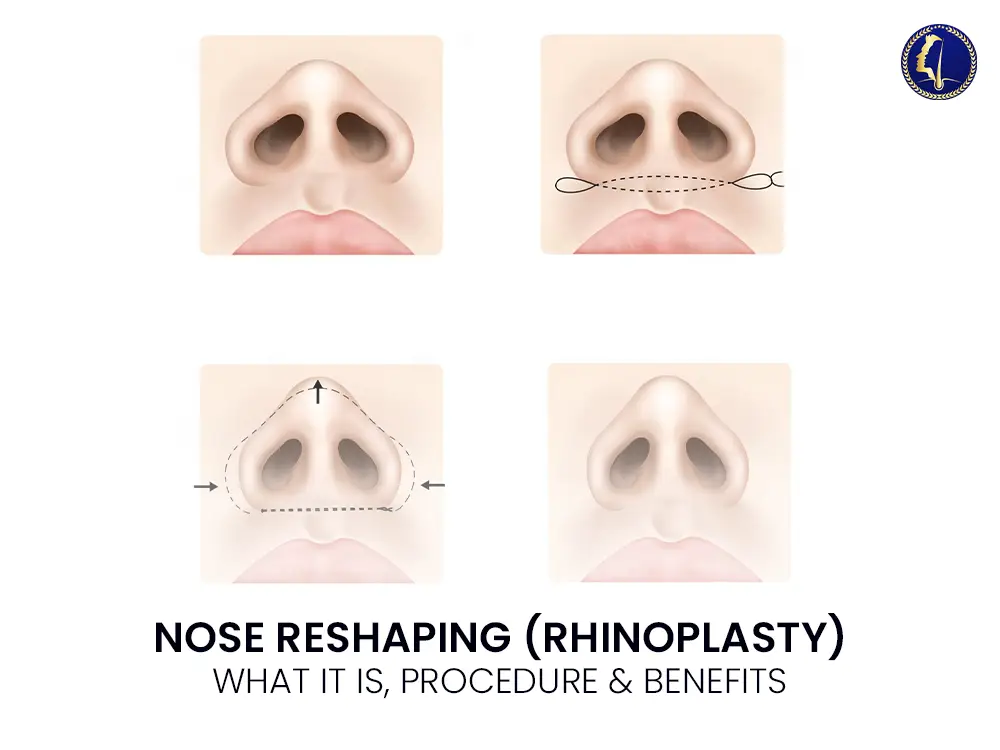
Nose Reshaping Nose reshaping, or rhinoplasty, is a cosmetic surgery procedure aimed at enhancing the appearance of the nose. Rhinoplasty, often referred to as a nose job, involves modifying the bone and cartilage structure of the nose to improve its shape, size, or function. This procedure is popular among individuals seeking to correct aesthetic concerns, restore facial harmony, or even address breathing difficulties caused by structural issues in the nose. Whether performed for cosmetic or medical reasons, rhinoplasty is a highly specialized surgery that requires a skilled surgeon to achieve natural-looking and functional results. What Is Rhinoplasty? Rhinoplasty, or nose reshaping surgery, is a procedure designed to alter the size, shape, or proportions of the nose. This surgery can be performed to enhance the nose’s appearance or to improve breathing by correcting structural issues. Common reasons for rhinoplasty include addressing congenital deformities, fixing broken noses, or correcting breathing problems due to a deviated septum. There are two main types of rhinoplasty: cosmetic rhinoplasty and functional rhinoplasty. Cosmetic Rhinoplasty – This type of rhinoplasty focuses purely on improving the aesthetic appearance of the nose. Individuals seeking cosmetic rhinoplasty may want to reduce a bump on the nose, refine the tip, make the nose smaller or larger, or achieve better overall facial symmetry. Functional Rhinoplasty – Functional rhinoplasty is typically performed to address breathing problems caused by structural issues such as a deviated septum, enlarged turbinates, or nasal blockages. In many cases, functional rhinoplasty is combined with cosmetic rhinoplasty, offering both aesthetic and functional benefits. Why Do People Choose Rhinoplasty? There are many reasons why individuals opt for rhinoplasty, and these reasons can be either aesthetic or functional: Aesthetic Concerns: Many people choose rhinoplasty to correct perceived flaws in the appearance of their nose. For instance, if a person has a prominent hump on the nose, a bulbous tip, or a crooked nose, rhinoplasty can reshape these features for a more balanced and natural look that better complements their facial features. Breathing Issues: Rhinoplasty is often sought after by individuals who have trouble breathing due to a deviated septum, enlarged turbinates, or nasal blockages. These issues can lead to difficulty breathing through the nose, and rhinoplasty can help correct these problems, improving both airflow and overall quality of life. Injury or Trauma: A nose injury, such as a broken nose, may require rhinoplasty for both functional and aesthetic reasons. After an injury, the structure of the nose may be altered, leading to breathing problems or changes in appearance that the individual wants to correct. Improving Facial Harmony: For many individuals, the nose plays a central role in their overall facial harmony. Rhinoplasty allows patients to achieve a more balanced and proportional facial appearance by reshaping the nose in a way that enhances their natural beauty. What Happens During Rhinoplasty Surgery? Rhinoplasty is typically performed under local or general anesthesia, depending on the complexity of the procedure. The surgery involves making incisions either inside the nostrils (closed rhinoplasty) or across the base of the nose (open rhinoplasty). The approach depends on the extent of reshaping required. Closed Rhinoplasty: In closed rhinoplasty, all incisions are made inside the nostrils, leaving no visible scars on the external surface of the nose. This method is usually recommended for patients who need minor adjustments to the shape or structure of the nose. Open Rhinoplasty: In open rhinoplasty, an incision is made across the columella (the tissue between the nostrils), which allows the surgeon to lift the skin of the nose and gain better access to the underlying bone and cartilage. This approach is typically used for more complex rhinoplasty procedures where significant reshaping is needed. After the incisions are made, the surgeon carefully sculpts the bone and cartilage to achieve the desired shape. In some cases, cartilage may be taken from other parts of the body, such as the ear or rib, to provide better structure for the nose. Once the necessary changes are made, the incisions are closed, and the nose is stabilized with splints and dressings. Recovery After Rhinoplasty The recovery period after rhinoplasty varies from patient to patient, but in general, patients can expect the following: Swelling and Bruising: Swelling and bruising around the nose and eyes are common after rhinoplasty. This typically peaks within the first two to three days and gradually improves over the next few weeks. Nasal Congestion: Some patients experience nasal congestion due to the swelling of the nasal passages. This can last for a few weeks after the surgery. Post-Surgical Care: Patients are usually advised to keep their head elevated during the first few days after surgery to minimize swelling. It is important to avoid strenuous activities and refrain from blowing the nose during the initial recovery phase to prevent complications. Return to Work and Activities: Most patients can return to work or school within one to two weeks, though strenuous physical activities and exercise should be avoided for at least four to six weeks. Final Results: The full results of rhinoplasty may take several months to fully reveal themselves, as swelling can take time to subside. However, many patients begin to see improvements in the shape and function of their nose within a few weeks after surgery. Costs of Rhinoplasty in Asia The cost of rhinoplasty can vary significantly depending on the country, the surgeon’s experience, and the complexity of the procedure. In Asia, the cost of rhinoplasty generally ranges as follows: Thailand: Rhinoplasty in Thailand is popular due to its high-quality procedures and relatively lower costs. The cost of rhinoplasty in Thailand typically ranges from 90,000 to 210,000 Thai Baht (THB), which is approximately $2,500 to $6,000 USD. South Korea: South Korea is known as a global hub for cosmetic surgery, particularly rhinoplasty. The cost of rhinoplasty in South Korea ranges from 4,500,000 to 10,500,000 Korean Won (KRW), which is about $4,000 to $8,000 USD. Malaysia: In Malaysia, rhinoplasty procedures typically cost between 8,000 to 20,000 Malaysian Ringgit (MYR), which is approximately $2,000 to $5,000 USD.
Cara Hilangkan Eyebag: Punca, Rawatan & Petua Berkesan
Eye bags, atau bengkak bawah mata, bukan sahaja membuat wajah kelihatan penat tetapi juga boleh menurunkan keyakinan diri. Ramai yang tertanya-tanya cara hilangkan eyebag dengan selamat dan berkesan. Punca eyebag boleh bervariasi dari kekurangan tidur, faktor genetik, hingga gaya hidup tidak sihat. Dalam artikel ini, kita akan mengupas secara mendalam mengenai punca, cara pencegahan, serta pelbagai cara merawat eyebag agar anda dapat menampilkan wajah yang lebih segar dan berseri. Punca Eyebag Sebelum kita membahas cara merawat eyebag, adalah penting untuk mengenali puncanya. Dengan memahami punca, kita dapat mengambil langkah untuk cara merawat eyebag yang lebih berkesan. Berikut adalah beberapa faktor yang sering menyebabkan eyebag: 1. Kekurangan Tidur Tidur yang tidak mencukupi adalah salah satu penyebab utama munculnya eyebag. Ketika kita tidak mendapatkan tidur yang cukup, badan kita tidak dapat memulihkan diri dengan baik. Akibatnya, cecair akan terkumpul di bawah mata, menyebabkan bengkak dan lingkaran gelap. 2. Genetik Faktor genetik juga memainkan peranan yang signifikan. Jika keluarga anda mempunyai riwayat eyebag, kemungkinan anda juga akan mengalaminya. Gen yang diwarisi ini dapat mempengaruhi ketebalan kulit dan distribusi lemak di bawah mata. 3. Penuaan Proses penuaan semulajadi juga memberi kesan kepada penampilan kulit. Dengan bertambahnya usia, kulit kehilangan kolagen dan elastin, dua protein penting yang menjaga keanjalan dan kekencangan kulit. Ini boleh menyebabkan kawasan di bawah mata kelihatan kendur dan lebih jelas. 4. Dehidrasi Dehidrasi adalah satu lagi penyebab eyebag. Apabila badan kekurangan air, kulit akan kehilangan kelembapan dan keanjalannya. Ini menjadikan eyebag lebih ketara. Minum air yang cukup adalah penting untuk menjaga kelembapan kulit. 5. Alahan Reaksi alahan kepada debu, polen, atau bahan kimia boleh menyebabkan keradangan dan bengkak di sekitar mata. Gejala alahan seperti gatal, kemerahan, dan pembengkakan adalah faktor penyumbang kepada eyebag. 6. Gaya Hidup Tidak Sihat Pengambilan alkohol, merokok, dan diet yang tidak seimbang boleh merosakkan kulit dan meningkatkan kemungkinan munculnya eyebag. Kebiasaan buruk ini bukan sahaja memberi kesan kepada penampilan tetapi juga kepada kesihatan secara keseluruhan. Cara Hilangkan Eyebag Dengan Pencegahan Yang Betul Mencegah eyebag adalah langkah terbaik untuk mengekalkan penampilan yang segar. Berikut adalah beberapa langkah yang boleh diambil untuk cara merawat eyebag: 1. Tidur yang Cukup Tidur yang berkualiti adalah asas kepada kesihatan kulit yang baik. Pastikan anda mendapatkan antara 7 hingga 9 jam tidur setiap malam. Cipta persekitaran tidur yang selesa dengan menggunakan bantal yang sesuai dan menghindari penggunaan alat elektronik sebelum tidur. 2. Hidrasi yang Mencukupi Minum air yang mencukupi setiap hari adalah penting untuk menjaga kelembapan kulit. Sasarkan untuk meminum sekurang-kurangnya 8 gelas air sehari. Anda juga boleh mendapatkan hidrasi daripada buah-buahan dan sayur-sayuran yang kaya dengan air, seperti timun dan tembikai. Ini merupakan salah satu cara merawat eyebag dengan berkesan dan mudah. 3. Pemakanan Seimbang Amalkan diet yang kaya dengan nutrisi. Makanan yang tinggi antioksidan, seperti buah-buahan berwarna cerah dan sayur-sayuran hijau, dapat membantu melawan radikal bebas yang merosakkan kulit. Pastikan juga anda mendapatkan cukup vitamin C, E, dan K yang penting untuk kesihatan kulit. 4. Elakkan Merokok dan Pengambilan Alkohol Merokok dan pengambilan alkohol secara berlebihan boleh merosakkan kolagen dan elastin, menjadikan kulit lebih kendur. Jika anda merokok, pertimbangkan untuk berhenti demi kesihatan kulit dan badan. 5. Mengurus Stres Stres boleh memberi kesan negatif kepada kesihatan kulit. Amalkan teknik pengurusan stres seperti meditasi, yoga, atau senaman untuk membantu mengurangkan kesan stres terhadap tubuh dan kulit. 6. Lindungi Kulit dari Sinar UV Sinaran UV boleh merosakkan kulit dan mempercepatkan proses penuaan. Gunakan pelindung matahari yang sesuai setiap hari, walaupun cuaca mendung. Pakai cermin mata hitam untuk melindungi kawasan sekitar mata dari sinaran berbahaya. View this post on Instagram A post shared by FUE Hair Transplant Malaysia | Pakar Tanam Rambut Kuala Lumpur (@fuehairtransplantmalaysia) Cara Hilangkan Eyebag Dengan Berkesan Jika eyebag sudah muncul, terdapat pelbagai cara untuk merawat eyebag. Berikut adalah beberapa kaedah yang berkesan: 1. Kompres Dingin Kompres dingin adalah salah satu cara termudah dan paling berkesan untuk mengurangkan bengkak di bawah mata. Beberapa cara untuk melakukannya termasuk: Sudu Dingin : Simpan sudu di dalam peti sejuk selama 10-15 minit, kemudian letakkan pada kawasan mata selama 10-15 minit. Kesejukan sudu dapat membantu mengurangkan bengkak. Teh Beg : Gunakan beg teh hijau atau chamomile yang telah digunakan dan sejukkan. Letakkan beg teh tersebut di atas mata selama 10-15 minit. Antioksidan dalam teh dapat membantu meredakan keradangan. 2. Krim Mata Memilih krim mata yang mengandungi bahan aktif tertentu dapat membantu mengurangkan eyebag. Antara bahan yang perlu dicari adalah: Kafein : Membantu mengecilkan saluran darah dan mengurangkan bengkak. Retinol : Merangsang pengeluaran kolagen dan membantu mengurangkan kedutan. Asid Hyaluronik : Memberikan kelembapan yang diperlukan untuk kulit. 3. Penutup Mata Menggunakan penutup mata dengan bahan semulajadi seperti aloe vera, vitamin E, atau minyak kelapa boleh membantu menenangkan dan melembapkan kulit di sekitar mata. Sapukan penutup mata sebelum tidur untuk hasil yang lebih baik. 4. Mengubah Posisi Tidur Posisi tidur dapat mempengaruhi penampilan eyebag. Tidur dengan bantal yang lebih tinggi membantu mengelakkan pengumpulan cecair di bawah mata. Pastikan anda tidur dalam posisi yang selesa dan tidak menyumbang kepada masalah eyebag. 5. Gaya Hidup Sihat Mengamalkan gaya hidup yang sihat dengan senaman secara teratur dan tidur yang cukup adalah kunci untuk menjaga kesihatan kulit. Senaman meningkatkan peredaran darah dan memberi penampilan yang lebih segar. 6. Rawatan Profesional Jika eyebag anda masih ketara walaupun telah mencuba pelbagai cara, anda mungkin ingin mempertimbangkan rawatan profesional. Pilihan termasuk: Pengisi (Fillers) : Suntikan ini membantu mengisi kawasan di bawah mata, memberikan penampilan yang lebih muda. Pembedahan Blepharoplasty : Pembedahan ini menghilangkan lemak berlebihan dan kulit kendur di sekitar mata. Laser atau Terapi Cahaya : Kaedah ini dapat merangsang penghasilan kolagen dan mengurangkan kedutan. Cara Hilangkan Eyebag Dengan Menggunakan Bahan Semulajadi Terdapat banyak bahan semulajadi yang boleh digunakan untuk merawat eyebag. Berikut adalah beberapa pilihan yang boleh dicuba: 1. Timun Timun bukan sahaja menyegarkan tetapi juga mengandungi sifat menyejukkan. Potong timun menjadi kepingan dan letakkan di atas mata selama 10-15 minit. Ini dapat membantu mengurangkan bengkak dan memberikan efek menenangkan. 2. Lidah Buaya Gel lidah buaya terkenal dengan sifat anti-radang dan melembapkan. Sapukan gel lidah buaya pada kawasan mata sebelum tidur untuk
Brazilian Butt Lift (BBL) Surgery in Kuala Lumpur – Fat Transfer & Butt Augmentation
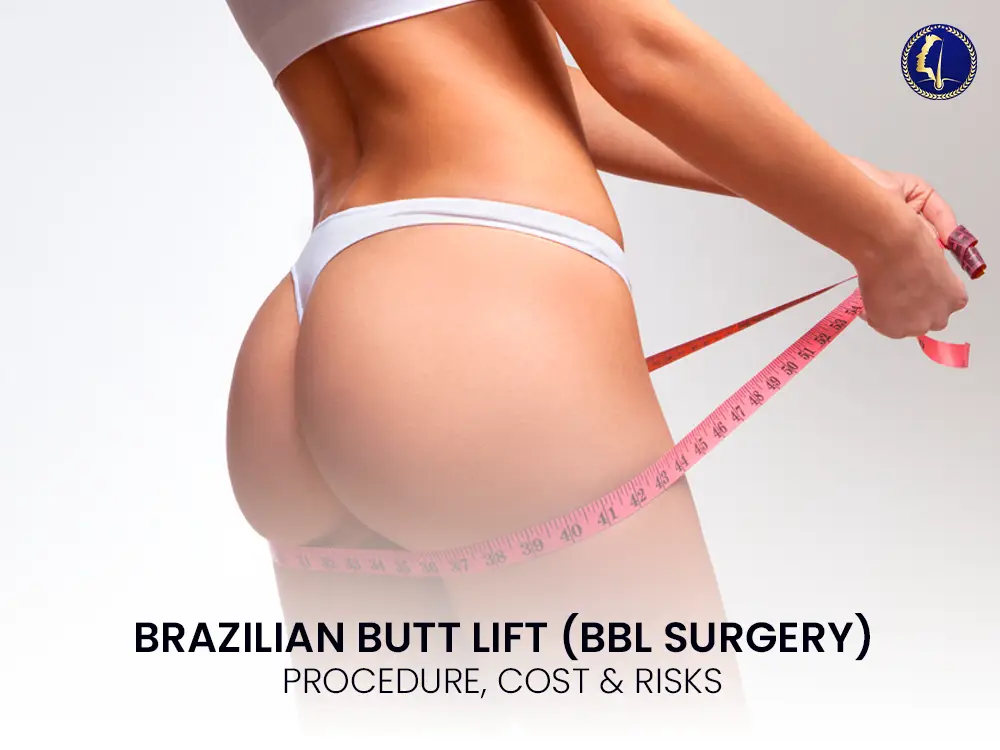
The Brazilian Butt Lift (BBL) has gained global attention as one of the most transformative cosmetic surgeries for enhancing curves and body proportion. Unlike implants, BBL uses your own body fat to naturally augment the buttocks—offering a sculpted, lifted, and youthful silhouette. At GLOJAS Plastic Surgery Specialist Clinic in Kuala Lumpur, our board-certified plastic surgeons use safe, advanced fat transfer techniques to perform BBLs with precision. Here’s everything you need to know before considering this procedure—from how it works to safety, cost, recovery, and real results. What Is a Brazilian Butt Lift? A Brazilian Butt Lift is a two-step cosmetic surgery that involves liposuction to remove unwanted fat from areas like the abdomen, flanks, back, or thighs, and then injecting purified fat into the buttocks for volume enhancement and reshaping. This procedure achieves: Fuller, rounder buttocks A slimmer waistline and contoured torso Natural-looking results using your own fat Minimal scarring compared to implants How Brazilian Butt Lift Surgery Is Performed: Step-by-Step At GLOJAS Plastic Surgery Specialist Clinic, we follow the latest MOH and global safety standards for BBL: Liposuction – We extract fat from donor areas (abdomen, thighs, arms) using VASER or PAL-assisted techniques. Fat Purification – Fat is centrifuged to separate viable fat cells. Fat Transfer – The purified fat is injected into the subcutaneous layer (never intramuscular) using blunt cannulas, which reduce risks. We use ultrasound guidance to ensure safe injection zones, avoiding deep muscle layers where complications like fat embolism may occur. Who’s a Good Candidate for Brazilian Butt Lift? You’re a suitable BBL candidate if you: Are in good overall health Have enough excess fat in donor areas Don’t smoke or can stop 4–6 weeks pre/post-op Have realistic expectations Want a more natural alternative to butt implants Not ideal if: You’re very lean (low BMI) You have uncontrolled health issues You expect extreme or exaggerated results Is Brazilian Butt Lift Safe? When performed by qualified, LCP-certified plastic surgeons using updated safety protocols, BBL is safe. The most serious risk—fat embolism—has significantly dropped when fat is injected only in the subcutaneous plane using blunt-tip cannulas. We adhere to ASPS (American Society of Plastic Surgeons) guidelines and ensure: Minimal incision size Precise fat placement Real-time monitoring FDA-approved techniques Brazilian Butt Lift Recovery: What to Expect BBL recovery requires specific care for optimal fat survival and safety. 🗓️ Week 1–2: No sitting or lying directly on buttocks Wear compression garments 24/7 Swelling, bruising, and tenderness are normal Avoid smoking and strenuous activity 🗓️ Week 3–6: Light walking encouraged to promote circulation Can sit with a BBL pillow (offloading pressure) Garment worn 12–16 hours/day 🗓️ Month 2+: Most swelling subsides Fat stabilizes, and final shape emerges Return to gym and regular routines with care On average, 60–70% of transferred fat survives, while the rest is absorbed naturally by the body. How Long Do Brazilian Butt Lift Results Last? BBL results are long-lasting, especially if you: Maintain stable body weight Follow post-op instructions Avoid smoking or extreme dieting The fat that survives after the initial healing period becomes a permanent part of your buttocks. Touch-ups are rarely needed unless significant weight changes occur. Pros and Cons of Brazilian Butt Lift ✅ Pros: Uses your own fat (natural, biocompatible) Enhances two areas: buttocks + donor zones No foreign implants Minimal scarring ⚠️ Cons: Not suitable for very lean patients 30–40% of fat may not survive Requires careful recovery discipline Risk of complications if done improperly Alternatives to Brazilian Butt Lift If you’re not a good candidate for fat transfer, consider: Buttock Implants – for those with low body fat Sculptra® Injections – temporary volumizing via biostimulants Endolift® or Skin Tightening – to improve skin laxity in mild cases Why Choose GLOJAS Plastic Surgery Specialist Clinic? NSR-Certified Plastic Surgeon Ultrasound-Guided Fat Transfer High-definition Liposuction & Contouring FDA-Approved Facility in Kuala Lumpur Hundreds of BBL Cases with Proven Results Whether you’re reshaping after weight loss, enhancing body proportions, or restoring youthful curves, we’ll help you achieve safe, stunning results. Transform Your Curves with a Brazilian Butt Lift (BBL) Today Enhance your natural curves and boost confidence with a safe, expert-performed Brazilian Butt Lift (BBL). Using advanced fat transfer techniques, our board-certified plastic surgeons at GLOJAS Plastic Surgery Specialist Clinic Kuala Lumpur sculpt your buttocks for a fuller, natural-looking shape. Whether you’re looking for subtle contouring or a dramatic transformation, we create results tailored to your body. Book a consultation at GLOJAS Plastic Surgery Specialist Clinic Kuala Lumpur today and discover how a BBL can help you achieve the curves you’ve always desired. FAQs About Brazilian Butt Lift (BBL) 1. Is a Brazilian Butt Lift permanent?Yes. About 60–70% of the fat survives and remains permanently, provided you maintain a stable weight. 2. How painful is BBL surgery?Discomfort is moderate and managed with medications. Most patients describe it as soreness rather than sharp pain. 3. Can I sit after BBL surgery?Not directly. Use a BBL pillow to offload pressure for at least 2 weeks post-op. 4. Is Brazilian Butt Lift safe in Malaysia?Yes, when done by an LCP-certified surgeon following strict MOH and ASPS safety protocols like Glojas Clinic. 5. What’s the difference between BBL and implants?BBL uses your own fat and has a natural feel. Implants use synthetic materials and are better for very lean individuals.
Memahami Selulit: Punca, Cara Pencegahan dan Rawatan Sesuai
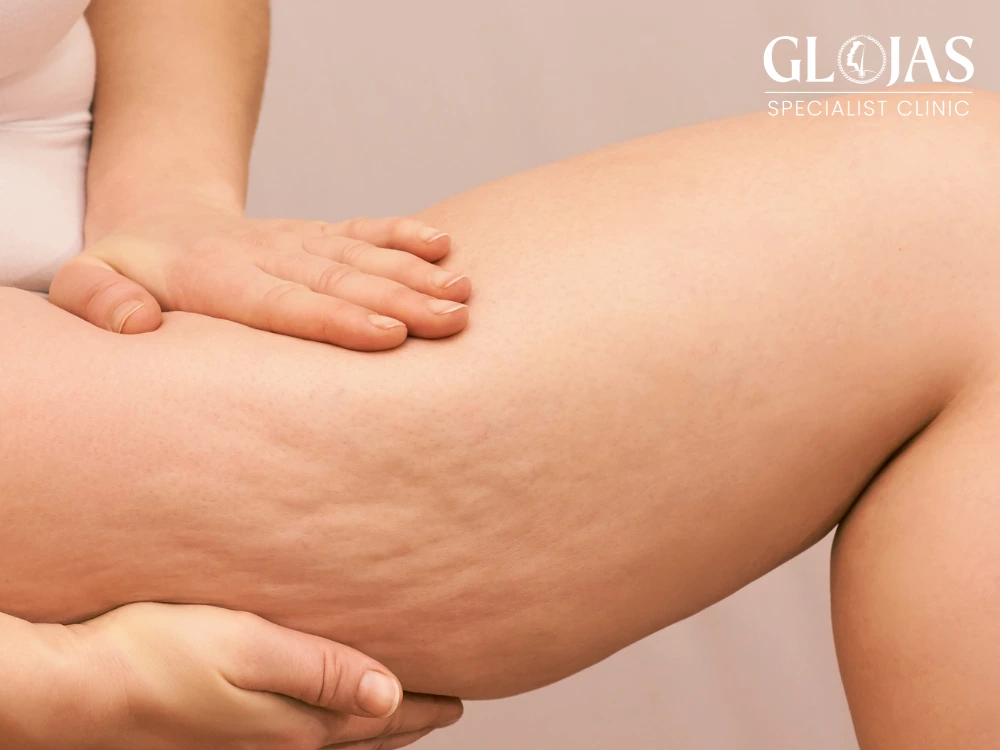
Selulit merupakan masalah yang sering dihadapi oleh ramai wanita dan juga lelaki, walaupun ia lebih dikenali sebagai isu wanita. Penampilan kulit yang berlekuk, berkedut, dan tidak sekata ini bukan sahaja menjejaskan penampilan fizikal tetapi juga boleh memberi kesan kepada keyakinan diri. Dalam artikel ini, kita akan menyelidiki apa itu selulit, punca-puncanya, langkah-langkah pencegahan, serta pilihan rawatan yang ada. Apa Itu Selulit? Selulit adalah keadaan di mana lemak yang terperangkap di bawah kulit mengganggu tisu penghubung, menghasilkan penampilan yang tidak rata. Ianya biasanya muncul di kawasan seperti paha, punggung, perut, dan lengan atas. Walaupun ia lebih umum di kalangan wanita, lelaki juga boleh mengalaminya, terutama jika mereka mempunyai tahap lemak tubuh yang tinggi. Kebanyakan orang menganggap selulit sebagai masalah kosmetik, tetapi ia sebenarnya adalah hasil daripada beberapa faktor biologi dan genetik. Ianya tidak menandakan sebarang masalah kesihatan yang serius, tetapi ia boleh menjadi sumber rasa rendah diri bagi mereka yang mengalaminya. Punca Selulit 1. Genetik Salah satu faktor utama yang menyumbang kepada pembentukan selulit adalah genetik. Jika ibu atau nenek anda mempunyai masalah ini, anda mungkin lebih cenderung untuk mengalaminya juga. Penyelidikan menunjukkan bahawa gen-gen tertentu boleh mempengaruhi cara lemak disimpan, ketebalan kulit, dan keanjalan tisu penghubung, menjadikan sesetengah individu lebih terdedah kepada terjadinya masalah ini. 2. Hormon Hormon juga memainkan peranan penting dalam perkembangan selulit. Estrogen, yang merupakan hormon utama dalam tubuh wanita, dikaitkan dengan pengumpulan lemak, terutama semasa perubahan hormon seperti kehamilan, haid, dan menopause. Hormon lain seperti insulin dan norepinefrin juga terlibat dalam pengaturan lemak dan metabolisme, yang boleh mempengaruhi pembentukan selulit. 3. Gaya Hidup Gaya hidup yang tidak sihat turut menyumbang kepada pembentukan selulit. Diet yang tinggi dengan lemak tidak sihat, gula, dan garam dapat meningkatkan risiko selulit. Kurangnya aktiviti fizikal juga memainkan peranan penting. Apabila kita kurang bergerak, aliran darah menjadi perlahan, dan ini boleh mengakibatkan pengumpulan lemak di bawah kulit. 4. Dehidrasi Kekurangan pengambilan air boleh menyebabkan kulit menjadi kering dan kurang elastik. Kulit yang tidak terhidrasi dengan baik adalah lebih terdedah kepada penampilan selulit. Pengambilan air yang mencukupi bukan sahaja membantu menjaga kelembapan kulit, tetapi juga dapat meningkatkan penampilan keseluruhan kulit. 5. Umur Seiring dengan bertambahnya usia, kulit kehilangan kolagen dan elastin, dua protein penting yang memberikan struktur dan keanjalan kepada kulit. Kehilangan kolagen ini membuatkan kulit lebih mudah kendur dan memudahkan penampilan selulit menjadi lebih ketara. Di samping itu, lapisan lemak di bawah kulit juga boleh meningkat dengan usia, menjadikan selulit lebih jelas. 6. Faktor Lain Selain daripada faktor di atas, terdapat beberapa faktor lain yang juga boleh menyumbang kepada pembentukan selulit, termasuk: – Merokok : Tabiat merokok boleh merosakkan peredaran darah dan mengurangkan aliran oksigen ke kulit, yang boleh mempercepatkan proses penuaan kulit.– Penggunaan Kontraseptif Hormonal : Beberapa jenis pil perancang boleh mempengaruhi keseimbangan hormon dan berpotensi meningkatkan risiko selulit.– Fluktuasi Berat Badan : Kenaikan dan penurunan berat badan yang drastik boleh mengakibatkan kulit kehilangan keanjalan, menjadikan selulit lebih ketara. Pencegahan Selulit Walaupun tidak ada cara yang pasti untuk menghilangkan selulit sepenuhnya, terdapat beberapa langkah yang boleh diambil untuk mencegah atau mengurangkan penampilannya. Berikut adalah beberapa strategi yang boleh membantu: 1. Pemakanan Seimbang Mengamalkan diet yang sihat dan seimbang adalah langkah penting dalam pencegahan selulit. Fokus pada makanan yang kaya dengan serat, vitamin, dan mineral. Makanan seperti sayuran, buah-buahan, bijirin penuh, dan protein tanpa lemak bukan sahaja baik untuk kesihatan tetapi juga membantu mengekalkan kulit yang sihat. Kurangkan pengambilan makanan tinggi gula dan lemak tepu yang boleh menyebabkan penimbunan lemak. 2. Tingkatkan Pengambilan Air Pengambilan air yang mencukupi sangat penting untuk mengekalkan kelembapan kulit. Pastikan anda minum sekurang-kurangnya 8 gelas air sehari. Ini bukan sahaja membantu kulit kelihatan lebih sihat, tetapi juga dapat membantu proses penghadaman dan mengeluarkan toksin dari badan. 3. Senaman Secara Teratur Aktiviti fizikal yang konsisten membantu meningkatkan peredaran darah dan menguatkan otot, yang kedua-duanya penting untuk mengekalkan keanjalan kulit. Senaman aerobik seperti berjalan, berlari, dan berenang adalah pilihan yang baik, manakala latihan kekuatan seperti angkat berat juga penting untuk membina otot dan mengurangkan lemak. 4. Urutan dan Pijat Mengurut kawasan yang terjejas boleh meningkatkan peredaran darah dan membantu mengurangkan penampilan selulit. Anda boleh menggunakan minyak atau krim yang mengandungi bahan aktif untuk membantu memperbaiki penampilan kulit. Urutan secara berkala boleh merangsang aliran limfa dan meningkatkan keanjalan kulit. 5. Menjaga Berat Badan Sihat Mengelakkan fluktuasi berat badan yang drastik boleh membantu mencegahnya. Kenaikan dan penurunan berat badan yang berulang boleh menyebabkan kulit kendur dan meningkatkan risiko selulit. Usahakan untuk mencapai dan mengekalkan berat badan yang sihat melalui pemakanan yang baik dan senaman yang konsisten. 6. Mengelakkan Merokok dan Alkohol Merokok dan pengambilan alkohol yang berlebihan boleh merosakkan kulit dan meningkatkan risiko terjadinya masalah ini. Merokok mengurangkan aliran darah ke kulit, manakala alkohol boleh menyebabkan dehidrasi. Mengurangkan atau menghentikan kedua-duanya boleh membantu memperbaiki penampilan kulit secara keseluruhan. Rawatan Selulit Jika anda sudah mengalami selulit dan ingin mencuba rawatan, terdapat pelbagai pilihan yang boleh dipertimbangkan: 1. Krim dan Losyen Terdapat banyak produk di pasaran yang mendakwa dapat mengurangkan penampilan bagi masalah ini. Krim yang mengandungi bahan seperti retinol, kafein, atau peptida mungkin membantu meningkatkan keanjalan kulit dan mengurangkan penampilannya. Walau bagaimanapun, kesan ini mungkin berbeza bagi setiap individu dan hasilnya mungkin tidak dapat dilihat dengan segera. 2. Rawatan Laser Rawatan laser adalah satu pilihan yang lebih berkesan dan berteknologi tinggi untuk mengurangkan selulit. Rawatan ini melibatkan penggunaan laser untuk merangsang pengeluaran kolagen dan elastin di bawah kulit. Ia boleh membantu memperbaiki tekstur kulit dan mengurangkan penampilan selulit. Beberapa sesi rawatan mungkin diperlukan untuk mencapai hasil yang diinginkan. 3. Terapi Gelombang Radio Terapi gelombang radio adalah satu lagi pilihan rawatan yang popular untuk selulit. Prosedur ini menggunakan tenaga gelombang radio untuk merangsang pengeluaran kolagen dan meningkatkan peredaran darah. Terapi ini biasanya tidak menyakitkan dan tidak memerlukan masa pemulihan yang lama. 4. Mesoterapi Mesoterapi melibatkan suntikan campuran vitamin, mineral, dan bahan aktif ke dalam lapisan tengah kulit. Ia bertujuan untuk merangsang aliran darah dan meningkatkan keanjalan kulit. Meskipun mesoterapi boleh memberikan hasil yang positif, ia juga mempunyai risiko dan mungkin tidak sesuai untuk semua orang. 5. Pemakanan dan Suplemen Beberapa suplemen seperti
Buang Lemak Peha: Cara Berkesan untuk Mendapatkan Peha yang Ramping
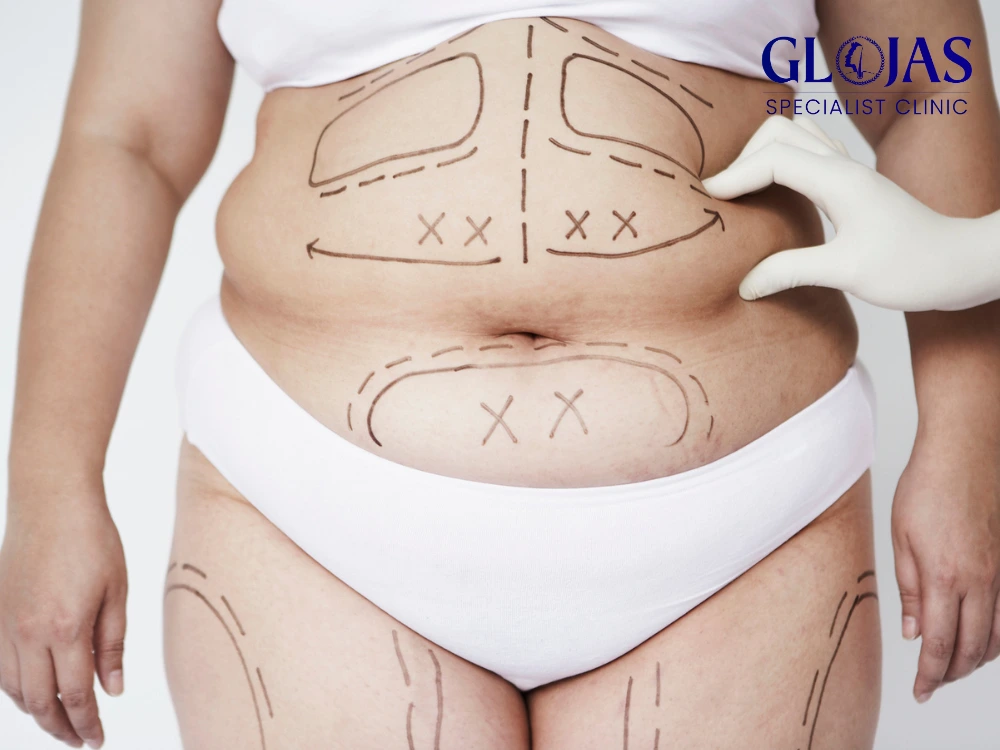
Lemak berlebihan di kawasan peha adalah salah satu masalah yang sering dialami oleh ramai wanita dan lelaki. Lemak di bahagian ini sering kali sukar untuk dihilangkan walaupun dengan senaman yang intensif atau diet yang ketat. Oleh sebab itu, ramai yang mencari solusi yang lebih berkesan untuk buang lemak peha. Artikel ini akan membincangkan secara terperinci tentang kaedah-kaedah yang boleh digunakan untuk buang lemak peha, termasuk diet, senaman, serta prosedur estetik yang boleh membantu anda mencapai peha yang lebih ramping. Kenapa Lemak Peha Sukar untuk Dibuang? Sebelum kita membincangkan cara-cara buang lemak peha, adalah penting untuk memahami mengapa kawasan ini sering menjadi tempat pengumpulan lemak yang degil. Faktor-faktor seperti genetik, hormon, dan gaya hidup memainkan peranan penting dalam pengumpulan lemak di kawasan ini. 1. Faktor Genetik Sesetengah individu cenderung untuk menyimpan lemak di kawasan tertentu seperti peha atau perut disebabkan oleh faktor genetik. Bagi mereka yang mewarisi kecenderungan ini, lemak di bahagian peha akan lebih sukar untuk dibuang berbanding kawasan lain. 2. Hormon Hormon juga boleh mempengaruhi pengumpulan lemak di kawasan peha. Bagi wanita, hormon estrogen cenderung menyebabkan lemak terkumpul di kawasan seperti peha dan punggung. Ini adalah proses semula jadi badan wanita untuk penyimpanan lemak sebagai persediaan untuk kehamilan, tetapi ia boleh menjadi sukar untuk dibuang. 3. Gaya Hidup Gaya hidup yang kurang aktif dan pemakanan yang tidak seimbang juga merupakan faktor utama yang menyebabkan pengumpulan lemak di kawasan peha. Kekurangan senaman dan pengambilan makanan yang tinggi kalori akan meningkatkan penyimpanan lemak di kawasan ini. Kaedah Berkesan untuk Buang Lemak Peha Walaupun lemak di kawasan peha adalah antara lemak yang paling sukar untuk dibuang, terdapat pelbagai kaedah yang boleh membantu anda mengatasi masalah ini. Berikut adalah beberapa cara berkesan untuk buang lemak peha: 1. Kawalan Pemakanan Pemakanan yang seimbang adalah kunci utama untuk buang lemak peha. Pengambilan kalori yang berlebihan akan menyebabkan lemak terkumpul, terutamanya di kawasan-kawasan seperti peha dan perut. Berikut adalah beberapa tips pemakanan yang boleh membantu: – Kurangkan Pengambilan Karbohidrat dan Lemak JahatKarbohidrat yang diproses seperti roti putih, gula, dan makanan segera cenderung menyebabkan peningkatan berat badan, termasuk lemak di peha. Mengurangkan pengambilan karbohidrat yang diproses dan menggantikannya dengan karbohidrat yang lebih sihat seperti bijirin penuh dan sayur-sayuran dapat membantu mengurangkan penyimpanan lemak. – Tingkatkan Pengambilan ProteinProtein membantu meningkatkan metabolisme badan dan juga menggalakkan pembentukan otot. Pengambilan protein yang mencukupi dalam diet anda boleh membantu mengurangkan lemak sambil mengekalkan otot yang sihat. Makanan seperti ayam, ikan, telur, dan kekacang adalah sumber protein yang baik. – Elakkan Minuman BergulaMinuman bergula seperti minuman ringan, jus pekat, dan minuman tenaga mengandungi kalori yang tinggi dan tidak memberikan nilai pemakanan yang baik. Menggantikan minuman ini dengan air kosong atau teh tanpa gula dapat mengurangkan pengambilan kalori secara keseluruhan, sekaligus membantu dalam usaha buang lemak peha. 2. Senaman Kardio Senaman kardio adalah salah satu kaedah paling berkesan untuk buang lemak peha kerana ia membantu membakar kalori dengan cepat. Senaman ini melibatkan pergerakan yang meningkatkan kadar degupan jantung, sekaligus membantu pembakaran lemak di seluruh badan, termasuk peha. Beberapa jenis senaman kardio yang sesuai termasuk: – Larian atau Joging Larian adalah senaman kardio yang sangat baik untuk buang lemak peha kerana ia melibatkan pergerakan kaki yang intensif. Berlari atau berjoging selama 30 minit hingga 1 jam sehari dapat membantu membakar kalori dan mengurangkan lemak di kawasan peha. – Bersepeda (Cycling) Bersepeda adalah satu lagi aktiviti yang sangat berkesan untuk mengurangkan lemak di peha. Pergerakan mengayuh yang berulang kali memberi tumpuan kepada otot-otot di peha, menjadikannya senaman yang sangat sesuai untuk kawasan ini. – Skipping (Lompat Tali) Skipping bukan sahaja menyeronokkan, tetapi juga merupakan senaman kardio yang sangat berkesan untuk buang lemak peha. Pergerakan melompat melibatkan otot-otot kaki dan peha, membantu menguatkan otot sambil membakar lemak. 3. Senaman Kekuatan Selain senaman kardio, senaman kekuatan juga sangat penting untuk buang lemak peha. Senaman ini membantu membina otot di kawasan peha, sekaligus membantu membakar lebih banyak kalori walaupun ketika anda berehat. Antara senaman kekuatan yang berkesan untuk mengurangkan lemak peha termasuk: – SquatsSquats adalah salah satu senaman terbaik untuk membentuk otot peha. Ia melibatkan pergerakan yang intensif pada otot quadriceps (depan peha), hamstrings (belakang peha), dan glutes (punggung), membantu mengurangkan lemak dan membentuk peha yang lebih ramping. – LungesLunges adalah senaman lain yang sangat efektif untuk *buang lemak peha*. Ia membantu menguatkan otot di sekitar peha sambil meningkatkan keseimbangan dan kekuatan kaki. – Leg PressLeg press adalah senaman yang dilakukan menggunakan mesin di gimnasium. Senaman ini memberi tumpuan kepada otot peha dan kaki, membantu membakar lemak di kawasan tersebut serta menguatkan otot-otot kaki. 4. Prosedur Estetik Bagi mereka yang telah mencuba diet dan senaman tetapi masih tidak berjaya buang lemak peha, prosedur estetik seperti liposuction atau rawatan bukan pembedahan mungkin menjadi pilihan. Terdapat beberapa prosedur yang boleh membantu mengurangkan lemak di peha: – LiposuctionLiposuction adalah prosedur pembedahan di mana lemak disedut keluar dari kawasan yang mempunyai lemak berlebihan. Prosedur ini biasanya dilakukan di kawasan seperti perut, peha, dan punggung. Liposuction adalah kaedah yang cepat dan efektif untuk *buang lemak peha*, tetapi ia memerlukan masa pemulihan dan mungkin melibatkan beberapa risiko. – CoolSculptingCoolSculpting adalah prosedur bukan pembedahan yang menggunakan teknik pembekuan untuk memecahkan sel-sel lemak di bawah kulit. Prosedur ini tidak melibatkan pembedahan dan tidak memerlukan masa pemulihan yang panjang. Walaupun ia mungkin memerlukan beberapa sesi untuk melihat hasil yang ketara, ia adalah salah satu pilihan yang popular untuk buang lemak peha. – Radiofrequency (RF)Rawatan RF menggunakan gelombang radio untuk memecahkan sel-sel lemak dan membantu mengencangkan kulit. Rawatan ini juga merupakan pilihan yang selamat dan berkesan untuk mengurangkan lemak di kawasan peha tanpa memerlukan pembedahan. Petua Tambahan untuk Buang Lemak Peha Selain daripada diet, senaman, dan prosedur estetik, terdapat beberapa petua tambahan yang boleh membantu anda dalam usaha buang lemak peha: – Minum Air yang CukupAir adalah komponen penting dalam proses pembakaran lemak. Minum air yang mencukupi setiap hari membantu mempercepatkan metabolisme badan dan membuang toksin yang mungkin menyumbang kepada pengumpulan lemak. – Tidur yang CukupKekurangan tidur boleh menyebabkan peningkatan hormon kortisol, yang boleh mencetuskan penyimpanan lemak di kawasan perut dan peha. Pastikan anda mendapat tidur yang