
5 Cara Besarkan Payudara yang Ramai Wanita Tak Tahu! Payudara Lebih Montok?

Cara besarkan payudara menjadi topik yang sering dibincangkan kerana ramai wanita inginkan bentuk badan yang lebih seimbang dan menambah keyakinan diri. Saiz serta bentuk payudara boleh dipengaruhi oleh faktor hormon, genetik, kehamilan dan tempoh penyusuan. GLOJAS Specialist Clinic, dengan 27+ tahun pengalaman, menyediakan panduan profesional dan pilihan rawatan selamat bagi mereka yang mencari cara besarkan payudara secara berkesan. Kepakaran pakar bedah estetik bertauliah di klinik ini memastikan setiap prosedur dinilai mengikut keperluan, keselamatan dan hasil terbaik untuk pesakit. Cara Besarkan Payudara Secara Semula Jadi 1. Urutan Payudara Urutan secara konsisten dipercayai membantu melancarkan aliran darah dan merangsang hormon estrogen — hormon yang memainkan peranan penting dalam pertumbuhan tisu payudara. Minyak semula jadi seperti minyak zaitun atau minyak kelapa boleh digunakan untuk memudahkan pergerakan urutan serta meningkatkan keberkesanannya. Cara melakukan urutan: Buat gerakan membulat dari bahagian luar ke bahagian dalam. Amalkan selama 10 minit setiap hari, sebaiknya sebelum tidur. 2. Senaman Penguat Otot Dada Walaupun senaman tidak membesar tisu payudara secara langsung, ia menguatkan otot dada (pectoralis major) yang menjadikan payudara kelihatan lebih tegang, terangkat dan terbentuk. Contoh senaman yang membantu: Push-up Dumbbell chest press Wall press 3. Pemakanan Kaya Fitoestrogen Makanan seperti kacang soya, biji flaks dan kekacang mengandungi fitoestrogen — sebatian tumbuhan yang menyerupai hormon estrogen. Mengambil makanan ini secara konsisten boleh menyokong pertumbuhan tisu payudara. Produk Pembesaran Payudara: Apa Yang Perlu Anda Tahu Di pasaran, terdapat pelbagai produk seperti krim, suplemen dan pil yang mendakwa boleh membesarkan payudara. Namun keberkesanannya bergantung pada bahan aktif, kualiti formulasi serta tindak balas setiap individu. Tip memilih produk yang selamat dalam cara besarkan payudara anda: Pastikan produk berdaftar dengan KKM. Elakkan produk tanpa label jelas atau tuntutan berlebihan. Rujuk ulasan pengguna yang benar dan sahih. Kebanyakan produk hanya memberi kesan sementara dan memerlukan penggunaan berterusan. Jika anda mahukan hasil yang lebih ketara, kaedah perubatan adalah pilihan yang lebih terbukti. Cara Besarkan Payudara Dengan Kaedah Perubatan Jika anda mencari perubahan yang lebih jelas dan tahan lama, cara besarkan payudara pilihan perubatan yang dilakukan oleh pakar bedah plastik bertauliah adalah kaedah paling berkesan. Dua prosedur paling popular ialah: 1. Implan Payudara Implan silikon atau saline dimasukkan ke dalam payudara untuk meningkatkan saiz dan membentuk kontur dada. Prosedur ini biasanya mengambil masa 1–2 jam dan dilakukan di pusat perubatan yang berlesen. Kelebihan: Hasil segera dan tahan lama Pilihan saiz dan bentuk yang pelbagai Selamat jika dilakukan oleh pakar Kekurangan: Memerlukan tempoh pemulihan beberapa minggu Risiko jangkitan atau perubahan bentuk jika implan tidak sesuai 2. Pemindahan Lemak (Fat Transfer Breast Augmentation) Lemak diambil dari kawasan seperti perut atau peha melalui liposuction dan kemudian disuntik ke payudara. Kaedah ini sesuai untuk mereka yang inginkan peningkatan sederhana dengan hasil yang sangat semula jadi. Kelebihan: Menggunakan lemak sendiri tanpa bahan asing Hasil lebih lembut dan natural Membantu membentuk bahagian badan yang disedut lemak Kekurangan: Tidak semua lemak akan kekal Mungkin memerlukan lebih daripada satu sesi untuk hasil optimum Keselamatan dan Keberkesanan Tidak kira kaedah yang dipilih, keselamatan harus menjadi keutamaan. Pastikan anda mendapatkan nasihat daripada doktor bertauliah dan menjalani prosedur di klinik yang berlesen dengan fasiliti perubatan lengkap. Faktor penting yang perlu dipertimbangkan: Pakar bedah berdaftar dan berpengalaman Reputasi serta akreditasi klinik Peralatan dan teknologi pembedahan moden Pemeriksaan kesihatan sebelum prosedur Kesimpulan: Cara Besarkan Payudara Yang Sesuai Untuk Anda Terdapat banyak cara untuk membesarkan payudara, bergantung pada matlamat, bajet, dan tahap keselesaan anda. Kaedah semula jadi seperti senaman, urutan dan pemakanan adalah langkah awal yang selamat. Namun, jika anda inginkan perubahan yang lebih ketara dan tahan lama, prosedur perubatan seperti implan atau pemindahan lemak patut dipertimbangkan. Buat keputusan secara bijak dan dapatkan konsultasi daripada pakar di klinik yang diiktiraf. Dengan pendekatan yang betul, pembesaran payudara boleh dilakukan dengan selamat dan memberikan hasil yang memuaskan. Soalan Lazim (FAQ) Cara Besarkan Payudara 1. Adakah senaman boleh membesarkan payudara?Senaman tidak membesarkan tisu payudara secara langsung, tetapi ia membantu menguatkan otot dada dan memperbaiki bentuk keseluruhan. 2. Berapa lama masa untuk melihat kesan urutan atau pemakanan?Kesan biasanya kelihatan selepas beberapa bulan jika dilakukan secara konsisten, tetapi bergantung pada individu. 3. Adakah implan payudara berisiko tinggi?Risikonya rendah jika dilakukan oleh pakar bertauliah di fasiliti yang berlesen dengan pemeriksaan susulan yang teratur. 4. Siapakah calon terbaik untuk pemindahan lemak?Mereka yang mempunyai lebihan lemak di kawasan tertentu dan mahukan peningkatan sederhana dengan hasil semula jadi. 5. Berapakah kos pembesaran payudara di Malaysia?Implan biasanya sekitar RM15,000–RM25,000, manakala fat transfer bergantung pada jumlah lemak yang diperlukan dan penilaian doktor.
5 Surprising Benefits of Dimple Creation Surgery Procedure

Dimples are often associated with beauty, charm, and youthful appearance. Thanks to advancements in cosmetic surgery, achieving those cute dimples is now possible through a procedure known as the dimple creation surgery procedure. This cosmetic trend has gained popularity worldwide as more people seek to enhance their smiles. But what exactly does this procedure involve? Let’s delve into the details, benefits, recovery process, and more. What is Dimple Creation Surgery Procedure? The dimple creation surgery procedure is a minimally invasive cosmetic operation designed to create dimples on the cheeks or chin. This procedure replicates the natural indentation that some people are born with, enhancing facial aesthetics. Whether you desire cute cheek dimples or a charming chin dimple, this surgery offers a quick and effective solution. During the procedure, a small incision is made inside the cheek, and a suture is used to create a natural-looking dimple when smiling. It’s a straightforward process that typically lasts about 30 minutes and can be performed under local anesthesia. Why Do People Opt for Dimple Creation Surgery Procedure? Dimples are widely regarded as a symbol of beauty and attractiveness. In some cultures, they are even associated with good luck and prosperity. Here are some common reasons why people choose the dimple creation surgery procedure: Enhanced Facial Aesthetics: Dimples add a touch of charm and playfulness to the face, making smiles more attractive. Youthful Appearance: Dimples give a youthful and lively look to the face. Cultural Beliefs: In certain cultures, dimples are considered a sign of good fortune. Celebrity Influence: Many celebrities with natural dimples inspire fans to achieve a similar look through surgery. Boost in Confidence: A more appealing smile often leads to increased self-confidence. How is Dimple Creation Surgery Procedure Performed? The dimple creation surgery procedure is relatively simple and involves the following steps: Consultation: A detailed consultation with a cosmetic surgeon is conducted to determine the ideal placement of the dimples. Local Anesthesia: Local anesthesia is administered to numb the area, ensuring a painless experience. Incision and Suturing: A small incision is made inside the cheek, and a suture is placed to create a dimple when the patient smiles. Closure and Healing: The incision is closed with dissolvable stitches, and the healing process begins. Recovery and Aftercare for Dimple Creation Surgery Procedure One of the significant advantages of the dimple creation surgery procedure is its quick recovery time. Here’s what to expect during the recovery phase: Minimal Downtime: Patients can resume daily activities within 1-2 days post-surgery. Temporary Swelling: Mild swelling and bruising may occur but typically subside within a week. Dietary Restrictions: A soft diet is recommended for the first few days to avoid irritation. Oral Hygiene: Proper oral hygiene is crucial to prevent infection. Follow-up Visits: Regular follow-up visits are scheduled to monitor healing progress. 5 Surprising Benefits of Dimple Creation Surgery Procedure Quick and Safe Procedure: It’s a minimally invasive surgery with a high success rate and minimal complications. Permanent Results: Once the dimples are formed, they are permanent, giving a lifelong enhancement to your smile. Natural-Looking Dimples: The procedure mimics natural dimples, blending seamlessly with facial expressions. Boosts Self-Confidence: Many patients experience increased self-esteem and confidence post-surgery. Customizable Results: You can choose the size and location of the dimples, personalizing your look. Risks and Considerations of Dimple Creation Surgery Procedure While the dimple creation surgery procedure is generally safe, it is essential to be aware of potential risks and considerations: Infection and Swelling: As with any surgical procedure, there is a risk of infection and swelling. Asymmetry: There is a slight possibility of uneven dimples if not performed by an experienced surgeon. Temporary Numbness: Some patients may experience temporary numbness in the cheek area. Scar Formation: Although rare, internal scarring may occur. Reversal Difficulty: Once created, reversing dimples is challenging and may require additional surgery. Who is an Ideal Candidate for Dimple Creation Surgery Procedure? Not everyone is a suitable candidate for the dimple creation surgery procedure. Ideal candidates include: Individuals with good overall health and realistic expectations. Those seeking to enhance their facial aesthetics with dimples. People without any pre-existing oral or facial health issues. How to Choose the Right Surgeon for Dimple Creation Surgery Procedure? Choosing a qualified and experienced cosmetic surgeon is crucial for achieving the best results. Consider the following tips: Check Credentials: Ensure the surgeon is board-certified and specializes in facial cosmetic procedures. Look at Before and After Photos: Reviewing previous patients’ results helps assess the surgeon’s expertise. Read Reviews and Testimonials: Patient reviews provide insights into the surgeon’s skills and patient care. Consultation: Schedule a consultation to discuss your goals, ask questions, and evaluate the surgeon’s approach. Frequently Asked Questions FAQs 1. What is the cost of a dimple creation surgery procedure?The cost varies depending on the surgeon’s expertise and geographical location, ranging from $1,000 to $3,000 per dimple. 2. Is dimple creation surgery procedure painful?No, local anesthesia is used to ensure a pain-free experience during the procedure. Mild discomfort and swelling may occur during recovery. 3. How long does the recovery take after dimple creation surgery procedure?Most patients recover within 1-2 weeks. Swelling usually subsides within a week. 4. Are the results of dimple creation surgery procedure permanent?Yes, the dimples are permanent once the tissue heals and forms a natural indentation. 5. Can the dimple creation surgery procedure be reversed?Reversing the procedure is difficult and may require additional surgical intervention. 6. Is there any scarring after dimple creation surgery procedure?No visible scarring occurs as the incision is made inside the cheek.
7 Effective Ways to Achieve Tummy Fat Removal Quick!

Struggling with stubborn belly fat? You’re not alone! Tummy fat removal is one of the most sought-after fitness and health goals. Whether it’s for aesthetic reasons or health concerns, reducing belly fat can boost confidence and improve overall well-being. While diet and exercise play a crucial role, sometimes they aren’t enough to target stubborn fat. This article explores the most effective tummy fat removal methods, from natural remedies to medical treatments, ensuring you find the right solution for your needs. Why Is Tummy Fat Removal Important? Excess belly fat isn’t just about appearance—it’s linked to severe health risks like: Heart disease Diabetes High cholesterol Liver problems Hormonal imbalances By reducing tummy fat, you not only achieve a toned figure but also lower your risk of these life-threatening conditions. 7 Powerful Ways to Achieve Tummy Fat Removal 1. Maintain a Healthy Diet The foundation of tummy fat removal starts with what you eat. A healthy diet eliminates excess fat while promoting metabolism. Foods That Help Reduce Tummy Fat Protein-rich foods – Chicken, eggs, fish, tofu Fiber-loaded vegetables – Spinach, kale, broccoli Healthy fats – Avocados, nuts, olive oil Hydrating foods – Cucumber, watermelon, celery Foods to Avoid Processed sugars – Soda, candy, white bread Trans fats – Fast food, deep-fried snacks Alcohol – Beer and sugary cocktails 2. Engage in High-Intensity Workouts Exercise is key to burning excess belly fat. The best workouts for tummy fat removal include: Best Exercises for Tummy Fat Removal HIIT (High-Intensity Interval Training) – Short bursts of intense workouts Cardio (Running, Cycling, Jump Rope) – Burns fat effectively Strength Training – Builds muscle and enhances metabolism Core Workouts (Planks, Crunches, Russian Twists) – Strengthens abdominal muscles 3. Try Non-Surgical Tummy Fat Removal Treatments For those struggling with stubborn fat despite diet and exercise, non-invasive treatments can help. Popular Non-Surgical Treatments CoolSculpting (Cryolipolysis) – Freezes and eliminates fat cells Ultrasound Cavitation – Uses sound waves to break down fat Laser Lipolysis – Melts fat cells with laser technology Radiofrequency Therapy – Tightens skin and reduces fat These treatments require multiple sessions but provide noticeable results with minimal downtime. 4. Opt for Surgical Tummy Fat Removal (Liposuction & Tummy Tuck) If you’re looking for a permanent solution, surgical procedures can help remove large fat deposits effectively. Liposuction Removes fat cells from specific areas Performed under anesthesia Requires minimal downtime but may cause bruising or swelling Tummy Tuck (Abdominoplasty) Removes excess fat and skin Tightens abdominal muscles Ideal for those with loose skin after weight loss or pregnancy Surgical options should only be considered after consultation with a certified surgeon. 5. Use Natural Home Remedies For those who prefer a natural approach, home remedies can support tummy fat removal. Best Natural Remedies Lemon & Honey Water – Boosts metabolism and burns fat Apple Cider Vinegar – Helps regulate blood sugar and reduces bloating Green Tea – Contains antioxidants that promote fat loss Intermittent Fasting – Controls calorie intake and improves digestion 6. Manage Stress and Get Quality Sleep Stress and lack of sleep can lead to increased belly fat. Cortisol, the stress hormone, promotes fat storage around the stomach. Ways to Reduce Stress and Improve Sleep Practice yoga and meditation Limit caffeine intake before bedtime Establish a consistent sleep schedule Avoid screen time 30 minutes before bed 7. Stay Hydrated and Detoxify Your Body Drinking plenty of water helps eliminate toxins and supports digestion. Staying hydrated prevents bloating and enhances metabolism. Best Detox Drinks for Tummy Fat Removal Cucumber and Mint Water – Aids digestion Ginger and Lemon Tea – Boosts metabolism Aloe Vera Juice – Supports gut health How Long Does It Take for Tummy Fat Removal? Results vary based on the method used. Diet & Exercise: 4-12 weeks to see visible changes Non-Surgical Treatments: 4-6 weeks for noticeable reduction Surgical Procedures: Immediate results, with full recovery in 3-6 months Potential Risks of Tummy Fat Removal Treatments While most methods are safe, some may carry risks, including: Bruising and swelling (Liposuction & CoolSculpting) Skin irritation (Laser and RF therapy) Infections (Tummy Tuck surgeries if not cared for properly) Nutritional deficiencies (Crash dieting & extreme fasting) Always consult a professional before undergoing any treatment. Who Is the Ideal Candidate for Tummy Fat Removal? Tummy fat removal methods are suitable for: Individuals with stubborn belly fat that won’t go away with diet & exercise Those at a stable weight (Not recommended for drastic weight loss seekers) People with realistic expectations about results Post-pregnancy individuals looking to regain their body shape FAQs About Tummy Fat Removal 1. Is tummy fat removal permanent?If you maintain a healthy lifestyle, results from treatments like liposuction and CoolSculpting can be long-lasting. However, poor diet and inactivity can lead to fat accumulation again. 2. What is the best non-surgical method for tummy fat removal?CoolSculpting and ultrasound cavitation are the most effective non-invasive options. 3. Can I lose belly fat without exercise?Yes, through diet control, natural remedies, and medical treatments. However, exercise speeds up the process. 4. How much does tummy fat removal cost? CoolSculpting: $1,500–$4,000 per session Liposuction: $3,000–$10,000 Tummy Tuck: $6,000–$15,000Prices vary based on location, clinic, and individual needs. 5. Are tummy fat removal treatments safe?Most treatments are safe when performed by professionals. Always research and choose a reputable clinic or practitioner. 6. Can stress cause belly fat?Yes! Stress triggers cortisol release, leading to fat storage in the abdominal area. Managing stress helps with tummy fat removal. Conclusion Tummy fat removal is achievable through various methods, from diet and exercise to non-surgical and surgical treatments. Whether you prefer natural remedies or medical procedures, the key is consistency and maintaining a healthy lifestyle. Choose the right approach for your body and enjoy long-term results.
The Truth About Otoplasty Cost: 7 Key Factors That Affect Your Budget
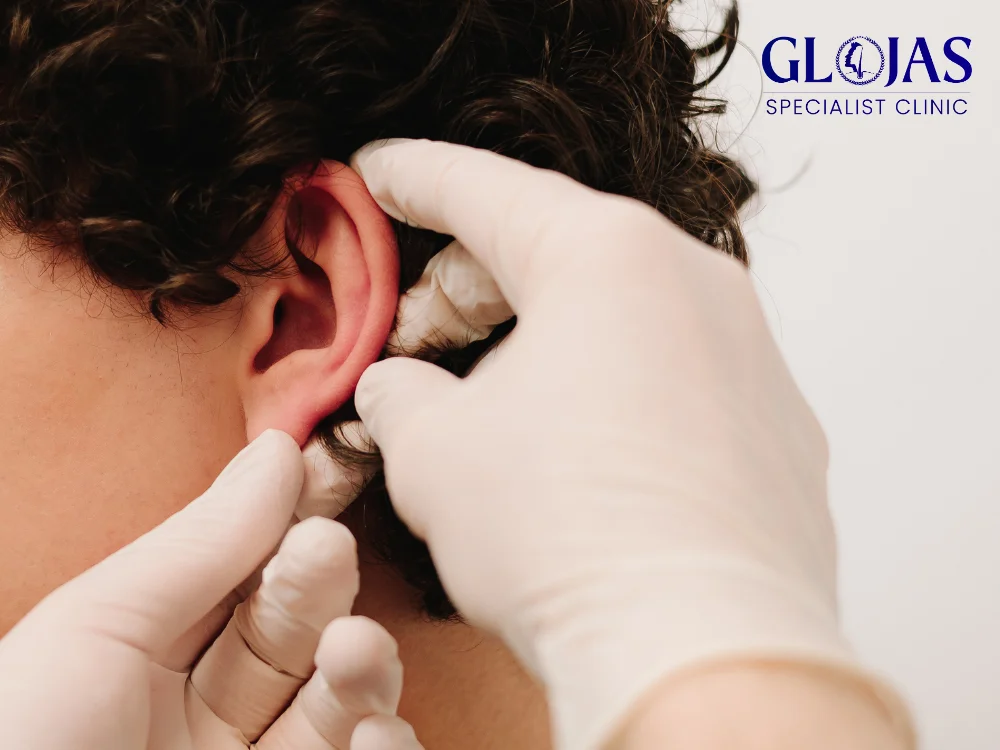
Otoplasty, commonly known as ear surgery, is a cosmetic procedure aimed at enhancing the shape, position, or proportion of the ears. Whether you’re considering it for aesthetic reasons or to correct a structural issue, understanding the otoplasty cost is crucial for effective financial planning. In this article, we’ll explore all the essential aspects of otoplasty cost, including factors influencing the price and ways to manage expenses. What is Otoplasty? Otoplasty is a surgical procedure designed to improve the appearance of the ears. This procedure can correct protruding ears, asymmetry, or other ear deformities. It’s typically performed on children over the age of five but is also popular among adults seeking aesthetic enhancement. While otoplasty can significantly boost confidence and self-esteem, one of the most common concerns is the cost. So, how much does otoplasty cost, and what factors influence it? Average Otoplasty Cost The average otoplasty cost in the United States ranges from $3,000 to $7,000. However, this figure can vary depending on several factors, including the complexity of the procedure, the surgeon’s experience, and geographic location. It’s important to note that this cost typically includes the surgeon’s fee, anesthesia, facility fees, and follow-up appointments. Factors Influencing Otoplasty Cost Surgeon’s Experience and Expertise Highly experienced surgeons tend to charge more for their services. Their advanced skills and reputation for delivering excellent results often justify the higher price. However, investing in a qualified and experienced surgeon can minimize risks and ensure satisfactory outcomes. Complexity of the Procedure Not all otoplasty procedures are the same. Some may involve minor corrections, while others require extensive reshaping or reconstruction. More complex surgeries naturally increase the overall otoplasty cost. Geographic Location The cost of living and demand for cosmetic surgery significantly influence prices. For instance, otoplasty in metropolitan areas like New York or Los Angeles is generally more expensive compared to smaller cities or rural areas. Type of Anesthesia Used General anesthesia is more costly than local anesthesia. The choice between the two depends on the procedure’s complexity and the patient’s comfort level. Facility Fees Otoplasty performed in a high-end surgical center or hospital typically incurs higher facility fees. Opting for accredited outpatient centers can help reduce this cost without compromising safety. Post-Operative Care and Medications The cost of follow-up appointments, prescription medications, and recovery supplies can add to the overall expenses. It’s essential to include these costs when budgeting for otoplasty. Additional Expenses These may include consultation fees, pre-operative tests, and the cost of revision surgery if needed. Some surgeons offer package deals that encompass these extras, so it’s worth inquiring during consultations. Is Otoplasty Covered by Insurance? In most cases, otoplasty is considered a cosmetic procedure and is not covered by insurance. However, if the surgery is deemed medically necessary (e.g., to correct a congenital deformity or injury), partial or full coverage may be possible. It’s advisable to check with your insurance provider for detailed information on eligibility and reimbursement. Ways to Manage Otoplasty Cost Financing Options Many plastic surgeons offer financing plans to make the otoplasty cost more affordable. These plans allow you to pay in installments over a set period, reducing the burden of upfront expenses. Special Discounts and Promotions Some clinics provide seasonal discounts, promotional offers, or package deals. Keep an eye out for these opportunities, as they can significantly reduce costs. Medical Tourism Traveling to countries where cosmetic surgery is more affordable is another option. However, it’s essential to research thoroughly to ensure the surgeon’s credentials and the facility’s safety standards. Using Health Savings Accounts (HSA) or Flexible Spending Accounts (FSA) If the procedure is deemed medically necessary, you might be able to use HSA or FSA funds to cover the expenses, offering potential tax benefits. What to Expect During Otoplasty Recovery? The recovery period for otoplasty generally lasts one to two weeks. Patients may experience mild discomfort, swelling, or bruising, which can be managed with prescribed painkillers and cold compresses. It’s advisable to avoid strenuous activities for at least a month to ensure proper healing. Proper post-operative care, including follow-up visits, is crucial for optimal results and avoiding complications. Keep in mind that follow-up appointments might add to the overall otoplasty cost. Choosing the Right Surgeon Selecting a qualified and board-certified plastic surgeon is essential for a safe and successful otoplasty. Don’t base your decision solely on cost; consider the surgeon’s experience, reputation, and patient testimonials. A higher fee is often a reflection of the surgeon’s skill and expertise, ensuring a better outcome. Frequently Asked Questions FAQs 1. How much does otoplasty cost on average?The average otoplasty cost in the U.S. ranges from $3,000 to $7,000, depending on various factors like the surgeon’s expertise, geographic location, and procedure complexity. 2. Does insurance cover otoplasty?Typically, otoplasty is considered a cosmetic procedure and is not covered by insurance. However, if it’s medically necessary, partial or full coverage might be available. 3. Are there financing options available for otoplasty?Yes, many plastic surgery clinics offer financing plans, allowing you to pay in manageable installments over time. 4. How long does otoplasty recovery take?The recovery period typically lasts one to two weeks, with full healing taking about a month. During this time, patients should avoid strenuous activities. 5. Can adults undergo otoplasty?Yes, otoplasty is suitable for both children and adults looking to improve the appearance of their ears. 6. What are the risks associated with otoplasty?Like any surgical procedure, otoplasty carries risks such as infection, scarring, asymmetry, or changes in skin sensation. Choosing an experienced surgeon minimizes these risks. Conclusion Understanding the various factors that influence otoplasty cost can help you make an informed decision and budget accordingly. From the surgeon’s expertise to geographic location and additional expenses, each element plays a significant role in determining the final cost. While otoplasty is an investment, its potential to boost confidence and enhance appearance makes it worthwhile for many individuals. If you’re considering otoplasty, consult with multiple surgeons, ask about financing options, and be
5 Amazing Benefits of Nose Shaping You Should Know
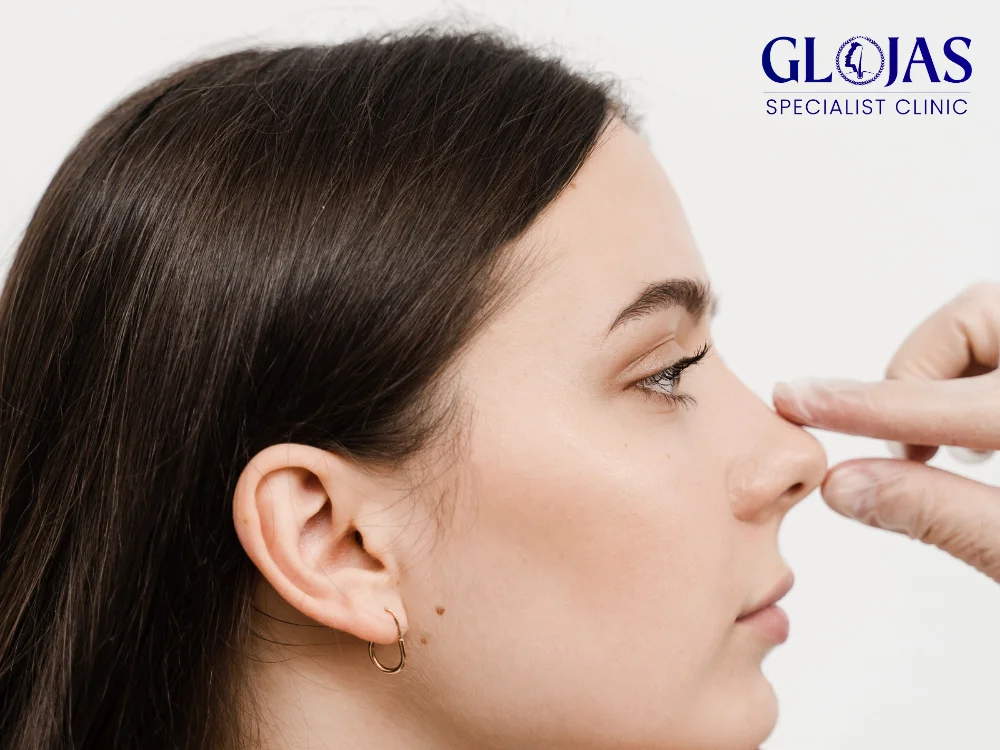
For many individuals, the appearance of their nose plays a significant role in how they perceive their overall facial balance. Whether it’s due to genetics, injury, or simply personal preference, nose shaping can provide a solution for those seeking to enhance the symmetry and aesthetic of their nose. In this guide, we’ll explore the benefits of nose shaping, the different methods available, and what to expect from the procedure. What is Nose Shaping? Nose shaping, also known as rhinoplasty, is a surgical or non-surgical procedure aimed at altering the shape, size, or structure of the nose to improve its appearance or function. Whether you’re looking to correct a deviated septum, smooth out a bump, or refine the nose tip, nose shaping can help achieve a more balanced and harmonious facial look. Both cosmetic and medical reasons can lead individuals to opt for nose shaping, and today’s advanced techniques ensure that the procedure is safer and more effective than ever before. 5 Key Benefits of Nose Shaping 1. Improves Facial Symmetry One of the primary reasons people seek out nose shaping is to achieve better facial symmetry. The nose is central to the face, and even minor alterations can have a dramatic effect on overall facial balance. For example, individuals with wide noses, bumps on the nasal bridge, or asymmetrical nostrils can benefit from procedures designed to create a more proportionate and aesthetically pleasing nose. Skilled surgeons tailor each procedure to the patient’s specific facial structure, ensuring a natural and harmonious result. 2. Boosts Confidence and Self-Esteem Feeling self-conscious about the appearance of your nose can affect your confidence and how you present yourself in both social and professional situations. Nose shaping can significantly improve a person’s self-esteem by creating a nose that aligns with their personal aesthetic goals. Patients often report feeling more comfortable in their own skin and experience a boost in self-confidence after the procedure. This psychological benefit often extends beyond appearance and enhances one’s overall well-being. 3. Corrects Breathing Issues For some individuals, nose shaping is not just about aesthetics—it’s about improving functionality. Structural issues like a deviated septum or nasal polyps can cause breathing difficulties, snoring, and sleep problems. Rhinoplasty can correct these issues, allowing for better airflow and an overall improvement in breathing. By addressing these medical concerns, nose shaping offers both cosmetic and functional benefits, improving quality of life for those affected by nasal obstructions. 4. Customizable and Tailored to Individual Needs One of the most appealing aspects of nose shaping is the ability to customize the procedure to fit each individual’s unique goals. No two noses are the same, and a one-size-fits-all approach doesn’t work when it comes to rhinoplasty. Whether you’re looking to refine the nose tip, narrow the bridge, or adjust the angle between the nose and upper lip, a skilled surgeon can create a personalized plan that addresses your specific concerns. This customization ensures that the final results are natural and tailored to your facial features. 5. Long-Lasting Results While non-surgical cosmetic procedures typically offer temporary results, surgical nose shaping (rhinoplasty) provides long-lasting outcomes. Once the nose has healed and the swelling has subsided, the results are permanent. This longevity makes nose shaping a worthwhile investment for individuals who want a permanent solution to their cosmetic or functional concerns. With proper care and attention, the benefits of rhinoplasty can last a lifetime, requiring no further touch-ups or adjustments. Surgical vs. Non-Surgical Nose Shaping: What’s the Difference? When it comes to nose shaping, there are both surgical and non-surgical options available. Each method has its own advantages, and the right choice depends on your goals and expectations. Surgical Nose Shaping (Rhinoplasty) Rhinoplasty is a surgical procedure that permanently reshapes the nose by altering the underlying bone and cartilage. It can address a wide range of issues, including size reduction, bump removal, or correcting structural deformities. Pros: Permanent results, highly customizable, can correct both cosmetic and medical issues. Cons: Longer recovery time (usually 1 to 2 weeks), risk of complications, higher cost. Non-Surgical Nose Shaping (Liquid Rhinoplasty) Non-surgical nose shaping, often referred to as a liquid rhinoplasty, uses injectable fillers like hyaluronic acid to reshape the nose temporarily. This option is ideal for individuals looking for minor adjustments, such as smoothing out bumps or refining the nose tip, without the need for surgery. Pros: Quick procedure, no downtime, reversible results. Cons: Temporary (results last 6 to 12 months), limited to minor adjustments, cannot address structural issues. The Nose Shaping Procedure: What to Expect Understanding the nose shaping process can help alleviate concerns and provide clarity about what to expect. Below is a general outline of both surgical and non-surgical procedures. Consultation The first step in any nose shaping procedure is a consultation with a qualified surgeon or cosmetic professional. During this meeting, you’ll discuss your goals, review your medical history, and undergo a thorough examination of your nose and facial features. Your surgeon will help determine whether you’re a good candidate for rhinoplasty or non-surgical treatments and provide recommendations for the best approach. Surgical Rhinoplasty Procedure For surgical rhinoplasty, the procedure is typically performed under general anesthesia. The surgeon makes small incisions, often inside the nostrils, to access the nasal bones and cartilage. They will then reshape the nose to achieve the desired results, whether that involves reducing its size, removing bumps, or correcting asymmetry. The surgery usually takes between 1 to 3 hours, depending on the complexity of the case. After surgery, the patient will wear a splint to protect the nose and help maintain its new shape during the healing process. Non-Surgical Liquid Rhinoplasty Procedure Non-surgical nose shaping is much quicker, usually lasting between 15 to 30 minutes. A cosmetic professional will inject fillers into specific areas of the nose to achieve the desired contour. There’s minimal discomfort, and the procedure doesn’t require anesthesia, although a numbing cream may be applied. Recovery from liquid rhinoplasty is almost immediate, and patients can typically return to their
Otoplasti: Memahami Prosedur Pembedahan Telinga
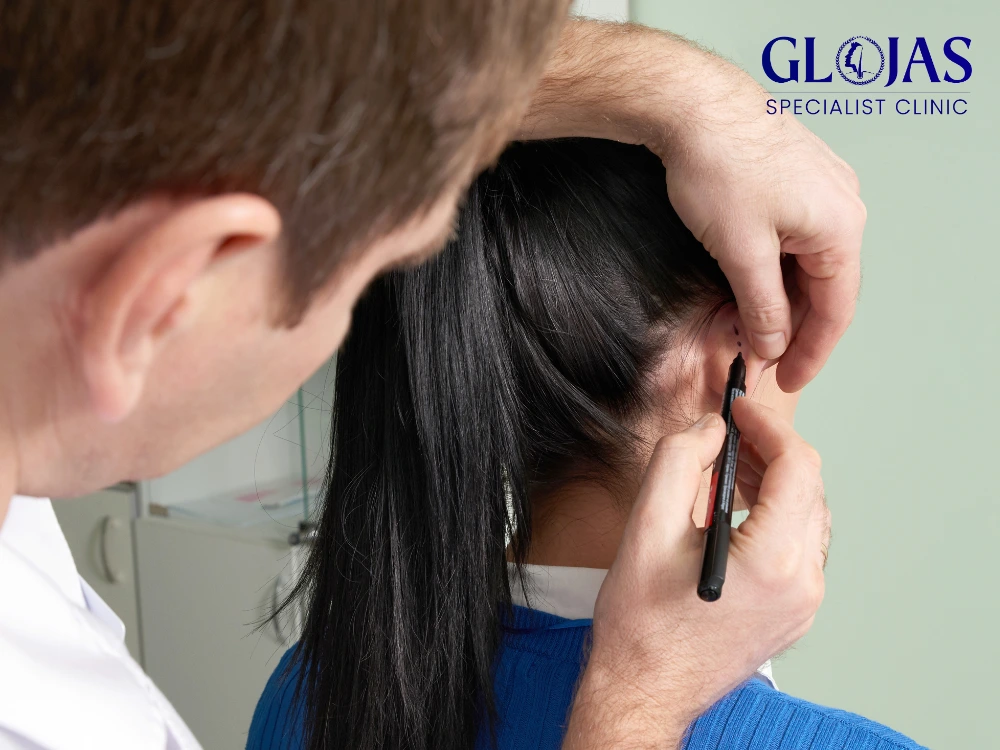
Otoplasti adalah prosedur pembedahan yang bertujuan untuk membetulkan atau mengubah bentuk telinga, terutama bagi mereka yang mengalami masalah telinga yang menonjol atau tidak simetri. Prosedur ini telah menjadi semakin popular, bukan sahaja untuk tujuan kosmetik tetapi juga untuk meningkatkan keyakinan diri pesakit. Dalam artikel ini, kita akan meneroka secara mendalam tentang otoplasti, termasuk sejarah, proses pembedahan, pemulihan, kesan psikologi kepada pesakit, serta risiko dan komplikasi yang mungkin timbul. Sejarah Otoplasti Sejarah otoplasti bermula sejak zaman purba. Pembedahan telinga telah dicatatkan dalam teks-teks perubatan kuno, tetapi ia menjadi lebih sistematik pada awal abad ke-20. Pada tahun 1881, seorang pakar bedah Jerman, Dr. Johann Friedrich Dieffenbach, memperkenalkan teknik pembedahan untuk membetulkan telinga yang menonjol. Sejak itu, teknik otoplasti telah berkembang dengan pesat, menggunakan teknologi moden dan prinsip pembedahan yang lebih baik. Pada awalnya, otoplasti hanya dilakukan untuk tujuan perubatan, tetapi seiring dengan perubahan dalam pandangan masyarakat terhadap kecantikan, semakin ramai orang yang memilih otoplasti untuk tujuan kosmetik. Jenis-jenis Otoplasti Terdapat beberapa jenis otoplasti, yang masing-masing mempunyai tujuan dan pendekatan yang berbeza. Antara jenis otoplasti yang paling umum adalah: Otoplasti untuk Telinga Menonjol: Ini adalah jenis otoplasti yang paling biasa. Ia melibatkan pengurangan atau penempatan semula tulang rawan telinga untuk mengurangkan penonjolan telinga. Pesakit yang mengalami telinga menonjol sering kali merasakan tekanan psikologi yang besar, terutama semasa kanak-kanak dan remaja. Otoplasti untuk Telinga Asimetrik: Dalam kes ini, otoplasti dilakukan untuk mengimbangkan dua telinga yang tidak simetri. Prosedur ini mungkin melibatkan pengubahsuaian pada salah satu atau kedua-dua telinga. Telinga yang tidak simetri boleh memberi kesan kepada penampilan keseluruhan wajah, dan otoplasti boleh membantu memperbaikinya. Otoplasti Rekonstruktif: Ini adalah prosedur yang lebih kompleks, biasanya dilakukan pada individu yang telah mengalami kecederaan atau keadaan kongenital yang mengakibatkan telinga yang tidak normal. Otoplasti rekonstruktif memerlukan kemahiran tinggi dan pemahaman mendalam tentang anatomi telinga. Otoplasti untuk Kecacatan Congenital: Dalam beberapa kes, otoplasti diperlukan untuk membetulkan kecacatan yang wujud sejak lahir, seperti anotia (ketiadaan telinga) atau mikrotia (telinga yang terlalu kecil). Prosedur ini membantu meningkatkan fungsi pendengaran serta penampilan. Proses Pembedahan Otoplasti Prosedur otoplasti biasanya dilakukan oleh pakar bedah plastik dan boleh berlangsung antara satu hingga dua jam, bergantung kepada kompleksiti kes. Proses ini bermula dengan konsultasi di mana doktor pakar bedah akan menilai keadaan telinga pesakit dan berbincang tentang harapan dan hasil yang diinginkan. Langkah-langkah dalam Prosedur Otoplasti: Anestesia: Otoplasti biasanya dilakukan di bawah anestesia umum atau sedasi, bergantung kepada umur pesakit dan tahap kerumitan prosedur. Anestesia akan memastikan pesakit tidak merasakan sakit semasa pembedahan. Pembedahan: Doktor akan membuat sayatan di belakang telinga untuk mengakses tulang rawan. Setelah itu, tulang rawan akan diubah suai untuk mendapatkan bentuk yang diinginkan. Dalam kes telinga yang menonjol, doktor mungkin akan membuang sebahagian tulang rawan atau membentuk semula tulang rawan untuk memberikan penampilan yang lebih natural. Teknik jahitan moden digunakan untuk meminimumkan parut. Penutupan Sayatan: Selepas pengubahsuaian selesai, sayatan akan ditutup dengan jahitan. Dalam kebanyakan kes, jahitan ini tidak akan meninggalkan parut yang ketara. Penggunaan teknik jahitan yang baik dan penempatan sayatan di kawasan yang tersembunyi membantu dalam pemulihan yang lebih estetik. Pemulihan: Pesakit akan dipindahkan ke bilik pemulihan untuk pemantauan sebelum dibenarkan pulang. Ini adalah langkah penting untuk memastikan tiada komplikasi selepas pembedahan. Pemulihan Selepas Otoplasti Pemulihan selepas otoplasti biasanya mengambil masa beberapa minggu. Pesakit akan disarankan untuk memakai pembalut atau penutup telinga khas untuk melindungi telinga yang baru dibedah. Ini juga membantu dalam mengurangkan bengkak dan mempromosikan penyembuhan yang baik. Tempoh Pemulihan Hari Pertama: Pesakit mungkin mengalami ketidakselesaan ringan dan bengkak. Ubat tahan sakit akan diberikan untuk mengurangkan rasa sakit. Dalam beberapa kes, pesakit juga mungkin mengalami sedikit pendarahan, tetapi ini biasanya akan berhenti dengan cepat. Minggu Pertama: Pembalut akan ditanggalkan dan pesakit akan diminta untuk menghadiri pemeriksaan susulan. Pada tahap ini, bengkak dan lebam mungkin masih ketara. Pesakit akan dinasihatkan untuk menghindari aktiviti fizikal yang berat. Minggu Kedua hingga Keempat: Kebanyakan pesakit dapat kembali ke aktiviti harian mereka dalam tempoh ini, tetapi aktiviti berat masih perlu dielakkan. Penggunaan topi atau penutup telinga untuk melindungi telinga yang baru dibedah adalah disarankan. Enam Bulan ke Satu Tahun: Hasil akhir otoplasti biasanya akan dapat dilihat selepas enam bulan. Pada masa ini, semua bengkak dan ketidakselesaan seharusnya telah hilang. Pesakit disarankan untuk mengikuti janji temu susulan bagi memastikan hasil yang diinginkan dicapai. Kesan Psikologi Otoplasti Salah satu aspek yang paling penting mengenai otoplasti adalah kesan psikologi yang positif ke atas pesakit. Telinga yang menonjol atau tidak simetri boleh menyebabkan ketidakselesaan dan rendah diri, terutamanya di kalangan kanak-kanak dan remaja. Dengan menjalani otoplasti, banyak pesakit melaporkan peningkatan keyakinan diri dan penerimaan diri yang lebih baik. Kajian Kes Beberapa kajian menunjukkan bahawa kanak-kanak yang menjalani otoplasti sering mengalami peningkatan dalam prestasi sosial dan akademik. Mereka lebih cenderung untuk bergaul dengan rakan-rakan sebaya dan menghindari masalah bullying yang sering berlaku akibat penampilan fizikal. Peningkatan keyakinan diri ini juga dapat mempengaruhi hubungan interpersonal, menjadikan pesakit lebih terbuka dan bersosial. Risiko dan Komplikasi Otoplasti Seperti semua prosedur pembedahan, otoplasti juga mempunyai risiko dan komplikasi. Beberapa risiko yang mungkin termasuk: Jangkitan: Jangkitan adalah risiko yang biasa dalam mana-mana pembedahan. Pesakit perlu mematuhi arahan selepas pembedahan untuk mengurangkan risiko ini. Jika pesakit mengalami tanda-tanda jangkitan, seperti kemerahan, bengkak yang meningkat, atau suhu badan yang tinggi, mereka harus segera mendapatkan rawatan. Pendarahan: Pendarahan berlebihan mungkin berlaku selepas pembedahan. Ini mungkin memerlukan rawatan lanjut. Sekiranya pendarahan tidak berhenti atau menjadi lebih teruk, pesakit perlu berjumpa dengan doktor. Parut: Walaupun sayatan dibuat di belakang telinga untuk mengurangkan parut, ada kemungkinan parut yang ketara boleh muncul. Namun, dengan teknik moden, kebanyakan parut biasanya tidak terlalu jelas. Keputusan Tidak Memuaskan: Kadang-kadang, hasil otoplasti mungkin tidak memenuhi jangkaan pesakit, dan pembedahan tambahan mungkin diperlukan. Oleh itu, penting untuk berkomunikasi dengan jelas mengenai harapan dan hasil yang diinginkan sebelum pembedahan. Masalah dengan Bentuk Telinga: Dalam beberapa kes, telinga mungkin tidak mencapai bentuk yang diinginkan selepas pembedahan. Ini mungkin memerlukan pembedahan semula atau prosedur tambahan. Memilih Pakar Bedah Otoplasti Memilih pakar bedah untuk menjalani otoplasti adalah langkah penting yang memerlukan penelitian yang teliti. Pesakit disarankan untuk mencari pakar bedah yang berpengalaman dalam melakukan otoplasti dan mempunyai rekod
Is Dimple Creation Surgery Permanent?

Dimple Creation Malaysia Dimples Creation have long been considered a sign of beauty, charm, and youthful appeal. While some people are naturally born with them, others may desire to enhance their facial aesthetics with dimple creation surgery. This minimally invasive cosmetic procedure is gaining popularity as it offers a quick and effective way to achieve natural-looking dimples. But one of the most common questions patients ask is: Is dimple creation surgery permanent? In this guide, we’ll explore everything about dimpleplasty, including its procedure, benefits, risks, recovery time, and whether the results last a lifetime. What is Dimple Creation Surgery? Dimple creation surgery, also known as dimpleplasty, is a cosmetic procedure that creates dimples on the cheeks or chin. It involves making a small incision inside the mouth and creating a small scar between the cheek muscles, which results in a natural-looking dimple. The procedure is popular among individuals who want to enhance their facial aesthetics, as dimples are often associated with a more attractive and youthful appearance. How is Dimpleplasty Performed? Dimple creation surgery is a quick and minimally invasive procedure that typically takes 30 to 45 minutes. Here’s a step-by-step breakdown of how it is performed: Consultation – The surgeon assesses your facial anatomy and discusses the placement of the dimples. Local Anesthesia – A numbing agent is applied to ensure a pain-free experience. Incision Inside the Cheek – A small incision is made inside the mouth, leaving no visible external scars. Suturing the Tissue – The surgeon creates an artificial adhesion between the cheek muscle and skin using dissolvable stitches, forming a dimple. Recovery – The patient can return home immediately after the procedure with minimal downtime. Since the surgery is done through the inside of the mouth, there are no visible scars or stitches on the face. Is Dimple Creation Surgery Permanent? Yes, dimple creation surgery is generally considered permanent. The artificial adhesion formed during the surgery mimics a natural dimple, and over time, the scar tissue secures the dimple permanently in place. However, it’s important to note that the depth and visibility of the dimple may change over time. Initially, the dimple is present even when the face is relaxed, but as healing progresses, it typically appears only when you smile or move your facial muscles. Factors Affecting Permanency Healing Process – Proper healing ensures the dimple lasts a lifetime. Surgical Technique – An experienced surgeon will create a more natural and long-lasting result. Facial Structure – Some people may have naturally looser or firmer skin, affecting the final appearance. Weight Fluctuations – Significant weight gain or loss can alter facial contours, potentially affecting dimple visibility. In rare cases, some patients may find that the dimple fades over time due to muscle relaxation or changes in facial fat. Benefits of Dimple Creation Surgery ✔️ Permanent & Natural-Looking Results – Once healed, the dimple blends seamlessly with natural facial expressions.✔️ Minimally Invasive Procedure – No external incisions or scars.✔️ Quick Recovery – Most patients resume daily activities within a few days.✔️ Boosts Facial Aesthetics – Enhances smile and adds youthful charm.✔️ Customizable – You can choose the size, depth, and location of the dimples. Risks & Side Effects of Dimple Surgery While dimpleplasty is generally safe, it’s important to be aware of potential risks, including: 🔹 Swelling & Bruising – Temporary and subsides within a few days.🔹 Infection – Rare, but can occur if post-surgery care is not followed.🔹 Asymmetry – In rare cases, dimples may be uneven if not performed by an expert surgeon.🔹 Dimple Reduction – Some dimples may fade over time.🔹 Temporary Facial Stiffness – Due to healing of the cheek muscles. Choosing an experienced and qualified cosmetic surgeon significantly reduces the risk of complications. Dimple Creation Surgery Recovery & Aftercare 🔹 Mild swelling & soreness for the first few days.🔹 Soft diet for a few days to prevent irritation.🔹 Avoid smoking & alcohol as they can slow healing.🔹 Rinse mouth with antiseptic solution to prevent infections.🔹 Follow up with the surgeon to ensure proper healing. Most patients can return to normal activities within 2-3 days, with full healing taking around 2-4 weeks. Is Dimple Surgery Right for You? Dimple creation surgery is ideal for individuals who:✅ Desire a permanent dimple to enhance facial aesthetics.✅ Want a minimally invasive and quick cosmetic procedure.✅ Are in good health with no major oral or skin infections.✅ Have realistic expectations about the results and healing process. If you’re considering dimple surgery, consult an experienced surgeon to determine if it’s the right option for you. 5 FAQs About Dimple Creation Surgery 1. How long does it take to see the final results? Initially, the dimple will appear even when the face is relaxed. Over the next 2-3 months, it settles into a more natural look, appearing only when you smile. 2. Can dimple surgery be reversed? In rare cases, a dimple can fade over time, but completely reversing it may require additional surgery. 3. Is dimple surgery painful? No, the procedure is performed under local anesthesia, ensuring minimal discomfort. Some mild soreness may be experienced during recovery. 4. Can I choose where my dimples are placed? Yes! Your surgeon will work with you to customize the size, shape, and placement of the dimples based on your facial structure. 5. How much does dimple creation surgery cost? The cost varies depending on the clinic, surgeon’s expertise, and location, typically ranging from $500 to $2,500 per dimple. Conclusion: Is Dimple Creation Surgery Permanent? Dimple creation surgery is a safe, effective, and long-lasting way to enhance facial aesthetics. In most cases, the results are permanent, though slight changes may occur over time due to aging or weight fluctuations. With minimal downtime and no visible scars, dimpleplasty is a popular choice for those seeking a charming, natural-looking dimple. If you’re interested in dimple surgery, consult a certified cosmetic surgeon to discuss your options and ensure the best possible results.
Tummy Tuck Surgery: 7 Surprising Benefits That Go Beyond Aesthetic Appeal
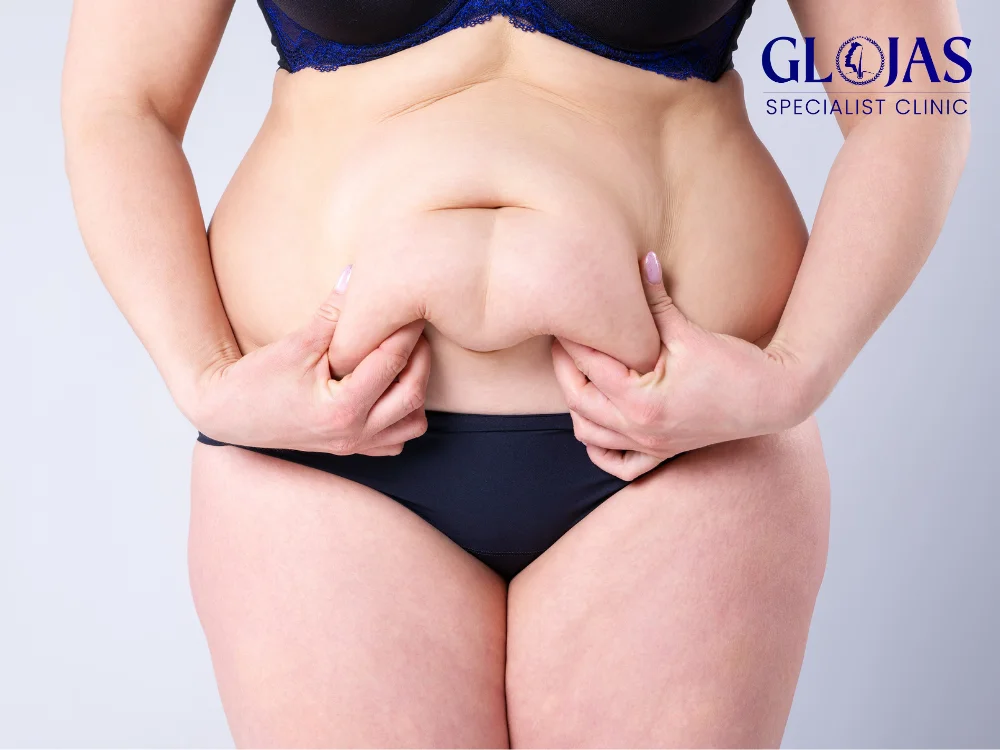
Tummy tuck surgery, also known as abdominoplasty, is a popular cosmetic procedure designed to remove excess skin and fat from the abdominal area, while also tightening the muscles for a smoother, firmer appearance. While many people pursue tummy tuck surgery to achieve a more toned physique, the benefits of this procedure extend far beyond aesthetics. In this article, we’ll explore everything you need to know about tummy tuck surgery, from the process itself to the unexpected physical and emotional advantages it can offer. What is Tummy Tuck Surgery? Tummy tuck surgery is a cosmetic procedure that involves the removal of excess skin and fat from the abdominal area, typically for patients who have lost a significant amount of weight or have experienced changes in their bodies due to pregnancy. The surgery also includes tightening the abdominal muscles to improve core strength and achieve a flatter stomach. Depending on the individual’s needs, a tummy tuck can be performed as a full abdominoplasty, which addresses the entire abdominal region, or a mini tummy tuck, which focuses on the lower abdomen. Tummy tuck surgery is often sought by those who have tried diet and exercise but are left with loose, sagging skin or weakened muscles that no amount of exercise can correct. The result is a smoother, more contoured midsection and a boost in both appearance and confidence. How Does Tummy Tuck Surgery Work? 1. Pre-Surgery Consultation Before undergoing tummy tuck surgery, patients must have a thorough consultation with their surgeon. During this session, the doctor evaluates the patient’s health, discusses goals, and decides whether they are a suitable candidate for the procedure. Patients are typically advised to be at a stable weight, as significant weight changes after surgery can impact the results. 2. The Procedure Tummy tuck surgery is performed under general anesthesia and typically takes between two to five hours, depending on the extent of the surgery. The surgeon makes an incision across the lower abdomen, from hip to hip, and carefully removes excess skin and fat. The abdominal muscles are then tightened, and the remaining skin is pulled down and sutured in place. In some cases, the surgeon may reposition the belly button to ensure it appears natural after the skin has been adjusted. Once the incisions are closed, the patient is monitored during recovery and provided with post-operative instructions. 3. Recovery Process Recovery from tummy tuck surgery typically takes several weeks, with the first few days being the most critical. Patients will experience some swelling and discomfort, which can be managed with medication. Wearing a compression garment helps reduce swelling and supports the healing muscles. Most patients can return to light activities after two weeks, but strenuous exercise should be avoided for at least six weeks. 7 Surprising Benefits of Tummy Tuck Surgery While tummy tuck surgery is often associated with physical transformation, it offers several additional benefits that can enhance both physical and emotional well-being. 1. Improved Abdominal Tone and Core Strength For many individuals, the abdominal muscles can become stretched or weakened due to pregnancy or significant weight changes. Even with regular exercise, it can be challenging to regain the muscle tone and strength that once existed. Tummy tuck surgery not only tightens the skin but also reinforces the abdominal muscles, improving core strength and overall stability. This can have a positive impact on posture and reduce the likelihood of back pain. 2. Removal of Loose, Excess Skin Excess skin can result from various life changes, such as pregnancy or extreme weight loss. Unfortunately, this sagging skin cannot be eliminated through exercise or diet alone. Tummy tuck surgery removes this skin, leaving the abdomen with a smoother, firmer appearance. This is especially beneficial for those who struggle with skin irritation or infections caused by folds of excess skin. 3. Better Posture and Reduced Back Pain A stronger core can significantly improve posture, as weakened abdominal muscles often lead to slouching and poor alignment. After tummy tuck surgery, patients may notice an improvement in their posture, which can, in turn, reduce or eliminate chronic lower back pain caused by poor support from the abdominal muscles. 4. Enhanced Confidence and Self-Esteem For many individuals, the appearance of their abdomen can have a profound impact on their self-esteem. After undergoing tummy tuck surgery, patients often feel more confident in their appearance, which can lead to a boost in overall mental health and self-image. This newfound confidence can translate into a more positive outlook on life and improved social interactions. 5. Reduction in Stretch Marks Stretch marks are a common concern for many people, particularly after pregnancy or significant weight fluctuations. While tummy tuck surgery is not designed to remove stretch marks, it can reduce their appearance, especially if the marks are located on the areas of skin that will be removed. The procedure leaves behind tighter, smoother skin, often minimizing the visibility of stretch marks on the lower abdomen. 6. Correcting Hernias A lesser-known benefit of tummy tuck surgery is its ability to repair or correct hernias. A ventral or umbilical hernia occurs when the intestines or abdominal tissue push through the weakened muscles, creating a bulge. During tummy tuck surgery, the surgeon can repair the hernia by strengthening the abdominal wall, preventing further issues. 7. Long-Lasting Results with Proper Care One of the most attractive aspects of tummy tuck surgery is the potential for long-lasting results. With a commitment to maintaining a healthy lifestyle, including a balanced diet and regular exercise, patients can enjoy the benefits of their tummy tuck for many years. By avoiding significant weight gain or loss, the contours of the abdomen remain intact, providing lasting improvements to one’s appearance and quality of life. Who is a Good Candidate for Tummy Tuck Surgery? Tummy tuck surgery is not for everyone. Ideal candidates are individuals who: Are at a stable, healthy weight. Have excess skin or fat in the abdominal area that is resistant to diet and exercise. Have weakened abdominal muscles
Kos Pembedahan Gynecomastia: Panduan Lengkap
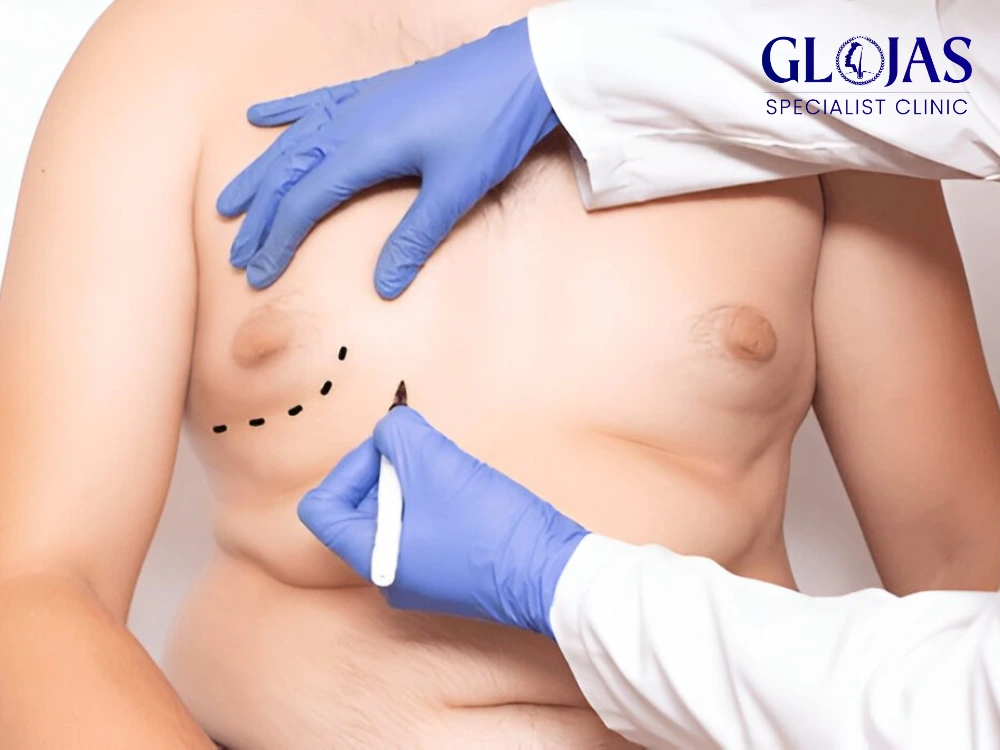
Gynecomastia adalah keadaan di mana terdapat pembesaran tisu payudara pada lelaki. Keadaan ini boleh memberi kesan yang besar terhadap kesejahteraan mental dan fizikal individu. Masalah ini sering menyebabkan ketidakselesaan, rasa rendah diri, dan kekurangan keyakinan diri, terutama dalam situasi sosial. Bagi mereka yang ingin mengatasi isu ini, pembedahan gynecomastia sering kali menjadi pilihan utama. Namun, satu soalan yang sering dibangkitkan adalah mengenai kos pembedahan gynecomastia. Artikel ini akan membincangkan kos pembedahan gynecomastia, faktor-faktor yang mempengaruhi kos, serta langkah-langkah yang perlu diambil sebelum dan selepas pembedahan. Apa Itu Gynecomastia? Sebelum membincangkan tentang kos pembedahan gynecomastia, adalah penting untuk memahami terlebih dahulu apa itu gynecomastia. Gynecomastia adalah keadaan di mana tisu payudara lelaki mengalami pembesaran disebabkan oleh pelbagai faktor, termasuk perubahan hormon, penggunaan ubat tertentu, obesiti, dan keadaan kesihatan tertentu seperti penyakit hati atau kegagalan buah pinggang. Keadaan ini bukan sahaja memberi kesan fizikal, tetapi juga menjejaskan emosi dan keyakinan diri lelaki yang mengalaminya. Pembedahan Gynecomastia Pembedahan gynecomastia adalah prosedur yang bertujuan untuk mengurangkan tisu payudara yang berlebihan. Terdapat beberapa teknik pembedahan yang boleh digunakan, bergantung kepada keadaan individu dan keperluan spesifik. Pembedahan ini boleh dilakukan menggunakan dua kaedah utama: Liposuction: Teknik ini digunakan untuk mengeluarkan lemak berlebihan dari kawasan payudara. Liposuction adalah kaedah yang kurang invasif dan sesuai untuk mereka yang mempunyai tisu payudara yang lebih banyak lemak berbanding tisu glandular. Pembedahan Terbuka: Jika terdapat tisu payudara yang lebih besar atau lebih tebal, pembedahan terbuka mungkin diperlukan. Prosedur ini melibatkan pemotongan dan pengeluaran tisu berlebihan, dan biasanya memerlukan pemulihan yang lebih lama. Kos Pembedahan Gynecomastia Kos pembedahan gynecomastia adalah salah satu pertimbangan utama bagi individu yang ingin menjalani prosedur ini. Secara purata, kos pembedahan gynecomastia di Malaysia boleh berkisar antara RM5,000 hingga RM15,000. Namun, harga ini boleh berbeza-beza bergantung kepada beberapa faktor, yang akan dibincangkan dalam seksyen berikut. View this post on Instagram A post shared by Aesthetic Clinic Kuala Lumpur | Plastic Surgery, Hair Transplant (@glojasspecialist) Faktor-faktor yang Mempengaruhi Kos Pembedahan Gynecomastia Terdapat beberapa faktor yang boleh mempengaruhi kos pembedahan gynecomastia, antaranya: Pengalaman dan Kepakaran Pakar Bedah Salah satu faktor utama yang mempengaruhi kos pembedahan gynecomastia adalah pengalaman dan reputasi pakar bedah. Pakar bedah yang mempunyai banyak pengalaman dan telah melakukan banyak prosedur gynecomastia mungkin mengenakan yuran yang lebih tinggi. Walaupun kos pembedahan gynecomastia mungkin lebih mahal, memilih pakar yang berkelayakan dan berpengalaman adalah penting untuk memastikan hasil yang baik dan mengurangkan risiko komplikasi. Jenis Prosedur yang Dilakukan Kos pembedahan gynecomastia juga bergantung kepada jenis prosedur yang dilakukan. Seperti yang dinyatakan sebelumnya, terdapat dua jenis utama prosedur: liposuction dan pembedahan terbuka. Kos pembedahan gynecomastia yang menggunakan teknik liposuction biasanya lebih rendah berbanding dengan prosedur pembedahan terbuka yang memerlukan lebih banyak masa dan usaha dari pakar bedah. Lokasi Pembedahan Lokasi di mana pembedahan dilakukan juga memainkan peranan dalam menentukan kos. Pembedahan yang dilakukan di pusat perubatan yang terkenal atau di bandar besar biasanya lebih mahal berbanding pembedahan yang dilakukan di klinik kecil atau di kawasan luar bandar. Oleh itu, pesakit perlu mempertimbangkan lokasi dan kemudahan yang ditawarkan oleh pusat pembedahan. Kos Penjagaan Pasca-Pembedahan Selain daripada kos pembedahan gynecomastia itu sendiri, pesakit juga perlu mengambil kira kos penjagaan pasca-pembedahan. Ini mungkin termasuk ubat-ubatan untuk menguruskan kesakitan dan keradangan, serta pemeriksaan susulan untuk memastikan pemulihan berjalan lancar. Semua kos ini perlu dimasukkan dalam anggaran keseluruhan. Keadaan Kesihatan Pesakit Keadaan kesihatan individu juga boleh mempengaruhi kos pembedahan gynecomastia. Pesakit dengan masalah kesihatan yang lain mungkin memerlukan pemeriksaan tambahan sebelum menjalani pembedahan. Sebagai contoh, pesakit yang mempunyai masalah jantung atau penyakit kronik mungkin memerlukan penilaian tambahan, yang boleh menambah kos keseluruhan. Manfaat Pembedahan Gynecomastia Setelah memahami kos pembedahan gynecomastia, adalah penting untuk mempertimbangkan manfaat yang boleh diperoleh daripada prosedur ini. Antara manfaat pembedahan gynecomastia adalah: Meningkatkan Keyakinan Diri: Pembedahan gynecomastia dapat membantu individu merasa lebih yakin dengan penampilan mereka. Ini boleh memberikan impak positif kepada interaksi sosial dan kualiti hidup secara keseluruhan. Mengurangkan Ketidakselesaan Fizikal: Dengan mengurangkan tisu payudara yang berlebihan, individu akan mengalami kurang ketidakselesaan semasa aktiviti fizikal atau ketika berpakaian. Ini sangat membantu bagi mereka yang terlibat dalam sukan atau aktiviti yang memerlukan pergerakan yang banyak. Hasil yang Kekal: Pembedahan gynecomastia memberikan hasil yang kekal jika pesakit menjaga gaya hidup sihat. Ini berbeza dengan rawatan lain yang mungkin memerlukan pemeliharaan berkala. Peningkatan Kualiti Hidup: Dengan mengatasi masalah fizikal yang dihadapi, ramai individu melaporkan peningkatan dalam kualiti hidup, termasuk peningkatan dalam aktiviti sosial dan hubungan interpersonal. Persediaan Sebelum Pembedahan Sebelum menjalani pembedahan gynecomastia, terdapat beberapa langkah persediaan yang perlu diambil: Konsultasi dengan Pakar: Berjumpa dengan pakar bedah untuk mendapatkan nasihat dan maklumat lanjut mengenai prosedur. Ini adalah peluang untuk membincangkan apa yang diharapkan daripada pembedahan dan sebarang kebimbangan yang mungkin ada. Ujian Kesihatan: Pesakit mungkin perlu menjalani ujian kesihatan untuk memastikan mereka berada dalam keadaan baik untuk menjalani pembedahan. Ujian ini mungkin termasuk ujian darah dan pemeriksaan fizikal. Menghentikan Penggunaan Ubat Tertentu: Jika pesakit mengambil ubat yang boleh meningkatkan risiko pendarahan, seperti aspirin atau ubat anti-inflamasi, mereka mungkin perlu menghentikannya sebelum pembedahan. Ini penting untuk mengurangkan risiko komplikasi semasa dan selepas pembedahan. Menetapkan Harapan yang Realistik: Penting bagi pesakit untuk mempunyai harapan yang realistik tentang hasil pembedahan. Berbincang dengan pakar tentang apa yang mungkin dan apa yang tidak mungkin dapat membantu menetapkan harapan yang tepat. Penjagaan Selepas Pembedahan Penjagaan selepas pembedahan gynecomastia adalah penting untuk memastikan pemulihan yang baik dan hasil yang memuaskan. Berikut adalah beberapa panduan penjagaan pasca-pembedahan: Ikut Arahan Doktor: Pesakit perlu mengikuti semua arahan yang diberikan oleh doktor mengenai penjagaan luka, pengambilan ubat, dan aktiviti fizikal. Ini termasuk cara menjaga kawasan pembedahan untuk mengelakkan jangkitan. Rehat yang Cukup: Rehat yang mencukupi adalah penting untuk proses penyembuhan. Pesakit perlu mengelakkan aktiviti fizikal yang berat selama beberapa minggu selepas pembedahan. Pemeriksaan Susulan: Pastikan untuk menghadiri semua janji temu pemeriksaan susulan dengan pakar bedah. Ini penting untuk memastikan pemulihan berjalan lancar dan tiada komplikasi. Mengawasi Tanda-Tanda Komplikasi: Pesakit perlu peka terhadap sebarang tanda-tanda komplikasi, seperti pendarahan berlebihan, jangkitan, atau kesakitan yang tidak dapat dikawal. Jika ada gejala yang mencurigakan, pesakit harus segera mendapatkan bantuan perubatan. Kos Pembedahan Gynecomastia di Malaysia Di
Definitive Guide to Operation to Remove Eye Bags: 7 Key Things You Should Know
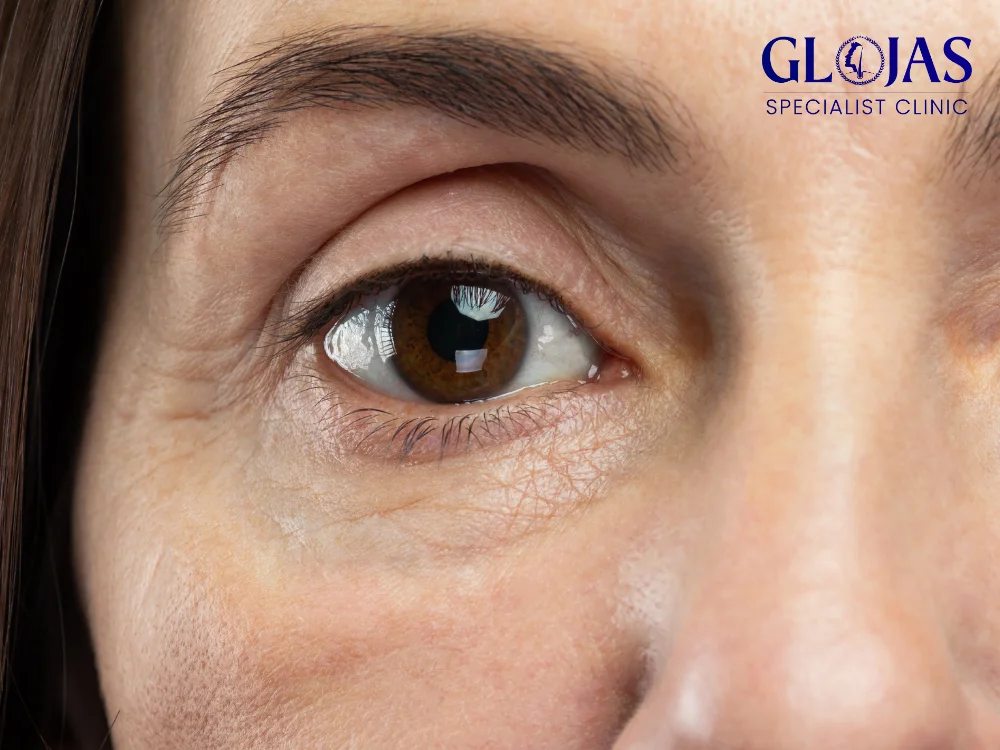
Eye bags are a common cosmetic concern that many people face as they age. These puffy, sagging areas beneath the eyes can give the appearance of tiredness or even add years to one’s face. Luckily, advances in cosmetic surgery offer an effective solution: an operation to remove eye bags. This procedure, also known as blepharoplasty, can rejuvenate the appearance by addressing puffiness, sagging skin, and dark circles around the eyes. In this comprehensive guide, we’ll dive into the details of the procedure, its benefits, recovery time, risks, and everything else you need to know about this transformative surgery. What is an Operation to Remove Eye Bags? An operation to remove eye bags, medically referred to as lower eyelid blepharoplasty, is a cosmetic procedure designed to eliminate or reduce the appearance of bags under the eyes. As we age, the muscles and tissues around the eyes weaken, allowing fat to accumulate and causing the skin to sag. This results in the formation of eye bags that are resistant to topical treatments or lifestyle changes. The surgery primarily focuses on: Removing excess fat under the eyes Tightening loose or sagging skin around the lower eyelid Smoothing fine lines and wrinkles for a more youthful appearance The procedure is typically performed by a board-certified plastic surgeon or an oculoplastic surgeon, and it’s known for delivering long-lasting results. How Does the Operation to Remove Eye Bags Work? The operation to remove eye bags is usually performed on an outpatient basis, meaning you can go home the same day. The surgery begins with the surgeon administering local anesthesia or sedation to ensure your comfort during the procedure. Here’s a step-by-step breakdown of what happens during the surgery: Incisions: Small incisions are made either inside the lower eyelid (transconjunctival approach) or just below the lash line. The location of the incision depends on your specific anatomy and the extent of the eye bags. Fat Removal or Repositioning: The surgeon will remove or redistribute excess fat to create a smooth, natural contour under the eyes. In some cases, fat is repositioned to avoid a hollow look after the surgery. Excess Skin Removal: If needed, a small amount of excess skin will be removed to tighten the area, ensuring a firmer, more youthful appearance. Suturing: Once the fat has been addressed and the skin tightened, the incisions are closed with fine sutures. These sutures are typically dissolvable and leave minimal scarring. The entire procedure usually takes about 1 to 2 hours, depending on the complexity of the surgery and whether additional treatments (like an upper eyelid lift) are being performed simultaneously. Who is a Good Candidate for Eye Bag Removal Surgery? Before considering an operation to remove eye bags, it’s essential to determine whether you’re a suitable candidate. Generally, this procedure is ideal for individuals who: Have persistent puffiness or sagging under the eyes Are in good overall health and do not smoke Do not have serious eye conditions (e.g., glaucoma, dry eye syndrome) Have realistic expectations about the results Candidates should also be aware that while the procedure can significantly improve the appearance of the lower eyelids, it won’t eliminate dark circles caused by pigmentation or skin thinning. If dark circles are a concern, additional treatments like fillers or skin resurfacing may be recommended. Pre-Procedure Preparations Before undergoing an operation to remove eye bags, your surgeon will provide detailed instructions to prepare for the procedure. This may include: Avoiding blood-thinning medications such as aspirin and ibuprofen for two weeks before surgery Quitting smoking several weeks prior, as smoking can impede the healing process Arranging transportation for the day of the surgery since you’ll be unable to drive yourself home It’s also important to have realistic expectations and to discuss your desired outcomes with your surgeon. A personalized consultation can help you understand what the surgery can and cannot achieve. What to Expect After Eye Bag Removal Surgery The recovery process after an operation to remove eye bags is typically straightforward, but it does require some time for swelling and bruising to subside. Here’s what you can expect: Immediate Post-Surgery: After the surgery, you may experience mild discomfort, swelling, and bruising, particularly around the eyes. Your surgeon will provide cold compresses and recommend keeping your head elevated to reduce swelling. Healing Time: Most patients can return to light activities, such as walking or office work, within a week. Full recovery, where all swelling and bruising have resolved, usually takes 10 to 14 days. Scar Healing: If the surgeon made external incisions (below the lash line), the scars are typically minimal and fade over time. Using sunscreen and avoiding direct sun exposure can help prevent the scars from darkening. Results: The final results of the surgery become fully visible after the swelling subsides, typically within a few weeks to a few months. The outcome is a smoother, rejuvenated appearance with fewer or no visible eye bags. Risks and Potential Complications of Eye Bag Removal Surgery Like all surgical procedures, an operation to remove eye bags comes with some potential risks and complications, although they are rare. Possible risks include: Infection: Proper wound care is critical to avoid infections, which are rare but can occur. Bleeding or Hematoma: Excessive bleeding or blood pooling under the skin may require further treatment. Asymmetry: In some cases, the results may be uneven, requiring revision surgery. Eyelid Malposition: Rarely, the lower eyelid can become pulled downward (ectropion) if too much skin is removed or if the skin tightens improperly during healing. Choosing a qualified and experienced surgeon is essential in minimizing these risks and ensuring a successful outcome. Cost of an Operation to Remove Eye Bags The cost of an operation to remove eye bags can vary based on factors such as the surgeon’s experience, geographic location, and the complexity of the procedure. On average, the cost ranges from $2,000 to $5,000. Since this is a cosmetic surgery, most health insurance plans do not cover it, so it’s important to budget accordingly. Many