- Glomac Galeria Hartamas, Kuala Lumpur
- 012-989 1915
- info@glojasaesthetic.com
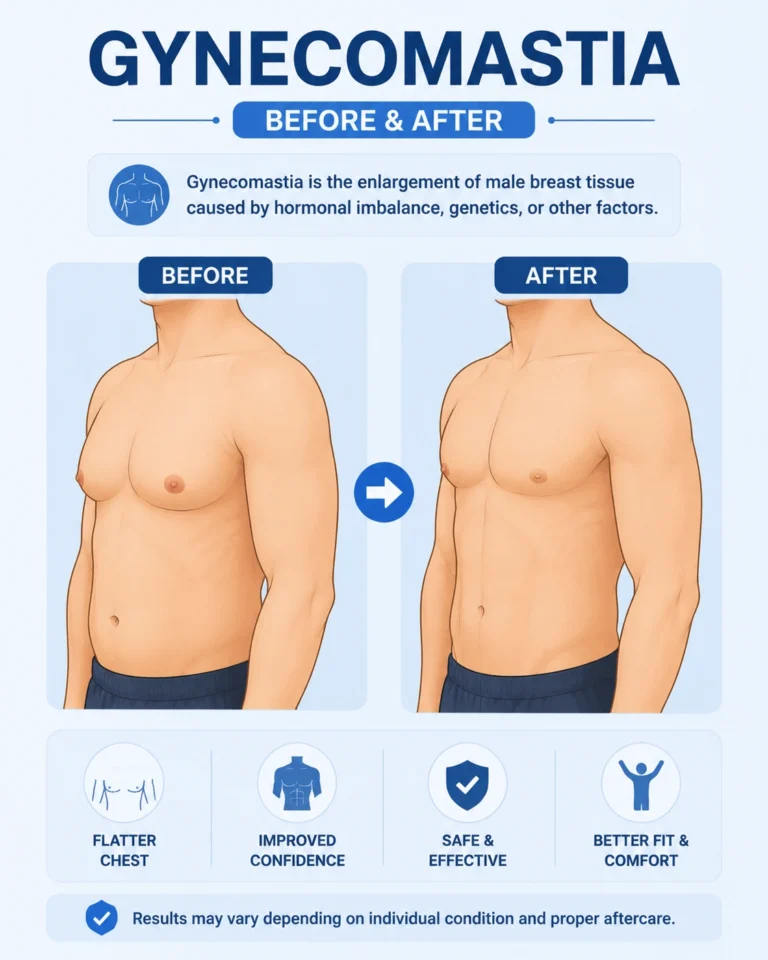
Gynecomastia surgery in Malaysia is a male breast reduction procedure that removes excess breast gland tissue, fat, and loose skin to create a flatter, more masculine chest. Treatment may involve liposuction, gland excision, or a combination approach. The best surgical technique depends on the severity of gynecomastia, skin elasticity, and individual chest anatomy.
At GLOJAS Specialist Clinic Kuala Lumpur, gynecomastia surgery is performed by experienced plastic surgeons with more than 30 years of combined surgical experience. Using advanced male breast reduction techniques, our team focuses on achieving a flatter, natural-looking chest contour while prioritizing patient safety, comfort, and long-term results.
Gynecomastia is a condition characterized by the enlargement of male breast tissue due to excess glandular breast tissue, fat accumulation, or hormonal imbalance. It can affect one or both sides of the chest and may occur during puberty, adulthood, or later in life.
Unlike simple chest fat, true gynecomastia involves the growth of breast gland tissue beneath the nipple and areola.
Several factors can contribute to gynecomastia:
Hormonal imbalance remains one of the most common causes of enlarged male breasts.
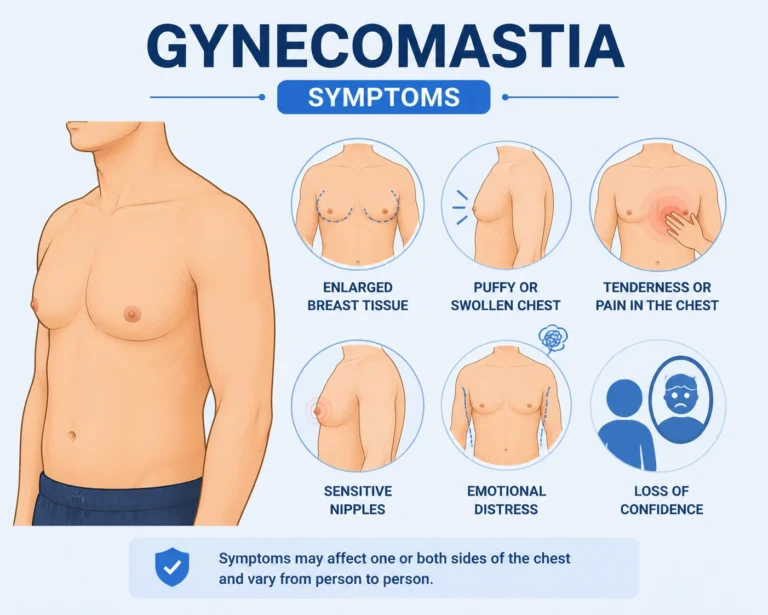
Symptoms may include:
Gynecomastia is commonly classified into grades:
| Grade | Description |
|---|---|
| Grade 1 | Small enlargement without excess skin |
| Grade 2 | Moderate enlargement without skin excess |
| Grade 3 | Moderate enlargement with excess skin |
| Grade 4 | Severe enlargement with significant skin excess |
The grade helps determine the most appropriate gynecomastia surgery technique.
Many men mistake gynecomastia for excess chest fat.
Pseudogynecomastia refers to fat accumulation in the chest without enlargement of breast gland tissue.
Characteristics include:
True gynecomastia involves enlarged glandular breast tissue.
Characteristics include:
Diagnosis may involve:
Accurate diagnosis helps determine whether surgery is required.
Gynecomastia surgery may be suitable for men seeking permanent correction of enlarged male breasts.
Candidates typically include men who have noticeable breast enlargement that affects their appearance or confidence.
Surgery may be considered when breast enlargement persists despite:
The best candidates generally:
Surgical correction may be recommended when non-surgical measures fail to improve the condition.
If chest enlargement remains after significant weight loss, gland excision or liposuction may be necessary.
Patients with excess breast gland tissue often require surgical removal because glands cannot be eliminated through exercise alone.
Many men seek treatment due to:
Several techniques may be used depending on the severity of the condition.
Liposuction removes excess fat from the chest using small cannulas.
Benefits include:
Best suited for patients with significant fatty tissue.
Gland excision removes excess breast gland tissue directly.
Benefits include:
This is often necessary for true gynecomastia.
Most gynecomastia surgery cases involve a combination of:
This approach provides comprehensive chest contouring and improved aesthetic outcomes.
Patients with severe gynecomastia may require:
These techniques help achieve a flatter and more masculine chest contour.
The ideal procedure depends on the severity of breast enlargement.
Usually treated with:
Commonly treated using:
May require:
A consultation with a plastic surgeon determines the most appropriate treatment plan.
Gynecomastia surgery is typically performed as an outpatient surgical procedure.
The surgeon evaluates:
Patients may be advised to:
The procedure may involve:
Most procedures take between 1 and 3 hours.
Patients are monitored before being discharged with detailed recovery instructions.
Male breast reduction surgery provides both cosmetic and psychological benefits.
Removal of excess tissue creates a more masculine chest profile.
The chest appears firmer and more proportionate to the rest of the body.
Patients often find:
Many patients report improvements in:
Results become progressively visible as swelling decreases.
Patients can generally expect:
Typical timeline:
Recovery varies between individuals.
| Recovery Stage | Timeline |
|---|---|
| Return to desk work | 3–7 days |
| Light activities | 1–2 weeks |
| Moderate exercise | 3–4 weeks |
| Heavy workouts | 6–8 weeks |
| Final healing | 3–6 months |
Compression garments help:
Most patients wear them for several weeks.
Patients should avoid:
During the early recovery period.
Follow-up visits allow the surgeon to monitor healing and optimize outcomes.
Scarring is a common concern among patients considering gynecomastia surgery.
Incisions are usually placed:
Scars typically:
To support scar healing:
Like all surgical procedures, gynecomastia surgery carries potential risks.
Temporary swelling and bruising are expected during recovery.
Although uncommon, infection may occur and requires medical treatment.
Minor asymmetry or contour irregularities may occasionally develop.
Temporary numbness or altered sensation can occur but often improves over time.
Gynecomastia surgery provides long-term correction in most cases.
Recurrence may occur due to:
Patients can help maintain results by:
Gynecomastia surgery cost in Malaysia varies depending on individual treatment requirements.
Several factors influence pricing:
More advanced grades often require more extensive surgery and operating time.
Costs vary depending on whether treatment involves:
Board-certified plastic surgeons may charge different fees based on training and expertise.
Facility charges, anesthesia fees, and postoperative care can affect the overall treatment cost.











When undergoing an invasive body-contouring procedure, choosing an accredited medical facility and a highly qualified specialist is paramount to ensuring your clinical safety and aesthetic outcome.
NSR & LCP Certified Surgeons: Our senior plastic surgeons, including Dr. Mohd Ali, hold active registrations on the National Specialist Register (NSR) and possess the official Letter of Credentialing & Privileging (LCP) for aesthetic surgery issued by the Ministry of Health Malaysia.
Over 30 Years of Medical Excellence: GLOJAS is an award-winning specialist center with a decades-long track record of performing safe, male-focused plastic surgery procedures.
Hospital-Grade Operating Theaters: We do not operate out of small aesthetic med-spas. All surgeries are conducted in sterile, state-of-the-art surgical suites adhering to strict global medical standards.
At GLOJAS, NSR-certified surgeons perform gynecomastia surgery using MOH-approved VASER and PAL technology. We safely remove glandular tissue and fat to create a flatter, masculine chest. Procedures follow strict Ministry of Health Malaysia standards for patient safety and proven results.