
Best Hair Fall Shampoo for Hair Loss & Hair Regrowth: Reduce Thinning Effectively

Are you looking for best hair fall shampoo for hair loss near you? Hair loss affects millions of men and women worldwide & prevent you from having beautiful hair. Finding an effective solution can be overwhelming. One of the simplest yet most essential steps in combating hair loss is choosing the best shampoo for hair loss. But with so many products on the market, which ones truly work, and what additional clinical options are available for hair regrowth? Understanding Hair Loss and Hair Thinning Before picking the best hair fall shampoo, it’s crucial to understand why hair falls out: Genetic Factors (Androgenetic Alopecia): The most common cause in men and women. Hormonal Changes: Pregnancy, menopause, or thyroid imbalances can trigger shedding. Medical Conditions: Autoimmune disorders, scalp infections, or nutritional deficiencies. Stress & Lifestyle: Poor diet, lack of sleep, or chronic stress may accelerate hair thinning. Recognizing the underlying cause helps in selecting the right shampoo and complementary treatments. How Hair Fall Shampoo Works Shampoos alone cannot completely reverse hair loss, but they can: Strengthen Hair Follicles: Ingredients like biotin, keratin, and caffeine nourish follicles. Reduce Scalp Inflammation: Ketoconazole and tea tree oil calm irritation. Boost Hair Thickness: Certain formulations temporarily increase hair volume. Prevent Breakage: Sulfate-free shampoos protect hair integrity. Best Ingredients in Shampoo for Hair Loss When choosing a product, check the label for these active ingredients & product details: Ketoconazole: Helps reduce scalp inflammation linked to hair shedding 10x stronger. Caffeine: Stimulates follicles to prolong the hair growth cycle & deeply purifies. Biotin & Niacin: Strengthen weak, brittle hair strands. Saw Palmetto: Blocks DHT, a hormone linked to male pattern baldness. Amino Acids & Proteins: Support hair structure and elasticity. Sulfate-Free Formulations: Gentle on scalp and hair to prevent further breakage. Top 10 Hair Fall Shampoos in Malaysia For Men Nioxin System 2 Shampoo Alpecin Caffeine Shampoo Pura D’Or Anti-Hair Loss Shampoo For Women Kérastase Densifique Bain Densité Revivogen Bio-Cleansing Shampoo OGX Biotin & Collagen Shampoo Natural & Sulfate-Free Options The Body Shop Ginger Scalp Care Shampoo Avalon Organics Biotin B-Complex Shampoo Maple Holistics Biotin Shampoo Jason Thin to Thick Extra Volume Shampoo These shampoos are widely available in Malaysia, from Guardian, Watsons, and Shopee. Pricing ranges from RM50 to RM250 depending on brand and formulation. Non-Surgical Options for Hair Regrowth If shampoos are not enough, non-surgical interventions can accelerate regrowth: Minoxidil Topical Solution: FDA-approved, stimulates follicles for both men and women. PRP (Platelet-Rich Plasma) Therapy: Uses your own blood growth factors to promote new hair growth. Low-Level Laser Therapy (LLLT): Stimulates follicle activity using red light technology. Mesotherapy & Scalp Injections: Nutrient and peptide-based injections for hair health. Surgical Treatments for Severe Hair Loss For severe hair thinning or bald spots, surgical options can provide permanent solutions: FUE Hair Transplant (Follicular Unit Extraction): Individual follicles are transplanted to thinning areas. FUT Hair Transplant (Follicular Unit Transplantation): Strip harvesting technique for larger coverage. Combination Therapy: Hair transplants plus PRP or minoxidil can improve density and retention. These procedures are available at certified clinics in Kuala Lumpur and come with consultation and follow-up care. Tips to Get the Strong Hair from Hair Fall Shampoo Massage your scalp gently for 2–3 minutes during washing to increase blood circulation. Use lukewarm water; hot water may damage hair and follicles. Follow the shampoo with a lightweight conditioner to prevent dryness. Avoid over-washing; 2–3 times per week is ideal. Pair with a healthy diet rich in proteins, vitamins, and minerals. When to See a Doctor for Hair Loss If hair loss persists despite using the best shampoo for hair loss: Consider visiting a dermatologist or hair specialist. Blood tests may identify underlying deficiencies. Evaluate for medical treatments like PRP, minoxidil, or hair transplant. Early intervention improves results significantly. Start Your Hair Regrowth Journey Today Don’t wait for hair loss to worsen. Explore clinically proven hair regrowth solutions and discover the best shampoo for hair loss tailored for your needs. Book a consultation with GLOJAS certified hair specialist in Kuala Lumpur today for healthy scalp and reduces hair falls and hair thinning before it gets worse! 5 FAQs About Shampoo for Hair Loss 1. Can hair loss shampoos regrow hair?Shampoos alone strengthen existing hair and reduce breakage. For regrowth, combine with clinical treatments like PRP, minoxidil, or low-level laser therapy. 2. How long before seeing results from anti-hair loss shampoo?Noticeable improvements may take 8–12 weeks with consistent use, especially when paired with scalp treatments. 3. Are natural shampoos effective for hair loss?Yes, ingredients like saw palmetto, biotin, and caffeine can support scalp health and prevent further shedding. 4. Can women use men’s hair loss shampoos?Some formulations are safe for women, but choose gender-specific products to match hormone-related hair loss patterns. 5. Are hair transplants necessary if I use shampoo?Not always. Shampoos help maintain healthy hair, but transplants or PRP may be needed for severe thinning or bald areas. Expert Advice on Choosing the Best Hair Fall Shampoo When it comes to maintaining strong and healthy hair, consulting a board certified dermatologist can provide guidance tailored to different hair types and concerns such as hair loss, hair thinning, or hair breakage. Healthy hair follicles and good scalp health are essential for steady hair growth and overall hair health, while the right shampoos for hair—especially professionally tested shampoos—can help strengthen the hair and protect existing hair. Using products correctly, ensuring they are well lathered and rinsed, makes a difference in results, and even in busy places like York City, people are becoming more conscious of simple but effective routines to keep their hair at its best.
Hairline Lowering Surgery: Forehead Reduction & Natural Hairline Advancement
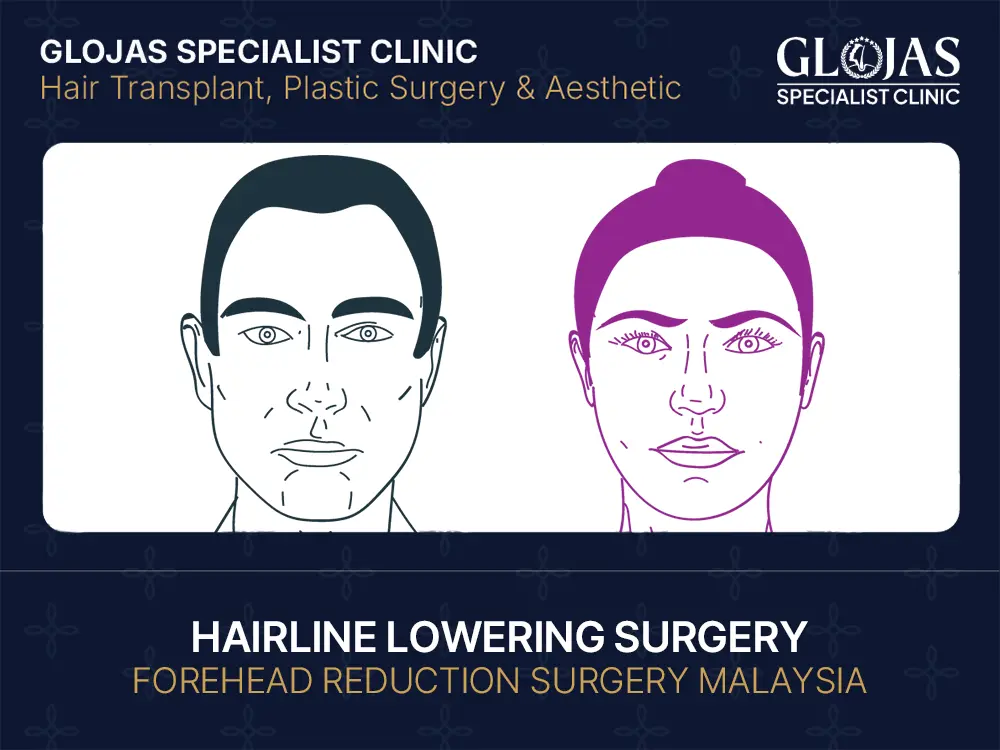
A high or receding hairline can affect facial proportions and self-confidence for both men and women. Hairline lowering surgery, also called forehead reduction surgery, is a specialised cosmetic procedure that moves the hairline forward, creating a more balanced facial appearance. In Malaysia, this surgery is performed by board-certified plastic surgeons who combine artistic precision with advanced surgical techniques to deliver natural, lasting results. Whether you are seeking to enhance feminine features, restore harmony after hair loss, or correct a naturally high hairline, this guide explains everything you need to know — from surgical steps to recovery and cost. What Is Hairline Lowering Surgery? Hairline lowering surgery is a surgical forehead reduction procedure designed to shorten the height of the forehead by moving the hairline forward. It is commonly performed for: A naturally high hairline Gender affirmation goals (for both MTF and FTM patients) Hairline restoration after hair loss Balancing facial proportions Unlike non-surgical hair loss treatment options, this procedure provides permanent results in a single session. Surgeons typically combine this with hair transplant surgery in cases where additional density is needed at the hairline. Why Patients Choose Hairline Lowering Surgery in Malaysia Malaysia has become a sought-after destination for forehead reduction surgery due to: Board-certified plastic surgeons with international training Lower surgical costs compared to Western countries Advanced surgical technology for precision and safety Customised treatment planning for each patient’s unique facial features In addition, Malaysia offers discreet, private recovery environments and high patient satisfaction rates. Ideal Candidates for Hairline Lowering Surgery You may be a good candidate if you: Have a high or receding hairline affecting facial balance Possess good scalp laxity (enough skin flexibility for advancement) Are in good overall health with no uncontrolled medical conditions Have realistic expectations about surgical outcomes For those with tight scalp skin, surgeons may recommend a two-stage approach using tissue expanders before hairline advancement. Surgical Techniques in Hairline Lowering Surgery Hairline lowering surgery in Malaysia is performed under local anaesthesia with sedation or general anaesthesia. The main techniques include: 1. Direct Hairline Advancement An incision is made along the natural hairline. The scalp is mobilised and advanced forward. Excess forehead skin is removed, and the incision is closed with fine sutures for minimal scarring. 2. Combined Hairline Lowering + Hair Transplant Hairline is surgically advanced. Hair grafts are placed to refine the hairline and improve density. This combination is often chosen for transgender hairline surgery or cases with irregular hairline shapes. Recovery After Hairline Lowering Surgery Downtime: Most patients return to work within 1–2 weeks. Swelling & Bruising: Subside within 7–10 days. Suture Removal: Typically after 7 days. Final Results: Visible immediately but refine over 3–6 months. Surgeons provide detailed aftercare instructions, including scar care and gentle scalp massage once healing allows. Hairline Lowering Surgery Cost in Malaysia The cost of forehead reduction surgery in Malaysia varies depending on: Surgeon’s experience & credentials Complexity of the case Need for combined hair transplantation Hospital or clinic facilities Average cost range: RM 15,000 – RM 25,000. A personalised consultation is essential for an accurate quote. Choosing the Right Surgeon For the best and safest results, choose a MOH-registered, board-certified plastic surgeon experienced in hairline lowering surgery. Key considerations: Proven before-and-after results Use of advanced closure techniques to minimise scarring Strong understanding of facial proportion aesthetics Real Results – Transforming Forehead & Hairline Proportions Patients often report improved facial balance, softer features, and higher confidence after surgery. In cases of MTF transgender surgery, hairline advancement plays a vital role in creating a more feminine facial frame. For men, lowering the hairline can reverse signs of premature aging or hairline recession. Reviews Real Patients Aisyah Rahman, 29“I chose GLOJAS Specialist Clinic after a careful consult with Prof. Dato’ Dr. JasG. We lowered my hairline ~2 cm; swelling settled in days and I was back to work by day 5. At 3 months, the design looks soft and natural.” Daniel Lee, 34“Prof. Dato’ Dr. JasG mapped my hairline using facial thirds and refined the temples with a small FUE. The team at GLOJAS was clear on costs and aftercare. By month 6, friends just thought I’d changed my hairstyle.” Priya Menon, 31“From the first consult, GLOJAS Specialist Clinic felt meticulous—photos, measurements, realistic expectations. Prof. Dato’ Dr. JasG explained recovery step-by-step. I’m wearing my hair up again without worrying about my forehead.” Harith Amir, 37“I appreciated the honest talk at GLOJAS—no ‘scarless’ promises, just technique and results. Prof. Dato’ Dr. JasG used a closure that’s hard to see once healed. Desk work in 4 days; light gym from week two.” Jason Ong, 27“Nervous at first, but Prof. Dato’ Dr. JasG showed similar cases and a clear plan. The incision sits where new hairs blend in, and GLOJAS checked on me throughout recovery. It finally looks like the hairline I was meant to have.” 5 Most Asked Questions (FAQs) 1. How much can the hairline be lowered?Most surgeons can lower the hairline by 1.5 to 3 cm in a single procedure, depending on scalp flexibility. 2. Is hairline lowering surgery permanent?Yes, results are permanent, though natural aging and hair changes may occur over time. 3. Will there be visible scars?Scars are placed along the natural hairline and typically blend in with regrowth, becoming barely noticeable. 4. Can men undergo this surgery?Yes, hairline lowering surgery is suitable for both men and women, including transgender patients. 5. How long before I can style my hair normally?Most patients can resume normal hair styling after 3–4 weeks. Ready to Transform Your Hairline and Confidence? If you’ve been considering hairline lowering surgery in Malaysia, now is the perfect time to take the next step. This safe and precise procedure can help you achieve a more balanced forehead-to-hair ratio, enhance facial harmony, and boost your self-esteem. Our MOH-registered, board-certified plastic surgeon uses advanced surgical techniques to deliver natural-looking, permanent results tailored to your unique features. From your first consultation to your post-surgery recovery, you’ll receive personalised care in a safe, fully accredited medical facility.
7 Cara Besarkan Zakar dengan Selamat & Berkesan – Rahsia Lelaki Terbongkar!
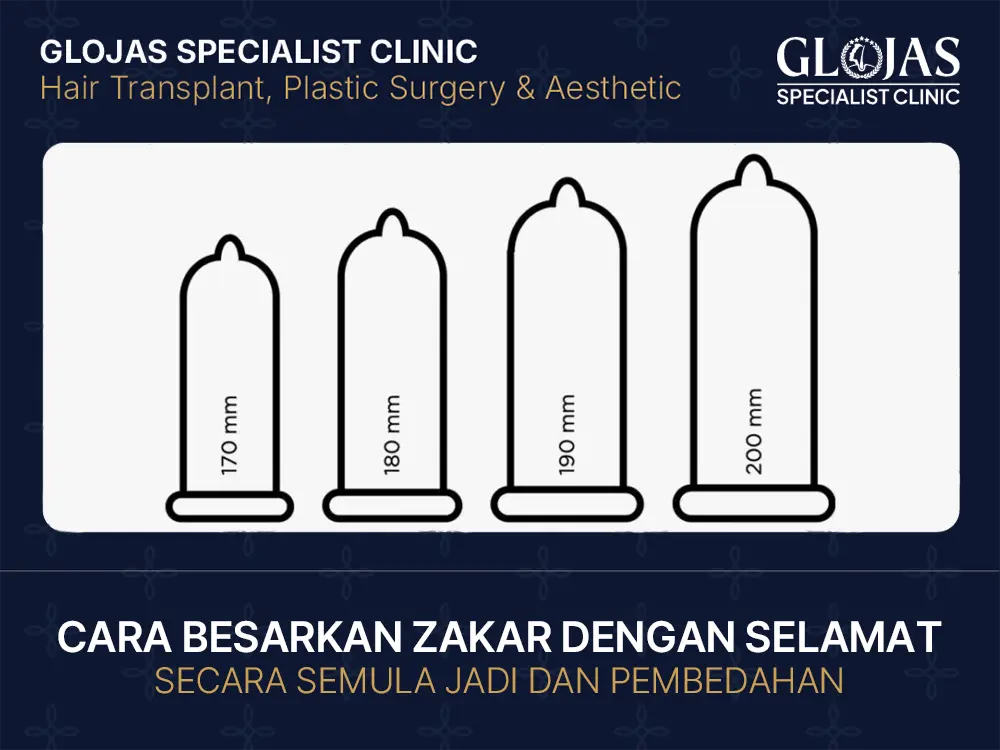
Macam mana cara besarkan zakar? Ramai lelaki di Malaysia menghadapi isu saiz zakar, mati pucuk atau prestasi seksual menurun. Walaupun saiz bukan penentu utama hubungan intim, kurang keyakinan boleh menjejaskan kesihatan seksual, terutama apabila dibandingkan dengan standard tidak realistik dari media sosial, video lucah, dan jenaka masyarakat. Di GLOJAS Specialist Clinic, pakar kami berpengalaman lebih 25 tahun menyediakan prosedur besarkan zakar yang selamat dan berkesan. Menggunakan teknologi terkini dan pendekatan peribadi, setiap pesakit menerima rawatan profesional untuk meningkatkan panjang atau ketebalan zakar dengan hasil semula jadi, selamat, dan dipercayai. Saiz Normal Zakar Lelaki Malaysia & Cara Besarkan Zakar Dengan Selamat Sebelum mula mencuba segala jenis teknik, adalah penting untuk faham bahawa saiz zakar lelaki berbeza mengikut genetik, hormon, dan gaya hidup. Secara purata: Saiz zakar tegang: sekitar 12–15 cm panjang Ketebalan pula antara 3–4 cm Realitinya, majoriti lelaki mempunyai saiz zakar yang normal. Namun, isu sebenar bukan hanya tentang saiz — tetapi persepsi terhadap diri sendiri dan keinginan untuk memberi kepuasan dalam hubungan. Cara Besarkan Zakar Paling Berkesan 1. Kurangkan Berat Badan Tahukah anda bahawa lemak di kawasan bawah perut boleh “menyembunyikan” batang zakar? Ramai lelaki mendapati zakar mereka kelihatan lebih panjang selepas menurunkan berat badan. 2. Teknik Urutan Jelqing Teknik urut zakar popular yang dikatakan membantu untuk meningkatkan saiz dengan cara: Merangsang aliran darah ke zakar Memanjangkan tisu zakar secara perlahan Memerlukan minyak pelincir & teknik betul Meningkatkan Aliran Darah Amaran: Jika dilakukan terlalu kasar, boleh menyebabkan lebam atau kecederaan. Lakukan dengan perlahan dan konsisten untuk membesarkannya. 3. Senaman Kegel Untuk Lelaki Senaman ini menumpukan pada otot pelvik – membantu dalam: Menguatkan ereksi Tahan lebih lama ketika bersama Memberikan kawalan pancutan Lakukan 3 set sehari, 10 kontraksi setiap set. 4. Alat Regangan Zakar (Penis Extender) Alat ini dipakai selama beberapa jam sehari untuk menarik zakar secara mekanikal. Jika digunakan konsisten: Boleh tambah panjang sekitar 1–2 cm selepas 3–6 bulan Tidak menambah ketebalan, hanya panjang Kelemahan: Perlu disiplin dan pemakaian harian yang lama. 5. Pam Vakum Zakar (Penis Pump) Pam menghasilkan tekanan negatif, menarik darah ke dalam zakar untuk menjadikannya tegang dan besar sementara. Memberi hasil sementara Berguna untuk lelaki dengan disfungsi ereksi ringan Tidak sesuai untuk pembesaran kekal Suntikan Untuk Cara Besarkan Zakar Cara besarkan zakar melalui suntikan jika anda mahukan hasil yang ketara dan kekal, pilihan perubatan seperti filler atau fat transfer mungkin sesuai. 1. Suntikan Filler (Hyaluronic Acid) Filler digunakan untuk meningkatkan ketebalan zakar: Prosedur cepat: ±30 minit Kesan serta-merta Tahan 12–18 bulan Tidak memerlukan pembedahan Namun, filler hanya menambah “girth” (lingkaran), bukan panjang. 2. Fat Transfer (Pemindahan Lemak ke Zakar) Pilihan terkini dan lebih semula jadi. Lemak dari badan sendiri (biasanya dari perut atau peha) diproses dan disuntik ke dalam batang zakar. Ianya sangat membantu meningkatkan size dan ketebalan zakar anda! Kelebihan: Guna tisu sendiri (lebih semula jadi) Tambah ketebalan secara kekal Sesuai untuk lelaki yang mahukan hasil tanpa bahan kimia Kekurangan: Perlu pembedahan kecil (liposuction & suntikan) Risiko kehilangan sebahagian lemak dari masa ke masa (reabsorpsi) Fat transfer sering digabungkan dengan rawatan lain seperti ligamentolysis (memotong ligamen suspensori untuk panjangkan zakar secara kekal). Cara Besarkan Zakar Dengan Kaedah Alternatif Shockwave therapy: untuk peredaran darah & ereksi PRP (Platelet-Rich Plasma): tingkatkan tisu dan prestasi seksual Pembedahan Ligamen Zakar: potong ligamen supaya zakar boleh jatuh ke depan sedikit (panjang bertambah) Semua prosedur di atas mesti dilakukan oleh doktor bertauliah dan bukannya melalui spa atau pusat rawatan tidak sah. Ubat Pembesaran Zakar – Apa Yang Perlu Anda Tahu Ramai lelaki mencari jalan cepat melalui ubat besarkan zakar yang dijual di pasaran, sama ada dalam bentuk kapsul, minyak, atau krim. Namun, kajian perubatan menunjukkan keberkesanan produk ini sangat terhad dan kebanyakannya tidak mempunyai bukti saintifik yang kukuh. Lebih membimbangkan, penggunaan tanpa pengawasan doktor boleh menyebabkan kesan sampingan seperti alahan, masalah hormon, atau kerosakan kesihatan jangka panjang. Sekiranya anda berminat menambah keyakinan diri atau membincangkan pilihan rawatan yang selamat, sebaiknya dapatkan nasihat daripada doktor bertauliah. Minyak atau Krim Pembesaran Zakar – Adakah Ia Berkesan? Pasaran dibanjiri dengan krim, minyak, kapsul dan produk yang mendakwa mampu membesarkan zakar. Antara bahan popular: Minyak lintah Tongkat Ali Ginseng L-Arginine Namun, tidak semua terbukti berkesan secara klinikal. Pilih produk yang berdaftar dengan KKM dan elakkan produk pasaran gelap. Risiko, Kesan Sampingan & Amaran Penting Walaupun ramai yang ghairah mencuba, anda harus tahu risikonya: Teknik urutan kasar → boleh sebabkan parut Produk tidak berdaftar → boleh menyebabkan iritasi atau kerosakan tisu Pembedahan → risiko jangkitan, ketidakseimbangan bentuk Sebelum ambil keputusan, berbincanglah dengan doktor berkelayakan dan bukan percaya bulat-bulat pada iklan. Jadual Perbandingan Kaedah Cara Besarkan Zakar Kaedah Panjang Ketebalan Kesan Risiko Urutan Jelqing Sedikit Tiada Sementara Rendah Extender Ya Tiada Perlahan Sederhana Pam Vakum Sementara Tiada Sejam Rendah Filler Tiada Ya 12–18 bulan Rendah Fat Transfer Tiada Ya Kekal (sebahagian) Sederhana Pembedahan Ligamen Ya Tiada Kekal Tinggi Nasihat Untuk Lelaki Dalam Mencari Rawatan Besarkan Kemaluan Lelaki Sebagai lelaki, kita semua mahu berikan yang terbaik untuk pasangan. Tapi jangan terperangkap dalam mitos dan tekanan palsu. Komunikasi lebih penting daripada saiz. Keyakinan datang dari diri sendiri. Jika benar-benar mahu perubahan, buatlah secara selamat dan dapatkan nasihat profesional. Soalan Lazim (FAQ) – Cara Besarkan Zakar 1. Bolehkah zakar dibesarkan tanpa pembedahan? Ya, terdapat beberapa cara besarkan zakar tanpa pembedahan seperti senaman jelqing, pemakaian extender dan pengurusan gaya hidup. Namun, hasilnya biasanya minimum dan mengambil masa yang lama. 2. Perbezaan antara filler dan fat transfer Salah satu cara besarkan zakar ialah melalui filler (hyaluronic acid) atau fat transfer. Filler menggunakan bahan buatan, manakala fat transfer menggunakan lemak dari tubuh sendiri. Fat transfer lebih tahan lama dan alami, tetapi memerlukan prosedur pembedahan kecil. 3. Berapakah anggaran kos fat transfer? Cara besarkan zakar dengan fat transfer biasanya berharga antara RM8,000–RM15,000 bergantung pada klinik, jumlah lemak dipindahkan dan teknik digunakan. 4. Adakah selamat menggunakan pam setiap hari? Pam zakar sering dipromosikan sebagai salah satu cara besarkan zakar, tetapi penggunaannya setiap hari tidak digalakkan. Penggunaan berlebihan boleh menyebabkan kerosakan tisu dan salur darah halus. 5. Bagaimana memilih kaedah yang paling sesuai? Untuk menentukan cara besarkan zakar yang sesuai, anda perlu mulakan dengan sesi konsultasi
Hair Transplant FAQs Malaysia: 50 Questions Answered
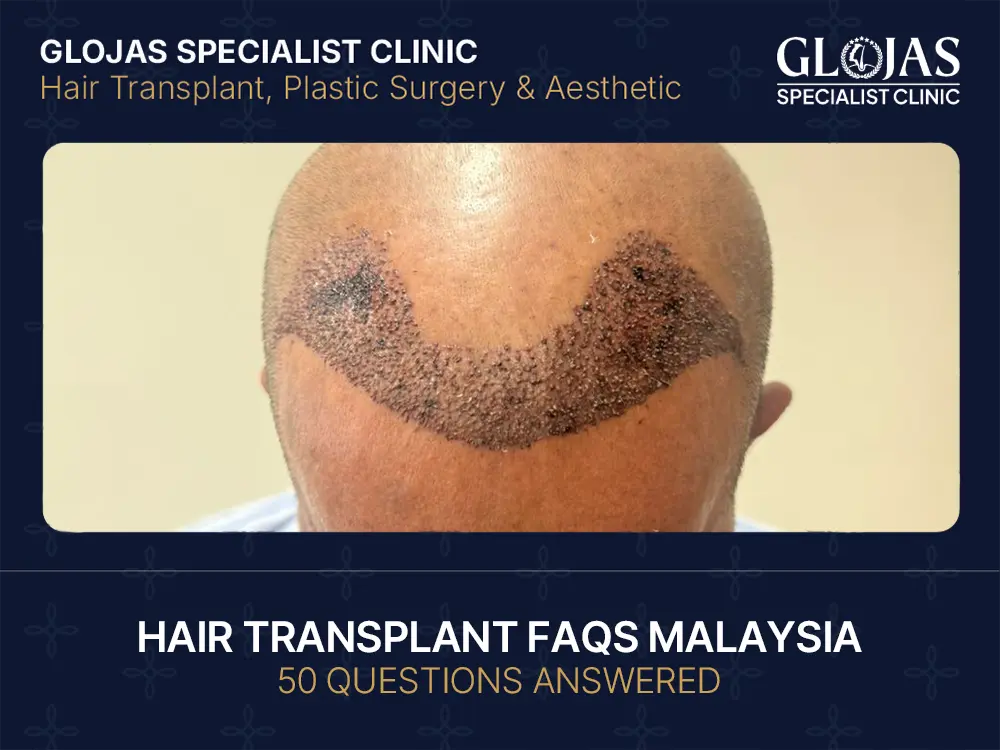
Hair Transplant FAQs – Are you considering a hair transplant Malaysia but overwhelmed with questions? You’re not alone. Below, we answer 50 of the most frequently asked questions by patients at GLOJAS Hair Transplant Clinic in Kuala Lumpur—covering FUE vs FUT, cost, safety, results, downtime, and more. Whether you’re a first-timer or comparing clinics, this guide helps you make informed decisions. General Hair Transplant FAQs 1. What is a hair transplant?A hair transplant is a surgical procedure that moves healthy hair follicles from one area (donor) to a balding or thinning area (recipient). 2. Is a hair transplant permanent?Yes, transplanted hair is permanent as it’s resistant to DHT, the hormone responsible for hair loss. 3. What are the most common methods used?FUE (Follicular Unit Extraction) and FUT (Follicular Unit Transplantation). 4. What is FUE?FUE involves extracting individual follicular units directly from the donor area and implanting them into the recipient area. 5. What is FUT?FUT involves removing a strip of scalp and dissecting it into grafts before transplantation. Suitability & Candidates 6. Am I a good candidate?Ideal candidates are those with stable hair loss, good donor hair, and realistic expectations. 7. Is there an age limit?Most clinics recommend candidates be over 25 for stability of hair loss patterns. 8. Can women undergo hair transplants?Yes. Hair transplants are also effective for female pattern baldness. 9. Is it suitable for people with alopecia areata?No. Autoimmune conditions like alopecia areata may affect graft survival. 10. Can I get a beard or eyebrow transplant?Yes. Hair restoration can be performed on beards, eyebrows, and even scars. Cost & Pricing in Malaysia 11. How much does a hair transplant cost in Malaysia?Prices range from RM8,000 to RM20,000 depending on grafts and technique used. 12. Is the price based on grafts or sessions?Most clinics charge by the number of grafts, with average sessions requiring 1,500–3,500 grafts. 13. Is it covered by insurance?No. Hair transplant is a cosmetic procedure and is not insurance-covered. 14. Are payment plans available?Yes. Many clinics in Kuala Lumpur offer installment options or KWSP (EPF) withdrawal. 15. How do I choose the best hair transplant clinic in Malaysia?Look for MOH-certified facilities, experienced surgeons, and strong before-after portfolios. Procedure & Technology 16. Is hair transplant painful?Local anesthesia is used. You may feel mild discomfort but not pain. 17. How long does the procedure take?FUE can take 4–8 hours; FUT may take slightly longer. 18. Is the result natural-looking?Yes. With proper angling and density, transplanted hair looks completely natural. 19. Will I be awake during the surgery?Yes. Hair transplants are done under local anesthesia. 20. Can hair transplant correct receding hairlines?Absolutely. It’s a common request among male patients. Recovery & Downtime 21. What is the recovery time?Most return to work in 2–5 days. Full healing takes a few weeks. 22. When can I wash my hair?After 48–72 hours, using a gentle technique recommended by your surgeon. 23. Are there side effects?Mild swelling, redness, or scabbing are common but temporary. 24. Will I have visible scars?FUE leaves microdots. FUT leaves a linear scar, hidden if done well. 25. When can I resume gym workouts?Avoid strenuous exercise for 7–10 days to prevent sweating and trauma. Results & Expectations 26. How soon will I see results?New hair starts to grow at 3–4 months; full results appear after 12 months. 27. Will the transplanted hair fall out?Yes, shedding (shock loss) happens around 2–4 weeks post-op before regrowth starts. 28. Is one session enough?It depends on your degree of hair loss. Some need multiple sessions. 29. Can hair transplant be repeated?Yes. A second procedure can add density or restore more areas. 30. Do results vary between FUE and FUT?Both offer natural results. FUT may allow more grafts in a single session. Clinic, Surgeon & Safety 31. How do I verify a clinic’s license in Malaysia?Check the Ministry of Health Malaysia (MOH) website for certified clinics. 32. What qualifications should the doctor have?Look for LCP-certified (Letter of Credentialing and Privileging) hair transplant doctors. 33. Are Malaysian clinics safe?Yes, especially those in KL that meet MOH and international standards. 34. Is the clinic equipped with sterile tools?GLOJAS and other top clinics use FDA-approved, sterilized equipment. 35. Can I request to see before-and-after results?Yes. Reputable clinics always provide real patient galleries. Graft Numbers & Density 36. What is a graft?A graft is a natural grouping of 1–4 hair follicles. 37. How many grafts do I need?It depends on the balding area. 2,000 grafts may cover a frontal zone. 38. Can I choose my hairline design?Yes, doctors work with you to design a suitable and natural-looking hairline. 39. What’s the survival rate of grafts?Over 90% if performed by skilled professionals in the right environment. 40. Can body hair be used?Yes, in some advanced cases—beard or chest hair may be used. Alternative Treatments & Maintenance 41. What if I’m not ready for a transplant?Consider PRP, Minoxidil, Finasteride, or scalp micropigmentation. 42. Can I combine transplant with PRP?Yes, PRP can improve graft survival and speed recovery. 43. Will I need medication after transplant?Sometimes Finasteride or Minoxidil is prescribed to protect existing hair. 44. How do I maintain the results?Follow post-op care, avoid harsh products, and use mild shampoo. 45. What if the hair loss continues?Transplanted hair is permanent, but native hair can continue to thin—long-term planning matters. Malaysia-Specific FAQs 46. Why choose Malaysia for hair transplant?Affordable prices, certified specialists, and strong results compared to Western countries. 47. Where is GLOJAS located?At Glomac Galeria Hartamas, Desa Sri Hartamas, Kuala Lumpur. 48. Can foreigners get a transplant in KL?Yes. Malaysia is a top destination for medical tourism, especially for hair restoration. 49. Is language a barrier?No. Most clinics in Kuala Lumpur speak English, Malay, and Mandarin. 50. How do I book a consultation?Visit GLOJAS Hair Transplant Clinic Malaysia or call/WhatsApp for an appointment. Ready to Restore Your Hair? Book your FREE consultation at GLOJAS, Malaysia’s top hair transplant specialist clinic, trusted for FUE, FUT & SMART™ techniques. Natural results, expert care.
Cara Besarkan Punggung Supaya Lebih Montok, Bulat & Menawan
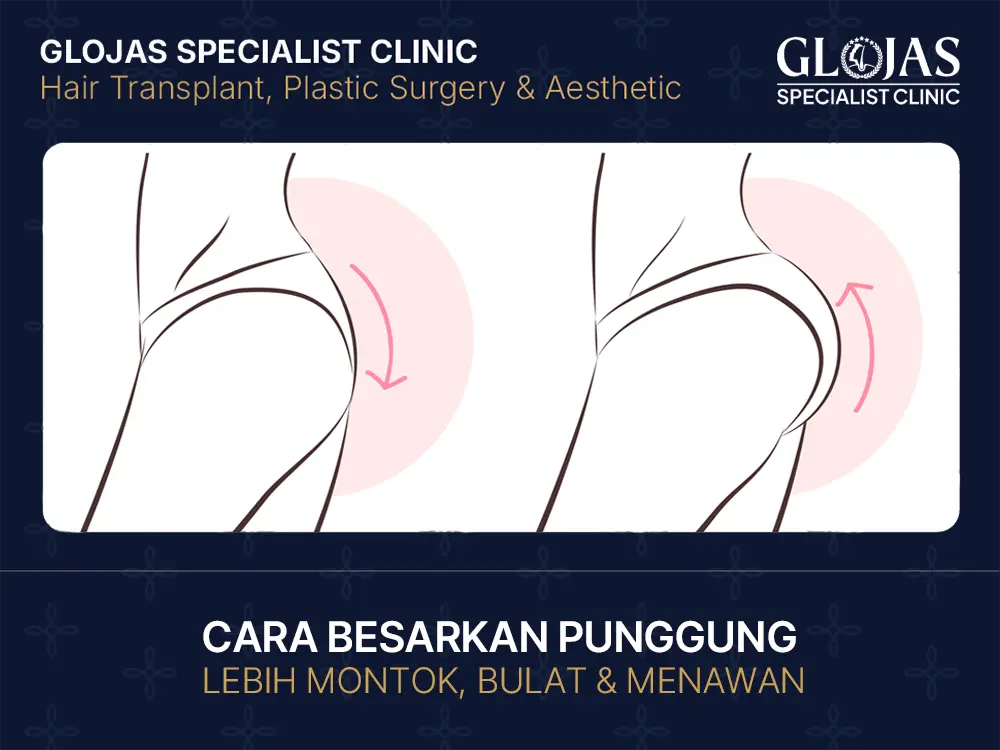
Tak semua wanita dilahirkan dengan bentuk punggung yang bulat dan tinggi. Ada yang kehilangan bentuk lepas bersalin, berat badan turun mendadak, atau kesan penuaan. Berita baiknya? Zaman sekarang dah banyak cara besarkan punggung yang selamat, tanpa perlu implan atau pembedahan besar. Di Malaysia, anda ada akses kepada pelbagai rawatan klinik moden dan kaedah semula jadi yang bantu anda capai bentuk punggung idaman — sama ada nak tambah saiz, angkat punggung yang kendur, atau sekadar nak lebih anjal. 1. Apa Maksud Besarkan Punggung Tanpa Pembedahan? Maksudnya, anda tak perlu jalani pembedahan besar atau pakai implan untuk dapatkan hasil. Kaedah seperti Emsculpt, Sculptra, dan Fat Transfer bantu bentuk semula punggung menggunakan teknologi moden atau lemak badan sendiri. Bila digabungkan dengan senaman dan pemakanan yang betul, hasilnya lebih semula jadi, selamat dan kekal lama. 2. Rawatan Klinik Untuk Besarkan Punggung Lebih Bulat & Tinggi 🟢 Emsculpt Butt Lift Ini teknologi dari US yang gunakan tenaga elektromagnetik untuk ‘senam’ otot glute anda. Dalam 30 minit, ia ibarat buat 20,000 squat! Kesan utama: Punggung lebih tegang & naik Bentuk lebih bulat tanpa lemak berlebihan Tiada downtime – boleh terus kerja lepas rawatan 🟢 Sculptra Butt Injection Kalau anda kurang otot tapi nak tambah isi, Sculptra sesuai. Ia suntikan kolagen yang: Tambah isi punggung secara berperingkat Bagi hasil semula jadi tanpa kelihatan ‘overdone’ Sesuai untuk bentuk badan langsing yang nak tonjolkan punggung 🟢 Fat Transfer ke Punggung (Pemindahan Lemak) Rawatan ni ambil lemak dari bahagian badan yang lain seperti perut atau peha, dan suntik balik ke punggung. Ia sesuai untuk anda yang: Nak besarkan punggung tanpa bahan asing Ada lemak berlebihan di bahagian lain Mahu hasil yang kekal dan natural Fat transfer ni juga dikenali sebagai versi semula jadi Brazilian Butt Lift (BBL), tapi tanpa guna implan. 3. Senaman Yang Bantu Besarkan Punggung Anda Nampak Lebih Montok Senaman tetap penting, terutamanya kalau anda baru nak mula. Fokus kepada otot glute dan lakukan secara konsisten 3–4 kali seminggu. Senaman terbaik termasuk: Squat – untuk otot peha & glute Hip Thrust – bina otot punggung bahagian tengah Glute Kickbacks – angkat dan bulatkan Lunges – tambah bentuk seimbang Bridges – ketatkan punggung bawah Nak hasil lebih cepat? Gabungkan senaman dengan rawatan klinik. Ia bantu boost lagi otot dan isi. 4. Makanan & Gaya Hidup Untuk Punggung Lebih Padat Bukan semua tentang rawatan. Cara anda makan dan hidup pun mainkan peranan besar. Nak besarkan punggung secara semula jadi? Fokus pada: Protein: ayam, ikan, telur, tempe – bina otot Lemak sihat: avocado, minyak zaitun, kekacang – tambah isi Karbo kompleks: oat, ubi, nasi perang – tenaga senaman Minum air cukup & tidur yang berkualiti juga bantu dalam pemulihan otot dan hormon badan. 5. Kaedah Tradisional & Urutan Domestik Tak salah cuba pendekatan semula jadi. Ramai wanita Malaysia amalkan: Minyak urut halba & kelapa dara – bantu peredaran darah Urutan menaikkan punggung – gerakan bulatan ke atas Pueraria Mirifica – herba dari Thailand yang bantu hormon wanita Kesan mungkin lambat, tapi bila digabung dengan rawatan klinik atau senaman, hasilnya lebih ketara. FAQ: Soalan Lazim Tentang Cara Besarkan Punggung 1. Antara rawatan klinik, mana paling cepat nampak hasil? Kebanyakan wanita nampak perubahan paling cepat lepas rawatan Emsculpt atau Sculptra — biasanya dalam 2–4 minggu. 2. Adakah fat transfer ke punggung betul-betul berkesan? Ya, terutamanya jika anda ada lebihan lemak dan mahukan hasil yang natural. Tapi mesti dilakukan oleh doktor bertauliah. 3. Saya kurus. Masih boleh buat rawatan punggung? Boleh. Rawatan seperti Sculptra sesuai untuk badan langsing yang tiada cukup lemak untuk fat transfer. 4. Perlu gabungkan senaman dengan rawatan? Digalakkan! Gabungan senaman & rawatan beri hasil yang lebih cepat dan tahan lebih lama. 5. Berapa lama tahan hasil rawatan ni? Bergantung pada kaedah. Fat transfer & Sculptra biasanya tahan lama jika anda jaga berat dan otot. Penutup Tak kira apa bentuk badan anda sekarang, anda ada pilihan yang selamat dan realistik untuk miliki punggung yang lebih montok dan menarik. Sama ada pilih fat transfer, Sculptra, Emsculpt, senaman atau pemakanan – semua boleh bantu capai bentuk yang anda impikan. Nak tahu rawatan mana paling sesuai untuk badan anda? Dapatkan konsultasi dari doktor estetik bertauliah hari ini dan mulakan perjalanan transformasi anda — dengan selamat, semula jadi, dan penuh keyakinan.
Top Facial Treatments in Kuala Lumpur, Malaysia for Healthy, Glowing Skin
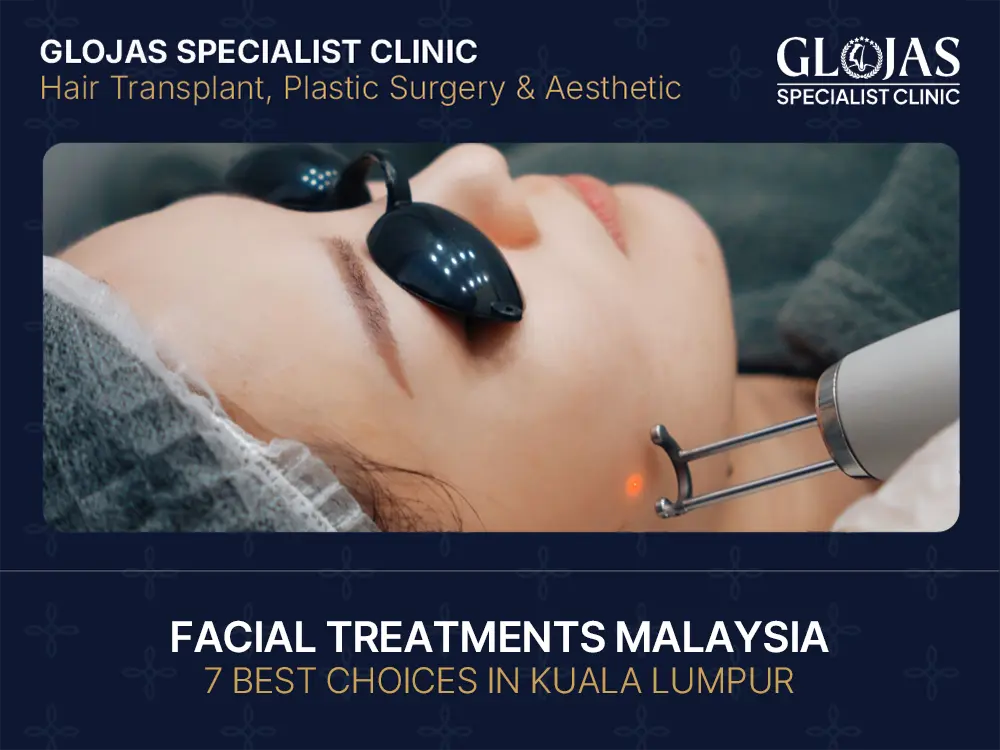
Facial treatments are more than a pampering experience — they effectively target acne, pigmentation, fine lines, and dull or uneven skin. In Malaysia, demand for medically backed facials is rising, with clinics offering customised solutions based on skin type, concerns, and lifestyle. Whether you want a gentle refresh or treatment for long-term skin issues, this guide covers the essentials. You’ll learn about the most popular facial treatments, who they’re for, how they work, and what to expect before, during, and after a session. What Are Facial Treatments? Facial treatments are professional skincare procedures that improve skin health, texture, and appearance. They usually include deep cleansing, exfoliation, hydration, and targeted solutions for issues like acne, pigmentation, or aging. Today’s facials go far beyond basic massages and masks. In Malaysia, many clinics offer advanced, clinical-grade treatments backed by dermatological science. These may include HydraFacial, LED light therapy, chemical peels, laser facials, microneedling, and radiofrequency skin tightening. Who Should Get Facial Treatments? Facial treatments are suitable for almost everyone — men and women of all skin types. Whether your skin is oily, dry, sensitive, or combination, a professional can customise the treatment to match your goals. People in Malaysia commonly seek facial treatments for: Ongoing acne or acne scars Enlarged pores and blackheads Pigmentation or uneven skin tone Fine lines, wrinkles, or sagging skin Dehydrated, dull, or rough texture A pre-event glow for weddings, trips, or photoshoots Most Popular Facial Treatments in Malaysia 1. HydraFacial A gentle, non-invasive treatment that cleanses, exfoliates, extracts, and hydrates the skin in one session. Suitable for all skin types and gives an instant glow with zero downtime. Often called a “lunchtime facial” because it’s fast and effective. 2. Chemical Peels (AHA, BHA, TCA) Uses active acids to remove dead skin cells and boost cell renewal. Light peels (like glycolic acid) brighten dull skin. Deeper peels (like TCA) target pigmentation and acne scars.Always ensure it’s done at a certified clinic for safety. 3. Microneedling / Dermapen Uses fine needles to create micro-channels in the skin, triggering collagen production. Often combined with serums or PRP to improve acne scars, pores, and texture. 4. Laser Facials & IPL Laser treatments such as pico laser help with pigmentation, sun damage, and redness.IPL uses broad-spectrum light to brighten skin, reduce melasma, and tighten pores. 5. LED Light Therapy A painless treatment using different light wavelengths: Blue light for acne Red light for anti-agingCommonly used as an add-on to enhance results and reduce inflammation. 6. Radiofrequency (RF) & Ultrasound Tightening Non-surgical options that boost collagen to lift and firm sagging skin. Popular for jawline definition, cheek lifting, and wrinkle reduction, especially for those over 30. 7. Microdermabrasion Facial A gentle exfoliating treatment using a diamond-tip wand or crystal device to remove dead skin cells. Helps with dullness, fine lines, clogged pores, and mild pigmentation. Safe for most skin types with no downtime — ideal for regular maintenance. What to Expect During a Facial Treatment A medical facial usually starts with a skin analysis and consultation. Your provider will assess your concerns and suggest a tailored treatment. Most sessions take 45 to 75 minutes. A typical treatment may include: Gentle cleansing Chemical or physical exfoliation Extractions (if needed) Application of serums, peels, or devices LED light or mask therapy Moisturizer and sunscreen to finish Aftercare & Recovery Most facials require little to no downtime. Mild redness or sensitivity can occur, especially after microneedling or chemical peels. Post-treatment care: Avoid direct sun exposure for 48 hours Use gentle skincare (no scrubs or active ingredients) Apply SPF 30+ daily Stay hydrated and moisturise regularly For treatments like microneedling or peels, allow 3–5 days for full recovery. Follow your provider’s aftercare instructions for the best outcome. Average Facial Treatment Costs in Malaysia Prices vary based on the treatment type, clinic location, and number of sessions. Treatment Type Average Cost (per session) HydraFacial RM 350–700 Chemical Peel RM 200–600 Microneedling RM 600–1,200 Laser / IPL RM 400–1,500 LED Therapy RM 100–300 RF Skin Tightening RM 800–1,800 Many clinics offer packages or loyalty pricing for better value. Frequently Asked Questions (FAQs) 1. How often should I get a facial?Monthly facials are ideal. Treatments like peels or microneedling are done every 4–6 weeks, depending on skin condition. 2. Are facials safe for sensitive skin?Yes, when done by certified professionals. HydraFacial and LED therapy are gentle options. 3. Which facial is best for acne?Chemical peels (e.g., salicylic acid), LED blue light, and extractions help treat and prevent acne. 4. Can facials remove pigmentation?Yes. Chemical peels, laser facials, and IPL effectively treat pigmentation, melasma, and sun spots. 5. Should I avoid makeup after a facial?Avoid makeup for at least 24 hours to let your skin heal and absorb nutrients. Choosing the Right Facial in Malaysia Facial treatments offer safe and effective solutions for acne, pigmentation, aging, and dull skin. In Malaysia, clinics provide personalised treatments based on your skin type, goals, and lifestyle. For best results, always consult a certified aesthetic practitioner who can recommend the right treatment plan according to your needs, budget, and downtime tolerance. View this post on Instagram A post shared by Glojas Specialist | Plastic Surgery, Hair Transplant, Aesthetic (@glojasaesthetic)
How to Safely Remove Dead Skin On Face & Body for Smoother, Healthier Skin
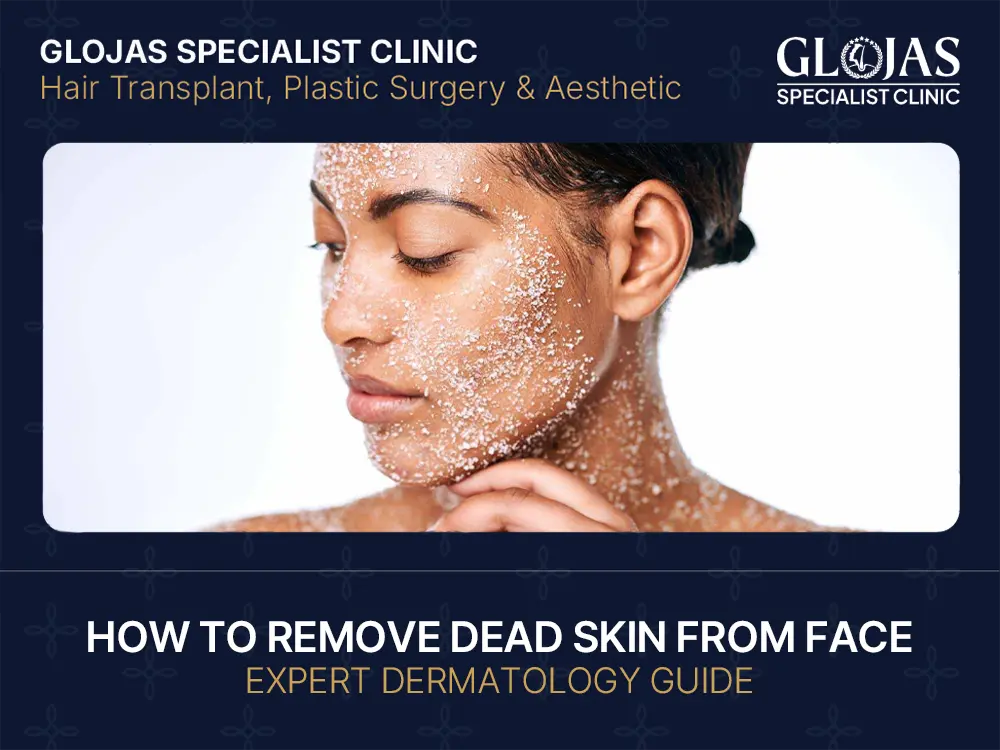
Dead skin buildup can leave your face looking dull, flaky, and aged. Without proper exfoliation, these dead skin cells clog pores, cause breakouts, and reduce the effectiveness of skincare products. This guide outlines safe and effective methods to remove dead skin from the face, whether you’re using at-home treatments or professional clinic options. 1. Understanding the Causes of Dead Skin on the Face The skin naturally renews itself every 28 to 40 days. New skin cells form in the basal layer and gradually rise to the surface, where they die and are shed. However, this process can be disrupted by external factors, leading to a buildup of dead skin that dulls the complexion. Common causes include: Dehydration and poor skin barrier function Lack of regular exfoliation Aging, which slows cell turnover Sun damage and environmental stressors Overuse of harsh products or cleansers This buildup often appears as rough texture, patchy dryness, or uneven tone, and it interferes with proper product absorption. 2. How to Safely Remove Dead Skin from the Face There are two main ways to remove dead skin: at-home exfoliation and professional treatments. Both methods serve to accelerate natural skin renewal while improving texture and tone. A. At-Home Exfoliation Methods Physical Exfoliants (Scrubs):These contain small particles such as sugar, rice powder, or jojoba beads to manually buff away surface-level dead skin. They should be used 1–2 times a week and applied gently to avoid microtears. Chemical Exfoliants (AHAs and BHAs):These use mild acids to dissolve the bonds between dead skin cells. Alpha Hydroxy Acids (AHAs): Glycolic acid and lactic acid are effective for dry and dull skin. Beta Hydroxy Acids (BHAs): Salicylic acid is suitable for oily and acne-prone skin as it penetrates deeper into the pores. Enzyme Exfoliants:Derived from natural sources like papaya or pineapple, enzymes gently break down dead skin without irritation. These are ideal for sensitive skin types. Important Tips for Home Use: Always follow exfoliation with a moisturizer Limit exfoliation to 2–3 times per week Apply sunscreen daily, as exfoliated skin is more sun-sensitive B. Clinical Treatments for Deeper Exfoliation For individuals with persistent roughness, acne scars, or pigmentation, in-clinic procedures offer controlled and more effective skin resurfacing. Microdermabrasion:A mechanical method using fine crystals or diamond tips to exfoliate the outermost skin layer. Ideal for treating dullness and fine textural concerns. Chemical Peels:These use professional-grade acids to remove multiple layers of skin depending on depth. Peels can treat pigmentation, acne scars, and aging signs. Laser Exfoliation (e.g., Pico Laser or CO2 Fractional):Removes dead cells and stimulates collagen production. These treatments offer long-term improvements in skin clarity and elasticity. Hydrafacial:Combines cleansing, exfoliation, and hydration in one treatment. It’s gentle, non-invasive, and suitable for all skin types with no downtime. 3. How to Prevent Excess Dead Skin Buildup Maintaining a proper skincare routine not only removes dead skin but also prevents buildup in the first place. Use a gentle cleanser that doesn’t strip the skin Moisturize daily to support healthy skin turnover Protect your skin from UV rays with sunscreen Maintain hydration through diet and water intake Avoid using harsh soaps or over-washing A regular exfoliation schedule, tailored to your skin type, can significantly improve overall skin texture and tone over time. Frequently Asked Questions (FAQs) – Skin Dead Removal 1. How often should I exfoliate to remove dead skin from my face?For most skin types, 2–3 times a week is sufficient. Sensitive skin may only tolerate exfoliation once per week. 2. Can I use a towel or sponge to remove dead skin?A soft washcloth can help with gentle exfoliation, especially when used with a cleanser. Avoid rough tools like loofahs, which can damage facial skin. 3. What is the best exfoliant for removing dead skin on the face?Chemical exfoliants like glycolic acid or salicylic acid are highly effective. Choose based on your skin type and concerns. 4. Is exfoliation safe for acne-prone skin?Yes, but opt for chemical exfoliants like salicylic acid. Avoid physical scrubs which can irritate inflamed skin. 5. Should I go to a clinic for dead skin removal?If you have persistent dullness, scarring, or texture issues, clinical treatments like chemical peels or Hydrafacial offer deeper, more effective results. Conclusion Removing dead skin is essential for maintaining smooth, radiant, and healthy skin. Whether you choose gentle at-home exfoliation or advanced clinical procedures, consistency and proper aftercare are key. If you’re looking for medically supervised treatments to remove dead skin from your face, GLOJAS Specialist Clinic in Kuala Lumpur offers certified dermatological solutions, including microdermabrasion, chemical peels, and laser therapy. Book a consultation today to restore your skin’s natural glow. View this post on Instagram A post shared by Glojas Specialist | Plastic Surgery, Hair Transplant, Aesthetic (@glojasaesthetic)
Widow’s Peak: Causes, Genetics, and Treatment In Malaysia
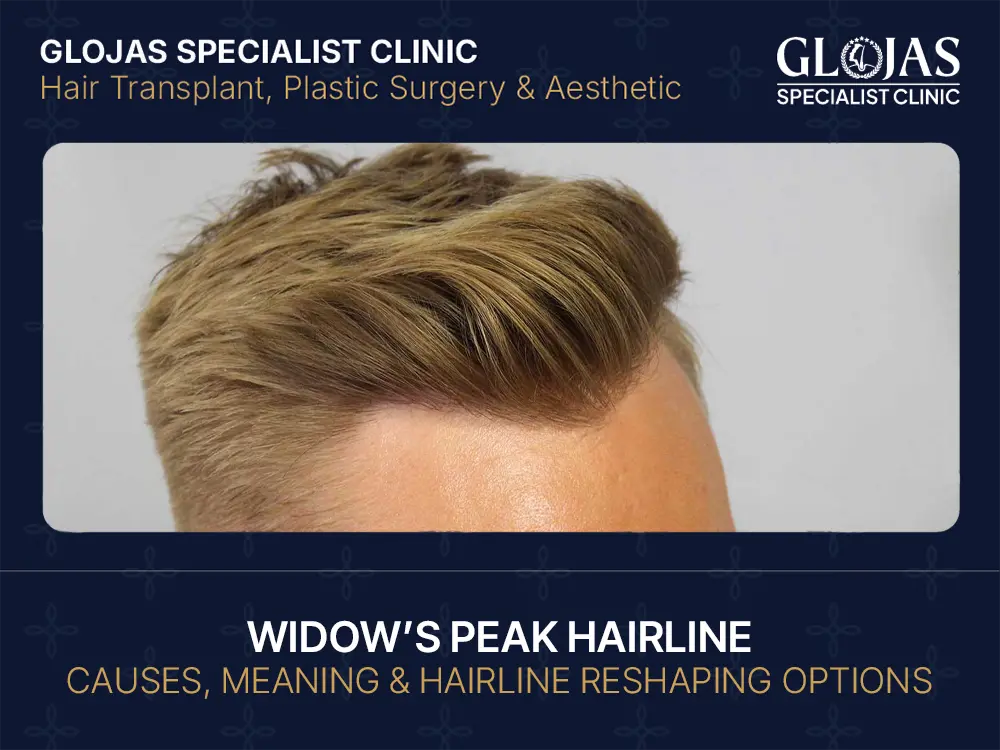
A widow’s peak is a V-shaped point in the center of the forehead hairline. It is mostly inherited and is usually harmless. Rarely, it may appear with certain medical syndromes. Knowing its causes, genetics, and cosmetic options helps people understand what is normal and when to seek medical advice. What is a Widow’s Peak? A widow’s peak is a V-shaped hairline that dips in the middle of the forehead. It is a natural variation in hair patterns. The name comes from 16th-century descriptions of hairlines resembling peaks seen in mourning attire. Key points: Sharp V-shape in the center of the forehead Often more visible in men due to hair thickness and styling Develops in childhood and usually stays the same in adulthood GLOJAS Specialist Clinic provides expert care for widow’s peak and hairline concerns. Our hair transplant surgeon offer clear, safe, and evidence-based advice. We guide patients on cosmetic options and genetic factors, ensuring professional and trustworthy care for both appearance and health. Genetics and Inheritance Widow’s peak is mainly inherited, but its genetics are complex. It is not caused by a single gene. Genetic factors: Several genes affect hairline shape and thickness Often runs in families Not linked to disease in most cases Common myths: Once thought to be a dominant trait; genetics are now known to be more complex Having a widow’s peak does not mean you have a medical problem How Common is a Widow’s Peak? About 25–30% of people worldwide have a widow’s peak Slightly more common in men than women Ethnicity does not significantly change prevalence, but forehead shape may affect appearance Clinical Significance For most people, a widow’s peak is purely cosmetic. Rarely, it may appear with certain syndromes. Possible associations: Aarskog syndrome: Rare disorder affecting facial and skeletal development Cornelia de Lange syndrome: Can include a distinct hairline and developmental delays Trichorhinophalangeal syndrome: May involve sparse hair and unusual hairline Red flags to watch for: Sudden changes in hairline in adults Patchy hair loss or rapid thinning Other unusual physical features in children If these occur, a doctor should evaluate them. How Widow’s Peak is Diagnosed? A widow’s peak is usually identified by looking at the hairline. Tests are rarely needed unless a syndrome is suspected. Assessment may include: Family history of hairline patterns Physical exam for other unusual features Patient concerns about appearance Management and Cosmetic Options for Widow’s Peak Treatment is generally not needed. Cosmetic options are available for those who want them. Options include: Hairstyles: Can hide or highlight the V-shape Hair transplant: Rarely needed to adjust the hairline Laser or skin treatments: Usually unnecessary unless there is thinning Counseling can help people who feel self-conscious about their hairline. Common Myths of Widow’s Peak Widow’s peak causes baldness: False. Baldness depends on genetics and hormones. Widow’s peak is unlucky or evil: This is a cultural myth. Inherited only from the mother: False. Both parents contribute genes. Prevention of Widow’s Peak You cannot prevent a widow’s peak because it is genetic. Focus on overall hair health: Eat a balanced diet with vitamins and protein Avoid pulling or stressing hair Keep the scalp clean Frequently Asked Questions (FAQ) Q1: Can a widow’s peak cause health problems?A1: Usually no. It is a harmless hairline variation. Rarely, it may appear with certain genetic syndromes. Q2: Will my widow’s peak change with age?A2: It usually stays the same. Hair thinning may make it appear more noticeable. Q3: Can hair treatments remove a widow’s peak?A3: Permanent removal is uncommon. Hairstyles or hair transplants can change its look. Q4: Does a widow’s peak predict baldness?A4: No. Baldness is determined by genetics and hormones, not hairline shape. Q5: How do I know if it’s linked to a syndrome?A5: Look for other unusual features. Consult a doctor if you notice multiple abnormalities. Key Takeaways A widow’s peak is a normal V-shaped hairline. It is mostly inherited and harmless. Cosmetic concerns are the main reason people seek changes. Rarely, it may be part of a genetic syndrome. It does not predict baldness or serious health problems.
Milia Removal: Causes, Safe Treatments & Prevention Tips for Clear Skin
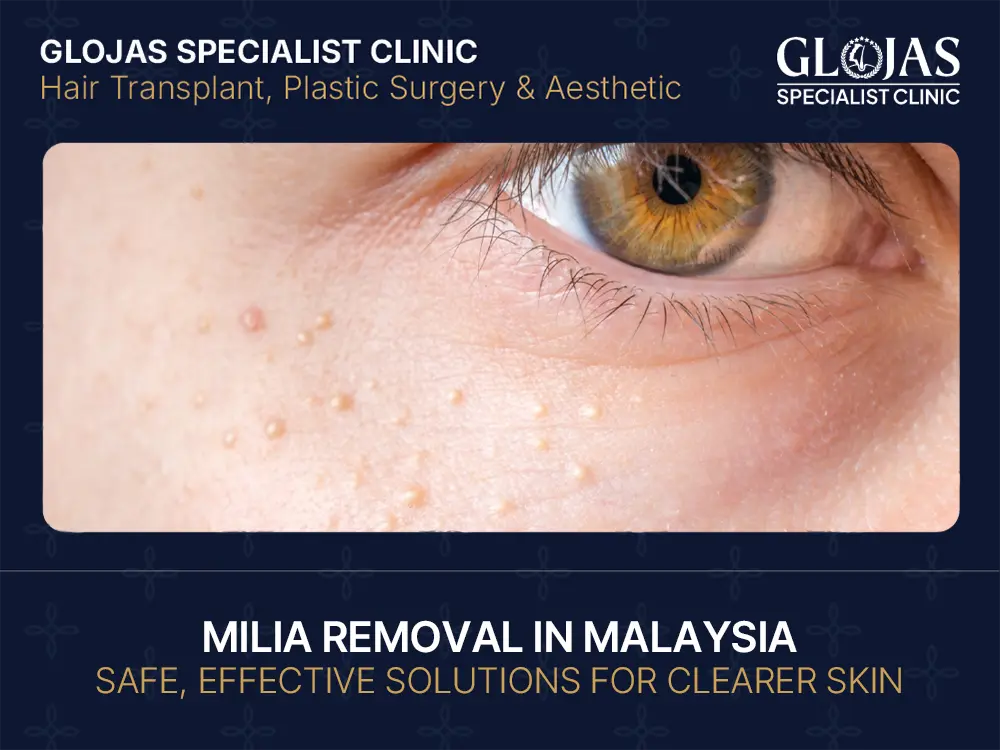
What is Milia? Milia, commonly referred to as oil seeds, are tiny white or yellowish bumps that appear under the skin, typically on the face. Though harmless, these keratin-filled cysts can be cosmetically bothersome, especially when they occur around the eyes, cheeks, or forehead. At GLOJAS Specialist Clinic Malaysia, we have specialist doctors and specialize in professional milia removal procedures using advanced technologies such as electrocautery and laser, ensuring minimal discomfort and natural-looking results. What Causes Milia? Milia form when dead skin cells become trapped beneath the skin’s surface, resulting in small, hard cysts. Unlike acne, milia are not caused by bacteria or oil production. Common causes include: Use of heavy or oil-based skincare products Excessive sun exposure Skin trauma or burns Long-term use of steroid creams Genetic predisposition Types of Milia Understanding the type of milia helps determine the most effective treatment plan: Primary Milia: Develop spontaneously, commonly in infants or adults. Secondary Milia: Occur due to skin trauma or long-term medication use. Milia en Plaque: A rare, clustered form of milia seen in adults. Multiple Eruptive Milia: Widespread milia that appear over time, often on the face, arms, and upper trunk. Professional Milia Removal Options in Malaysia While milia may resolve on their own, many patients seek professional milia removal due to aesthetic concerns. At GLOJAS, we offer safe, non-invasive options: 1. Electrocautery A fine needle tip uses heat to break the cyst, allowing safe extraction. This method is ideal for clustered milia and ensures precise targeting with minimal scarring. 2. Laser Treatment fractional co2 laser or erbium lasers can vaporize the upper layers of the skin where milia are trapped. This method is effective for recurring or deep-set milia. 3. Manual Extraction Performed using a sterile needle and extractor. Best for isolated milia but should only be done by trained professionals to avoid scarring or infection. Why Choose GLOJAS for Milia Removal? GLOJAS Specialist Clinic is an MOH-licensed, award-winning medical facility in Kuala Lumpur with over 20 years of experience in advanced dermatological procedures. Our LCP-certified doctors provide personalized treatment plans, ensuring: Quick procedures with minimal discomfort No downtime in most cases High standards of hygiene and safety Affordable milia removal packages (from RM100 per lesion) Prevention & Aftercare To prevent milia recurrence: Use non-comedogenic skincare products Avoid excessive exfoliation or harsh creams Apply sunscreen daily (SPF 30+) Stay hydrated and maintain regular skin cleansing Post-removal aftercare includes: Keeping the area clean and dry Avoiding makeup or harsh skincare for 24–48 hours Applying prescribed soothing creams if needed Schedule Your Consultation Today Concerned about persistent milia or oil seeds? Get expert advice and same-day milia removal at GLOJAS Specialist Clinic. Our team of certified dermatologists is here to help you achieve smooth, blemish-free skin. 📍 Visit our KL location or book your appointment online at glojasspecialist.com Frequently Asked Questions (FAQs) 1. Is milia removal painful?Most patients report mild discomfort during the procedure. Numbing cream is applied beforehand to minimize any pain. 2. Can milia go away on their own?Some milia, especially in newborns, resolve spontaneously. However, adult-onset milia often require extraction. 3. How much does milia removal cost in Malaysia?At GLOJAS, the procedure starts from RM100 per lesion depending on size and method used. 4. Is there any downtime after removal?Most patients resume normal activities immediately. Slight redness or scabbing may occur but resolves quickly. 5. Will the milia come back after treatment?While removal is permanent, new milia may form if underlying triggers (like skincare or sun damage) persist. Preventive skincare is key. Clear your skin with confidence. Choose GLOJAS for your milia removal in Malaysia. Sieh dir diesen Beitrag auf Instagram an Ein Beitrag geteilt von Glojas Specialist | Plastic Surgery, Hair Transplant, Aesthetic (@glojasaesthetic)
Microdermabrasion Malaysia: Safe Skin Resurfacing for Smoother Skin
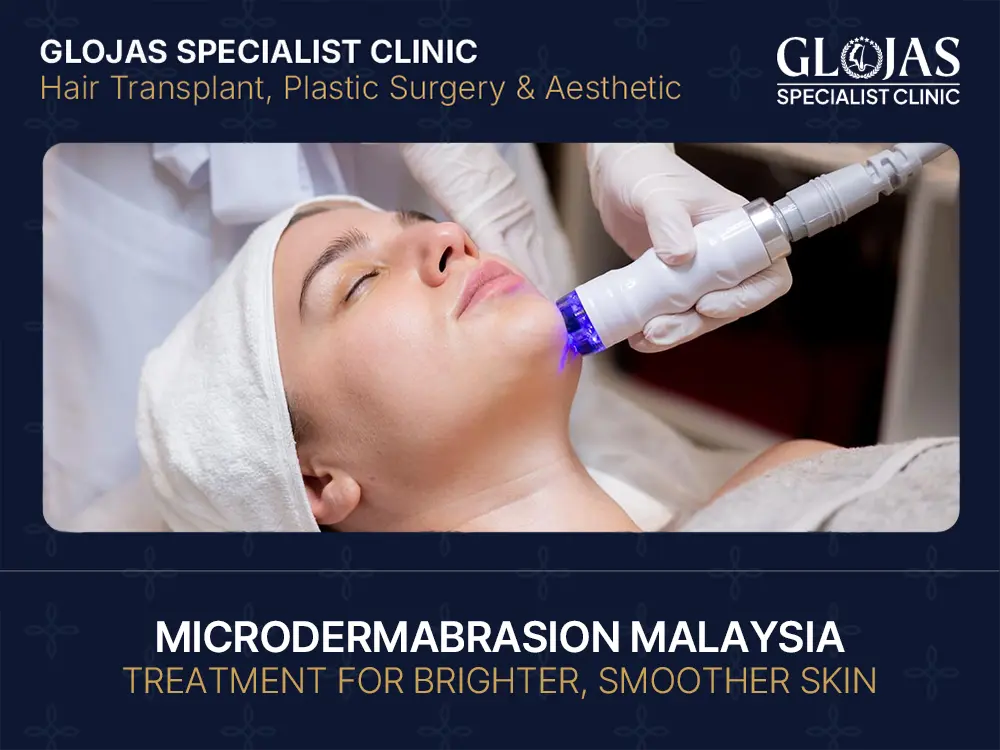
Microdermabrasion in Malaysia is a simple, non-invasive skin treatment. It gently exfoliates the outer skin layer to improve dullness, clogged pores, fine lines, pigmentation, and minor acne scars. It is safe for most skin types, requires little to no downtime, and provides smoother, brighter skin with consistent sessions under trained experts. GLOJAS Specialist Clinic provides medically supervised microdermabrasion in Malaysia, performed by trained clinicians using certified devices to ensure safe exfoliation, effective results, and consistent skin improvement supported by years of dermatological experience. What Microdermabrasion Is Microdermabrasion is a dermatology-grade exfoliating procedure. It removes the superficial layer of dead skin cells using either fine crystals or a diamond-tipped tool. This controlled resurfacing speeds up skin turnover, brightens the complexion, and improves mild texture and pigmentation concerns. It is popular in Malaysia due to its safety, comfort, and fast recovery. How Microdermabrasion Works The treatment smooths the skin using two main methods: 1. Crystal Microdermabrasion Sprays fine aluminium oxide crystals to polish and exfoliate the skin. 2. Diamond Microdermabrasion Uses a diamond-coated tip to gently resurface the skin in a controlled manner. Both methods stimulate superficial collagen activity, accelerate cell renewal, and enhance the absorption of skincare products. Benefits of Microdermabrasion People in Malaysia commonly choose microdermabrasion for: Dull or rough skin Early signs of ageing Blackheads and clogged pores Mild acne scars Uneven skin tone Surface pigmentation Maintaining results between laser or peel sessions It is gentle and suitable for individuals who prefer non-laser treatments or need zero downtime. Who Is Suitable for Microdermabrasion? Microdermabrasion works well for: All Fitzpatrick skin types Mild to moderate exfoliation needs Non-inflamed acne Individuals who cannot tolerate stronger laser treatments Patients needing safe exfoliation in Malaysia’s hot, humid climate It is not suitable for severe acne, open wounds, or active eczema. Treatment Process A standard microdermabrasion session in Malaysia takes 20–40 minutes: Gentle cleansing of the skin Exfoliation using crystal spray or a diamond tip Vacuum suction to remove debris and unclog pores Application of calming moisturiser and sunscreen The treatment is painless, with only mild scratching or tingling sensations. Recovery and Downtime Downtime is very minimal. You may experience temporary redness, tightness, or mild dryness lasting 12–24 hours. You can resume normal activities immediately. Avoid: Heavy sweating Strong sun exposure Harsh exfoliants Saunas on the same day. How Many Sessions Are Needed? Most skin concerns improve after 4–6 sessions, spaced 2–3 weeks apart. Maintenance every 4–6 weeks helps sustain results. Is Microdermabrasion Safe? Yes—when performed by trained clinicians. Malaysia’s medical standards and devices make it a safe treatment. Side effects are rare and mild, usually limited to temporary redness or sensitivity. Proper spacing prevents over-exfoliation. Microdermabrasion vs Other Treatments Treatment Depth Best For Downtime Strength Microdermabrasion Very superficial Dullness, mild pigmentation, clogged pores None–1 day Gentle Chemical Peels Superficial to medium Pigmentation, acne, fine lines 1–5 days Moderate to strong Laser Resurfacing Medium to deep Scars, wrinkles, deep pigmentation 3–7 days Strongest Microdermabrasion is the best low-downtime option for beginners and works well as part of a combined treatment plan. Pairing Microdermabrasion With Other Treatments Doctors in Malaysia often combine microdermabrasion with: Hydrafacial or Aqua Peel Chemical peels Pico laser LED light therapy Medical facials Acne treatments All combination treatments should be managed by a clinician to ensure skin safety. Expected Results Many patients notice: Brighter skin even after the first session Smoother texture Fewer clogged pores Better absorption of skincare products Slow fading of superficial pigmentation Fresher, healthier-looking skin Results for deeper issues develop gradually and are not immediate. Cost of Microdermabrasion in Malaysia Typical price per session: RM150–RM450 Costs may vary due to: Clinic reputation and expertise Type of device used Session duration Package options Combined treatments Clinics using high-quality, medical-grade equipment may charge more but often provide better outcomes. Professional vs Home Kits Home kits offer mild exfoliation only. They lack precision, proper suction, and strict hygiene standards. Clinic-based treatments are safer and more effective for visible improvements. FAQs 1. Is microdermabrasion good for acne? Yes—it helps with blackheads, clogged pores, and mild acne. It should not be used on inflamed or cystic acne. 2. How soon do results appear? Skin looks brighter and smoother immediately. Texture improves most after 3–5 sessions. 3. Is microdermabrasion painful? No. It feels like gentle scratching with light suction. 4. Does it remove pigmentation? It helps fade superficial spots like sun spots. Deeper pigmentation needs stronger treatments (e.g., lasers). 5. What should I avoid after treatment? Avoid sun exposure, scrubs, retinoids, saunas, and vigorous exercise for 24 hours. Use sunscreen. 6. How long does redness last? Redness usually resolves within 2–12 hours. Sensitive skin may take up to 24 hours. 7. Can pregnant women do it? Yes—most can, as it is non-invasive and chemical-free. However, approval from a healthcare provider is recommended. 8. Is it safe for dark skin? Yes. When done correctly, it is safe for darker skin tones with low risk of post-inflammatory darkening. 9. Does it treat deep acne scars? No. Deep or boxcar scars require treatments such as lasers, TCA CROSS, or subcision. 10. How long between sessions? Treatments should be spaced 2–3 weeks apart to allow proper healing. View this post on Instagram A post shared by Glojas Specialist | Plastic Surgery, Hair Transplant, Aesthetic (@glojasaesthetic)