
Pico Laser Malaysia: Everything You MUST Know in 2026
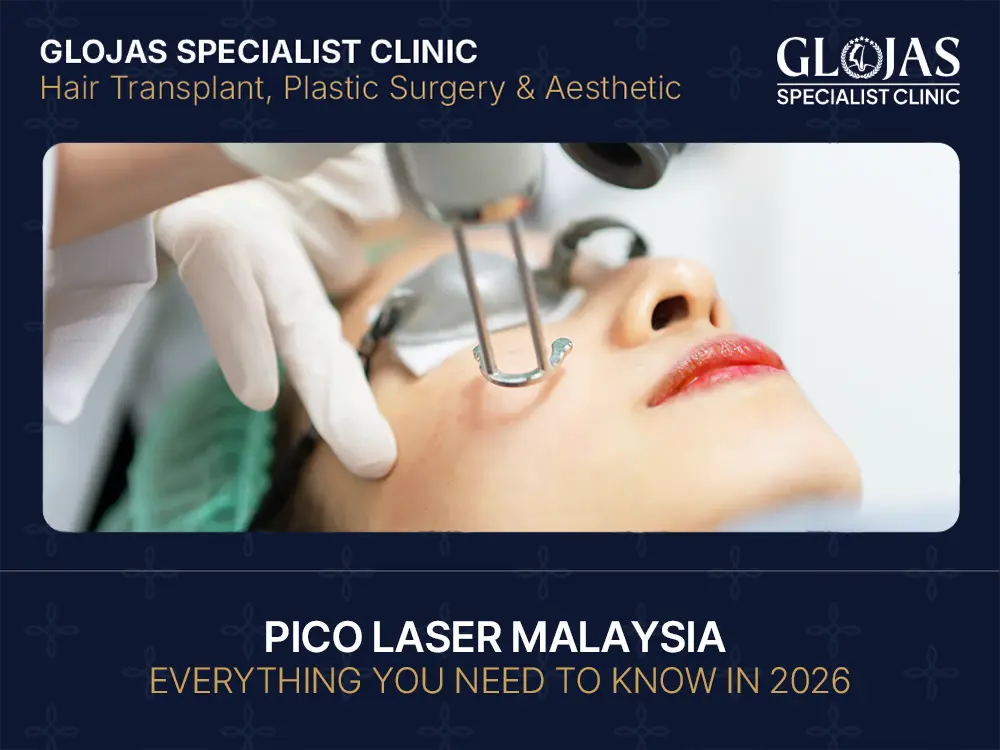
Pico laser in Malaysia is an advanced, non-ablative aesthetic treatment that uses ultra-short picosecond pulses to safely target pigmentation, acne scars, enlarged pores, tattoos, and skin rejuvenation with minimal downtime. It suits most skin types, is widely offered in aesthetic clinics, and delivers faster, more precise results than older nanosecond lasers. GLOJAS Specialist Clinic offers expert Pico Laser treatment performed by certified dermatologists and aesthetic doctors. Using FDA-approved devices, the clinic provides safe, effective solutions for pigmentation, acne scars, and skin rejuvenation, ensuring evidence-based protocols and personalized care for optimal results.” 1. What Is a Pico Laser? A Pico laser is a medical-grade device that emits energy in picoseconds (trillionths of a second). Unlike traditional nanosecond lasers, Pico technology shatters pigment into extremely fine particles using photoacoustic energy, reducing heat damage and lowering the risk of post-inflammatory hyperpigmentation—especially important for Asian skin types common in Malaysia. Clinically used settings include wavelengths such as 532 nm, 755 nm, and 1064 nm, chosen based on skin concerns and melanin depth. 2. Why Pico Laser Is Popular in Malaysia Malaysia’s humid climate, UV exposure, and higher baseline melanin levels make pigmentation one of the most common aesthetic concerns. Pico laser is preferred because it provides: Lower risk of rebound pigmentation Shorter downtime (often 0–1 day) Suitable for darker skin (Fitzpatrick III–V) Effective for multi-layer pigmentation and texture concerns Aesthetic clinics across Malaysia commonly use FDA-cleared or CE-marked Pico systems such as PicoSure, PicoWay, Discovery Pico, and Enlighten. 3. Conditions Pico Laser Treats Pico laser is a versatile platform for pigment, texture, and tattoo treatments: 3.1 Pigmentation Melasma (adjunctive treatment) Sunspots / solar lentigines Freckles Age spots PIH (post-inflammatory hyperpigmentation) 3.2 Acne & Texture Atrophic acne scars Enlarged pores Dull or uneven skin tone 3.3 Tattoo Removal Black and coloured tattoos Resistant or previously treated tattoos 3.4 Skin Rejuvenation Collagen stimulation Radiance improvement Smoothening fine lines 4. How Pico Laser Works (Medical Explanation) Pico lasers rely primarily on photoacoustic action, not heat. This reduces the risk of thermal injury. Mechanisms: Pigment Destruction:Ultra-short pulses break pigment into microscopic particles, allowing natural lymphatic clearance. Laser-Induced Optical Breakdown (LIOB):Micro-cavitation bubbles form within the epidermis, triggering collagen remodeling without damaging surrounding tissue. Selective Photothermolysis (low-heat mode):Used for stubborn pigmentation requiring controlled thermal energy. This combination allows flexible treatment modes, balancing safety and efficacy for Malaysian skin types. 5. What to Expect During the Procedure Duration: 10–20 minutes Pain level: Mild; often described as “rubber band snaps.” Numbing cream may be used. Sensation: Warmth, light prickling Downtime: Redness for a few hours; mild darkening of pigment for several days Patients typically resume normal activities immediately. 6. Treatment Protocol in Malaysia Session Frequency Pigmentation: 3–8 sessions every 2–4 weeks Acne scars / pores: 4–6 sessions Melasma: Slow, conservative settings; combination therapy often required Tattoo removal: 6–10+ sessions depending on ink type Combination Therapies Commonly Used Malaysian aesthetic clinics often pair Pico laser with: Chemical peels Medical-grade skincare Tranexamic acid (topical/oral, clinician-guided) Rejuran Healer Microneedling RF Q-Switch laser (for deeper layers) 7. Safety, Side Effects & Contraindications Common Temporary Effects Mild redness Darkening of pigment (“pepper spots”) Light flaking Less Common PIH (low risk with proper settings) Blistering (rare) Contraindications Pregnancy Active eczema/dermatitis on treatment area Recent tanning Photosensitive medications Malaysia’s diverse skin tones require clinicians to use conservative fluence and appropriate wavelengths, minimizing heat to prevent pigmentation rebound. 8. Expected Results & Timeline Visible improvement is typically seen after 1–2 sessions, with optimal results after the full protocol. Pigmentation: Lightening occurs progressively over weeks as the lymphatic system clears fragmented particles. Acne Scars & Pores: Collagen remodeling takes 6–12 weeks, with continued improvement over months. Tattoo Removal: Gradual fading; some colours (green, yellow) may need additional sessions. 9. Price Range of Pico Laser in Malaysia While pricing varies between aesthetic clinics, doctor’s credentials, and the Pico platform used, patients can generally expect: RM 350 – RM 800 per session (small areas) RM 800 – RM 1,800 per session (full face) RM 150 – RM 400 per session (tattoo spot) Higher-end FDA-cleared systems often cost more but offer more stable energy delivery and predictable outcomes. 10. Choosing the Right Pico Laser Clinic in Malaysia Look for the following indicators of quality: Treatments performed or supervised by LCP-certified (Malaysia Medical Council) medical practitioners Use of FDA/CE-approved devices Controlled, conservative settings for Asian skin Clear before-after documentation Transparent treatment plans and pricing Frequently Asked Questions 1. Is Pico laser safe for darker Malaysian skin tones? Yes. With correct wavelengths and conservative fluence, Pico lasers are safe for Fitzpatrick III–V skin types, offering lower heat and reduced PIH risk. 2. How many sessions do I need? Most patients need 3–8 sessions, depending on the concern. Melasma may require ongoing maintenance. 3. Does Pico laser hurt? Discomfort is mild and brief. Numbing cream or cooling can make the procedure very tolerable. 4. Can Pico laser treat melasma? Yes—when used gently. It is usually part of a combination protocol, not a standalone cure. 5. When will I see results? Some improvement may appear after the first session, but optimal changes develop gradually over weeks to months. 6. Is there downtime? Typically minimal. Redness or mild darkening fades within days. 7. Can Pico laser be combined with other treatments? Yes. Malaysian clinics often combine it with Rejuran, chemical peels, or topical brightening agents for enhanced results.
How to Get Glass Skin Fast In Malaysia: K-Beauty’s Best Kept Secret!
Glass skin is a skincare approach that focuses on deeply hydrated, smooth, and luminous skin with a naturally reflective finish. Achievable through targeted hydration, gentle exfoliation, and medical aesthetic treatments, it helps improve dullness, uneven texture, and fine lines. Understanding the causes, treatments, and precautions ensures safe, long-lasting results. At GLOJAS Specialist Clinic, expert dermatologists and aesthetic doctors provide personalized Glass Skin treatments. Using clinically proven skin boosters, laser therapies, and advanced hydration techniques, the clinic ensures safe, effective, and results-driven care, delivering healthy, radiant, and smooth skin while maintaining the highest medical standards in Malaysia. What is Glass Skin? Glass skin describes a clear, dewy, and luminous complexion that resembles smooth, reflective glass. Rooted in Korean skincare principles, it prioritizes hydration, gentle exfoliation, and skin barrier repair over makeup or temporary fixes. Medically, it reflects optimal dermal hydration, collagen support, and minimal surface irregularities. Causes of Dull or Uneven Skin Several factors can make achieving glass skin challenging: Dehydration: Lack of water intake or moisture retention in the skin. Sun damage: UV exposure can break down collagen and cause uneven texture. Environmental stressors: Pollution and toxins trigger oxidative stress, leading to dullness. Aging and hormonal changes: Reduced collagen and natural oils affect smoothness. Improper skincare: Harsh cleansers, over-exfoliation, or insufficient moisturization can compromise skin health. Key Components of a Glass Skin Routine 1. Deep HydrationHydration is the cornerstone of glass skin. Ingredients like hyaluronic acid, glycerin, and ceramides boost moisture retention, plumping the skin and improving its reflective quality. 2. Gentle ExfoliationUsing AHA, BHA, or enzymatic peels under professional supervision removes dead skin cells, smoothens texture, and evens skin tone without causing irritation. 3. Skin Barrier RepairSupporting the epidermal barrier with niacinamide, peptides, and ceramides protects against sensitivity, locks in hydration, and enhances resilience. 4. Targeted Professional TreatmentsMedical treatments accelerate visible results safely: Skin booster injections: Enhance hydration and elasticity. Laser therapy: Improves tone, clarity, and minimizes fine lines. Microneedling with PRP or serums: Stimulates collagen production, improving texture and radiance. Chemical peels: Address pigmentation and surface roughness under professional guidance. Benefits of Glass Skin Hydrated, smooth, and plump appearance. Even skin tone and natural luminosity. Reduced appearance of fine lines and superficial scars. Strengthened skin barrier, reducing sensitivity and breakouts. Boosted confidence and overall perception of skin health. Ingredients to Look For Choosing the right ingredients is key to achieving genuine glass skin. Dermatologists and estheticians consistently highlight the following actives for boosting hydration, smoothing texture, and improving light-reflecting clarity. 1. Hyaluronic Acid (HA) A humectant that attracts and holds up to 1,000 times its weight in water.Why it helps: Deep hydration plumps the skin, minimizing fine lines and helping light bounce off the surface evenly. 2. Niacinamide (Vitamin B3) A barrier-strengthening antioxidant suitable for all skin types.Benefits: Reduces redness and blotchiness Regulates oil production Brightens uneven tone 3. Vitamin C (L-Ascorbic Acid or Derivatives) A dermatologist-backed antioxidant for brightening.Benefits: Fades dark spots Boosts collagen Enhances luminosity 4. AHA/BHA Exfoliants (Glycolic, Lactic, Salicylic Acid) Chemical exfoliants that dissolve dead skin cells for a smoother texture.Why it helps: A refined, even surface is essential for the “glass-like” reflective look. 5. Ceramides Lipids that support your skin barrier.Benefits: Prevent moisture loss Reduce irritation Strengthen long-term skin health 6. Peptides Amino-acid chains that help stimulate collagen.Why it matters: Firmer, more elastic skin reflects light better. 7. Snail Mucin A popular K-beauty ingredient known for its hydrating and healing properties.Benefits: Boosts hydration Promotes bounce Reduces the appearance of dark spots and scars Glass Skin Routine for Different Skin Types A true expert-backed routine adapts to skin type. Customization is crucial because “one-size-fits-all” skincare can actually worsen dullness or irritation. For Oily or Combination Skin Goals: Control excess sebum while keeping hydration high.Recommended Approach: Gel-based cleansers to avoid pore congestion Niacinamide serums to balance oil Lightweight gel moisturizers (not heavy creams) BHA (salicylic acid) for unclogging pores Water-based sunscreen for a non-greasy finish Pro Tip: Over-mattifying can make the skin look flat. Balance is key. For Dry Skin Goals: Restore moisture and strengthen the barrier.Recommended Approach: Creamy, non-stripping cleanser Hyaluronic acid + ceramides layered for deep hydration Rich moisturizers with occlusives (shea butter, squalane) Lactic acid 1–2× weekly for gentle exfoliation Dewy, moisturizing SPF to maintain glow For Sensitive Skin Goals: Minimize irritation while improving luminosity.Recommended Approach: Fragrance-free, low-pH cleanser Aloe, cica, ceramides for calming and repairing Avoid strong acids; choose PHA if exfoliation is needed Introduce actives slowly (e.g., niacinamide ≤ 5%) Mineral sunscreen for reduced irritation risk For Acne-Prone Skin Goals: Reduce breakouts without stripping moisture.Recommended Approach: BHA cleanser or toner Niacinamide + zinc for oil control Lightweight non-comedogenic moisturizers Retinoids to prevent clogged pores and fade acne marks Non-greasy sunscreen every morning Risks and Considerations While glass skin is generally safe, care is essential: Over-exfoliation can cause redness or irritation. Allergic reactions may occur with certain skincare ingredients. Medical treatments should be performed by certified professionals. Consistent sun protection is critical; UV exposure can reverse improvements. How to Achieve Glass Skin: Step-by-Step Consultation: Evaluate skin type, hydration, and concerns with a licensed specialist. Customized Routine: Tailored skincare focusing on hydration, barrier repair, and gentle exfoliation. Professional Treatments: Optional procedures for faster, enhanced results under expert supervision. Ongoing Maintenance: Regular hydration, sunscreen, and periodic professional care sustain results. Common Mistakes to Avoid Even with great products, certain habits can prevent the glass skin effect. Experts often warn against these pitfalls: 1. Over-Exfoliating Too many acids or scrubs disrupt the barrier, leading to redness, peeling, and dullness — the opposite of glass skin.Recommended: Limit strong exfoliation to 2–3× a week. 2. Layering Incompatible Ingredients Mixing vitamin C with retinoids, or using multiple acids at once, may cause irritation.Tip: Introduce one active at a time and build tolerance. 3. Skipping Sunscreen UV exposure creates pigmentation, texture issues, and uneven tone — all enemies of glass skin.Use: Broad-spectrum SPF 30+ daily. 4. Ignoring Your Skin Barrier If your skin feels tight, flaky, or burning, your barrier is compromised.Fix: Shift focus to ceramides, peptides,
Salmon DNA Injection Malaysia: Rejuvenate Skin, Reduce Fine Lines & Aging
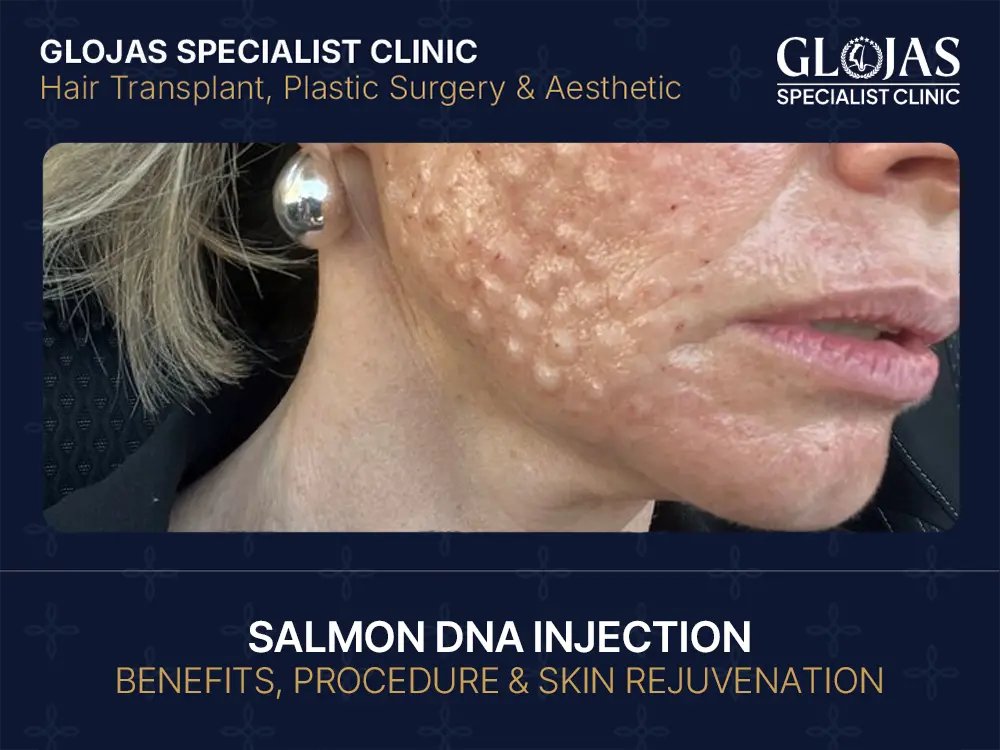
Salmon DNA injection in Malaysia is a regenerative skin treatment that stimulates collagen and elastin production using purified polynucleotides. Clinically proven to improve elasticity, hydration, and skin texture, it targets fine lines, early aging, acne scars, and dullness. Safe, minimally invasive, and suitable for preventive or corrective rejuvenation under professional supervision. At GLOJAS Specialist Clinic, board-certified dermatologists and aesthetic experts provide personalized salmon DNA injection treatments. Using evidence-based protocols, the clinic enhances collagen production, improves skin elasticity, and reduces fine lines while prioritizing clinical safety and patient comfort for effective, long-lasting skin rejuvenation. What is Salmon DNA Injection? Salmon DNA injection, also known as polynucleotide (PN) skin booster therapy, is a cutting-edge aesthetic treatment that delivers purified salmon DNA fragments into the dermis. These polynucleotides act as scaffolds, stimulating fibroblasts to produce collagen and elastin, restoring structural support and improving skin resilience. Unlike dermal fillers or lasers, this treatment works from within the skin, promoting natural regeneration rather than temporary volume or superficial resurfacing. How Salmon DNA Injection Works The therapy targets cellular repair and regeneration: Collagen & Elastin Stimulation – Polynucleotides activate fibroblasts, strengthening the skin’s framework and reducing sagging. Cellular Repair – Repairs micro-damage from sun exposure, inflammation, and acne scarring. Anti-inflammatory Effect – Polynucleotides calm irritated skin and enhance recovery after other treatments. Hydration & Barrier Function – Improves moisture retention and reinforces the skin’s natural barrier for long-term resilience. This dual action of repair and rejuvenation makes salmon DNA injection ideal for achieving firmer, radiant, and healthier skin over time. Key Benefits of Salmon DNA Injection Salmon DNA injection offers multiple aesthetic and functional benefits: Improves Skin Elasticity & Firmness – Restores supportive dermal structures, reducing sagging in face, neck, hands, and décolletage. Reduces Fine Lines & Wrinkles – Gradual smoothing of early lines for a youthful appearance. Enhances Hydration & Radiance – Increases skin moisture retention, leaving a plump, glowing complexion. Refines Texture & Minimizes Pores – Strengthens the skin and reduces roughness or enlarged pores. Repairs Acne & Sun Damage – Supports regeneration of damaged skin and calms inflammation. Safe & Minimally Invasive – Quick procedure with little downtime and minimal discomfort. Long-Term Rejuvenation – Regular treatments maintain or improve collagen and elastin levels over time. Who is Suitable for Salmon DNA Injection? This treatment is suitable for a wide range of individuals seeking preventive or corrective skin rejuvenation: Fine lines and early wrinkles Mild sagging or loss of firmness Dull, dehydrated, or uneven skin Acne scars or enlarged pores Preventive anti-aging for younger patients (20s–30s) Sensitive or reactive skin requiring gentle regenerative therapy A dermatologist assessment is recommended to confirm suitability and create a personalized plan. Procedure Overview Salmon DNA injections are performed by board-certified dermatologists or trained aesthetic specialists. Preparation – Skin is cleansed; topical numbing cream applied if necessary. Injection Technique – Microinjections or cannulas deliver salmon DNA into the dermis, targeting areas such as face, neck, hands, and décolletage. Duration – Sessions typically last 20–45 minutes. Treatment Plan – Usually 3–5 sessions spaced 2–4 weeks apart; maintenance every 6–12 months. Combination Therapy – Can be combined safely with hyaluronic acid, PRP, Rejuran Healer, or mesotherapy for enhanced results. Immediate Post-Treatment: Mild redness, swelling, or tiny bumps may appear but generally resolve within 24–48 hours. LED or cooling therapy can reduce discomfort. Salmon DNA Injection vs Other Skin Boosters Treatment Mechanism Primary Benefit Key Difference Salmon DNA (PN) Polynucleotides stimulate fibroblasts Regeneration, firmness, hydration, repair Works at cellular level, anti-inflammatory, subtle natural results Hyaluronic Acid (HA) Hydration and plumping Immediate volume and moisture Surface effect, does not repair or regenerate Platelet-Rich Plasma (PRP) Growth factors from own blood Collagen stimulation, healing Biologic variability, slower results Dermal Fillers Synthetic gel volume Instant wrinkle correction Adds volume, no regenerative effect Causes & Risk Factors of Skin Aging Skin aging occurs due to both intrinsic and extrinsic factors: Intrinsic aging – Collagen and elastin breakdown over time. Sun exposure – UV rays accelerate dermal damage. Lifestyle factors – Smoking, poor diet, stress impair skin regeneration. Environmental pollutants – Free radicals degrade collagen and elastin. Hormonal changes – Menopause or declining hormones reduce skin resilience. Salmon DNA injection addresses these factors at a cellular level, supporting long-term skin health. Aftercare & Recovery Avoid harsh skincare or exfoliants for 3–5 days Limit direct sun exposure; SPF 30+ recommended Mild swelling or redness resolves within 24–48 hours Resume normal activities immediately; avoid strenuous exercise briefly Expected Results Timeline 2–4 Weeks – Improved hydration, early softening of fine lines 6–8 Weeks – Firmer, more elastic skin, radiance visible Long-term – Maintained collagen and elastin with repeated sessions, subtle natural rejuvenation Why Patients Trust GLOJAS Specialist Clinic Board-Certified Dermatologists – Expertise in regenerative aesthetics Evidence-Based Protocols – Personalized treatment plans with safe, clinically approved PN solutions Patient-Centered Care – Focus on comfort, safety, and natural results Proven Outcomes – Thousands of patients with firmer, brighter, healthier skin Convenient Locations – Kuala Lumpur, Malaysia Frequently Asked Questions (FAQs) 1. What is salmon DNA injection made of?Purified polynucleotides from salmon DNA that stimulate fibroblast activity, collagen and elastin production, and skin repair. 2. How long does it take to see results?Early improvements in hydration and texture appear in 2–4 weeks. Full benefits, including elasticity and radiance, are usually visible in 6–8 weeks. 3. Is it safe for sensitive skin?Yes. Its anti-inflammatory properties make it suitable for most skin types. A dermatologist assessment is recommended for highly sensitive or allergy-prone skin. 4. How long do results last?Results generally last 6–12 months. Maintenance treatments extend benefits. 5. Is the procedure painful?Discomfort is minimal. Topical numbing cream ensures a comfortable experience. 6. Can it be combined with other treatments?Yes. Safe combinations include hyaluronic acid, PRP, mesotherapy, and laser treatments. 7. What are the side effects?Mild redness, swelling, bruising, or tenderness, typically resolving in 24–48 hours. Rare allergic reactions may occur. Conclusion Salmon DNA injection in Malaysia is a safe, minimally invasive, and scientifically proven method to rejuvenate the skin. By stimulating collagen, elastin,
Cystic Acne: Causes, Symptoms & Expert-Approved Treatments
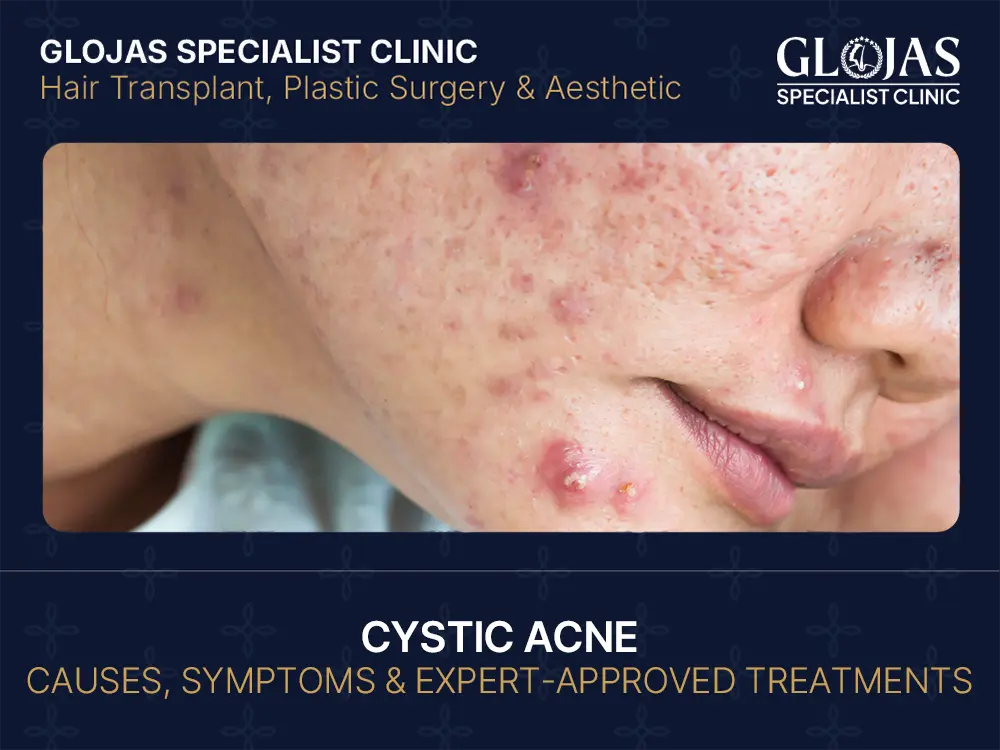
Cystic acne is a severe form of inflammatory acne that develops when pores become deeply clogged with oil, dead skin, and bacteria, forming painful cysts. It can appear on the face, back, chest, and shoulders, often leaving scars. Early professional care with topical, oral, and in-clinic treatments prevents long-term skin damage. At GLOJAS Specialist Clinic, board-certified dermatologists and aesthetic specialists provide expert cystic acne care. Using evidence-based treatments—including topical retinoids, oral medications, and professional procedures—the clinic delivers safe, personalized solutions that reduce breakouts, prevent scarring, and restore smoother, healthier skin for long-lasting results. What Is Cystic Acne? Cystic acne is a severe acne type where pores become blocked with oil, dead skin, and bacteria, causing deep, inflamed cysts beneath the skin. These lesions can be tender, swollen, and may persist for weeks or months. If left untreated, cysts can leave lasting scars, pits, or dark spots. Key Features: Painful, tender, or itchy bumps Can grow as large as a quarter Often hidden beneath the skin without a visible head May rupture, causing additional breakouts Commonly appears on the face, back, chest, shoulders, neck, arms, and buttocks Prevalence: Cystic acne affects approximately 15–20% of adolescents and young adults with severe acne, and men are more likely to develop deeper, inflammatory lesions than women. (American Academy of Dermatology – Cystic Acne Overview) What Does Cystic Acne Look Like? Cystic acne presents as large, red, and inflamed bumps that are sensitive to touch. Occasionally, a white or yellow head may appear, though many lesions remain under the skin. Healing cysts often leave scars such as dark spots, pits, or uneven texture. What Causes Cystic Acne? Cystic acne occurs when pores become deeply clogged, leading to inflammation. Risk factors include: Hormonal Changes: Puberty, menstrual cycles, pregnancy, and menopause can increase oil production. Genetics: A family history of severe acne increases susceptibility. Medications: Steroids, lithium, and some birth control pills may exacerbate acne. Cosmetics: Heavy, pore-clogging makeup and skincare products can contribute. Humidity & Sweat: Hot, humid environments may block pores and trigger cysts. Stress: Elevated cortisol levels can increase oil production and worsen inflammation. Diet: High-glycemic foods, sugar, and sometimes dairy may influence breakouts. Oily Environments: Exposure to airborne oils (e.g., in kitchens) can increase risk. Important: Cystic acne is not caused by poor hygiene, chocolate, spicy foods, or sexual activity. Over-washing or scrubbing can irritate the skin and worsen acne. Who Is at Risk? Cystic acne most often affects teenagers and young adults, especially those with a family history of severe acne. Men typically experience more severe cases, while women may develop cysts on the lower face due to hormonal fluctuations. How to Support Your Skin at Home While professional care is essential, these steps can help reduce flare-ups: Avoid popping cysts to prevent infection and scarring Apply warm compresses to reduce pain and swelling Follow a gentle skincare routine with mild cleansers Keep hair and hands away from affected areas Use oil-free, non-comedogenic skincare and makeup Wear broad-spectrum sunscreen daily Manage stress, maintain a balanced diet, sleep well, and exercise Monitor dietary triggers, such as high-sugar foods Why Professional Treatment Matters Cystic acne rarely responds fully to over-the-counter products. Without medical care, it can lead to deep scarring, dark spots, and emotional distress. Early intervention with a dermatologist minimizes breakouts, prevents long-term damage, and improves both skin health and self-confidence. How Is Cystic Acne Treated? Topical Acne Treatments Retinoids (adapalene, tretinoin) unclog pores Antibiotics, benzoyl peroxide, azelaic acid, and salicylic acid reduce bacteria and inflammation Over-the-counter products may worsen severe acne without guidance Oral Medications Antibiotics reduce inflammation and bacteria internally Hormonal treatments (birth control pills, spironolactone) regulate acne-triggering hormones Isotretinoin (Accutane) is highly effective but requires strict medical supervision In-Clinic Procedures Cortisone injections rapidly reduce swelling and discomfort Chemical peels exfoliate and unclog pores Photodynamic therapy targets excess oil and bacteria Cyst drainage may be carefully performed to avoid scarring Treating Acne Scars Dermabrasion smooths the skin surface Laser resurfacing removes damaged skin and promotes new cell growth Radiofrequency resurfacing boosts collagen production for firmer, smoother skin Frequently Asked Questions (FAQs) 1. Can cystic acne go away on its own?Mild cysts may subside, but severe cases often require treatment to prevent scarring. 2. Does cystic acne mean my skin is dirty?No. It’s caused by hormones, genetics, and internal factors—not poor hygiene. 3. Is it safe to pop cystic pimples?Never pop them; doing so increases infection risk and worsens scarring. 4. How is cystic acne different from nodular acne?Cystic acne contains fluid or pus, while nodular acne is solid. Both can cause deep scars if untreated. Disclaimer: This article is for informational purposes only and does not substitute professional medical advice. Always consult a licensed healthcare provider for personalized treatment options.
Get Fair Skin Fast: 10 Natural Hacks That Really Work!
Achieving fair skin involves consistent skincare, sun protection, and professional treatments. Genetics, pigmentation, and lifestyle influence skin tone. Evidence-based approaches—such as topical brightening agents, chemical peels, and laser therapy—can safely improve clarity. Understanding causes, prevention, and treatment helps maintain a healthy, even-toned complexion over time. GLOJAS Specialist Clinic provides expert care for achieving fair, radiant skin, led by board-certified dermatologists and aesthetic specialists. Using clinically proven treatments like topical brightening agents, chemical peels, and laser therapy, the clinic ensures safe, effective, and personalized solutions that improve skin tone, texture, and overall complexion. What Is Fair Skin? Fair skin generally refers to a lighter, more even complexion with minimal pigmentation irregularities. Genetics largely determine natural skin tone, but environmental factors, sun exposure, and overall skin health can influence brightness. Achieving fairer skin involves reducing hyperpigmentation, improving hydration, and promoting even melanin distribution for a healthy glow. How to Recognize Uneven or Dull Skin Signs of dull or uneven skin include: Dark spots or hyperpigmentation Uneven, patchy skin tone Dull or tired-looking complexion Sun-induced freckles or age spots Rough or dehydrated texture These signs often result from accumulated sun damage, inflammation, or lifestyle factors that impact skin health. Why Skin Becomes Dark or Uneven Several factors can contribute to pigmentation changes or dullness: Sun Exposure: UVA and UVB rays trigger melanin, leading to dark spots Genetics: Natural melanin levels set baseline skin tone Inflammation or Acne: Post-inflammatory pigmentation can darken affected areas Hormonal Changes: Pregnancy, thyroid conditions, or contraceptive use can influence pigmentation Lifestyle Factors: Smoking, poor diet, and lack of sleep contribute to dullness Environmental Damage: Pollution and oxidative stress accelerate pigmentation and unevenness Understanding these factors helps guide safe and effective skin brightening strategies. How Dermatologists Assess Your Skin Professional evaluation ensures the safest and most effective approach: Medical History: Review previous skin conditions, sun exposure, and lifestyle habits Skin Analysis: Examine pigmentation, texture, and sun damage Patch Testing: Identify sensitivities to topical brightening agents Imaging Tools: Some clinics use spectrophotometry or dermoscopy to map pigmentation accurately A personalized evaluation allows dermatologists to select the best treatment plan. 6 Safe and Effective Ways to Get Fair Skin and Brighten Your Skin 1. Topical Treatments Vitamin C Serums: Brighten skin and support collagen production Niacinamide: Helps reduce pigmentation and improve texture Hydroquinone (medical supervision): Targets melanin to lighten dark spots 2. Chemical Peels Glycolic, lactic, or mandelic acid peels remove dead skin cells and reduce pigmentation Multiple sessions are usually required for optimal results 3. Laser and Light-Based Therapy IPL (Intense Pulsed Light) or Q-switched lasers target melanin for a more even skin tone Fractional laser resurfacing improves overall radiance and texture 4. Microneedling with Brightening Serums Enhances absorption of topical brightening agents Stimulates collagen production for smoother, more even skin 5. Daily Skincare & Sun Protection Broad-spectrum sunscreen SPF 30+ daily Gentle exfoliation to remove dull surface cells Moisturizers with hydrating and brightening ingredients 6. Lifestyle Measures Adequate sleep, hydration, and a diet rich in antioxidants Avoid smoking and excessive alcohol Limit sun exposure and wear protective clothing Possible Side Effects of Skin Brightening Treatments Mild skin irritation or redness from peels or strong topical agents Increased sensitivity to sun after treatments Rare allergic reactions to brightening products Temporary pigmentation changes following laser therapy Following professional guidance and proper aftercare minimizes these risks. 5 Tips How to Maintain Fair Skin Apply broad-spectrum sunscreen daily Avoid prolonged sun exposure, especially during peak hours Maintain a gentle cleansing and exfoliation routine Consume a healthy diet rich in vitamins C, E, and antioxidants Avoid harsh bleaching products without medical supervision When to Consult a Dermatologist Seek professional advice if: Uneven skin tone persists despite home care New dark spots appear or existing spots change in size or color Over-the-counter brightening products cause irritation You want safe, effective professional procedures for pigmentation improvement Frequently Asked Questions About Fair Skin 1. Can fairer skin be achieved naturally?Yes. Consistent sun protection, gentle exfoliation, hydration, and a balanced diet can brighten and even out skin tone naturally. 2. Are skin brightening creams safe?Over-the-counter creams containing vitamin C or niacinamide are generally safe. Stronger agents, like hydroquinone, should only be used under professional supervision. 3. How long before I see results?Improvements usually appear within 4–8 weeks of consistent care. Deeper pigmentation may take longer. 4. Do laser treatments permanently lighten skin?Laser treatments can offer long-lasting results, but ongoing sun protection and maintenance are essential to prevent recurrence. 5. Can fair skin treatments cause side effects?Mild redness, irritation, or sensitivity may occur, but severe side effects are rare under professional supervision. 6. Are natural remedies effective for fair skin?Remedies like aloe vera or turmeric may provide slight brightening but are not as effective as clinically proven treatments. 7. How can I maintain fair skin long-term?Sun protection, consistent skincare, a healthy lifestyle, and periodic dermatologist check-ups help preserve an even, radiant complexion. Disclaimer: This article is for informational purposes only and does not substitute professional medical advice. Always consult a licensed healthcare provider for personalized treatment options.
Pockmarks: Causes, Symptoms, Effective Treatments & Prevention
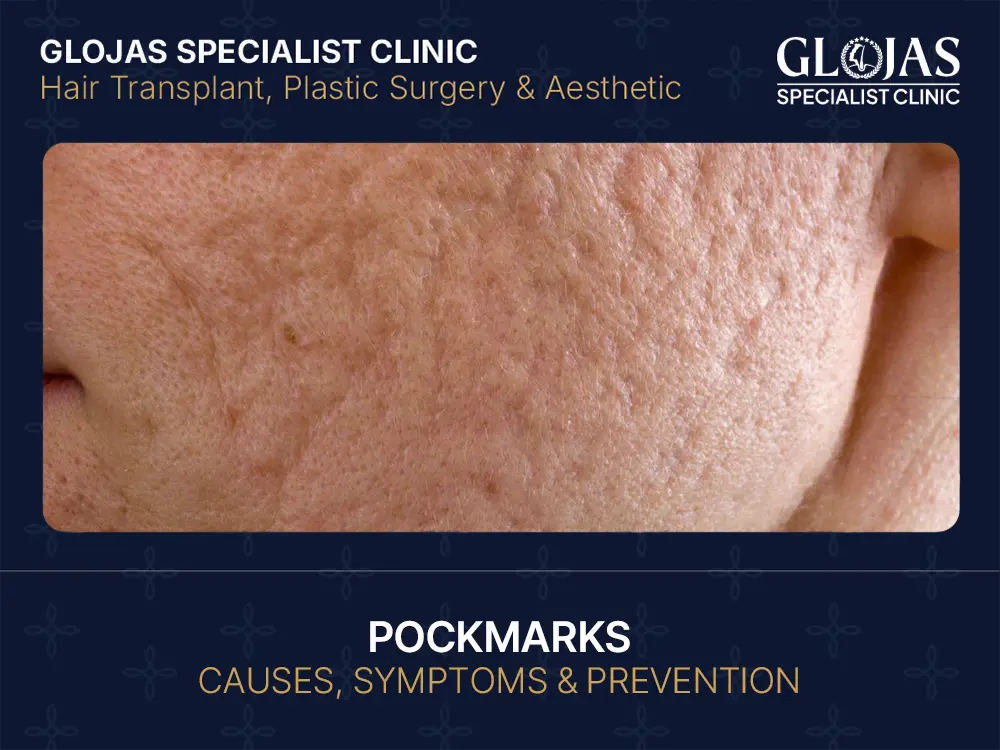
Pockmarks are deep skin indentations often caused by severe acne, chickenpox, or past injuries, and many people feel self-conscious because of them. Professional treatments like laser therapy, microneedling, and chemical peels can improve skin texture. Understanding their causes and prevention offers hope for healthier skin and long-term results. GLOJAS Specialist Clinic offers expert pockmarks treatment led by board-certified dermatologists and plastic surgeons. Using clinically proven procedures such as laser therapy, microneedling, and chemical peels, the clinic delivers safe, effective, and personalized care to improve skin texture and enhance patient confidence. What Are Pockmarks? Pockmarks are permanent indentations or depressed scars that form on the skin when the underlying tissue is damaged. They often result from severe acne, chickenpox, or other skin infections. Unlike surface-level scars, pockmarks affect the dermis, leading to uneven texture. They are most noticeable on the face—especially the cheeks, forehead, and jawline—and can appear in different forms, including boxcar, icepick, or rolling scars. Symptoms & Signs Of How Pockmarks Look Pockmarks are typically visible as: Small to deep depressions in the skin Rough or uneven skin texture Redness or darker pigmentation around scars Irregular, crater-like patterns Residual marks from previous inflammation or acne Why Pockmarks Happen Pockmarks occur when the skin’s natural healing is disrupted, leading to collagen loss. Common causes include: Severe acne: Especially cystic acne that damages deeper layers of skin Chickenpox or viral infections: Can leave lasting scars Skin injuries or burns: Trauma that affects dermal tissue Inflammation or poorly treated wounds: May interfere with normal healing Risk Factors: Family history of scarring or poor healing Delayed or inadequate acne treatment Picking, squeezing, or scratching skin lesions How Doctors Check Pockmarks A dermatologist can identify pockmarks through a visual assessment and targeted evaluation: Medical history: Past acne, infections, or trauma Skin mapping: Assess scar type, distribution, and severity Photographic documentation: Track changes over time Dermoscopic examination: Examine scar depth and tissue structure Effective Treatments for Pockmarks Although pockmarks are permanent, their appearance can be improved with professional treatments: 1. Laser Treatments Fractional CO2 Laser: Smoothens skin surface and promotes collagen growth Erbium:YAG Laser: Targets superficial and moderate scars effectively 2. Microneedling / Collagen Induction Therapy Stimulates collagen production Often combined with PRP (Platelet-Rich Plasma) for enhanced results 3. Chemical Peels Medium or deep peels can lessen scar depth and pigmentation Multiple sessions may be required 4. Dermal Fillers Temporary solution for deeper scars Hyaluronic acid fillers help restore volume and smooth contours 5. Subcision Minimally invasive procedure that releases fibrotic scar tissue Frequently combined with microneedling for better results In a study of 40 patients with “rolling” acne scars, subcision produced roughly a 50% improvement in scar appearance, and about 90% of patients said their skin looked better after treatment. (PubMed) 6. Surgical Options Punch excision or grafting may be needed for severe icepick scars Reserved for scars resistant to non-surgical treatments Choosing the Right Treatment:Treatment depends on scar type, depth, skin type, and patient goals. Dermatologist consultation is essential for personalized care. Possible Risks and Side Effects Temporary redness, swelling, or mild discomfort Short-term pigmentation changes Infection risk if aftercare is neglected Rare scarring from aggressive procedures How to Prevent Pockmarks Early and consistent acne management with dermatological guidance Avoid squeezing or picking pimples Use sunscreen to prevent post-inflammatory pigmentation Follow a gentle daily skincare routine When You Should See a Doctor Seek professional advice if: Pockmarks are extensive or affect self-confidence Acne continues to cause new scars Home treatments are ineffective Sudden changes occur in scar appearance or skin texture Frequently Asked Questions (FAQs) 1. Can pockmarks be completely removed?Pockmarks cannot be fully erased, but treatments like laser therapy and microneedling can significantly improve their appearance and smooth skin texture. 2. Which treatment works best for deep pockmarks?Combination therapy—such as fractional laser paired with microneedling or subcision—is often most effective for severe scars. 3. Are these treatments safe for all skin types?Yes, but treatments should be tailored to skin type to reduce risks of pigmentation changes. 4. How many sessions are usually needed?Most patients see visible improvement after 3–6 sessions, depending on the scar severity and type of treatment. 5. Can these scars return after treatment?Once treated successfully, it is generally do not return. However, new scars can form if acne or skin trauma continues. 6. Is downtime required after procedures?Downtime is usually minimal to moderate, ranging from 1–7 days, depending on the procedure. 7. Can at-home remedies reduce these type of scars?Home treatments may soften minor scars but are ineffective for deeper scars. Professional care is recommended for lasting improvement.
Hormonal Acne Treatment in Malaysia: Causes, Symptoms & Expert Solutions
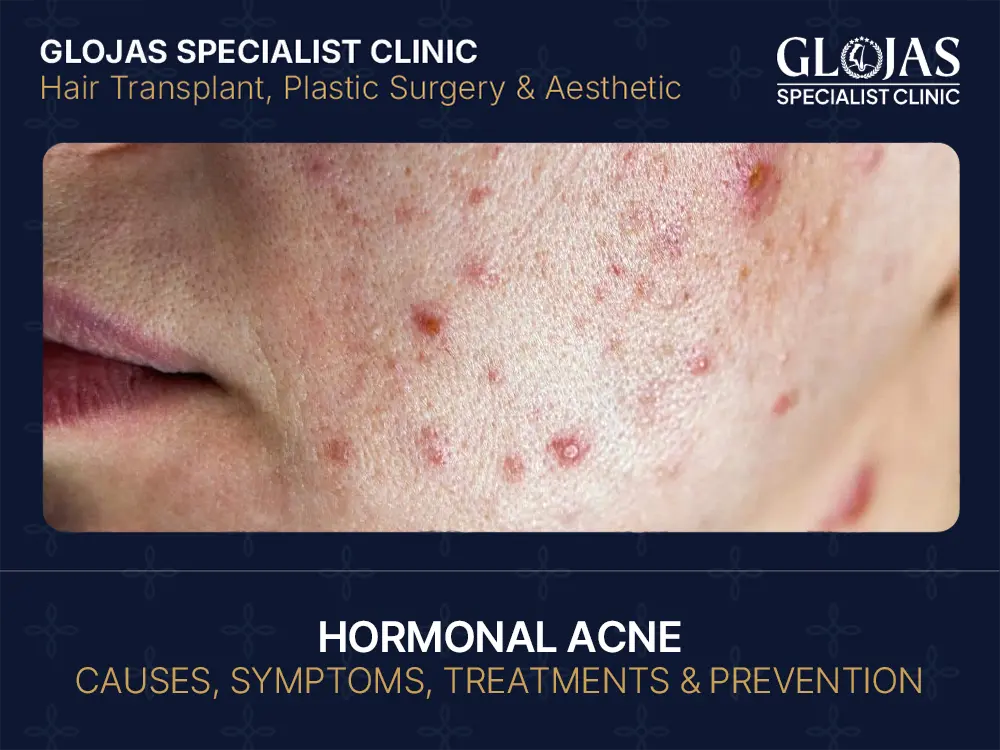
Hormonal acne is common in Malaysia and often caused by hormonal changes, menstrual cycles, or PCOS. Breakouts on the jawline and chin affect confidence. Treatments include prescription topicals, oral medications, and in-clinic procedures. Expert guidance ensures safe, personalized care for clearer, healthier skin with lasting results. What Is Hormonal Acne? Hormonal acne occurs when hormones affect oil production in the skin. It is most common in adults, especially women aged 20–40. Unlike regular pimples, hormonal acne: Appears along the jawline, chin, and lower cheeks. Can form painful cysts or inflamed nodules. Often recurs in cycles, linked to hormones. Main causes include: Androgen fluctuations: Increase oil and clog pores. Menstrual cycles: Flare-ups before periods are common. PCOS or endocrine disorders: Lead to persistent hormonal imbalances. Lifestyle factors: Stress, poor sleep, and diet can worsen acne. Tip: Early consultation with a certified aesthetic doctor prevents scarring and long-term skin damage. Signs You Have Hormonal Acne Hormonal acne often differs from regular breakouts. Recognizing the signs helps guide effective, targeted treatment. Key indicators include: Location of Breakouts: Persistent pimples along the jawline, chin, and lower cheeks. Timing: Flare-ups often worsen before menstruation in women. Type of Lesions: Deep, painful cysts or nodules rather than surface-level whiteheads or blackheads. Recurrence: Acne that persists despite over-the-counter treatments. Associated Symptoms: Conditions like PCOS, irregular periods, or excessive hair growth may indicate underlying hormonal imbalance. Early recognition and consultation with a certified aesthetic physician are crucial to prevent scarring and achieve long-lasting, clear skin. Why Self-Treatment Often Fails Over-the-counter creams may help temporarily, but they cannot fix hormonal imbalances. Helpful topical support: Retinoids: Clear clogged pores and improve skin turnover. Benzoyl peroxide: Reduces acne-causing bacteria. Non-comedogenic moisturizers: Keep skin hydrated and barrier strong. Clinical insight: Topicals are supportive but rarely enough for persistent hormonal acne. Evidence-Based Treatments You Can Find In Malaysia 1. Prescription Topical Treatments How they work: Retinoids and azelaic acid reduce inflammation and unclog pores. Timeline: Results in 8–12 weeks. Side effects: Mild dryness or irritation. Best for: Mild to moderate acne. 2. Oral Medications Anti-androgens (Spironolactone): Reduce oil production in women. Oral contraceptives: Regulate hormonal fluctuations. Isotretinoin: For severe, cystic, or resistant acne. Monitoring: Needed to track side effects. 3. In-Clinic Procedures Chemical Peels: Remove dead skin and reduce inflammation. Laser/Light Therapy: Targets bacteria and redness. Microneedling: Reduces scarring and promotes healing. Pro tip: Combining in-clinic procedures with topical or oral treatments gives the best results. Lifestyle & Skincare Support Even with medical treatment, lifestyle matters: Diet: Low-glycemic and anti-inflammatory foods help. Stress management: Sleep, exercise, and meditation regulate hormones. Daily skincare: Gentle cleanser, non-comedogenic moisturizer, and sunscreen. Hydration: Keeps skin barrier strong and supports healing. A holistic approach ensures long-lasting skin health. Tips for Patients in Malaysia See a certified aesthetic physician: Personalized plans are safer and more effective. Set realistic expectations: Results take weeks to months; instant fixes don’t exist. Avoid overuse of OTC products: Harsh scrubs or chemicals can worsen acne. Track flare patterns: Helps doctors adjust treatments for best results. FAQ – Hormonal Acne Q: What is hormonal acne?A: Acne caused by hormonal changes, usually on the jawline and chin. Q: Can lifestyle changes alone cure hormonal acne?A: No, they help but must be combined with medical treatments. Q: Are oral medications safe?A: Yes, under supervision from a certified aesthetic physician. Q: How long until I see results?A: Topicals: 8–12 weeks; combined therapies: 3–6 months. Q: Can hormonal acne come back?A: Yes, due to ongoing hormonal fluctuations. Maintenance therapy helps prevent relapses. How to Choose the Right Hormonal Acne Clinic in Malaysia Choosing the right clinic ensures safe, effective, and lasting results. Look for: Certified doctors: Board-certified or LCP-certified aesthetic physicians experienced in hormonal acne. Evidence-based treatments: Prescription topicals, oral medications, and in-clinic procedures like chemical peels or lasers. Personalized care: Tailored plans based on hormonal profile, acne severity, and lifestyle. Safety & transparency: Clear explanation of benefits, risks, and monitoring for medications or procedures. Proven track record: Verified patient results and testimonials demonstrating reliable outcomes. Tip: Avoid clinics promising instant cures. Hormonal acne requires professional, medically supervised care. GLOJAS Specialist Clinic – Trusted Hormonal Acne Experts At GLOJAS Specialist Clinic, hormonal acne treatment malaysia combines: Prescription topicals Oral medications Advanced in-clinic procedures All treatments are tailored by certified aesthetic physicians. Care is safe, personalized, and evidence-based, helping patients achieve clearer, healthier skin with lasting results. Conclusion Hormonal acne can affect both appearance and confidence. The most effective approach combines medical treatments, in-clinic procedures, and lifestyle support. Working with a certified aesthetic physician ensures a safe, tailored plan that addresses root causes and promotes long-term skin health. View this post on Instagram A post shared by Glojas Specialist | Plastic Surgery, Hair Transplant, Aesthetic (@glojasaesthetic)
Cara Atasi Masalah Tona Kulit Tidak Sekata Dengan Berkesan & Selamat
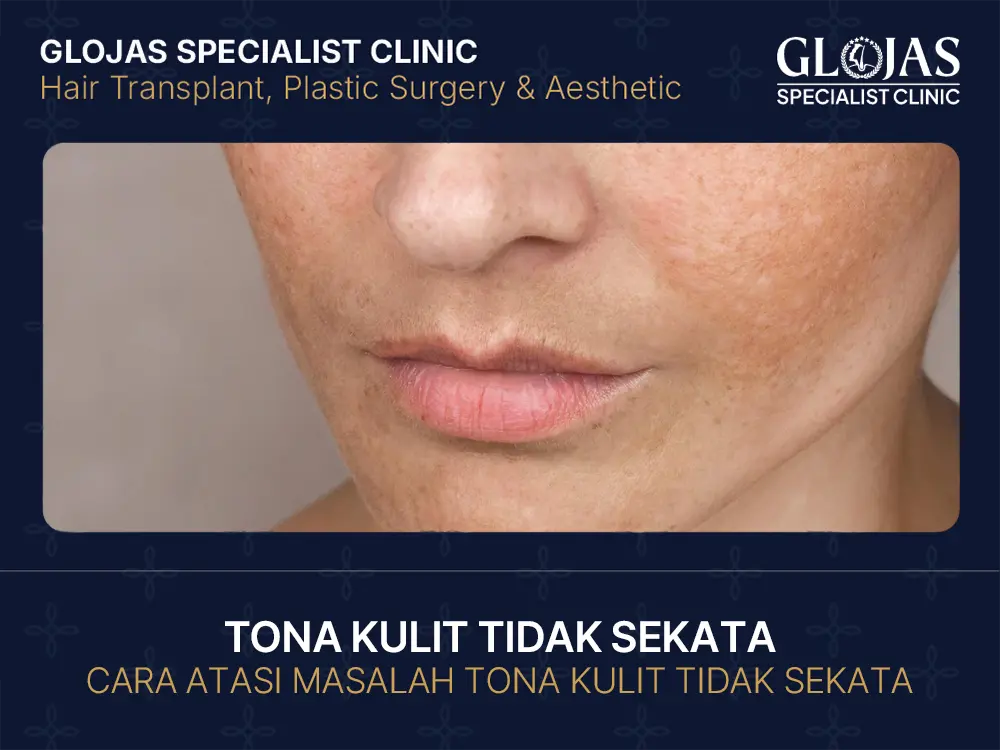
Masalah tona kulit tidak sekata berlaku apabila kulit kehilangan keseragaman warna, menimbulkan bintik gelap atau cerah. Ia boleh berlaku akibat pendedahan cahaya matahari, perubahan hormon, penuaan, atau keradangan kulit. Dengan rawatan perubatan, rawatan estetik yang sesuai, dan langkah pencegahan yang betul, warna kulit boleh lebih sekata dan kesihatan kulit meningkat. GLOJAS Specialist Clinic adalah pusat pakar kulit dan estetik terkemuka yang menyediakan rawatan profesional untuk tona kulit tidak sekata. Dengan pasukan doktor berkelayakan dan pendekatan berasaskan bukti, klinik ini memastikan setiap pesakit menerima penjagaan selamat, berkesan, dan disesuaikan untuk kulit lebih sekata dan sihat. 1. Apa Itu Tona Kulit Tidak Sekata? Tona kulit tidak sekata bermaksud warna kulit tidak sekata, sama ada terdapat kawasan lebih gelap (hiperpigmentasi) atau lebih cerah (hipopigmentasi). Keadaan ini boleh berlaku di wajah, tangan, atau seluruh badan, dan kadangkala menjejaskan keyakinan diri. 2. Gejala Tona Kulit Tidak Sekata Tanda dan gejala yang biasanya dialami termasuk: Bintik gelap seperti melasma, lentigo, atau bintik penuaan. Bintik cerah atau tompok putih, misalnya vitiligo ringan atau hipopigmentasi selepas keradangan. Kemerahan atau kulit yang mudah meradang. Tekstur kulit yang tidak sekata di beberapa kawasan. 3. Punca Berlakunya Tona Kulit Tidak Sekata Tona kulit tidak sekata boleh disebabkan oleh faktor luaran dan dalaman: Faktor luaran: Pendedahan sinar UV tanpa perlindungan. Iritasi kulit atau kecederaan. Penggunaan produk kosmetik yang terlalu kuat atau mengeringkan kulit. Faktor dalaman: Perubahan hormon, contohnya semasa kehamilan atau penggunaan pil perancang. Proses penuaan semula jadi. Penyakit kulit tertentu seperti vitiligo, dermatitis, atau ekzema. Faktor genetik dan etnik. 4. Diagnosis Doktor kulit akan menentukan diagnosis melalui: Sejarah perubatan dan faktor risiko. Pemeriksaan visual menggunakan dermatoskop. Ujian makmal jika disyaki ada gangguan dalaman, contohnya hormon. Foto kulit untuk memantau perubahan dari masa ke masa. 5. Pilihan Rawatan Rawatan akan disesuaikan berdasarkan punca dan jenis pigmentasi: A. Rawatan Topikal: Krim pencerah seperti hydroquinone, vitamin C, dan niacinamide. Retinoid untuk merangsang pembaharuan sel kulit. B. Rawatan Estetik: Laser fractional atau IPL untuk mengurangkan bintik gelap. Chemical peel ringan hingga sederhana. Microneedling untuk meratakan tekstur kulit. C. Rawatan Perubatan: Terapi hormon jika melasma berkaitan hormon. Rundingan dermatologi bagi keadaan autoimun atau keradangan. D. Penjagaan Rumah & Pencegahan: Gunakan pelindung matahari SPF 30+ setiap hari. Elakkan pendedahan cahaya matahari berlebihan. Gunakan produk lembut dan tidak mengiritasi kulit. Eksfoliasi ringan mengikut cadangan doktor. 6. Risiko dan Kesan Sampingan Beberapa rawatan mungkin menimbulkan kesan sampingan: Iritasi atau kemerahan daripada krim pencerah. Hipopigmentasi sementara selepas laser atau chemical peel. Kulit menjadi lebih sensitif terhadap cahaya UV. Berunding dengan doktor penting untuk mengurangkan risiko dan memilih rawatan yang sesuai. 7. Pencegahan Beberapa langkah mudah boleh membantu mencegah tona kulit tidak sekata: Lindungi kulit daripada sinar UV dengan SPF dan pakaian pelindung. Elakkan menggosok kulit terlalu kuat. Kawal hormon dan keadaan perubatan yang menjejaskan kulit. Rutin pemeriksaan kulit ke doktor untuk pengesanan awal. 8. Bila Perlu Jumpa Doktor Segera dapatkan nasihat doktor jika: Bintik kulit muncul secara tiba-tiba dan cepat merebak. Disertai gatal, sakit, atau keradangan. Perubahan warna kulit menjejaskan keyakinan diri atau aktiviti harian. FAQ (Soalan Lazim) Tentang Tona Kulit Tidak Sekata 1. Bolehkah tona kulit tidak sekata hilang sepenuhnya?Bergantung pada punca dan rawatan. Gabungan rawatan perubatan, estetik, dan penjagaan di rumah boleh membantu kulit menjadi lebih sekata, walaupun hasil berbeza bagi setiap individu. 2. Semua orang boleh jalani rawatan laser?Tidak. Laser lebih sesuai untuk kulit cerah hingga sederhana dan perlu dinilai oleh doktor untuk kulit gelap atau sensitif. 3. Berapa lama rawatan kulit atau krim pencerah memberi kesan?Hasil awal biasanya kelihatan dalam 4–12 minggu, bergantung pada jenis rawatan dan kepatuhan pesakit. 4. Krim pencerah selamat digunakan setiap hari?Ya, selamat jika diresepkan doktor, digunakan mengikut arahan, dan dilindungi dengan pelindung matahari untuk mengelakkan iritasi atau hiperpigmentasi balik. 5. Bolehkah bintik kulit akibat cahaya matahari dicegah?Ya. Dengan penggunaan SPF 30+, topi, dan mengelak pendedahan langsung kepada sinar UV, risiko bintik dan penuaan kulit boleh dikurangkan dengan ketara.
11 Cara Memutihkan Muka Dengan Berkesan CONFIRM Muka Cerah
Cara memutihkan muka yang selamat sebenarnya bermaksud mencerahkan kulit, menyamakan tona, dan mengurangkan hiperpigmentasi. Pendekatan perubatan memberi fokus pada bahan aktif yang terbukti, rawatan dermatologi yang selamat, serta rutin harian yang membantu melindungi kulit. Matlamatnya ialah hasil yang semula jadi, berperingkat, dan selamat untuk jangka panjang. GLOJAS Specialist Clinic menawarkan rawatan pencerahan kulit yang selamat dan terbukti secara perubatan, dikendalikan oleh pakar bertauliah dengan teknologi dermatologi moden. Setiap pelan rawatan disesuaikan mengikut keperluan kulit untuk hasil yang semula jadi, berperingkat, dan berkesan bagi masalah tona tidak sekata serta hiperpigmentasi. Masalah Kulit Yang Membuat Ramai Mahu Mencerahkan Wajah Kulit tampak kusam Flek hitam, melasma atau parut jerawat Tona kulit tidak sekata Sunspots akibat pendedahan UV Tekstur kulit kasar kerana sel kulit mati berkumpul Punca Kulit Menjadi Kusam atau Gelap Cahaya UV: faktor utama hiperpigmentasi Keradangan: jerawat atau iritasi menyebabkan PIH Melanin berlebihan: dipengaruhi hormon, genetik atau ubat Kurang eksfoliasi: sel mati tidak tertanggal dengan baik Pencemaran & stres oksidatif Gaya hidup: tidur tidak cukup, merokok, produk tidak sesuai Cara Memutihkan Muka Secara Klinikal & Terbukti Selamat A. Rawatan Topikal (Skincare) Gunakan bahan aktif yang terbukti secara klinikal: 1. Sunscreen (paling penting) SPF 30–50 dengan perlindungan UVA/UVB Mengurangkan kemunculan flek dan menghalang pigmentasi baruTanpa sunscreen, rawatan mencerahkan tidak akan berkesan. 2. Vitamin C Antioksidan kuat Mengurangkan penghasilan melanin Menjadikan kulit lebih cerah dan sekata 3. Niacinamide Menghalang pemindahan melanin ke permukaan kulit Lembut untuk kulit sensitif 4. Retinoid (Retinol/Tretinoin) Mempercepat pembaharuan sel Berkesan untuk PIH dan kulit kusam 5. AHA/BHA Mengangkat sel kulit mati Membantu penyerapan produk lain 6. Azelaic Acid Sesuai untuk semua jenis kulit Mengurangkan pigmentasi dan radang 7. Arbutin / Kojic Acid Mengurangkan aktiviti tirosinase Baik untuk flek ringan hingga sederhana Catatan Penting:Elakkan produk berbahaya seperti merkuri, hydroquinone tanpa preskripsi, atau steroid kuat kerana boleh merosakkan kulit dan organ dalaman. B. Prosedur Dermatologi (Untuk Hasil Lebih Cepat) Hanya oleh doktor bertauliah: 1. Chemical Peeling Menggunakan AHA, TCA atau gabungan Mengurangkan flek, memperbaiki tekstur dan memberi kesan cerah 2. Laser Pigmentasi Q-Switched Nd:YAG, Pico laser Berkesan untuk melasma, PIH dan sunspots Memerlukan beberapa sesi 3. Microdermabrasion / Dermapen Merangsang pembaharuan kulit Mengurangkan parut kecil dan kulit kusam 4. Mesotherapy / Skin Booster Vitamin dan antioksidan disuntik secara mikro Membantu kulit tampak lebih glowing dan sekata Risiko & Kesan Sampingan Daripada bahan aktif Iritasi, kemerahan, purging Kulit jadi lebih sensitif pada matahari Daripada prosedur Risiko PIH selepas rawatan Luka atau jangkitan jika dilakukan oleh bukan profesional Daripada produk haram Merkuri: kerosakan ginjal & saraf Steroid tidak terkawal: kulit menipis, jerawat teruk Hydroquinone haram: ochronosis (kulit gelap kekal) Cara Mencegah Kulit Kusam & Mengekalkan Kecerahan Pakai sunscreen setiap hari, tanpa gagal Elakkan matahari terik 10 pagi–3 petang Kekalkan rutin skincare yang betul Tidur cukup & minum air secukupnya Amalkan diet kaya antioksidan Jangan memicit jerawat FAQ: Cara Memutihkan Muka 1. Bolehkah memutihkan kulit secara kekal? Tidak. Warna asas ditentukan genetik. Yang realistik ialah mencerahkan, menyamakan tona dan mengurangkan noda. 2. Berapa lama untuk nampak hasil? Skincare: 4–12 minggu Rawatan dermatologi: 1–4 sesi bergantung keadaan kulit 3. Adakah air beras boleh memutihkan kulit? Tidak ketara. Ia hanya memberi sedikit hidrasi; kesan cerahnya tidak kuat seperti bahan aktif klinikal. 4. Adakah krim doktor sentiasa selamat? Tidak semestinya. Pastikan doktor bertauliah dan tidak meresepkan campuran merkuri atau steroid untuk kegunaan jangka panjang. 5. Produk apa yang sesuai untuk pemula? Sunscreen + vitamin C pada waktu pagi; niacinamide atau retinol pada waktu malam. 6. Boleh guna banyak bahan pencerah sekali gus? Boleh, tetapi mulakan perlahan untuk elakkan iritasi. 7. Lelaki boleh buat rawatan ini? Ya, rawatan pencerahan berkesan untuk semua jantina. Ramai mencari Cara Memutihkan Muka yang selamat tanpa merosakkan kulit. Pendekatan terbaik ialah mencerahkan secara bertahap dengan bahan aktif terbukti seperti vitamin C, niacinamide dan sunscreen. Memahami Cara Memutihkan Muka yang betul membantu mengurangkan flek, menyamakan tona dan menjaga kesihatan kulit jangka panjang. Untuk hasil lebih cepat, Cara Memutihkan Muka boleh digabungkan dengan prosedur dermatologi seperti chemical peel atau laser yang dilakukan oleh profesional. Memilih Cara Memutihkan Muka secara perubatan memastikan kulit dirawat mengikut diagnosis yang tepat, sekali gus mengelakkan risiko iritasi atau produk berbahaya. Gaya hidup juga memainkan peranan penting dalam Cara Memutihkan Muka. Tidur mencukupi, perlindungan UV, dan rutin skincare konsisten membantu kulit kekal cerah dan sihat. Dengan memahami Cara Memutihkan Muka secara menyeluruh, anda boleh mencapai hasil semula jadi tanpa mengorbankan keselamatan kulit.
7 Petua Pakar Hentikan Rambut Gugur Dengan Cepat & Berkesan!
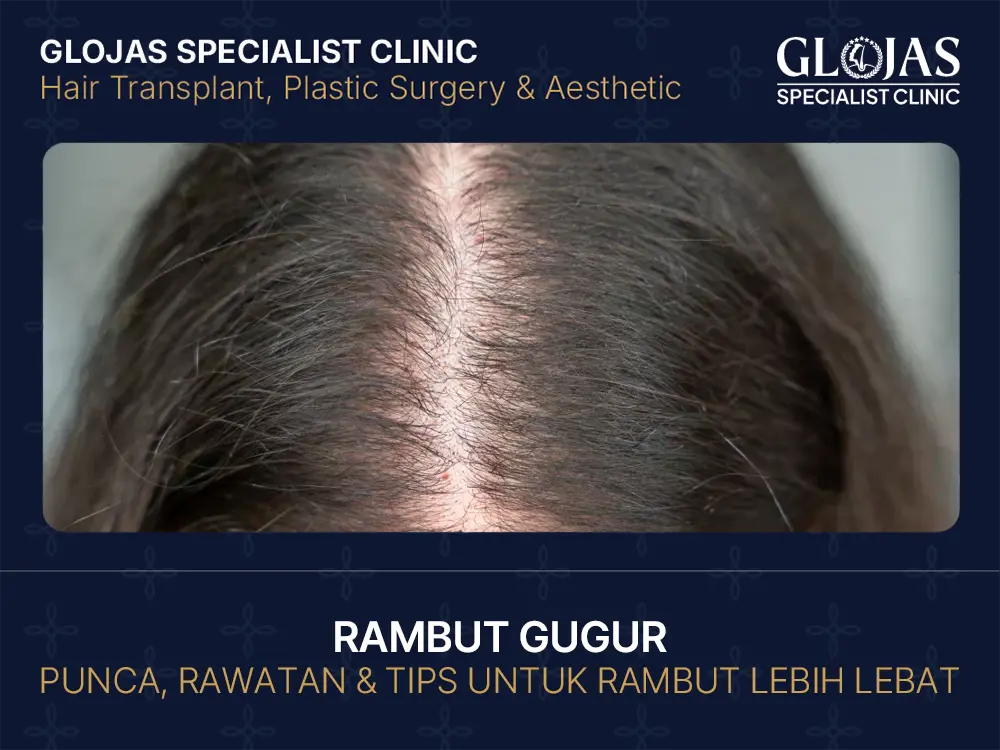
Rambut Gugur Teruk? Ini Petua Terbaik Untuk Anda! Rambut gugur sering berlaku di Malaysia menyebabkan ramai lelaki dan perempuan kurang keyakinan diri mereka. Ianya boleh berlaku disebabkan oleh genetik, hormon, pemakanan, tekanan atau penyakit. Fahami punca sebenar penting supaya rawatan—sama ada ubat, suplemen, atau prosedur klinikal—boleh beri hasil yang selamat dan berkesan. Dengan gaya hidup sihat, risiko rambut gugur lebih teruk boleh dikurangkan. GLOJAS Specialist Clinic, dengan doktor pakar tanam rambut berpengalaman, menawarkan rawatan terbukti untuk rambut gugur. Pendekatan profesional dan teknologi terkini memastikan setiap pesakit mendapat solusi selamat, berkesan, dan disesuaikan mengikut keperluan individu.” Kenali Punca Rambut Gugur Rambut gugur atau alopecia merujuk kepada kehilangan rambut yang lebih banyak daripada biasa. Kehilangan rambut boleh berlaku secara berperingkat atau tiba-tiba, dan boleh melibatkan kulit kepala sahaja atau seluruh badan. Rambut yang gugur berlebihan biasanya lebih dari 100 helai sehari. Kira-kira 42% lelaki berumur 18–49 tahun mengalami keguguran rambut sederhana hingga teruk. (PubMed) Tanda & Simptom Rambut Gugur Rambut nipis secara beransur-ansur di bahagian mahkota kepala Garis rambut surut atau botak di bahagian tertentu Kehilangan rambut selepas mencuci, menyikat, atau menari rambut Rambut berbentuk tompok (alopecia areata) Kulit kepala gatal atau merah (jika disebabkan oleh penyakit kulit) Faktor Penyebab Rambut Gugur Faktor Genetik: Androgenetic alopecia (botak lelaki/wanita) adalah punca utama rambut gugur. Perubahan Hormon: Kehamilan, menopaus, tiroid, dan ubat hormon boleh menyebabkan rambut menipis. Pemakanan dan Kekurangan Nutrien: Kekurangan protein, zat besi, vitamin D, dan biotin meningkatkan risiko keguguran rambut. Tekanan & Psikologi: Stress fizikal atau emosi boleh mencetuskan telogen effluvium, rambut gugur sementara. Penyakit & Jangkitan: Jangkitan kulat (tinea capitis), lupus, dan penyakit autoimun lain. Ubat-Ubatan: Kemoterapi, antikoagulan, ubat tekanan darah tinggi, dan beberapa ubat antidepresan. Gaya Hidup & Rawatan Rambut: Pemakaian rambut ketat, bahan kimia, dan rawatan haba berlebihan boleh merosakkan rambut. Bagaimana Rambut Gugur Didiagnosis Pemeriksaan Klinikal: Doktor memeriksa corak keguguran rambut dan kulit kepala. Ujian Makmal: Analisis darah untuk hormon, zat besi, tiroid, dan vitamin. Trikologi / Biopsi Rambut: Diperlukan untuk punca yang kompleks atau penyakit autoimun. Pilihan Rawatan Rambut Gugur Terbaik Rawatan Topikal: Minoxidil 2–5% untuk merangsang pertumbuhan rambut. Ubat Oral: Finasteride (lelaki), spironolactone (wanita) untuk mengawal hormon penyebab rambut gugur. Suplemen & Nutrisi: Biotin, vitamin D, zat besi, omega-3, jika kekurangan nutrien dikesan. Terapi Klinikal: PRP (Platelet-Rich Plasma), laser rendah, dan mesoterapi rambut. Pembedahan Rambut: Tanam rambut untuk kes rambut gugur kronik atau botak menonjol. Rawatan Penyakit Asas: Menguruskan tiroid, lupus, atau jangkitan kulat sebagai penyebab rambut gugur. Risiko & Kesan Sampingan Rawatan Yang Anda Wajib Tahu! Penggunaan ubat topikal/ubat oral boleh menyebabkan kegatalan, ruam, atau perubahan hormon. Pembedahan rambut atau PRP memerlukan prosedur steril dan pengawasan klinikal. Rawatan tanpa diagnosis yang tepat boleh memburukkan rambut gugur. Tips Pencegahan Keguguran Rambut Amalkan diet seimbang tinggi protein dan vitamin. Elakkan tekanan berlebihan; praktikkan relaksasi. Gunakan syampu lembut, elak bahan kimia keras dan alat haba tinggi. Elakkan gaya rambut ketat yang menarik rambut secara berterusan. Pemeriksaan kulit kepala berkala jika ada sejarah keluarga atau simptom awal rambut gugur. Bilakah Perlu Rujuk Doktor? Rambut mula menipis dan gugur tiba-tiba atau banyak dalam masa singkat. Kehilangan rambut berserta kulit kepala merah, gatal, atau luka. Kehilangan bulu badan lain atau tompok botak. Kesan psikologi atau emosi yang teruk akibat rambut gugur. 5 Soalan Lazim 1. Adakah rambut gugur normal setiap hari?Ya, rambut normal boleh gugur 50–100 helai sehari. Gugur lebih daripada ini perlu diperiksa. 2. Bolehkah stress menyebabkan rambut menipis dan gugur?Ya, stress fizikal atau emosi boleh mencetuskan telogen effluvium, menyebabkan rambut nipis dan gugur sementara. 3. Apakah ubat terbaik untuk rambut nipis dan gugur?Minoxidil topikal dan finasteride (lelaki) terbukti berkesan. Rawatan harus disesuaikan mengikut punca. 4. Adakah tanam rambut selamat?Ya, jika dilakukan oleh pakar berpengalaman. Risiko termasuk jangkitan atau parut kecil. 5. Bolehkah diet membantu rambut menipis dan gugur?Diet kaya protein, zat besi, dan vitamin dapat menyokong pertumbuhan rambut sihat dan mengurangkan risiko gugur. Pandangan & Nasihat Pakar Folikel rambut yang sihat sangat penting untuk pertumbuhan helai rambut yang kuat. Keguguran rambut sering berlaku akibat kekurangan nutrien atau kekurangan zat besi, yang memberi kesan pada kesihatan rambut. Menjaga keseimbangan nutrisi dapat mengurangkan risiko masalah ini, termasuk ketidakseimbangan hormon yang boleh merosakkan folikel rambut. Mengalami keguguran rambut secara tiba-tiba mungkin disebabkan oleh telogen effluvium, yang berkait rapat dengan perubahan hormon. Penjagaan rambut yang betul dan pemakanan yang mencukupi boleh membantu mengelakkan rambut daripada menjadi rapuh. Jangan biarkan kekurangan zat besi mengganggu kitaran pertumbuhan rambut baru yang sihat. Menyebabkan keguguran rambut atau menyebabkan rambut gugur boleh berlaku akibat kekurangan nutrien dalam diet. Ia juga berkaitan dengan ketidakseimbangan hormon dan perubahan hormon yang drastik. Rawatan yang sesuai, seperti suplemen zat besi, boleh membantu memulihkan kesihatan rambut dan mencegah masalah rambut baru yang lemah. Punca utama keguguran rambut termasuk telogen effluvium, kekurangan nutrien, dan ketidakseimbangan hormon. Mengatasi masalah ini dengan pendekatan yang tepat, seperti penggunaan produk terbaik untuk rambut, dapat mengembalikan kesihatan rambut dan menggalakkan pertumbuhan semula helai rambut yang lebih kuat dan tebal.