
Petua & Cara Hilangkan Tiny Bumps Pada Dahi Untuk Kulit Lebih Licin dan Sihat

Apa Itu Tiny Bumps? Tiny bumps merujuk kepada bintik-bintik kecil pada permukaan kulit, terutamanya di kawasan dahi. Ia biasanya tidak menyakitkan tetapi mengganggu penampilan kerana menjadikan kulit kelihatan tidak rata dan bertekstur. Dalam istilah perubatan, tiny bumps boleh dikaitkan dengan: Milia Closed comedones (whiteheads) Fungal acne (malassezia folliculitis) Keratosis pilaris Walaupun tidak berbahaya, tiny bumps boleh memberi kesan negatif terhadap keyakinan diri, terutama jika tidak dirawat dengan betul. Punca Tiny Bumps Pada Dahi Pengumpulan Sel Kulit MatiKulit yang tidak dibersihkan dengan betul menyebabkan pori tersumbat dan pembentukan tiny bumps. Minyak Berlebihan (Sebum)Kulit berminyak cenderung menghasilkan sebum berlebihan yang boleh menyebabkan whiteheads atau jerawat kecil. Penggunaan Produk Tidak SesuaiProduk penjagaan kulit yang komedogenik atau terlalu berat boleh menyumbat liang pori. Peluh dan KotoranKhususnya di Malaysia yang beriklim lembap, peluh dan debu boleh menyumbat pori dan mencetuskan tiny bumps. Jangkitan Kulat (Fungal Acne)Tiny bumps yang gatal dan berkelompok mungkin disebabkan oleh jangkitan kulat pada folikel rambut. Cara Hilangkan Tiny Bumps 1. Pembersihan Berganda (Double Cleansing) Gunakan oil cleanser diikuti dengan gentle foaming cleanser untuk menanggalkan makeup, peluh dan sebum berlebihan. 2. Eksfoliasi Kimia (Chemical Exfoliation) Produk dengan salicylic acid (BHA) atau glycolic acid (AHA) membantu membuang sel kulit mati dan membuka pori tersumbat. Guna 2–3 kali seminggu. 3. Rawatan Topikal Niacinamide: Mengurangkan minyak dan inflamasi Retinoids: Mempercepatkan pembaharuan sel dan mengelakkan pori tersumbat Azelaic Acid: Sesuai untuk fungal acne dan milia 4. Rawatan Profesional di Klinik Estetik Carbon Laser Peel – membersih dan mengecilkan pori Chemical Peels Profesional – pengelupasan terkawal untuk tekstur kulit Hydrafacial – membersih secara mendalam sambil melembapkan kulit 5. Perubahan Gaya Hidup Tukar sarung bantal setiap minggu Elakkan menyentuh wajah dengan tangan kotor Pastikan alat solekan dibersihkan dan tidak melebihi tarikh luput Cara Hilangkan Tiny Bumps Cara Tradisional Untuk hilangkan bintik bintik pada kulit secara tradisional, anda boleh cuba beberapa petua mudah berikut: Lidah Buaya: Sapukan gel lidah buaya segar pada kawasan bermasalah, biarkan selama 15-20 minit, kemudian bilas dengan air suam. Ia membantu mengurangkan radang dan melembapkan kulit. Madu Asli: Gunakan madu sebagai masker untuk kulit, biarkan selama 10-15 minit sebelum dibilas. Madu bertindak sebagai antibakteria dan melembapkan kulit. Minyak Kelapa: Urut perlahan minyak kelapa pada kulit untuk membuka liang pori dan memperbaiki tekstur kulit. Pengelupasan Lembut: Gunakan skrub semula jadi seperti campuran gula dan minyak zaitun untuk membuang sel kulit mati secara lembut. Jaga Kebersihan Wajah: Cuci muka dua kali sehari dengan pembersih lembut agar liang pori tidak tersumbat. Elakkan Produk Kimia Keras: Gunakan produk semula jadi untuk mengelakkan kulit menjadi iritasi dan lebih teruk. Amalkan secara konsisten untuk mendapatkan kulit yang lebih licin dan sihat tanpa kesan sampingan. Mitos Yang Perlu Dielakkan ❌ “Lebih cuci, lebih bersih”: Terlalu kerap mencuci boleh mengeringkan kulit dan merangsang lebih banyak minyak. ❌ Gunakan scrub keras: Ini boleh merengsakan dan memburukkan keadaan kulit. ❌ Produk mahal mesti berkesan: Keberkesanan bergantung pada bahan aktif, bukan harga. Berapa Lama Untuk Hilangkan Masalah Tiny Bumps? Ini bergantung kepada punca dan jenis rawatan. Dengan rutin yang konsisten dan rawatan yang betul, kebanyakan orang melihat perubahan dalam 2–6 minggu. Namun, rawatan profesional boleh mempercepatkan hasil. Soalan Lazim (FAQ) 1. Tiny bumps ni sama ke dengan jerawat biasa?Tidak. Tiny bumps biasanya tidak merah atau bengkak seperti jerawat. Ia lebih kepada pori tersumbat atau milia. 2. Adakah tiny bumps boleh hilang sendiri?Kadang-kala ya, tetapi biasanya memerlukan bantuan seperti exfoliation atau rawatan topikal. 3. Perlu jumpa doktor kulit ke untuk tiny bumps?Jika tidak hilang dengan penjagaan biasa atau makin banyak, sebaiknya jumpa pakar kulit atau klinik estetik bertauliah. 4. Adakah rawatan laser sesuai untuk tiny bumps?Ya, rawatan seperti Carbon Laser Peel sangat berkesan untuk membersih pori dan memperbaiki tekstur kulit. 5. Tiny bumps boleh berlaku pada kulit kering?Boleh. Walaupun lebih biasa pada kulit berminyak, kulit kering juga boleh mengalami pori tersumbat akibat sel mati. Ingin Kulit Lebih Licin & Berseri? Hubungi GLOJAS Hari Ini! GLOJAS Specialist Clinic di Kuala Lumpur menyediakan pelbagai rawatan dermatologi moden untuk menghapuskan tiny bumps secara selamat dan berkesan. Kenapa pilih GLOJAS? Doktor berdaftar & MOH Certified Rawatan laser terkini & chemical peel berkualiti Penilaian kulit secara profesional Pelan rawatan disesuaikan untuk setiap individu Jangan tunggu lagi. Tempah sesi konsultasi kulit bersama pakar kami hari ini dan mulakan langkah untuk kulit yang licin, bersih dan sihat. 📍 Alamat: Glomac Galeria Hartamas, B-G, 05, Jalan 26a/70a, Desa Sri Hartamas, 50480 Wilayah Persekutuan, Wilayah Persekutuan Kuala Lumpur📞 Hubungi Kami: +603 6211 5555🌐 Laman Web: www.glojasaesthetic.com
5 Cara Mengecilkan Payudara Dengan Selamat & Cepat (2025)

Ramai wanita berdepan dengan isu payudara terlalu besar, bukan hanya dari sudut estetik tetapi juga dari segi kesihatan dan ketidakselesaan. Saiz payudara yang berlebihan boleh menyebabkan sakit belakang, kesukaran bersenam, postur yang lemah, serta rasa tidak selesa dalam aktiviti harian. GLOJAS Specialist Clinic menyediakan penyelesaian pakar untuk cara mengecilkan payudara dengan prosedur selamat dan dikawal oleh pasukan perubatan berpengalaman. Setiap pesakit menerima pelan rawatan peribadi, teknik moden berasaskan bukti, dan teknologi terkini untuk hasil semula jadi, pemulihan pantas, serta keselamatan maksimum, menjadikan GLOJAS pilihan utama di Malaysia. Punca Payudara Membesar Sebelum merancang rawatan, penting untuk fahami punca saiz payudara yang besar: Faktor genetik Ketidakseimbangan hormon (estrogen tinggi) Pertambahan berat badan Kehamilan dan penyusuan Penggunaan ubat hormon tertentu Baca Disini : Cara Besarkan Payudara Dengan Breast Augmentation Cara Semula Jadi Mengecilkan Payudara 1. Senaman Kardio Senaman seperti jogging, berbasikal atau aerobik membantu membakar lemak secara keseluruhan, termasuk lemak di kawasan payudara. 2. Senaman Kekuatan Bahagian Atas Badan Latihan seperti push-up, dumbbell press, dan arm circles membantu menguatkan otot dada (pectoralis) dan memberikan sokongan lebih baik. 3. Pemakanan Sihat Amalkan diet rendah lemak, tinggi serat dan protein. Elakkan makanan bergula, berlemak tinggi atau diproses. 4. Kurangkan Berat Badan Penurunan berat badan secara keseluruhan akan mengurangkan saiz payudara kerana ia sebahagiannya terdiri daripada tisu lemak. 5. Kawal Hormon Stres, kurang tidur dan pemakanan tidak seimbang boleh menyebabkan gangguan hormon yang menjejaskan saiz payudara. Petua Tradisional Mengecilkan Payudara (Kesan Klinikal Terhad) Sesetengah orang mencuba bahan seperti: Halba Daun sirih Jus lemon atau limau nipis Namun, keberkesanannya tidak terbukti secara saintifik dan hasilnya berbeza bagi setiap individu. Rawatan Profesional untuk Mengecilkan Payudara 1. Pembedahan Pengurangan Payudara (Breast Reduction Surgery) Dilakukan oleh pakar bedah estetik bertauliah Buang lebihan tisu lemak dan kulit Sesuai untuk wanita dengan saiz yang sangat besar dan sakit fizikal 2. Rawatan Bukan Invasif (Non-surgical Body Contouring) Guna teknologi seperti radiofrekuensi (RF) atau ultrasound (HIFU) Memecahkan tisu lemak secara perlahan Proses tanpa luka atau pembedahan, tapi perlukan beberapa sesi 3. Suntikan Lemak Terpilih Digunakan dalam beberapa kes untuk kontur dan simetri Dilakukan oleh doktor estetik yang berpengalaman ⚠️ Pastikan rawatan dilakukan di klinik berdaftar dan oleh pakar yang bertauliah di bawah Kementerian Kesihatan Malaysia (MOH). Perbandingan Pilihan Rawatan Mengecilkan Payudara Kaedah Kesan Masa Nampak Hasil Kos Anggaran (RM) Senaman & diet Semula jadi 2–3 bulan < RM 500 (gym, makanan sihat) Rawatan RF/HIFU Non-invasif 4–8 sesi RM 500 – RM 3,000 Pembedahan Sangat ketara 1 minggu pemulihan RM 12,000 – RM 20,000 Soalan Lazim (FAQ) Q: Adakah senaman cukup untuk kecilkan payudara?A: Ia membantu jika dilakukan secara konsisten bersama pemakanan sihat. Hasilnya bergantung kepada genetik dan komposisi badan. Q: Bolehkah rawatan tanpa pembedahan benar-benar kecilkan saiz?A: Ya, ia boleh membantu bentuk dan saiz secara beransur, tetapi hasilnya lebih perlahan berbanding pembedahan. Q: Adakah rawatan ini menyakitkan?A: Kebanyakan rawatan bukan invasif tidak menyakitkan dan tidak memerlukan masa pemulihan. Q: Adakah pembedahan selamat?A: Ya, jika dilakukan oleh pakar bedah estetik berlesen dan dalam fasiliti yang diiktiraf MOH. Kesimpulan Cara Mengecilkan Payudara Cara mengecilkan payudara termasuklah senaman, kawalan pemakanan, dan rawatan klinikal seperti RF atau pembedahan. Pilihan terbaik bergantung pada punca dan tahap ketidakselesaan. Dapatkan nasihat profesional sebelum memilih rawatan. Sedia Untuk Tampil Lebih Yakin Dengan Payudara Yang Lebih Kecil? Jika anda sedang mempertimbangkan rawatan untuk saiz payudara yang besar, kami di GLOJAS Specialist Clinic sedia membantu. Konsultasi awal bersama doktor bertauliah akan menentukan pilihan yang paling sesuai untuk anda — sama ada pendekatan semula jadi atau klinikal.
Microneedling Before and After – Real Results & Photos, Benefits & What to Expect
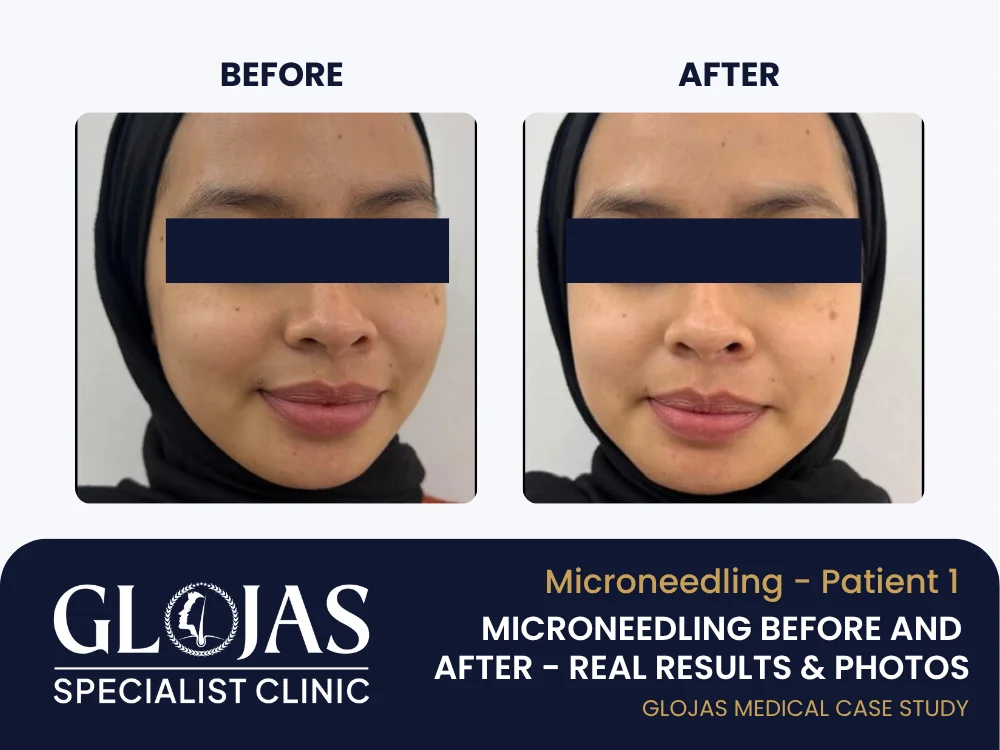
Microneedling Before and After Microneedling, also known as collagen induction therapy, is one of the most popular non-surgical treatments for improving skin texture, acne scars, wrinkles, and more. It works by using tiny needles to create controlled micro-injuries, stimulating the body’s natural healing response and boosting collagen production. If you’re considering this treatment, it’s helpful to understand what happens before, during, and after a session—and what kinds of results you can realistically expect. What Is Microneedling? Microneedling is a minimally invasive skin treatment that involves a device with fine needles (like Dermapen or SkinPen) to create micro-channels in the skin. These channels stimulate: Collagen and elastin production Cell turnover and healing Deeper absorption of serums (like PRP, vitamin C, or peptides) It’s used for treating various concerns including: Acne scars Enlarged pores Fine lines and wrinkles Hyperpigmentation Stretch marks Uneven skin tone or dullness What to Expect Before Microneedling 1. Pre-Treatment Consultation At GLOJAS Clinic, we start with a skin assessment to determine your concerns, skin type, and eligibility. We may recommend combining microneedling with PRP (Platelet-Rich Plasma) for enhanced results. 2. Pre-Treatment Guidelines Avoid sun exposure, exfoliants, and retinol for 3–5 days Stay hydrated Stop using blood thinners if advised by your doctor Cleanse skin and arrive makeup-free What Happens During the Procedure? A topical numbing cream is applied for comfort (30–45 mins) A microneedling device is passed across the treatment area Serums (like PRP, hyaluronic acid, or growth factors) are applied to penetrate deeply through micro-channels The procedure takes about 30–60 minutes, depending on the area You may experience a mild prickling or heat sensation, but pain is minimal and well-tolerated. Microneedling Aftercare & Recovery Timeframe What to Expect 0–24 hours Redness, tightness, mild swelling (like sunburn) Day 2–3 Light peeling or flaking may begin Day 4–7 Skin heals and smooths; makeup may be worn Week 2–4 Visible results appear (texture, tone improve) Week 4+ Continued collagen production, scar reduction Aftercare Tips: Avoid sun exposure, sweating, and harsh products for 3–5 days Use gentle cleanser and rich moisturizer Apply broad-spectrum sunscreen daily Avoid active ingredients (retinoids, AHAs) until skin fully recovers Microneedling Before and After Results Visible Improvements Include: Smoother skin texture Smaller pores Reduced acne scars and pitting Fewer fine lines and creases More even skin tone and glow Most clients see improvement after the first session, with optimal results after 3–5 sessions, spaced 4–6 weeks apart. 📸 Before and after results vary by skin type, concern, and whether PRP is combined. Who Is Microneedling Best For? Microneedling is safe for all skin tones and best suited for those with: Mild to moderate acne scarring Early signs of aging Pigmentation or sun damage Stretch marks Dull or uneven skin tone It’s not recommended for those with active acne, eczema, open wounds, or keloid tendencies (without clearance from a doctor). Combine Microneedling With PRP or Laser for Better Results At GLOJAS, we often combine microneedling with: PRP therapy – Accelerates healing and boosts collagen Fractional CO2 laser – For deeper scars or severe texture issues Chemical peels – To target pigment while rejuvenating skin Frequently Asked Questions (FAQs) 1. How long does it take to see results?You’ll see smoother skin in 1–2 weeks, with continued improvements over 1–3 months as collagen rebuilds. 2. Is microneedling painful?A numbing cream is applied beforehand. Most people feel only mild discomfort or heat. 3. How many sessions do I need?Most patients need 3–5 sessions for best results, spaced 4–6 weeks apart. 4. Can I wear makeup after microneedling?Avoid makeup for at least 24–48 hours post-treatment. 5. Is there downtime?Mild redness and flaking are common for 2–3 days, but most patients resume light activities the next day. Book Your Microneedling Consultation at GLOJAS Ready to experience the before and after transformation of microneedling? At GLOJAS Aesthetic Clinic, we offer doctor-led microneedling treatments with or without PRP for safe, effective, and natural-looking results. 📍 Desa Sri Hartamas, Kuala Lumpur📞 +603 6211 5555 | WhatsApp +6012 989 1915🌐 www.glojasaesthetic.com If you’re researching microneedling before and after results, you’re not alone. Many people turn to microneedling as a non-surgical solution for skin concerns like acne scars, large pores, and uneven tone. The visual transformation seen in microneedling before and after images often shows smoother texture, brighter skin, and reduced scarring. At GLOJAS Clinic, we’ve documented countless microneedling before and after cases to help patients understand what to expect and how long it takes to see visible results. The best part about microneedling before and after progress is that collagen continues to rebuild for weeks after each session. Whether you’re treating acne scars or signs of aging, the microneedling before and after difference is noticeable even after the first treatment. Many patients explore microneedling before and after photos to decide on combining it with PRP or laser. If you want proven results, real microneedling before and after transformations can help set realistic expectations.
Blackheads: Causes, Treatments & Safe Ways to Prevent Them
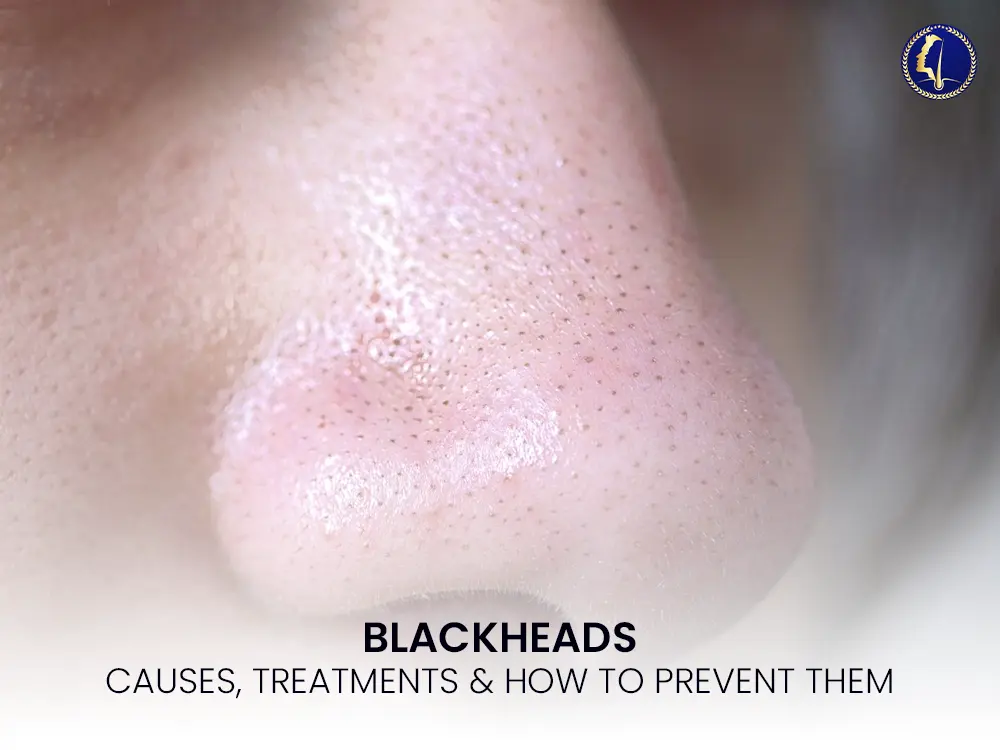
What Are Blackheads? Blackheads, or open comedones, are a common type of acne vulgaris that occur when pores become clogged with excess oil and dead skin cells. Unlike whiteheads, blackheads stay open, allowing the buildup to oxidize and turn dark. They often appear on the nose, forehead, and chin—the T-zone where sebaceous glands are most active. Although blackheads are not harmful, they can affect the appearance of your skin and lower confidence. Understanding what causes them and choosing the right dermatologist-approved treatments can help clear existing blackheads and prevent future breakouts. What Causes Blackheads? Excess oil (sebum) production Dead skin cell accumulation Hormonal fluctuations (puberty, menstrual cycles, stress) Comedogenic skincare and makeup products Poor cleansing habits or infrequent exfoliation Environmental pollution and humidity Common Areas Affected Blackheads most often appear in areas with higher oil (sebum) production. The most common spots include the nose, forehead, and chin (T-zone). They can also develop on the cheeks, back, chest, and shoulders, where oil glands are active. These areas are more prone to clogged pores, making them frequent sites for blackhead formation. How to Get Rid Of Blackheads? 1. Cleanse Regularly Use a gentle, non-comedogenic cleanser with salicylic acid or benzoyl peroxide to remove excess oil and dead skin cells. 2. Use Chemical Exfoliants Exfoliate 2–3 times a week with: Salicylic acid (BHA) – penetrates clogged pores and dissolves oil. Glycolic acid (AHA) – removes dead skin cells from the surface.⚠️ Avoid harsh scrubs, which may irritate or inflame the skin. 3. Apply Topical Retinoids Retinoids like adapalene or tretinoin boost cell turnover, reduce oil production, and help prevent clogged pores. 4. Professional Extraction Done by trained aestheticians or dermatologists using sterile tools to safely remove dark spots. 5. In-Clinic Treatments Options such as Hydrafacial, chemical peels, or laser treatments provide deep pore cleansing and long-term prevention. Effective Ingredients for Clearer Skin Ingredient Role in Blackhead Management Salicylic Acid Penetrates and unclogs pores Benzoyl Peroxide Reduces acne-causing bacteria and oil Retinoids Increase cell turnover, reduce comedones Niacinamide Controls sebum production and inflammation Glycolic Acid Exfoliates dead skin cells Clay (Kaolin/Bentonite) Absorbs excess oil and tightens pores Blackhead Removal Treatments in Malaysia Gentle Cleansing & Exfoliation Regular cleansing helps reduce clogged pores by up to 30%, especially when paired with mild exfoliants. These remove excess oil and dead skin cells that accumulate in the follicles. Topical Treatments Dermatology studies show that: Salicylic acid can decrease comedones by 20–60% Retinoids are the dermatologist-recommended first-line treatment for acne and blackheads These products work by clearing pores and regulating skin cell turnover. Professional Extraction Blackhead extractions performed by a qualified aesthetic doctor or dermatologist greatly reduce the risk of scarring. In contrast, self-extraction can increase the chance of infection by up to 25%. Chemical Peels Light peels using glycolic or salicylic acid can improve blackheads and whiteheads by 40–50% after a few sessions. These treatments exfoliate and renew the upper skin layers for clearer pores. Microdermabrasion Clinical findings show 70–80% of patients notice smoother skin and visibly cleaner pores after microdermabrasion. This treatment deeply exfoliates and removes buildup from the skin surface. Laser & Light Therapy Blue light and similar therapies can reduce acne lesions—including blackheads—by 40–60%. They also help control oil production and shrink enlarged pores. Proper Skincare Routine Using non-comedogenic products, consistent cleansing, and daily sunscreen helps prevent new blackheads. SPF also protects against dark spots caused by acne and clogged follicles. Prevention Tips Wash your face twice daily with a gentle cleanser Always remove makeup before sleeping Avoid touching your face unnecessarily Use non-comedogenic skincare and sunscreen Incorporate exfoliants into your routine weekly Consider seeing a dermatologist for persistent breakouts Frequently Asked Questions How do you get rid of blackheads? Use gentle cleansing, exfoliation, and topical products like salicylic acid or retinoids. For stubborn blackheads, treatments like chemical peels, microdermabrasion, Hydrafacial, or laser can help. Dermatologist-led extractions are the safest option. Avoid harsh scrubbing. What causes blackheads? They form when oil, dead skin, and dirt clog pores. Triggers include hormones, stress, oily skin, diet, and poor skincare habits. The open pore causes the buildup to oxidize and turn black. Is it OK to squeeze blackheads? No. Squeezing at home can cause scarring, enlarged pores, or infection. Always let a skin professional extract them safely. Is it good to remove blackheads? Yes, as long as it’s done safely. Clearing pores prevents acne, smooths skin texture, and improves product absorption. Avoid aggressive DIY methods. Can blackheads be prevented? Yes. Cleanse regularly, exfoliate gently, and use non-comedogenic skincare. Ingredients like salicylic acid, retinoids, and niacinamide help keep pores clear. Professional facials and a good skincare routine support long-term prevention. Remove Blackheads from Nose & Face with Expert Care At GLOJAS Plastic Surgery Specialist Clinic, every patient receives personalized care from NSR-certified doctors and a team of experienced medical professionals. Our clinic is fully certified by the Ministry of Health Malaysia (MOH), ensuring the highest standards of safety, hygiene, and results. Using advanced technology and evidence-based treatments, we deliver solutions that clear blackheads, smooth skin texture, and restore a healthy, radiant glow. With years of expertise in both medical and aesthetic care, GLOJAS is a trusted destination for patients seeking professional treatment in a comfortable environment. 📍 Visit us at Glomac Galeria Hartamas, Desa Sri Hartamas, Kuala Lumpur, or call us today to book your consultation and start your journey to clearer skin. View this post on Instagram A post shared by Glojas Specialist | Plastic Surgery, Hair Transplant, Aesthetic (@glojasaesthetic)
Female Pattern Baldness: Understanding Causes, Symptoms, and Treatments
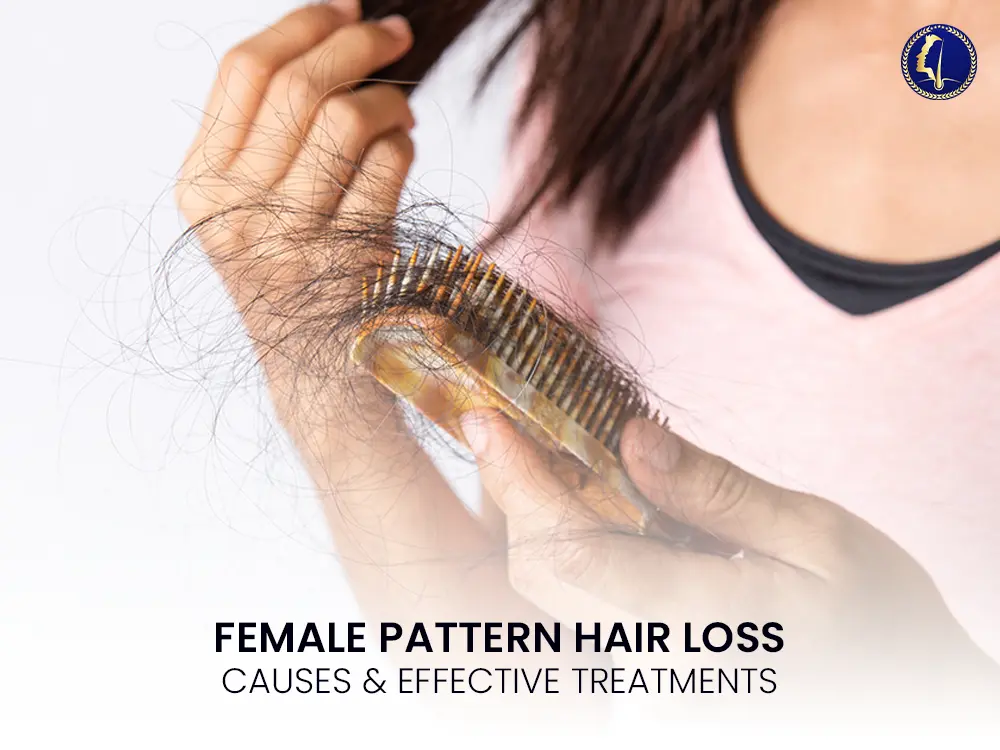
What is Female Pattern Baldness (Androgenetic Alopecia) in Women? Female pattern baldness, also called female pattern hair loss or androgenetic alopecia, is the most common cause of hair thinning in women. Unlike men, who typically experience a receding hairline or bald spot at the crown, women usually notice a gradual thinning over the top of the scalp, part widening, or reduced hair density. This type of hair loss affects millions of women worldwide—including in Malaysia—often causing emotional distress and a loss of confidence. But here’s the good news: Female pattern baldness is treatable, especially when diagnosed early. At Glojas Specialist Clinic, we’re dedicated to helping women regain healthy, fuller hair through advanced and safe treatments. Female Pattern Baldness Causes: Why Do Women Experience Hair Thinning & Hair Loss? The root causes of female pattern baldness are complex and often involve a combination of genetics, hormones, and aging. Here are the main triggers: Genetic Factors: If your mother or grandmother had hair thinning, you may inherit this tendency. Hormonal Changes: Pregnancy, menopause, polycystic ovarian syndrome (PCOS), and other hormonal imbalances can trigger hair loss in women. Aging: As women age, hair follicles shrink, producing finer, weaker hairs or stopping hair production altogether. Medical Conditions: Thyroid disorders, iron deficiency, and autoimmune diseases can contribute. Lifestyle & Stress: Crash dieting, poor nutrition, and chronic stress may accelerate hair loss. Dr. Ali explains: “Early diagnosis is key. If you notice more hair in your brush, a widening part, or reduced scalp coverage, see a specialist for an evaluation.” Female Pattern Baldness Symptoms & Stages Women often overlook the first signs of hair loss until the condition becomes advanced. Here’s what to watch for: Gradual Thinning on the Top of the Head: The most common pattern, especially along the part. Widening Hair Part: Notice your parting looks wider? That’s often an early warning sign. Diffuse Hair Loss: Hair looks thinner all over, not in patches. Reduced Ponytail Volume: Your ponytail feels thinner than before. Visible Scalp: More scalp is visible through your hair, especially under bright light. The Ludwig Scale is commonly used to classify the severity of female pattern hair loss, ranging from mild thinning to advanced baldness. Best Female Hair Loss Treatments in Malaysia For Female Pattern Baldness At Glojas Specialist Clinic, we combine the latest science with personalized care. Here are the most effective, evidence-based options: 1. Medical Hair Regrowth Treatments for Women Topical Minoxidil: The only FDA-approved solution for female pattern hair loss. It helps stimulate hair regrowth and slow hair shedding. Oral Medications: Spironolactone, finasteride (for postmenopausal women), and other hormone modulators may be prescribed in select cases. 2. Non-Surgical Hair Restoration Solutions Platelet-Rich Plasma (PRP) Hair Therapy: Dr. Ali’s signature technique uses your own blood plasma, rich in growth factors, to rejuvenate hair follicles and encourage new growth. Low-Level Laser Therapy (LLLT): Painless light therapy that stimulates hair follicles. 3. Advanced Hair Transplant Options for Women Female Hair Transplant: Suitable for women with stable donor hair, especially at the back or sides. Our FUE method leaves minimal scarring and delivers natural results. Scalp Micropigmentation: Creates the illusion of fuller hair and masks scalp visibility. 4. Lifestyle Changes & Nutritional Support for Healthier Hair Nutritional Supplements: Biotin, iron, and vitamin D are often recommended. Gentle Scalp Care: Use sulfate-free, anti-thinning shampoos, and avoid harsh styling. Dr. Ali advises: “Every woman’s hair loss is unique. The best treatment plan is tailored after a detailed consultation and scalp analysis.” Female Pattern Baldness vs. Male Pattern Baldness While both men and women can experience androgenetic alopecia, the pattern and progression differ. Men usually see a receding hairline and bald spots, while women have diffuse thinning. Female pattern baldness rarely leads to total baldness. Can Female Pattern Baldness Be Prevented? Although you can’t change your genetics, early intervention and healthy habits can slow progression. Maintain a balanced diet, manage stress, avoid tight hairstyles, and seek help promptly if you notice increased hair loss. Conclusion Female pattern baldness is common, but it doesn’t have to define your confidence or self-image. With advances in hair restoration and the expertise of doctors like Dr. Ali, you have more options than ever to fight hair loss and regain thicker, healthier hair. If you’re ready to address thinning hair, book a consultation with Dr. Ali at Glojas Specialist Clinic today—your journey to fuller hair and renewed confidence starts here. Expert Hair Loss Insights from GLOJAS Specialist Doctors Many women in Malaysia and around the world struggle with androgenetic alopecia in women, also known as hereditary hair loss or patterned hair loss in women. This condition happens when hair follicles go through miniaturization, producing finer strands over time, leading to progressive hair thinning. It’s not just about losing hair—it’s about noticing subtle changes like a hair thinning crown, a diffuse thinning top of head, or a part that gets noticeably wider. Understanding the Ludwig scale hair loss stages can help you identify whether you’re in the early stages or if it’s already more advanced. Hormones play a big role too. A rise in DHT (dihydrotestosterone) sensitivity, hormonal imbalance hair loss in women, or changes during perimenopause and postpartum hair loss can all accelerate thinning. That’s why doctors often recommend a proper scalp examination for hair loss, sometimes using trichoscopy for female pattern baldness, alongside blood tests for hair loss in women to rule out other causes. Factors like poor diet, tight hairstyles that risk traction alopecia, or neglecting scalp health can make things worse—but the good news is, there are proven treatments. From hair regrowth treatments for women like minoxidil 5% for women to prescription options such as spironolactone hair loss women and finasteride for women (especially postmenopausal), there are many solutions tailored to your needs. Non-invasive options like laser cap therapy for female hair loss can boost results, while surgical options such as a hair transplant women before and after transformation are available for suitable candidates. At Glojas, we also guide you on supportive measures—like choosing the best
Vitamin C for Skin: Brightening, Repair & How to Use It Safely
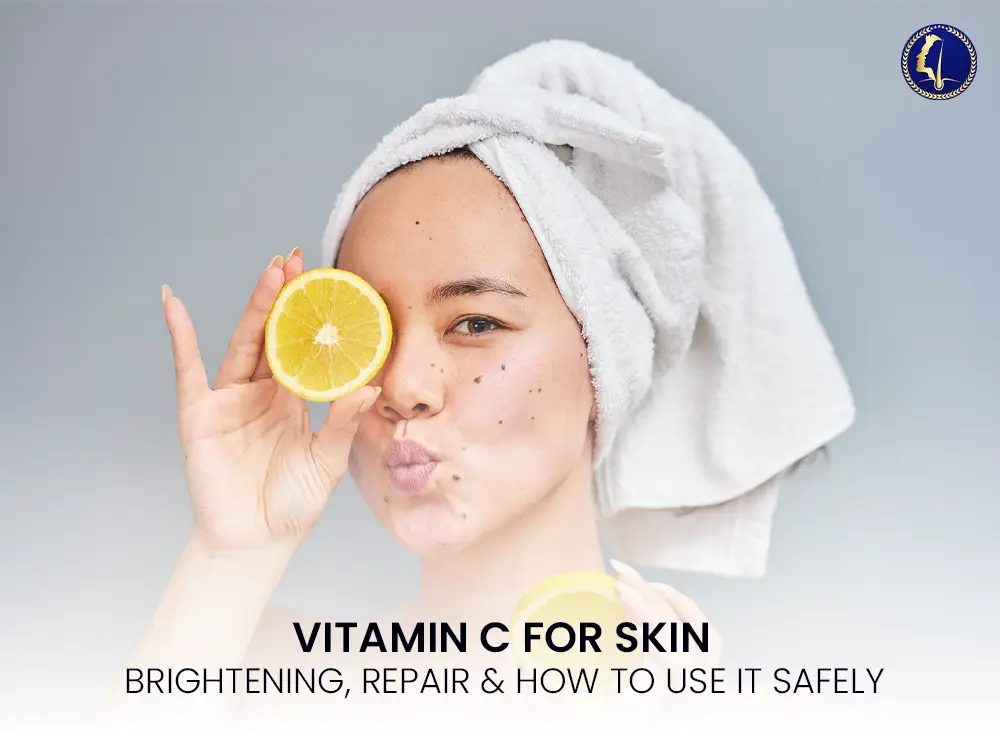
Vitamin C has become a staple in modern skincare—and for good reason. As a potent antioxidant, it brightens dull skin, fades pigmentation, and supports collagen synthesis, making it one of the most effective ingredients for improving skin tone and texture. Whether you’re looking to even out your complexion, fight early signs of aging, or simply restore glow, vitamin C may be the missing step in your skincare routine. What Is Vitamin C in Skincare? In topical products, vitamin C typically comes in the form of L-ascorbic acid, a powerful antioxidant that neutralizes free radicals—unstable molecules caused by UV exposure, pollution, and stress. Topical vitamin C helps repair visible skin damage and improves skin’s firmness, brightness, and overall resilience. Key Benefits of Vitamin C for Skin Benefit How It Works Brightens dull complexion Inhibits melanin production, fades dark spots Fades pigmentation Lightens acne scars, sunspots, melasma Boosts collagen Supports elasticity, reduces fine lines Protects against sun damage Neutralizes free radicals before they harm skin Improves skin texture Encourages smoother, more even-toned skin Types of Vitamin C in Skincare Form Description L-Ascorbic Acid Most effective, but also the most unstable Magnesium Ascorbyl Phosphate Gentler, more stable form for sensitive skin Sodium Ascorbyl Phosphate Often used in acne-fighting formulas Ascorbyl Glucoside Water-soluble and less irritating Most vitamin C serums contain 10% to 20% L-ascorbic acid, often combined with vitamin E and ferulic acid for enhanced stability and performance. How to Use Vitamin C in Your Skincare Routine Cleanse your face to remove dirt and oils Apply vitamin C serum to dry skin in the morning Wait a few minutes, then apply moisturizer and broad-spectrum SPF For nighttime routines, vitamin C can be alternated with retinol or used in gentler forms Start with 2–3 times per week and gradually increase to daily use, based on your skin’s tolerance. Can You Mix Vitamin C With Other Ingredients? ✅ Safe Combinations: Vitamin E and Ferulic Acid (enhance antioxidant power) Niacinamide (if formulated together or layered with a gap) Hyaluronic Acid (hydrates and complements vitamin C) ⚠️ Avoid Mixing With: Retinol (unless alternated by time of day) AHAs/BHAs (may cause irritation if not layered properly) Benzoyl Peroxide (can oxidize and reduce vitamin C’s efficacy) Side Effects & Safety Tips While generally safe, some users may experience: Mild tingling or redness Peeling or irritation with high concentrations Sensitivity to sunlight (always wear SPF) Who Should Be Cautious? People with rosacea, eczema, or very sensitive skin Those using multiple actives (consult a dermatologist before layering) Vitamin C in Professional Treatments Besides topical serums, vitamin C is also used in: 🔹 Clinical Vitamin C Peels Use high-concentration vitamin C combined with AHAs Promote brighter, smoother skin in 1–2 sessions 🔹 Vitamin C Infusions / IV Drips Administered in aesthetic clinics like GLOJAS Aimed at full-body antioxidant support and skin radiance Always ensure clinical treatments are performed at MOH-certified clinics under licensed medical supervision. Choosing the Right Vitamin C Product When selecting a vitamin C serum: Look for L-ascorbic acid between 10–20% Check for low pH (around 3.5) for better absorption Choose dark amber or airless packaging to prevent oxidation Opt for products that also contain ferulic acid or vitamin E for stability Final Thoughts Vitamin C is one of the most powerful, research-backed ingredients for glowing, even-toned skin. It protects, corrects, and rejuvenates when used consistently and correctly. For advanced results, consider combining daily vitamin C use with professional skin brightening treatments offered by certified clinics like GLOJAS Aesthetic Clinic, where treatments are customized based on your skin type, tone, and goals. Frequently Asked Questions (FAQs) 1. Can vitamin C be used every day? Yes, if your skin tolerates it well. Start slowly and increase frequency based on comfort. 2. What’s the best time to apply vitamin C? Morning, after cleansing, followed by sunscreen. It enhances your skin’s UV defense. 3. Does vitamin C lighten skin permanently? It fades pigmentation but does not bleach skin. Consistent use maintains brightness. 4. Can I use vitamin C with retinol? Yes, but not together. Use vitamin C in the morning and retinol at night to reduce irritation. 5. How long before I see results? Visible improvement in skin texture and tone may appear in 2–4 weeks, with full results in 8–12 weeks.
Ekzema Kulit: Jenis, Punca, Gejala, Pantang Larang & Cara Penjagaan Kulit
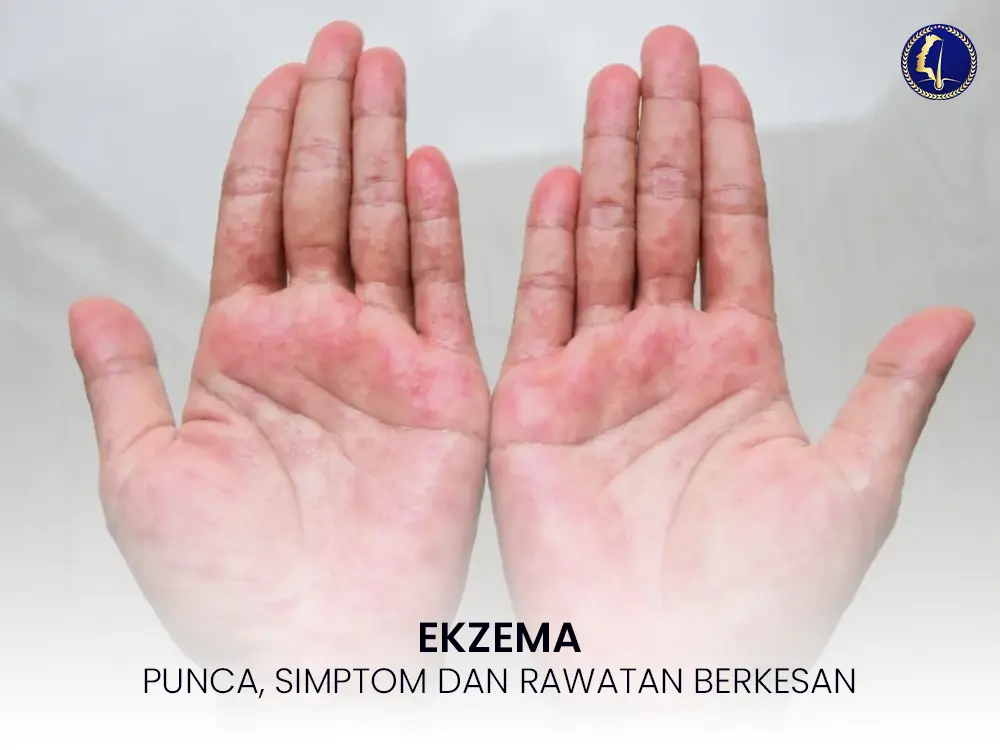
Apa Itu Ekzema? Dermatitis atopik ialah penyakit kulit kronik yang menyebabkan kulit kering, merah, gatal, dan mudah meradang. Ia boleh berlaku pada semua peringkat umur, dari bayi hingga dewasa. Walaupun tidak berjangkit, keadaan ini menjejaskan kualiti hidup akibat gatal dan kerengsaan kulit. Menurut pakar dermatologi, ia berpunca daripada faktor genetik, sistem imun terlalu aktif, serta persekitaran. Tanpa rawatan, kulit mudah dijangkiti bakteria akibat garuan berlebihan. Punca Ekzema Beberapa faktor yang menyumbang termasuk: Genetik: Sering diwarisi dalam keluarga dengan sejarah alergi, asma, atau rhinitis alahan. Sistem imun terlalu aktif: Tindak balas berlebihan terhadap alergen. Faktor persekitaran: Habuk, debunga, bulu haiwan, dan pencemaran udara. Produk penjagaan kulit / bahan kimia: Sabun atau detergen keras boleh mencetuskan keradangan. Tekanan (stress) dan makanan tertentu seperti susu lembu, kacang, atau makanan laut juga boleh memburukkan simptom. Gejala Ekzema Simptom biasa termasuk: Kulit kering, kasar, dan bersisik Ruam merah di lipatan siku, belakang lutut, muka, leher, atau tangan Kegatalan teruk, terutama di tangan, mengganggu aktiviti harian Gatal berterusan, lebih teruk pada waktu malam Luka atau bernanah jika kulit dijangkiti bakteria Jenis-Jenis Ekzema Dermatitis Atopik: Paling biasa, berkait rapat dengan alergi Dermatitis Kontak: Akibat pendedahan kepada bahan pencetus Dyshidrotic: Lepuhan kecil berair di tangan dan kaki Nummular: Tompokan bulat seperti duit syiling Seborrheic Dermatitis: Pada kulit kepala (kelemumur, kulit berminyak) Faktor Risiko Risiko meningkat jika: Ada sejarah keluarga dengan masalah kulit, asma, atau alergi Kulit kering dan sensitif Tinggal di kawasan bandar dengan pencemaran tinggi Menggunakan produk kulit dengan bahan keras Rawatan Ekzema Rawatan Perubatan: Krim pelembap (emollient) – Menghalang kekeringan kulit Krim kortikosteroid – Mengurangkan keradangan Antihistamin – Melegakan gatal Antibiotik – Jika berlaku jangkitan Terapi cahaya (phototherapy) – Menggunakan cahaya UV untuk menenangkan kulit Rawatan Tradisional: Minyak kelapa dara atau minyak zaitun untuk melembapkan Mandi oatmeal colloidal untuk mengurangkan inflamasi Herba seperti lidah buaya untuk melegakan ruam ringan Cara Mengurus di Rumah Gunakan pelembap setiap hari Pilih sabun tanpa pewangi Mandi air suam, bukan panas Pakai pakaian kapas yang selesa Elakkan pencetus seperti makanan alergi, asap rokok, dan stress Pantang Larang dan Pencegahan Jangan menggaru kulit hingga luka Elakkan sabun/detergen keras Mandi terlalu lama dengan air panas Elakkan makanan pencetus alergi Amalkan pelembap harian, elakkan produk kulit dengan alkohol/pewangi, dan kekalkan rumah bebas habuk Kesimpulan Dermatitis atopik ialah masalah kulit kronik yang boleh berlaku pada semua peringkat umur. Rawatan moden, gaya hidup sihat, dan rawatan tradisional boleh membantu mengawal simptom dengan berkesan walaupun tiada penawar sepenuhnya. Soalan Lazim (FAQ) Adakah ekzema boleh sembuh sepenuhnya?Tidak, tetapi simptom boleh dikawal dengan rawatan konsisten. Apakah makanan yang perlu dielakkan?Makanan laut, kacang, susu lembu, gandum. Adakah ia berjangkit?Tidak, ia bukan jangkitan kulit. Perbezaan bayi dan dewasa?Bayi biasanya di pipi, kulit kepala, atau lipatan, dewasa di tangan, leher, dan belakang lutut. Bolehkah rawatan tradisional membantu?Ya, minyak kelapa dara, oatmeal, dan lidah buaya boleh membantu, tetapi rujuk pakar sebelum mencuba. Rawatan Estetik untuk Pengurusan Ekzema Rawatan Melembap & Menenangkan: Klinik menawarkan skin booster lembut, suntikan asid hyaluronik, atau terapi laser yang direka untuk memperbaiki fungsi penghalang kulit dan kelembapan, sekaligus mengurangkan kekeringan dan kerengsaan. Terapi Laser Tanpa Pembedahan: Sesetengah laser tahap rendah atau fraksional boleh membantu menenangkan keradangan, mengurangkan kemerahan, dan menyokong penyembuhan kulit. Panduan Penjagaan Kulit Profesional: Klinik boleh mencadangkan pelembap gred perubatan, pembersih lembut, dan rawatan topikal yang sesuai untuk kulit sensitif. View this post on Instagram A post shared by Glojas Specialist | Plastic Surgery, Hair Transplant, Aesthetic (@glojasaesthetic)
5 Cara Besarkan Payudara yang Ramai Wanita Tak Tahu! Payudara Lebih Montok?

Cara besarkan payudara menjadi topik yang sering dibincangkan kerana ramai wanita inginkan bentuk badan yang lebih seimbang dan menambah keyakinan diri. Saiz serta bentuk payudara boleh dipengaruhi oleh faktor hormon, genetik, kehamilan dan tempoh penyusuan. GLOJAS Specialist Clinic, dengan 27+ tahun pengalaman, menyediakan panduan profesional dan pilihan rawatan selamat bagi mereka yang mencari cara besarkan payudara secara berkesan. Kepakaran pakar bedah estetik bertauliah di klinik ini memastikan setiap prosedur dinilai mengikut keperluan, keselamatan dan hasil terbaik untuk pesakit. Cara Besarkan Payudara Secara Semula Jadi 1. Urutan Payudara Urutan secara konsisten dipercayai membantu melancarkan aliran darah dan merangsang hormon estrogen — hormon yang memainkan peranan penting dalam pertumbuhan tisu payudara. Minyak semula jadi seperti minyak zaitun atau minyak kelapa boleh digunakan untuk memudahkan pergerakan urutan serta meningkatkan keberkesanannya. Cara melakukan urutan: Buat gerakan membulat dari bahagian luar ke bahagian dalam. Amalkan selama 10 minit setiap hari, sebaiknya sebelum tidur. 2. Senaman Penguat Otot Dada Walaupun senaman tidak membesar tisu payudara secara langsung, ia menguatkan otot dada (pectoralis major) yang menjadikan payudara kelihatan lebih tegang, terangkat dan terbentuk. Contoh senaman yang membantu: Push-up Dumbbell chest press Wall press 3. Pemakanan Kaya Fitoestrogen Makanan seperti kacang soya, biji flaks dan kekacang mengandungi fitoestrogen — sebatian tumbuhan yang menyerupai hormon estrogen. Mengambil makanan ini secara konsisten boleh menyokong pertumbuhan tisu payudara. Produk Pembesaran Payudara: Apa Yang Perlu Anda Tahu Di pasaran, terdapat pelbagai produk seperti krim, suplemen dan pil yang mendakwa boleh membesarkan payudara. Namun keberkesanannya bergantung pada bahan aktif, kualiti formulasi serta tindak balas setiap individu. Tip memilih produk yang selamat dalam cara besarkan payudara anda: Pastikan produk berdaftar dengan KKM. Elakkan produk tanpa label jelas atau tuntutan berlebihan. Rujuk ulasan pengguna yang benar dan sahih. Kebanyakan produk hanya memberi kesan sementara dan memerlukan penggunaan berterusan. Jika anda mahukan hasil yang lebih ketara, kaedah perubatan adalah pilihan yang lebih terbukti. Cara Besarkan Payudara Dengan Kaedah Perubatan Jika anda mencari perubahan yang lebih jelas dan tahan lama, cara besarkan payudara pilihan perubatan yang dilakukan oleh pakar bedah plastik bertauliah adalah kaedah paling berkesan. Dua prosedur paling popular ialah: 1. Implan Payudara Implan silikon atau saline dimasukkan ke dalam payudara untuk meningkatkan saiz dan membentuk kontur dada. Prosedur ini biasanya mengambil masa 1–2 jam dan dilakukan di pusat perubatan yang berlesen. Kelebihan: Hasil segera dan tahan lama Pilihan saiz dan bentuk yang pelbagai Selamat jika dilakukan oleh pakar Kekurangan: Memerlukan tempoh pemulihan beberapa minggu Risiko jangkitan atau perubahan bentuk jika implan tidak sesuai 2. Pemindahan Lemak (Fat Transfer Breast Augmentation) Lemak diambil dari kawasan seperti perut atau peha melalui liposuction dan kemudian disuntik ke payudara. Kaedah ini sesuai untuk mereka yang inginkan peningkatan sederhana dengan hasil yang sangat semula jadi. Kelebihan: Menggunakan lemak sendiri tanpa bahan asing Hasil lebih lembut dan natural Membantu membentuk bahagian badan yang disedut lemak Kekurangan: Tidak semua lemak akan kekal Mungkin memerlukan lebih daripada satu sesi untuk hasil optimum Keselamatan dan Keberkesanan Tidak kira kaedah yang dipilih, keselamatan harus menjadi keutamaan. Pastikan anda mendapatkan nasihat daripada doktor bertauliah dan menjalani prosedur di klinik yang berlesen dengan fasiliti perubatan lengkap. Faktor penting yang perlu dipertimbangkan: Pakar bedah berdaftar dan berpengalaman Reputasi serta akreditasi klinik Peralatan dan teknologi pembedahan moden Pemeriksaan kesihatan sebelum prosedur Kesimpulan: Cara Besarkan Payudara Yang Sesuai Untuk Anda Terdapat banyak cara untuk membesarkan payudara, bergantung pada matlamat, bajet, dan tahap keselesaan anda. Kaedah semula jadi seperti senaman, urutan dan pemakanan adalah langkah awal yang selamat. Namun, jika anda inginkan perubahan yang lebih ketara dan tahan lama, prosedur perubatan seperti implan atau pemindahan lemak patut dipertimbangkan. Buat keputusan secara bijak dan dapatkan konsultasi daripada pakar di klinik yang diiktiraf. Dengan pendekatan yang betul, pembesaran payudara boleh dilakukan dengan selamat dan memberikan hasil yang memuaskan. Soalan Lazim (FAQ) Cara Besarkan Payudara 1. Adakah senaman boleh membesarkan payudara?Senaman tidak membesarkan tisu payudara secara langsung, tetapi ia membantu menguatkan otot dada dan memperbaiki bentuk keseluruhan. 2. Berapa lama masa untuk melihat kesan urutan atau pemakanan?Kesan biasanya kelihatan selepas beberapa bulan jika dilakukan secara konsisten, tetapi bergantung pada individu. 3. Adakah implan payudara berisiko tinggi?Risikonya rendah jika dilakukan oleh pakar bertauliah di fasiliti yang berlesen dengan pemeriksaan susulan yang teratur. 4. Siapakah calon terbaik untuk pemindahan lemak?Mereka yang mempunyai lebihan lemak di kawasan tertentu dan mahukan peningkatan sederhana dengan hasil semula jadi. 5. Berapakah kos pembesaran payudara di Malaysia?Implan biasanya sekitar RM15,000–RM25,000, manakala fat transfer bergantung pada jumlah lemak yang diperlukan dan penilaian doktor.
Alopecia Areata: Causes, Treatment Options & Everything You Need To Know
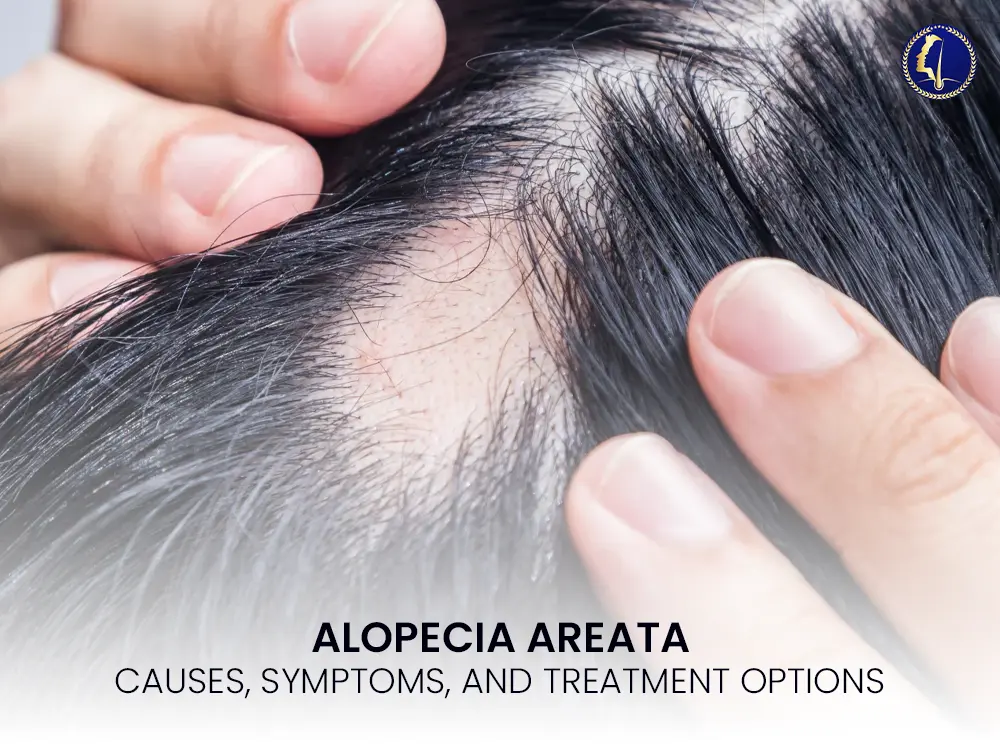
What Is Alopecia Areata? Alopecia areata is an autoimmune condition where the body’s immune system mistakenly attacks healthy hair follicles, leading to sudden hair loss in round or oval patches, most commonly on the scalp. However, it can also affect the eyebrows, eyelashes, beard, or body hair. It is non-scarring (no permanent damage to follicles) and may be temporary or long-lasting, depending on severity and treatment. Causes of Alopecia Areata While the exact cause is unknown, alopecia areata is believed to be triggered by a combination of genetic, autoimmune, and environmental factors. Common contributors include: Autoimmune response – The immune system targets hair follicles. Genetics – Often runs in families. Stress – Emotional or physical stress may contribute to flare-ups. Infections or Illnesses – Viral infections or immune triggers. Other autoimmune diseases – Like thyroid issues or vitiligo. Common Symptoms Sudden appearance of round, smooth bald patches on the scalp or beard. Tingling or mild discomfort in affected areas before hair loss. Exclamation mark hairs – Short, broken hairs at patch borders. Nail changes (ridges, pitting) in some patients. Types of Alopecia Areata Type Description Alopecia Areata Patchy hair loss on the scalp or face Alopecia Totalis Complete loss of hair on the scalp Alopecia Universalis Loss of all body hair (including eyebrows, eyelashes, body hair) Ophiasis Pattern Hair loss in a wave-like pattern around the sides and lower back of the scalp Diagnosis Diagnosis is typically clinical and may involve: Physical scalp examination Dermatoscopy to examine hair follicles Blood tests to check for autoimmune markers or thyroid dysfunction Biopsy in rare or unclear cases Treatment Options for Alopecia Areata While there is currently no cure, several effective treatments help stimulate regrowth or manage symptoms: 🔹 Topical Treatments Topical corticosteroids – Reduce inflammation and immune response Minoxidil (5%) – Promotes blood flow and hair regrowth Anthralin – Used for chronic cases, encourages irritation-regeneration cycle 🔹 Injectable Corticosteroids Intralesional steroid injections into the bald patches are commonly used for mild or moderate patchy alopecia with high success rates. 🔹 Oral Treatments Corticosteroids for short-term control of widespread hair loss JAK inhibitors (tofacitinib, baricitinib) – Advanced immunotherapy with promising results Immunosuppressants – Used under specialist care for resistant cases 🔹 PRP Hair Injection (Platelet-Rich Plasma) Promotes natural healing and hair regrowth using the patient’s own blood plasma Often combined with microneedling for better results Lifestyle & Supportive Care Reducing stress and managing autoimmune triggers Using cosmetic camouflage like wigs, makeup, or microblading Joining support groups for mental and emotional health Using UV protection on bald patches to prevent sunburn Prognosis The outcome of alopecia areata varies. Some patients experience spontaneous hair regrowth within months, while others may have chronic or recurring episodes. Early treatment typically improves outcomes. FAQs About Alopecia Areata 1. Is alopecia areata permanent?Not always. Many cases see spontaneous regrowth, though recurrence is common. 2. Can alopecia areata be cured?There is no cure, but treatments are available to manage and stimulate regrowth. 3. Is alopecia areata contagious?No. It is an autoimmune condition and cannot be spread to others. 4. Will my hair grow back the same?Regrown hair may initially appear white or fine, but normal color and texture often return. 5. Who should I consult for alopecia areata?Consult a dermatologist or hair restoration specialist for accurate diagnosis and treatment. Seeking Alopecia Areata Treatment in Malaysia? If you’re experiencing patchy hair loss, early intervention can make a significant difference. Clinics like GLOJAS Aesthetic Clinic offer medical evaluations, scalp therapies, and advanced treatments such as PRP and corticosteroid injections to support regrowth safely and effectively.
Male Pattern Baldness Treatment Malaysia: Causes, Stages & Hair Loss Solutions for Men
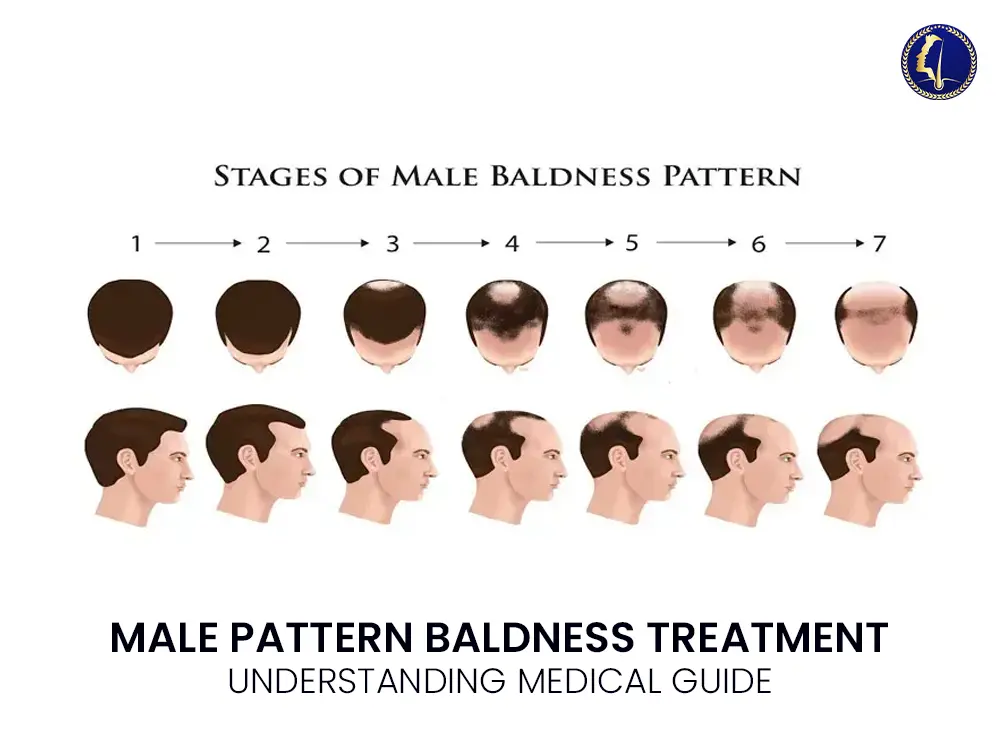
Understanding Male Pattern Baldness (Androgenetic Alopecia) Male pattern baldness—also known as androgenetic alopecia—is the most common type of hair loss among men, affecting over 50% of males by the age of 50. Characterized by a receding hairline, thinning crown, and eventual hair loss on the top of the scalp, it is a progressive condition with genetic and hormonal underpinnings. In this blog, we’ll explore the causes, clinical progression, and evidence-based treatment options for male pattern baldness, including pharmaceutical, procedural, and lifestyle interventions. Our goal is to provide a reliable, medically sound overview rooted in current clinical best practices. Main Causes of Male Pattern Baldness: Genetics, DHT & Hormonal Factors Male pattern baldness is primarily caused by a genetic sensitivity to dihydrotestosterone (DHT), a byproduct of testosterone. Hair follicles on the scalp, particularly around the temples and crown, shrink under the influence of DHT—a process known as follicular miniaturization. Over time, affected follicles produce thinner, shorter hairs until they stop producing hair altogether. Contributing Factors: Genetics: Family history is the strongest predictor. Hormonal changes: Elevated DHT levels trigger follicle miniaturization. Age: The likelihood increases with age, especially after 40. Stress and nutrition: While not primary causes, these can exacerbate hair loss. Signs and Stages: Male Pattern Baldness Progression (Norwood Scale) Diagnosis is usually clinical, based on history and physical examination. The Norwood-Hamilton scale is commonly used to classify stages of baldness, ranging from minimal hairline recession (Stage I) to severe vertex and frontal hair loss (Stage VII). Diagnostic Tools: Dermatoscopy: To inspect scalp follicular health. Scalp biopsy: In uncertain or atypical cases. Hormonal panels: If hair loss presents atypically or rapidly. Best Male Pattern Baldness Treatments in Malaysia Treatment strategies focus on slowing hair loss, stimulating regrowth, and restoring density. The most effective approaches often combine pharmaceutical therapy with procedural options. 1. Pharmacological & FDA-Approved Medications a. Minoxidil (Topical) Mechanism: Vasodilator that increases blood flow to hair follicles. Formulation: 2% or 5% solution or foam. Usage: Twice daily; long-term use is required. Effectiveness: Visible results typically within 3-6 months. FDA approved. b. Finasteride (Oral) Mechanism: Inhibits 5-alpha reductase, reducing DHT levels. Dosage: Typically 1 mg daily. Effectiveness: Slows progression in ~90% of users; regrowth in ~60%. FDA approved. Side effects: Decreased libido, erectile dysfunction (in a small percentage). 2. Procedural Hair Restoration Options a. Platelet-Rich Plasma (PRP) Therapy Mechanism: Uses patient’s own platelets to stimulate follicular activity. Procedure: Blood is centrifuged, platelets extracted and injected into the scalp. Evidence: Promising in early-stage baldness, though results vary. b. Hair Transplant Surgery Techniques: FUT (Follicular Unit Transplantation) or FUE (Follicular Unit Extraction). Effectiveness: Permanent, natural-looking results. Ideal candidates: Men with stabilized hair loss and adequate donor hair. 3. Adjunctive Therapies Low-Level Laser Therapy (LLLT): May stimulate follicular function. Nutritional supplements: Biotin, iron, and vitamin D if deficiencies exist. Ketoconazole shampoo: Has mild anti-androgenic properties. Preventing and Slowing Male Pattern Baldness While genetics are non-modifiable, certain lifestyle adjustments may optimize scalp health and potentially delay progression: Reduce stress: Chronic stress raises cortisol, possibly aggravating hair loss. Anti-inflammatory diet: Rich in omega-3s, antioxidants, and lean protein. Scalp hygiene: Prevents buildup that may clog follicles. Avoid harsh treatments: Minimize heat styling, bleaching, and tight hairstyles. Conclusion Male pattern baldness is a chronic but manageable condition. The key to effective treatment is early intervention, consistent adherence to therapy, and consultation with a board-certified dermatologist or hair restoration specialist. A personalized, evidence-based approach combining medication, procedures, and lifestyle management offers the best results. FAQs 1. Can Male Pattern Baldness Be Reversed? While complete reversal is rare, early treatment can slow or halt progression and in some cases, promote regrowth. Advanced cases may benefit from hair transplantation. 2. Is Finasteride Safe for Long-Term Use? Yes, clinical studies support its long-term safety for most users, though some report sexual side effects. Regular monitoring by a physician is recommended. 3. Does Stress Cause Hair Loss? Stress alone doesn’t cause male pattern baldness but may accelerate the process. Telogen effluvium, another type of hair loss, is directly stress-related. 4. How Long Until Minoxidil Shows Results? Typically 3 to 6 months of consistent use are needed to notice visible improvement. Initial shedding may occur but is usually temporary. 5. Do Natural Remedies Work for Hair Loss? There’s limited scientific evidence supporting natural remedies. While some may improve scalp health, they are not substitutes for clinically proven treatments like minoxidil or finasteride. Expert Hair Loss Treatment Insights from GLOJAS Plastic Surgery Specialist Clinic Male pattern baldness treatment, also known as androgenetic alopecia, remains the most common cause of hair loss in men — but it’s also one of the most treatable when addressed early. The most effective hair loss treatment for men often involves combination therapy, such as topical or oral minoxidil paired with finasteride or dutasteride, both of which are FDA-approved 5-alpha-reductase inhibitors (5-ARIs) that reduce DHT levels. Some patients benefit from adding ketoconazole shampoo or natural DHT blockers like saw palmetto and pumpkin seed oil for a gentler boost. For those seeking alternatives, oral minoxidil (off-label) and microneedling with minoxidil or finasteride are showing impressive results in clinical studies. Beyond medication, procedural and device-based options are redefining hair restoration for men. PRP (Platelet-Rich Plasma) therapy stimulates dormant follicles using your own growth factors, while microneedling enhances topical treatment absorption for thicker regrowth. Advanced hair transplant techniques like FUE or FUT deliver permanent, natural-looking results for men with stabilized hair loss. For non-surgical enhancement, LLLT (Low-Level Laser Therapy) helmets, caps, and combs — whether using laser diodes or LED light devices — can improve scalp circulation and follicle activity. Experimental approaches such as Redensyl, Botox scalp injections, and emerging hair cloning and stem cell therapy represent exciting frontiers for the future. A holistic approach also addresses the emotional and lifestyle aspects of baldness. Many men experience anxiety, self-esteem issues, and even social media–driven body image pressure due to hair loss. Incorporating stress reduction, an anti-inflammatory diet rich in omega-3s and antioxidants, and avoiding harsh styling practices like heat, bleaching, or tight hairstyles