
GLOJAS Specialist Clinic offers professional Skin Tag Removal in Malaysia using advanced, painless techniques. Their LCP-certified doctors ensure safe, scar-free results for a smoother, clearer complexion.
What Are Skin Tags?
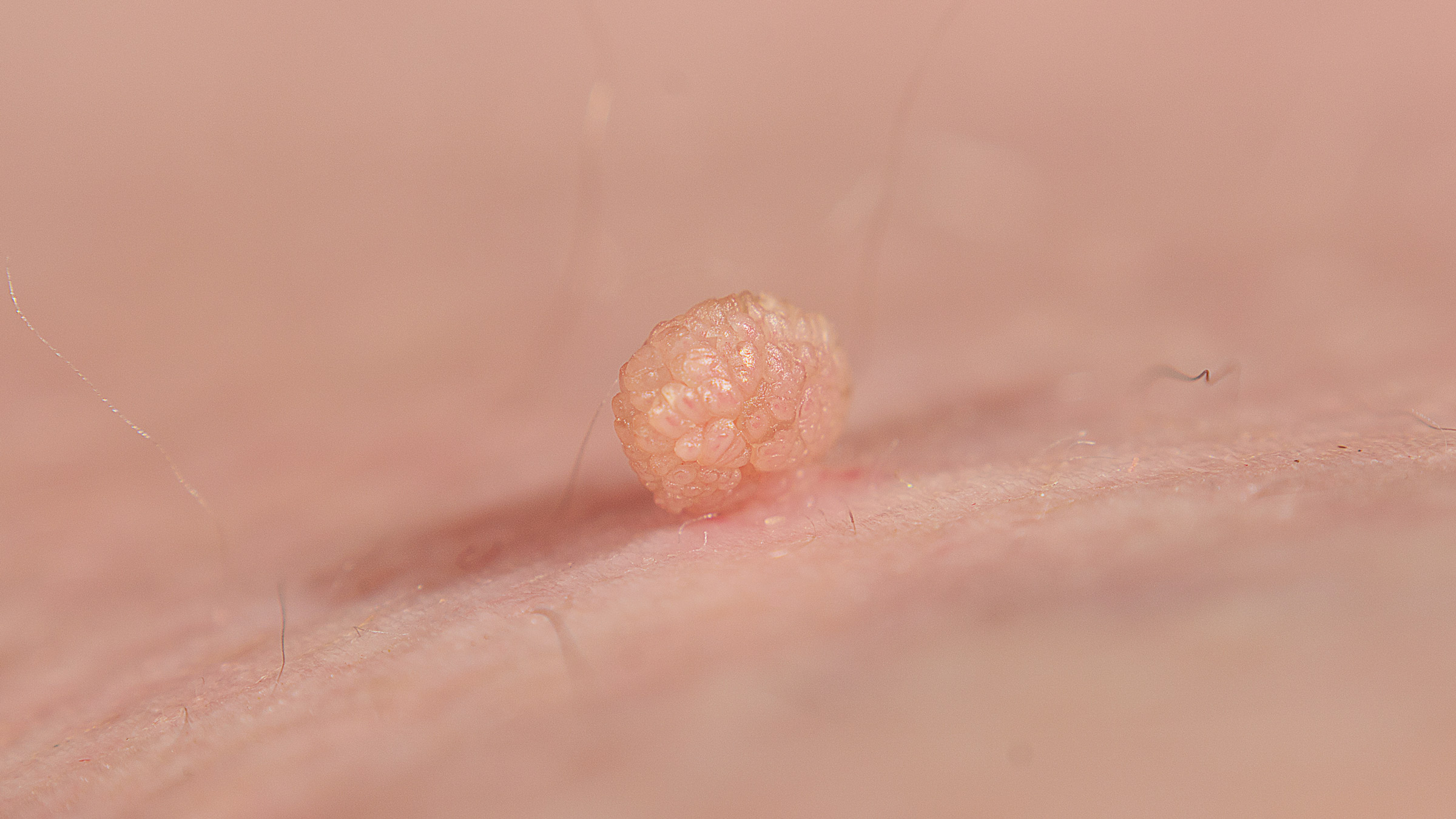
Definition and Types of Skin Tags
Scientifically known as acrochordons, skin tags are benign (non-cancerous) skin growths. They consist of a core of fibers, nerve cells, fat cells, and a covering of epidermis. They typically hang off the skin by a thin stalk called a peduncle, ranging from 2mm to 1cm in size.
Difference Between Skin Tags, Moles, and Warts
Unlike moles, which are usually pigmented and flat or slightly raised, skin tags hang loosely. Warts are caused by the human papillomavirus (HPV) and tend to have a rougher, “cauliflower-like” surface. Skin tags are smooth, soft, and not contagious, unlike viral warts.
Common Areas Where Skin Tags Appear
These growths thrive in areas where skin creases. Common spots include the eyelids, neck, armpits, under the breasts, and the groin. In Malaysia’s humid weather, sweat can increase friction in these folds, making these specific regions primary “hotspots” for tag development.
Main Causes of Skin Tags
Friction and Skin Rubbing
The most frequent cause is mechanical irritation. Continuous skin-on-skin contact or friction from tight clothing and jewelry can stimulate the growth of these tabs. This is why they are often found in the axilla (armpit) or along the neckline where collars rub daily.
Genetics and Family History
If your parents have skin tags, you likely will too. Research suggests a strong genetic predisposition; a family history of multiple acrochordons often dictates how early they appear and how many you might develop over your lifetime, regardless of other health factors.
Hormonal Changes (Pregnancy, Hormonal Imbalance)
Pregnancy is a major trigger due to a surge in growth hormones and estrogen. These hormones can stimulate the division of skin cells in the outer layers. Many Malaysian women report a sudden increase in neck tags during the second trimester of pregnancy.
Obesity and Weight Gain
A high Body Mass Index (BMI) is significantly correlated with skin tags. Excess skin folds provide more opportunities for friction. Furthermore, the skin’s surface area increases with weight gain, providing more “real estate” for these benign growths to form in hidden creases.
Insulin Resistance and Diabetes
There is a proven link between skin tags and metabolic syndrome. High levels of insulin in the blood (hyperinsulinemia) can activate insulin-like growth factor receptors, promoting skin cell proliferation. Multiple tags on the neck are often an early clinical sign of Type 2 Diabetes.
Complete Edition
Friction – Repeated skin-on-skin or skin-on-clothing rubbing, especially in body folds like the neck, underarms, groin, and under the breasts.
Obesity and excess weight – More skin folds create constant friction and moisture, dramatically increasing skin tag formation.
Genetics and family history – Having close blood relatives with skin tags significantly raises your own risk of developing them.
Type 2 diabetes and insulin resistance – High insulin levels stimulate skin cell overgrowth and promote tag development.
Hormonal changes – Pregnancy (especially second and third trimesters) and growth hormone disorders frequently trigger multiple skin tags.
Metabolic syndrome – Having obesity, high blood pressure, high blood sugar, and abnormal cholesterol together strongly correlates with skin tags.
Age – Skin tags become increasingly common after age 40, with prevalence rising as skin loses elasticity and collagen.
Human papillomavirus (HPV) – Low-risk HPV strains (especially HPV 6 and 11) have been detected in some skin tag tissue samples.
Poorly fitting clothing or jewellery – Constant rubbing from tight collars, bra straps, necklaces, belts, or watch bands can irritate skin and cause tags.
Polycystic ovary syndrome (PCOS) – Women with PCOS often develop skin tags due to chronic insulin resistance and hormonal imbalances.
Steroid use – Long-term use of topical or systemic corticosteroids may weaken skin structure and contribute to tag formation.
Acromegaly – This rare hormonal disorder (excess growth hormone) causes skin thickening and multiple skin tags as a characteristic sign.
Poor hygiene – Accumulated sweat, dirt, and bacteria in skin folds can cause chronic low-grade inflammation that may trigger tags.
Nutritional deficiencies – Some studies suggest low levels of vitamin D and certain B vitamins may increase susceptibility to skin tags.
Other Contributing Factors
Age and Skin Elasticity
As we age, skin loses its structural integrity and collagen. This loss of “snap” makes it easier for the skin to fold and rub against itself. Most people start noticing skin tags in their 40s or 50s as a natural part of the aging process.
Certain Medical Conditions
Conditions like Birt-Hogg-Dubé syndrome or Polycystic Ovary Syndrome (PCOS) are associated with frequent skin growths. If you notice a sudden “crop” of tags appearing overnight, it may be an internal signal to check your hormonal health with a qualified healthcare provider.
Medications That May Trigger Skin Tags
Some studies suggest that certain growth hormone treatments or illegal anabolic steroids can accelerate the formation of acrochordons. These substances mimic natural growth factors in the body, leading to rapid skin cell multiplication and the development of larger, more numerous tags.
Lifestyle and Environmental Factors
While not a direct cause, poor diet and a sedentary lifestyle contribute to the metabolic triggers mentioned earlier. In Malaysia, high-sugar diets can worsen insulin resistance, indirectly fueling the biological environment that allows skin tags to flourish and multiply across the body.
How to Identify Skin Tags
Appearance, Size, and Texture
Skin tags are soft, flesh-colored, or slightly hyperpigmented. They feel like small, deflated balloons. Most are tiny, but some can grow to the size of a grape. They are usually painless unless they get caught on clothing or twisted on their stalk.
Differentiating Skin Tags from Other Skin Growths
A key identifier is the peduncle (stalk). Moles are usually attached by their entire base. If a growth is hard, scaly, or bleeding, it is likely not a skin tag. Seborrheic keratoses are another common mimic, but they appear “stuck on” and waxy.
When to Consult a Dermatologist
You should see a certified skin specialist if a tag changes color, becomes painful, or bleeds. While skin tags are benign, a professional can perform a biopsy if there is any doubt to rule out skin cancers like basal cell carcinoma or amelanotic melanoma.
Treatment Options for Skin Tags in Malaysia
Medical Removal Procedures (Excision, Cryotherapy, Cauterization)
Excision: Snipping the tag with sterile surgical scissors.
Cryotherapy: Freezing the tag with liquid nitrogen.
Electrocautery: Using a high-frequency electrical current to “burn” the tag off.
These procedures are quick, usually taking less than 15 minutes for multiple tags.
At-Home Remedies: Risks and Safety
Avoid “DIY” ligation with string or unregulated pharmacy “freezing” kits. These often lead to incomplete removal, severe infection, or permanent scarring. In Malaysia’s humid climate, open wounds from home removals are highly susceptible to bacterial infections like cellulitis.
Cost of Skin Tag Removal in Malaysia
The cost varies depending on the number of tags and the method used. Generally:
GP/Clinic Removal: RM 100 – RM 300 for a few tags.
Specialist/Laser Removal: RM 500 – RM 1,500 for larger clusters.
Price is often influenced by the complexity and the equipment used.
Choosing a Qualified Clinic and Specialist
Ensure the clinic is registered with the Ministry of Health (MOH) Malaysia. Look for doctors with a Letter of Credentialing and Privileging (LCP) in Medical Aesthetics. This ensures the practitioner has the necessary training to handle complications and maintain sterile standards.
Preventing Skin Tags Naturally
Reducing Friction and Skin Irritation
Wear breathable, loose-fitting cotton clothing to minimize rubbing. Using anti-friction powders or balms in areas like the inner thighs or underarms can also help. For those who wear necklaces, choosing smoother chains can prevent irritation around the delicate neck skin.
Maintaining Healthy Weight and Lifestyle
Since obesity is a primary driver, maintaining a healthy BMI can significantly reduce the formation of new tags. Regular exercise and a balanced diet help keep skin folds to a minimum and improve overall skin health through better circulation.
Managing Hormonal Imbalances and Diabetes
Keeping blood sugar levels stable is the best “internal” prevention. A low-glycemic diet reduces insulin spikes that trigger skin cell growth. Monitoring your HbA1c levels regularly is crucial if you are predisposed to insulin resistance and recurrent skin tags.
FAQs About Skin Tags
Can skin tags disappear on their own?
It is rare for a skin tag to disappear spontaneously. Occasionally, the stalk may twist, cutting off the blood supply (necrosis), causing the tag to turn black and fall off. However, most remain permanent until medically removed by a professional.
Are skin tags dangerous or cancerous?
No, skin tags are almost always benign. They do not “turn into” cancer. However, because some skin cancers can mimic the appearance of a tag, it is always safer to have any new or changing growth checked by a dermatologist.
How fast do skin tags grow?
They generally grow very slowly and often stop at a certain size. However, during periods of rapid hormonal change (like pregnancy), they can appear and enlarge within a few weeks. They do not spread like a virus, but new ones often form nearby.
Is skin tag removal painful?
When done professionally, pain is minimal. For larger tags, doctors use a local anesthetic or numbing cream. Most patients describe the sensation as a tiny pinch or a quick sting. The recovery time is negligible, with most spots healing within a few days.
Can diet or lifestyle prevent skin tags?
Yes. By managing your blood glucose and insulin levels, you can lower the growth factors that cause tags. Reducing sugar intake and staying active are the most effective lifestyle changes to prevent future outbreaks of acrochordons.