
Tired of looking exhausted even after a full night’s sleep? In 2026, dermal fillers for cheeks also known as cheek fillers have become the ultimate “filter-free” solution in Malaysia for restoring youthful contours. This non-surgical treatment instantly lifts the face, erasing the hollows that time and gravity leave behind, all while keeping you looking like you.
At GLOJAS Specialist Clinic, dermal fillers are expertly administered to restore facial volume and contour, delivering natural, long-lasting results with precision.
Understanding Cheek Fillers: How They Work and What to Expect
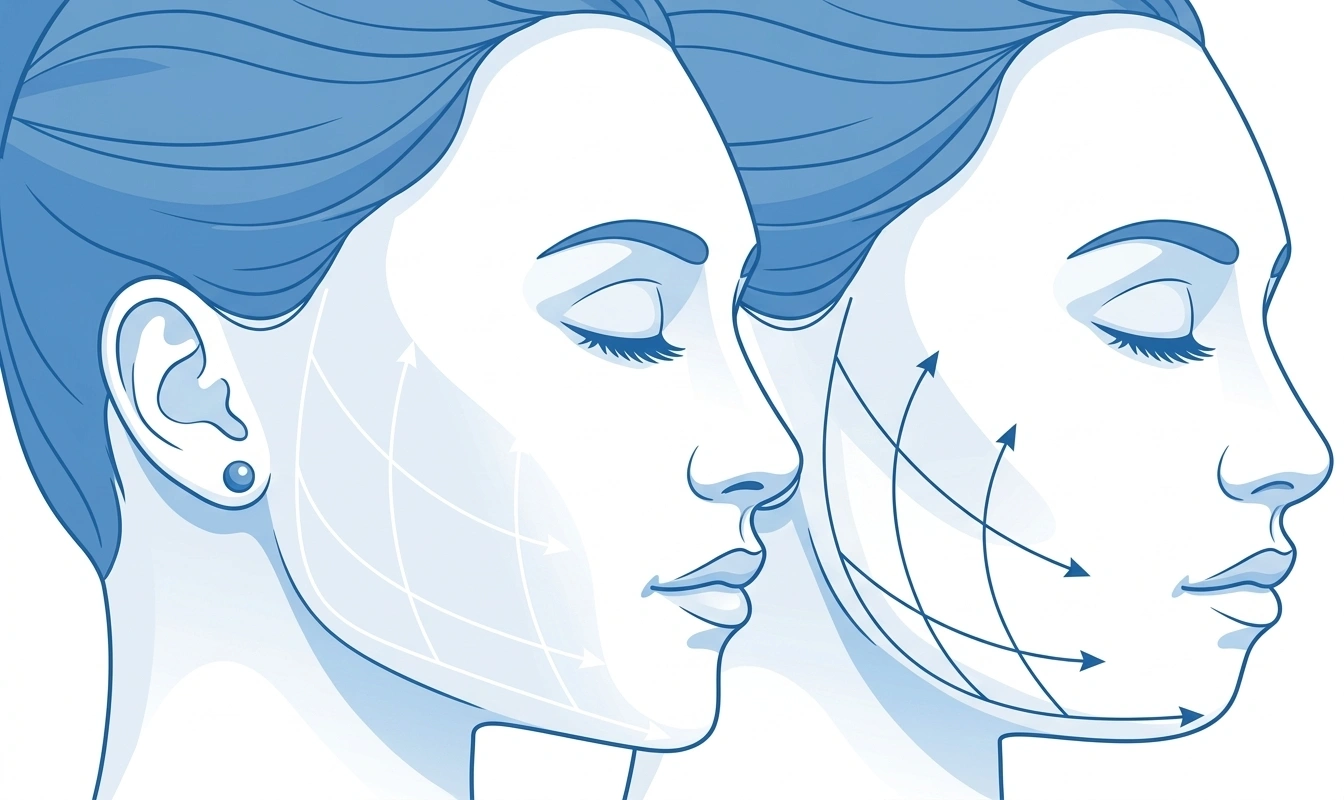
Cheek fillers are injectable gels used to add volume to the mid-face area. They act as a supportive scaffold, lifting sagging skin and smoothing out fine lines. Expect a quick procedure with immediate results, providing a refreshed and more structured facial profile without any invasive surgery.
The Science Behind Hyaluronic Acid-Based Cheek Fillers
Most modern fillers use Hyaluronic Acid (HA), a sugar molecule naturally found in your skin that holds 1,000 times its weight in water. Brands like Juvederm Voluma or Restylane Lyft utilize cross-linking technology to create a firm gel that mimics natural bone and deep fat pads, ensuring a seamless blend.
Key Benefits: Volume Restoration, Contouring, and Lift
Beyond just “filling,” these injectables provide a subtle liquid facelift. They define the cheekbones, reduce the appearance of nasolabial folds, and correct mid-face sagging. By restoring the “Ogee curve”—the youthful S-shaped contour of the cheek—you achieve harmonious facial balance and a natural-looking lift that radiates health.
Who Is a Good Candidate for Cheek Fillers?
If you’ve noticed your face looking “flatter” or more angular than it used to, you’re likely a great candidate. It’s perfect for those experiencing early signs of aging or anyone who naturally lacks cheek definition and wants a more contoured, model-like bone structure without permanent implants.
Signs of Age-Related Volume Loss in the Cheeks
Look for “tear troughs” (hollows under the eyes), deepening smile lines, or skin that seems to “pool” near the jawline. These are signs that your natural malar fat pads are shrinking or descending. Fillers replace this lost volume, reversing the sunken appearance often caused by aging or significant weight loss.
Ideal Candidates Based on Skin Type and Health Profile
The best candidates are healthy non-smokers with realistic expectations. While safe for all skin types on the Fitzpatrick scale, your skin should have enough elasticity to support the filler. Your LCP-certified doctor will assess your medical history to ensure you don’t have active infections or allergies to the gel’s components.
Cheek Fillers in Malaysia: What You Need to Know
Malaysia is a global hub for high-quality aesthetic medicine, offering world-class fillers at competitive prices. However, regulations are strict; only licensed medical practitioners are permitted to perform filler injections. This ensures that your “lunchtime beauty fix” is backed by rigorous safety standards and clinical expertise.
Average Cost of Cheek Fillers in Malaysia (RM)
In 2026, the cost for cheek fillers in Malaysia typically ranges from RM1,800 to RM3,500 per syringe. Most patients require 1–2 syringes for a full mid-face rejuvenation. Prices vary based on the brand (e.g., Teosyal, Belotero) and the clinic’s location in major hubs like Kuala Lumpur or Penang.
What to Look for in a Licensed Aesthetic Doctor for Cheek Fillers
Don’t settle for a “beautician.” Your doctor must have a Letter of Credentialing and Privileging (LCP) from the Ministry of Health. This certification proves they have mastered facial anatomy and complication management, which is vital when injecting near major blood vessels and nerves in the mid-face area.
The Cheek Filler Treatment Process: Before, During, and After
The entire journey is surprisingly fast and straightforward. From the initial “mapping” of your face to the final reveal, the process is designed to be comfortable. Most patients find they can jump right back into their daily routine, making it the perfect busy-professional treatment.
Consultation and Facial Assessment for Cheek Enhancement
Your doctor will analyze your facial proportions from multiple angles. They won’t just look at your cheeks; they’ll look at how volume there affects your eyes and jawline. This bespoke assessment ensures the filler is placed to enhance your unique features rather than creating a “cookie-cutter” puffy look.
The Cheek Filler Injection Procedure: Techniques and Duration
After applying numbing cream, the doctor uses a fine needle or a blunt-tipped cannula to place the gel. A cannula is often preferred for cheeks as it reduces bruising and increases safety. The actual injecting takes only 15 to 30 minutes, and you’ll see the volume change instantly in the mirror.
Recovery, Side Effects, and Aftercare for Cheek Fillers
Expect mild swelling or redness for 24–48 hours. Avoid strenuous exercise, saunas, and sleeping on your face for the first two nights. Applying a cool compress helps with any minor bruising. Most side effects are extremely temporary, allowing you to enjoy your new, lifted look almost immediately after leaving the clinic.
Comparing Cheek Fillers to Other Cheek Rejuvenation Options
Fillers aren’t the only way to get high cheekbones, but they are often the most practical. Depending on your goals—whether you want a temporary boost or a permanent change—it’s worth comparing injectables to more “permanent” surgical alternatives currently available in the Malaysian market.
Cheek Fillers vs. Surgical Cheek Implants
Implants are permanent silicone structures placed via surgery. While they offer a “forever” solution, they carry surgical risks and can shift over time. Fillers are non-invasive and adjustable, allowing your doctor to “tweak” your look as your face naturally ages, which most patients find much more appealing.
Cheek Fillers vs. Fat Grafting for the Cheeks
Fat grafting involves liposuction to harvest your own fat, which is then injected into the cheeks. It’s more “natural” but requires surgery and has an unpredictable survival rate. Fillers provide consistent, predictable volume without the need for a donor site or the downtime associated with liposuction recovery.
Combining Cheek Fillers with Other Aesthetic Treatments
For a total “glow-up,” fillers are often paired with Botox to smooth wrinkles or HIFU to tighten the skin. This multi-layered approach addresses volume, skin texture, and muscle movement simultaneously. Many Malaysian clinics offer curated “Liquid Facelift” packages that combine these modalities for a more comprehensive and long-lasting anti-aging effect.
Finding Trusted Cheek Filler Providers in Malaysia
With so many clinics in the Klang Valley, choosing one can feel overwhelming. Prioritize medical excellence over “Instagram-famous” deals. A reputable provider will focus on safety, use only authentic products, and provide a clean, sterile environment that meets KKM (Ministry of Health) standards.
How to Verify Clinic Credentials and Doctor Qualifications
Search the National Specialist Register (NSR) or the MMC Medical Register for your doctor’s name. Check that the clinic displays its Borang B or Borang G license. These steps confirm that the facility is a legitimate medical clinic authorized to perform aesthetic injections and handle medical emergencies if they arise.
Patient Reviews and Before-and-After Photos for Cheek Fillers
Don’t just look at the “best” photos; look for consistency in their portfolio. Reviews on Google and RealSelf can give you insight into the doctor’s bedside manner and long-term patient satisfaction. Authentic results should look “un-done”—where you look younger and more vibrant, but no one can tell why.
Red Flags to Avoid When Choosing a Cheek Filler Provider
Avoid clinics offering “too good to be true” prices or those using unbranded, “house” fillers. If a provider avoids showing you the original packaging or skips the medical consultation, walk away. Safety should never be sacrificed for a discount, especially when it involves your face and systemic health.
Frequently Asked Questions About Cheek Fillers
How Long Do Cheek Fillers Last?
Most HA cheek fillers last between 12 to 24 months. Because the cheeks don’t move as much as the mouth, the body takes longer to break down the gel. Factors like your metabolism, exercise habits, and the specific filler brand used will determine your personal results’ longevity.
Are Cheek Fillers Safe for Long-Term Use?
Yes! Hyaluronic acid fillers have been used safely for decades. Since the body naturally absorbs them, there is no permanent “build-up.” Many patients have successfully maintained their results for over 10 years with regular, small “top-up” sessions that adapt to their changing facial structure.
Can Cheek Fillers Be Dissolved If Unsatisfied?
One of the best features of HA fillers is that they are reversible. An enzyme called Hyaluronidase can be injected to dissolve the filler within 24 hours. This provides peace of mind, knowing that if the result isn’t perfect, it can be easily and safely erased.
Book a Consultation for Cheek Fillers in Malaysia
Ready to reclaim your glow? The first step is a professional chat. Most top-tier Malaysian clinics offer detailed consultations where they use digital mapping to show you exactly how fillers can balance your features. It’s the best way to get all your specific questions answered.
What to Prepare for Your First Cheek Filler Visit
Bring a list of any medications or supplements you take (like Aspirin or Vitamin E). It’s also helpful to bring a photo of yourself from 5–10 years ago to show your doctor your natural volume. Avoid alcohol for 24 hours before your appointment to minimize any potential bruising.
Contact Information for Leading Cheek Filler Clinics
Most reputable clinics are located in Bangsar, Mont Kiara, and KLCC. You can easily book appointments via WhatsApp or their official websites. Ensure the clinic is registered with the Malaysian Medical Council and has an LCP-certified doctor on-site before confirming your booking for any cheek enhancement procedure.