
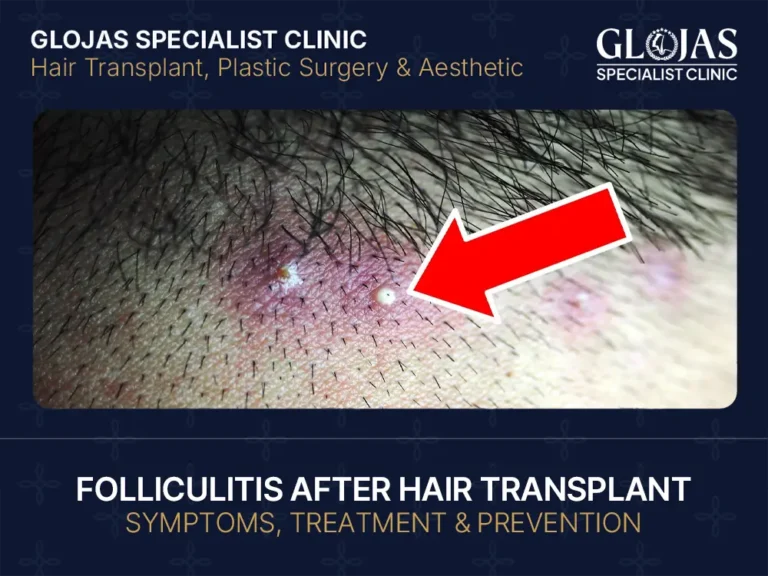
So, you’ve just gone through the journey of a hair restoration surgery in Malaysia, and suddenly you notice some unexpected guests: small, red bumps on transplanted hair areas. Before you panic and think your new grafts are failing, take a deep breath. What you’re likely experiencing is Folliculitis After Hair Transplant. While it looks alarming, it’s a relatively common hurdle on the road to a full head of hair. Let’s dive into what’s happening on your scalp and how to fix it.
What Is Folliculitis After Hair Transplant?
Definition and Symptoms
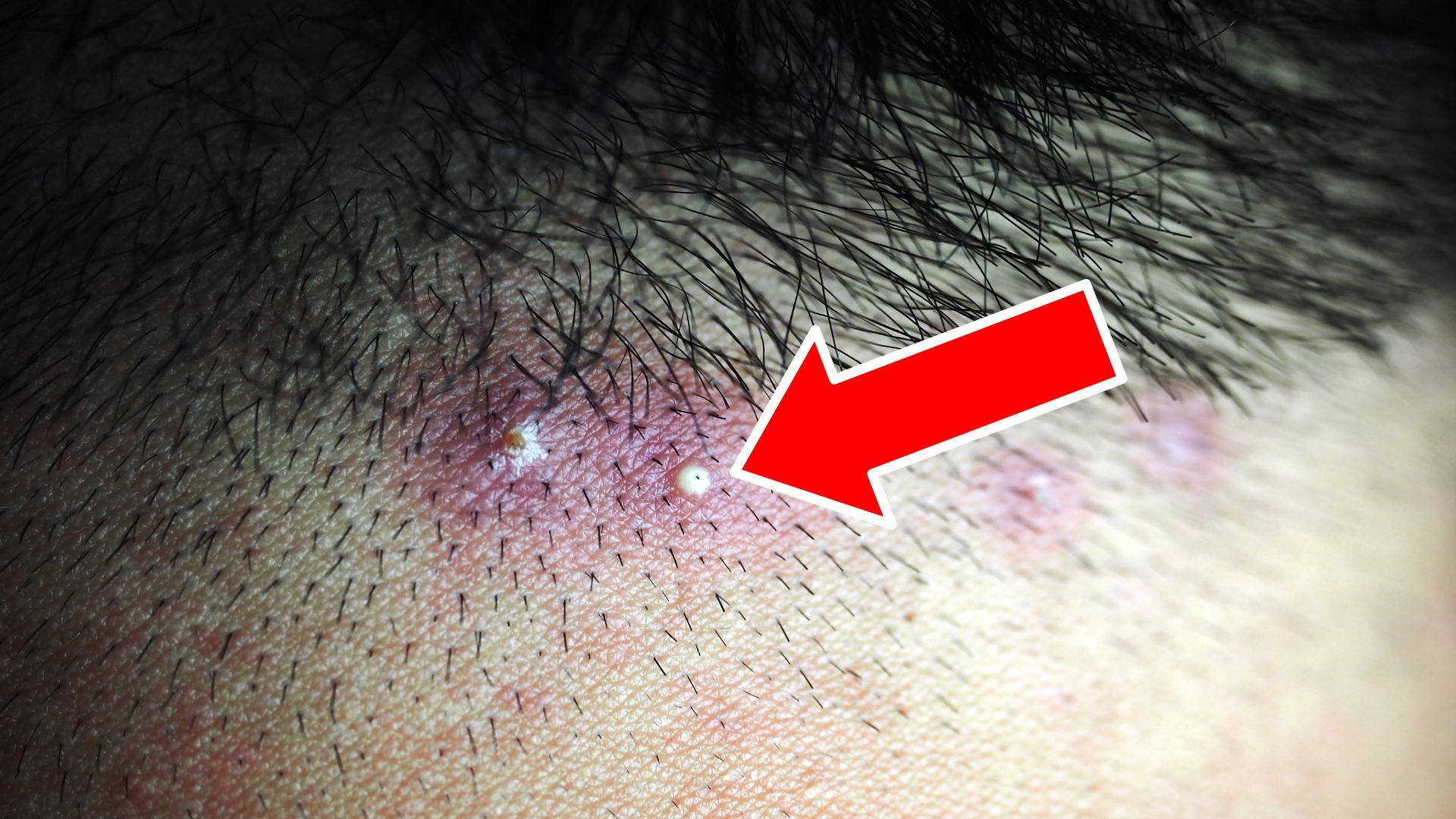
Folliculitis is essentially the inflammation or infection of the hair follicles. In the context of a transplant, it usually shows up as small, pimple-like bumps around the base of the newly implanted hair shafts. You might notice redness, yellowish pustules, or a slight crusting.
Types of Folliculitis After Hair Transplant (Bacterial, Fungal, and Inflammatory)
Not all bumps are created equal:
Bacterial: Usually caused by Staphylococcus aureus entering the micro-incisions.
Fungal: Rare, but can happen in humid tropical climates like Malaysia if the scalp is kept too damp.
Inflammatory: This is non-infectious. It occurs when a new hair is trying to break through the skin (much like an ingrown hair) and the scalp reacts to the “foreign” presence.
How It Differs From Normal Post-Transplant Healing
Immediately after surgery, some redness and scabbing are expected. However, normal healing scabs usually fall off within 10 days. Folliculitis typically appears later—between week 2 and month 4—as the new hairs begin their growth cycle. Unlike standard healing, folliculitis often feels itchy or tender to the touch.
Causes and Risk Factors of Folliculitis After Hair Transplant
Poor Scalp Hygiene
In the days following your procedure, you might be afraid to touch your scalp. However, failing to gently wash away sweat, sebum, and environmental pollutants can lead to a buildup that clogs the pores. According to the Mayo Clinic, clogged follicles are a primary precursor to inflammation.
Infected Hair Follicles
Small nicks from the FUE or FUT process can sometimes act as entry points for bacteria. If the surgical tools weren’t sterile or if you touched your scalp with dirty hands, an infection can take root.
Excessive Sweating and Irritation
Malaysia’s heat is a major factor. Sweat provides a warm, moist environment where bacteria thrive. Furthermore, wearing tight hats or hijabs too soon can create friction, further irritating the delicate graft sites.
Recognizing Folliculitis Symptoms Early
Red Bumps and Pustules
If you see clusters of small red bumps or white-headed pimples forming around your new hair, that’s your first sign. These are often mistaken for acne, but on a transplant site, they are almost certainly folliculitis.
Itching, Pain, and Swelling
A little bit of itching is normal as nerves heal, but intense, “burning” itchiness or localized throbbing pain usually points to an inflammatory response that needs attention.
When to Contact a Doctor in Malaysia
If the bumps start to spread, begin oozing fluid, or if you develop a fever, contact your Malaysian clinic immediately. While most cases are mild, severe infections can potentially damage the underlying follicles. The American Academy of Dermatology suggests seeking professional help if the condition doesn’t improve with basic home care within a few days.
Treatment Options for Folliculitis After Hair Transplant
Topical Antibiotics and Antiseptics
For mild cases, your doctor might prescribe an antibiotic cream (like Mupirocin) or a specialized antiseptic wash. These help kill surface bacteria and prevent the infection from diving deeper into the dermis.
Oral Medications for Severe Cases
If the folliculitis is deep or widespread, oral antibiotics might be necessary to clear it up from the inside out. In some cases, a short course of oral steroids is used to dampen intense inflammation.
Home Care and Safe Scalp Hygiene Practices
Warm Compresses: Applying a warm, damp cloth gently to the area can help the “pimple” drain naturally.
Antibacterial Soap: Using a surgeon-recommended wash helps keep the bacterial load low.
Don’t Pop: Whatever you do, do not squeeze the bumps. This can push the infection deeper and permanently scar the follicle.
Prevention Tips for Hair Transplant Patients
Proper Scalp Cleaning and Aftercare
Follow your clinic’s washing protocol to the letter. Most Malaysian surgeons recommend a “dabbing” motion with a diluted baby shampoo or specialized post-op foam starting 48 hours after surgery.
Avoiding Irritants and Contaminants
Stay out of public pools, saunas, and gyms for at least 2 to 4 weeks. These are breeding grounds for the types of bacteria that cause Folliculitis After Hair Transplant.
Maintaining a Healthy Lifestyle for Hair Recovery
A strong immune system is your best defense. Stay hydrated and ensure your diet is rich in Vitamin C and Zinc to support skin barrier repair. According to the National Institutes of Health, zinc is a critical component for wound healing and immune function.
Recovery Timeline and When to Expect Improvement
Mild vs Severe Cases
Mild “ingrown hair” style folliculitis usually clears up within 7 to 10 days with basic care. Severe bacterial cases may take 2 weeks of medication to fully resolve.
Monitoring Healing Progress
Check your scalp daily in a well-lit mirror. You should see the redness fading and the pustules drying up as the treatment takes effect.
Follow-Up Visits With Malaysian Clinics
Most top clinics in KL or Penang will schedule follow-ups at the 1-month and 3-month marks. Use these visits to show your doctor any lingering bumps on transplanted hair to ensure everything is on track.
FAQs About Folliculitis After Hair Transplant
Is Folliculitis Normal After Hair Transplant?
Yes, it is relatively common. It affects about 10% to 20% of patients to varying degrees, often occurring as the new hairs begin to sprout.
How Long Does It Last?
With proper treatment, most cases resolve within a week. If left untreated, it can persist for months in a “flare-up” cycle.
Can Folliculitis Affect Hair Growth Results?
In mild cases, no. However, severe, deep-seated folliculitis (furunculosis) can cause scarring that may prevent the graft from growing. This is why early treatment is vital. According to the U.S. Food and Drug Administration, maintaining a sterile environment and following post-surgical instructions are the most significant factors in preventing complications.