
What Is HIFU and Is HIFU Safe?
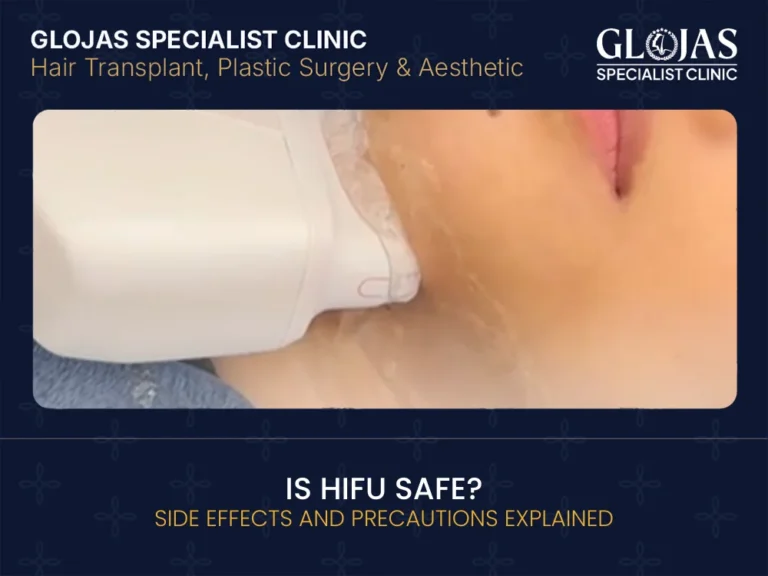
High-Intensity Focused Ultrasound (HIFU) is a popular non-surgical aesthetic treatment known for lifting and tightening the skin. Many people considering this procedure often ask, “Is HIFU safe?” The short answer is yes—HIFU is generally safe when performed by trained medical professionals using certified devices. This article explains how it works, potential side effects, and important precautions so you can make a confident, informed decision.
How HIFU Works: A Simple Explanation
HIFU uses focused ultrasound energy to target deeper layers of the skin, particularly the SMAS layer, which is the same layer surgeons work on during a facelift. The heat energy stimulates collagen production, helping the skin look firmer over time.
Because it targets deeper tissues without damaging the surface, HIFU safe is considered a non-invasive alternative to surgical lifting. It is commonly used on areas such as:
- Face
- Neck
- Jawline
- Under-chin
- Décolletage
The treatment has gained popularity in Asia, the US, and Europe because it offers lifting results without incisions or downtime.
Is HIFU Safe? What Experts Say
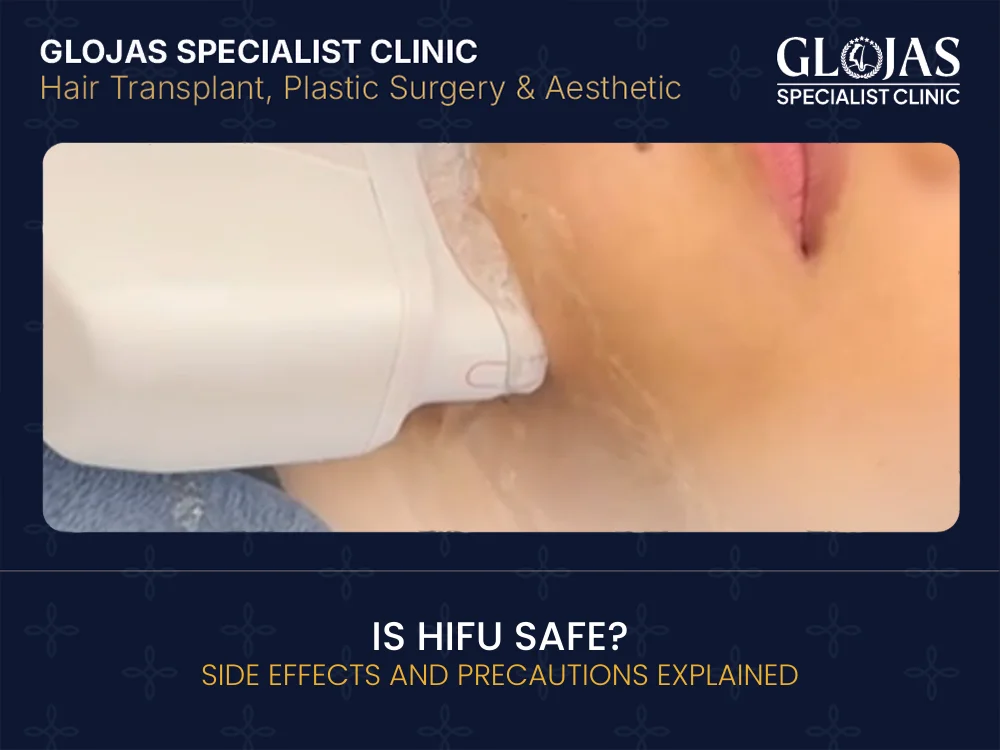
Most dermatologists, aesthetic doctors, and medical professionals agree that HIFU is generally safe—as long as the treatment is performed correctly. The overall safety of HIFU depends on three key factors:
1. Using Medically Approved Devices
Not all HIFU machines are created equal. Experts emphasize the importance of choosing clinics that use certified and clinically tested HIFU technologies, such as Ultherapy®, Ultraformer III, or Doublo-Gold. These devices have undergone extensive research to ensure stable energy delivery, consistent treatment depth, and patient safety.
Using non-approved or low-quality machines increases the risk of uneven energy distribution, discomfort, or suboptimal results.
2. Performed by Trained Medical Professionals
HIFU may be non-invasive, but it still requires skill. Trained providers understand:
The correct energy settings
The proper depth for each treatment area
How to avoid sensitive structures like nerves or thinner tissues
How to map the face for optimal lifting
This professional expertise significantly reduces the likelihood of unwanted side effects and ensures better, more predictable results.
3. Proper Skin Evaluation Before Treatment
Before performing HIFU safe, experienced practitioners typically conduct a detailed skin assessment. They look at factors such as:
Skin thickness
Degree of laxity
Facial anatomy
Fat distribution
Any existing skin conditions
This evaluation helps determine whether you’re a good candidate for HIFU or whether alternative treatments may be more effective. Personalization is key—what works for one person may not work for another.
Supported by Global Safety Approvals
HIFU technology has been reviewed and cleared by regulatory agencies such as the U.S. Food and Drug Administration (FDA) for non-surgical skin lifting. This approval indicates that the treatment has met strict safety, performance, and quality standards. Many countries in Asia, Europe, and the Middle East also recognize HIFU safe as a secure modality for aesthetic use.
These global endorsements provide added confidence for individuals exploring non-invasive lifting treatments.
Common Side Effects of HIFU
Most people experience mild, short-lived side effects. These include:
1. Mild Redness
Redness usually occurs immediately after treatment and fades within a few hours. It is the body’s natural response to heat-based energy.
2. Slight Swelling
Some people experience swelling, especially around the jawline or cheek area. This typically subsides within 1–3 days.
3. Tingling or Warm Sensation
Because HIFU targets deeper layers, you may feel lingering warmth or tingling for a short period.
4. Temporary Skin Sensitivity
The skin may feel a bit sensitive or tender for a few days, especially when touched.
5. Light Bruising (Less Common)
Bruising happens if blood vessels close to the surface are affected, particularly in individuals with sensitive skin.
6. Localized Numbness (Rare and Temporary)
Although rare, temporary numbness can occur when ultrasound energy affects small superficial nerves. It usually resolves within days or weeks.
Rare but Possible Side Effects
While uncommon, the following may occur:
1. Minor Welts or Small Lines
Some people may see small red welts or lines due to skin irritation. These typically fade quickly.
2. Mild Asymmetry
If collagen stimulation occurs unevenly, slight asymmetry can appear temporarily. It often resolves once collagen settles.
3. Slight Fat Reduction (If Incorrect Settings Used)
When performed improperly, overly high energy in certain areas may reduce fat pads, potentially altering facial contours. This is why device quality and practitioner expertise matter.
These rare effects highlight the importance of choosing a licensed medical facility with authentic HIFU safe technology, such as Ultherapy®, Ultraformer III, or Doublo-Gold.
Who Should Avoid HIFU?
Although HIFU is safe for most adults, some individuals should avoid or delay treatment, including those with:
- Active acne or open wounds in the treatment area
- Severe skin laxity requiring surgical intervention
- Metal implants or pacemakers
- Active infections
- Severe dermatitis or inflammatory skin conditions
A consultation with a qualified practitioner ensures proper screening.
How to Ensure HIFU Is Safe for You
To maximize safety and results, consider these precautions:
1. Choose the Right Clinic
Look for clinics with:
- Certified medical practitioners
- Authentic, approved HIFU devices
- Clear safety protocols
Avoid suspiciously cheap treatments or handheld devices that may not deliver controlled energy.
2. Ask About the Device Used
Not all HIFU machines are equal.
Approved and reputable systems include:
- Ultherapy®
- Ultraformer III
- Doublo-Gold
Authentic devices undergo rigorous testing to ensure safe, consistent energy delivery.
3. Get a Proper Skin Assessment
Every skin type responds differently. A qualified practitioner will evaluate:
- Skin elasticity
- Fat distribution
- Skin thickness
- Treatment suitability
This helps tailor energy levels to your needs.
4. Follow Post-Treatment Advice
Most aftercare is simple:
- Avoid harsh skincare temporarily
- Keep the skin moisturized
- Apply sunscreen
These practices support recovery and collagen regeneration.
How Soon Can You See Results?
HIFU does not produce instant lifting. Instead, collagen production occurs gradually. Most people notice improvements:
- From 4–8 weeks
- Full results at 3–6 months
This slow, natural improvement is part of what makes HIFU popular—it enhances your look without obvious signs of cosmetic intervention.
Is HIFU Safe for Long-Term Use?
Studies and clinical reports show that long-term use is safe, as HIFU does not damage the skin surface or introduce foreign substances. Many people undergo treatments once a year as part of their anti-aging routine.
Because HIFU stimulates your body’s natural collagen production, it is viewed as a biostimulatory treatment, making it a safe long-term option when performed professionally.
Benefits of HIFU Beyond Safety
HIFU offers more than just a good safety profile—it also delivers a range of non-surgical benefits that make it one of the most in-demand lifting and tightening treatments today. These advantages appeal to adults who want noticeable improvements without the risks or downtime associated with surgery.
1. No Downtime
One of the biggest reasons people choose HIFU is the convenience. Because the procedure is non-invasive and does not damage the surface of the skin, there’s virtually no downtime. You can walk out of the clinic and continue your day as usual—whether that means heading back to work, running errands, or attending social activities. This makes HIFU especially popular among working adults, parents, and anyone with a busy lifestyle.
2. Gradual, Natural Lift
HIFU doesn’t rely on dramatic, instant changes. Instead, it stimulates your body’s natural collagen production, which means improvements happen gradually over several weeks.
This slow, natural progression results in a subtle lift that enhances your features without making them look “overdone.” Many adults appreciate this because the results look refreshed and youthful, rather than artificial.
3. Skin Tightening + Contouring
HIFU works on the deeper layers of the skin, including the SMAS layer, which is targeted during surgical facelifts. By tightening these foundational layers, HIFU helps improve:
Jawline definition
Sagging cheeks
Neck laxity
Over time, the skin appears firmer and more sculpted. This makes HIFU a great choice for those wanting better facial contours without injections or surgery.
4. Suitable for Many Skin Types
Another key advantage is that HIFU is safe for a wide range of skin tones. Unlike some laser treatments that target superficial pigmentation, HIFU energy goes deeper and does not interact with melanin.
This means people with fair, medium, or deeper skin tones can benefit from the treatment without worrying about risks such as hyperpigmentation.
10 Frequently Asked Questions About HIFU
1. Is HIFU safe for the face?
Yes, HIFU is considered safe for facial treatments when performed by trained professionals using approved devices.
2. Are there long-term side effects?
Long-term side effects are rare. Most effects, if any, are temporary and mild.
3. Does HIFU safe or hurt?
Some people feel heat or tingling, but discomfort levels vary. Most describe it as manageable.
4. How many sessions do I need?
Most people need 1 session per year, depending on skin condition and age.
5. Can HIFU damage nerves?
Temporary irritation of tiny superficial nerves may occur but usually resolves naturally.
6. Is HIFU safe for all skin tones?
Yes, because it targets deep tissue rather than surface pigmentation.
7. How soon can I wear makeup after HIFU?
Usually within the same day, unless your practitioner advises otherwise.
8. Can HIFU safe melt facial fat?
Only if the wrong settings are used. Properly performed treatments focus on lifting, not fat reduction.
9. Is HIFU safe suitable for sagging neck or double chin?
Yes, HIFU is commonly used for these areas to tighten and contour.
10. Can I combine HIFU safe with other treatments?
Yes—treatments like dermal fillers or skin boosters are often combined, but timing should be guided by a professional.
Conclusion
So, is HIFU safe?
Yes, HIFU is generally safe, effective, and widely trusted for non-surgical lifting—as long as it is performed by trained practitioners using certified devices.
Understanding the potential side effects and taking the right precautions ensures you get the best results with minimal risk. With proper care, HIFU can be a powerful tool to help maintain youthful, firm, and lifted skin.