
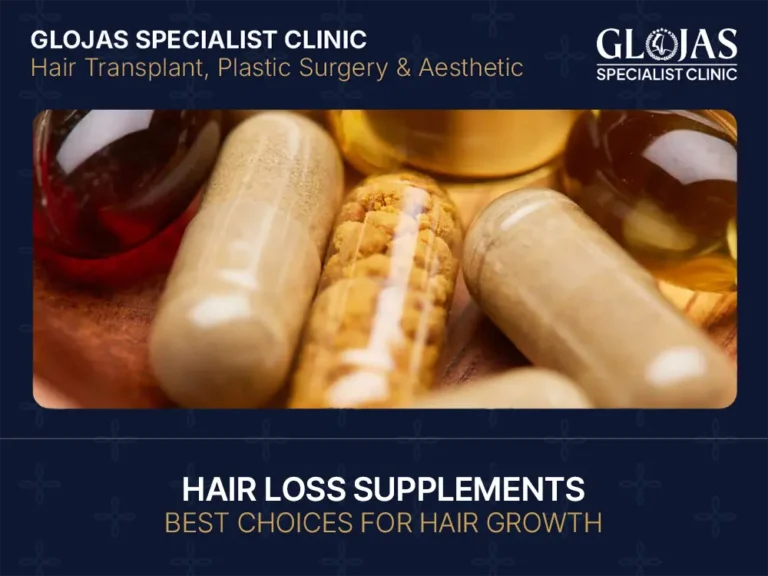
Hair loss supplements for hair growth are dietary formulas containing vitamins, minerals, and natural ingredients like biotin, vitamin D, zinc, and collagen. These supplements target nutritional deficiencies that cause hair thinning, support follicle health, and stimulate new hair growth within 3 to 6 months.

What Are Hair Loss Supplements for Hair Growth?
Hair loss supplements are oral products designed to provide essential nutrients that may be missing from your daily diet. They come as capsules, tablets, powders, or gummies. These supplements do not treat genetic baldness but are highly effective for hair loss caused by poor nutrition, stress, or hormonal changes like postpartum shedding. In Malaysia, registered products under the National Pharmaceutical Regulatory Agency (NPRA) carry a “MAL” or “NOT” number for safety assurance.
How Hair Growth Supplements Work
Supporting Hair Follicle Health
Hair follicles are tiny organs in your scalp that grow hair. They need a constant supply of oxygen, vitamins, and minerals. Supplements provide these nutrients directly to your bloodstream. Healthy follicles produce stronger, longer-lasting hair. Without proper nutrition, follicles enter a resting phase and stop growing new hair.
Improving Keratin Production
Keratin is the hard protein that makes up 95% of your hair strand. Your body needs biotin, vitamin C, and amino acids to produce keratin. Hair supplements supply these building blocks. More keratin means thicker, shinier, and less brittle hair. Keratin production naturally slows with age, making supplements more important for adults over 40.
Reducing Hair Shedding
Excess shedding happens when hair follicles switch from growing phase (anagen) to shedding phase (telogen) too quickly. Nutrients like zinc, iron, and vitamin D help regulate this cycle. Clinical studies show that consistent use of hair supplements reduces daily shedding from 100–150 hairs to under 50 hairs within 90 days.
Key Vitamins in Hair Loss Supplements
Biotin (Vitamin B7)
Biotin is the most famous vitamin for hair growth. It activates enzymes that produce keratin. A daily dose of 2.5–5 mg biotin has been shown to reduce hair loss by 30% after 90 days. Biotin also improves nail strength and skin health.
Vitamin D
Vitamin D creates new hair follicles and awakens dormant ones. Low vitamin D levels are found in 80% of people with telogen effluvium (stress-related hair loss). The recommended daily intake for hair health is 1,000–2,000 IU. Sun exposure alone is often insufficient for Malaysians who stay indoors most of the day.
Vitamin B Complex
This group includes B6, B12, and folate (B9). These vitamins help produce red blood cells that carry oxygen to your scalp. Without oxygen, hair follicles weaken and stop growing. Vitamin B12 is found only in animal products, making supplements important for vegetarians and vegans.
Vitamin C
Vitamin C is a powerful antioxidant that protects hair follicles from damage. It also helps your body absorb iron from plant sources. One medium orange provides 70 mg of vitamin C, which increases iron absorption by up to 85%. Vitamin C is also required to produce collagen, which surrounds each hair strand.
Vitamin E
Vitamin E reduces oxidative stress on your scalp. Oxidative stress occurs when free radicals damage follicle cells. A 2018 study found that people taking vitamin E for 8 months experienced 34% less hair loss. Natural vitamin E (d-alpha-tocopherol) works better than synthetic versions.
Vitamin A
Vitamin A helps produce sebum, the natural oil that moisturises your scalp. Too little sebum causes dry, itchy scalp and brittle hair. However, too much vitamin A can actually cause hair loss. The safe upper limit is 3,000 mcg (10,000 IU) daily. Most hair supplements contain beta-carotene, which your body converts to vitamin A as needed.
Important Minerals in Hair Growth Supplements
Zinc for Hair Strength
Zinc helps hair follicle cells divide and grow. It also controls the oil glands around each follicle. Zinc deficiency causes hair to become thin, dry, and easily broken. The recommended daily amount is 8–11 mg. Oysters are the richest source, with 74 mg per 3 oysters.
Iron for Hair Growth
Iron is essential for making haemoglobin, the protein in red blood cells that carries oxygen. Without enough iron, your body directs oxygen to vital organs instead of hair follicles. Ferritin (stored iron) levels below 40 µg/L are directly linked to hair loss. Women with heavy periods are at highest risk.
Selenium for Follicle Health
Selenium activates antioxidants that protect follicles from damage. It also helps your body recycle vitamin C and vitamin E. The recommended daily intake is 55 mcg. Brazil nuts are so rich in selenium that just 2 nuts provide your full daily requirement. Too much selenium (over 400 mcg daily) can cause hair loss and brittle nails.
Natural Ingredients Found in Hair Supplements
Marine Collagen
Marine collagen comes from fish skin and scales. It contains amino acids that build the structure of hair strands. Collagen also provides proline, which your body uses to produce keratin. Studies show that 2.5 grams of marine collagen daily for 6 months increases hair thickness by 15–20%.
Saw Palmetto Extract
Saw palmetto is a palm plant extract that blocks an enzyme called 5-alpha-reductase. This enzyme converts testosterone to DHT, the hormone that causes male pattern baldness. A 2020 study found that 300 mg of saw palmetto daily reduced hair loss in 60% of men after 6 months. It works similarly to finasteride but with fewer side effects.
Keratin Complex
Keratin complex provides pre-formed keratin protein that your body can use immediately. This is different from biotin, which helps your body make its own keratin. Hydrolysed keratin (broken down into smaller pieces) is absorbed more easily. Many hair supplements combine keratin with biotin for faster results.
Amino Acids (L-Cysteine, L-Methionine)
L-cysteine and L-methionine are sulphur-containing amino acids. They form disulfide bonds that give hair its strength and shape. Your body cannot produce enough of these amino acids from food alone. Supplementing with 500 mg of L-cysteine daily for 6 months has been shown to increase hair diameter by 32%.
Benefits of Hair Loss Supplements for Hair Growth
Reduces Hair Shedding
Hair supplements reduce the number of hairs lost during washing, brushing, and sleeping. Most users notice less hair in their shower drain after 4–8 weeks. The reduction in shedding continues to improve for up to 6 months of consistent use.
Supports Thicker Hair
Thicker hair comes from wider hair shafts. Supplements that provide keratin, biotin, and collagen increase the diameter of each hair strand. This makes your ponytail feel fuller and your parting look narrower. Clinical studies report a 20–30% increase in hair thickness after 6 months.
Improves Hair Strength
Strong hair resists breaking when combed, styled, or tied. Amino acids and minerals in supplements repair weak spots along the hair shaft. Hair strength is measured by how much weight a single strand can hold before breaking. Supplement users often see a 40–50% improvement in hair strength.
Promotes New Hair Growth
New hair growth is the ultimate goal. Supplements that contain saw palmetto, iron, and vitamin D activate dormant hair follicles. These follicles begin producing new baby hairs (vellus hairs) that gradually grow longer and thicker. Visible new growth typically appears on the crown and hairline after 4–6 months.
Who Should Use Hair Growth Supplements?
Men Experiencing Hair Thinning
Men often notice thinning at the crown or receding at the temples. Supplements work best for men under 40 with early-stage thinning. Saw palmetto and biotin are particularly effective for male hair loss. Men with advanced baldness (Norwood scale 5–7) may not see significant results from supplements alone.
Women with Postpartum Hair Loss
Postpartum hair loss affects up to 80% of new mothers. This usually starts 3 months after giving birth and can last 6–12 months. Hormonal changes and nutrient depletion during pregnancy cause this shedding. Iron, biotin, and vitamin B12 supplements help reverse postpartum hair loss faster than natural recovery.
Individuals with Nutritional Deficiencies
Anyone with confirmed low levels of iron, vitamin D, or zinc will benefit from hair supplements. Symptoms of deficiencies include fatigue, pale skin, brittle nails, and hair thinning. A simple blood test at any clinic can identify these deficiencies. Supplements work best when prescribed based on blood test results.
How to Choose the Best Hair Loss Supplements in Malaysia
Check Ingredient List
Look for supplements that list specific amounts of each ingredient, not just “proprietary blends”. Avoid products with hidden filler ingredients like magnesium stearate, titanium dioxide, or artificial colours. The first three ingredients should be active nutrients, not binders or preservatives.
Choose Clinically Studied Ingredients
Ingredients backed by human clinical trials work better than those only tested in labs or animals. Look for studies published in peer-reviewed journals. Effective doses matter more than fancy marketing. For example, biotin works at 2.5–5 mg, not 50 mcg. Saw palmetto needs 300 mg, not 50 mg.
Avoid Harmful Additives
Many cheap supplements contain allergens, artificial sweeteners, or unnecessary fillers. Avoid products with sugar, caffeine, or stimulants unless you need them. Check for common allergens like soy, gluten, dairy, and shellfish if you have sensitivities. Halal certification is widely available in Malaysia for Muslim consumers.
Look for Registered Products in Malaysia
Only buy supplements registered with Malaysia’s National Pharmaceutical Regulatory Agency (NPRA). Registered products display a “MAL” number for medicines or “NOT” number for traditional products. You can verify registration numbers on the NPRA online portal “Quest 3+”. Unregistered products may contain harmful ingredients or incorrect dosages.
How Long Hair Growth Supplements Take to Work
Hair grows slowly, only about 1 cm per month. You cannot see faster results than this natural rate. Most users notice less hair shedding first, usually after 4–8 weeks. Visible new hair growth takes 3–6 months. Full results require 9–12 months of consistent daily use. Stopping supplements early will cause any benefits to reverse within 3–4 months.
Possible Side Effects of Hair Growth Supplements
Mild Digestive Discomfort
Nausea, bloating, or an upset stomach can occur when starting new supplements. These symptoms usually resolve within 1–2 weeks. Taking supplements with food reduces digestive side effects. Iron supplements commonly cause constipation, which can be managed by drinking more water and eating fibre-rich foods.
Allergic Reactions
Some people are allergic to ingredients like marine collagen (fish), biotin (rare), or herbal extracts. Symptoms include skin rash, itching, swelling, or difficulty breathing. Stop taking the supplement immediately if you experience any allergic reaction. Check ingredient labels carefully if you have known allergies to seafood, nuts, or pollen.
Over-supplementation Risks
Taking more than the recommended dose does not produce faster results. Excessive biotin (over 10 mg daily) can interfere with thyroid and heart function tests, causing false results. Too much vitamin A causes hair loss instead of preventing it. High doses of selenium (over 400 mcg daily) lead to brittle hair and nail damage. Always follow the dosage on the product label.
Food Sources That Support Hair Growth Supplements
Eggs and Protein-Rich Foods
Eggs contain 10 mcg of biotin and 6 g of protein each. Protein provides amino acids needed for keratin production. Chicken, beef, and tofu are excellent protein sources. Aim for 1.2–1.5 grams of protein per kg of body weight daily. A 60 kg person needs 72–90 g of protein.
Fatty Fish
Salmon, mackerel, and sardines provide vitamin D and omega-3 fatty acids. Omega-3s reduce scalp inflammation that can block hair follicles. Malaysian favourite ikan kembung (Indian mackerel) is an affordable and accessible choice. Eating fatty fish twice weekly meets your vitamin D needs.
Leafy Green Vegetables
Spinach, kale, and sawi contain iron, folate, and vitamin C. One cup of cooked spinach provides 6 mg of iron (40% of daily needs for women). Adding lemon juice to leafy greens increases iron absorption. Malaysian ulam like pegaga (pennywort) also provides hair-friendly nutrients.
Nuts and Seeds
Almonds provide vitamin E (7 mg per 28 g). Pumpkin seeds provide zinc (2 mg per handful). Walnuts provide biotin and copper. Sunflower seeds provide selenium. A small handful of mixed nuts daily works as a natural hair supplement. Soaking nuts overnight increases mineral absorption by up to 20%.
Hair Loss Supplements vs Medical Hair Loss Treatments
Supplements for Nutritional Support
Supplements work by correcting nutritional deficiencies that cause hair loss. They are safe, affordable, and available without prescription. Results take 3–6 months and are most effective for mild to moderate thinning. Supplements do not block DHT (except saw palmetto) or stimulate follicles directly.
Medical Treatments for Advanced Hair Loss
Medical treatments like topical minoxidil (Rogaine) and oral finasteride (Propecia) work directly on hair follicles. Minoxidil increases blood flow to follicles. Finasteride blocks 70% of DHT production. These treatments work faster (2–4 months) and are more effective for genetic baldness. However, they require prescriptions, have more side effects, and must be continued indefinitely. Many people use both supplements and medical treatments for optimal results.
FAQs About Hair Loss Supplements for Hair Growth
Do hair growth supplements really work?
Yes, hair growth supplements work effectively for people with nutritional deficiencies, stress-related shedding, or postpartum hair loss. Clinical studies show 60–85% of users experience reduced shedding and thicker hair after 3–6 months. However, supplements do not work for genetic baldness (androgenetic alopecia).
How long should I take hair supplements?
You should take hair supplements for a minimum of 6 months to see meaningful results. The full cycle of hair growth from dormant to shedding takes 4–6 months. Many users continue taking supplements long-term to maintain results, especially if their diet remains nutritionally inadequate.
Can supplements stop hair loss completely?
No, supplements cannot stop all types of hair loss completely. They can reduce shedding by 50–70% in cases caused by nutritional gaps. However, hair loss from genetics, autoimmune disorders, or chemotherapy will not stop with supplements alone. These conditions require specific medical treatments.
Are hair supplements safe for long-term use?
Yes, hair supplements formulated with recommended daily doses are safe for long-term use. Vitamins and minerals at standard levels do not accumulate to toxic amounts. However, avoid “mega-dose” products that exceed the tolerable upper intake levels. Always take a 1–2 week break every 6 months if using high-dose supplements.
What is the best supplement for hair growth?
The best supplement for hair growth contains biotin (2.5–5 mg), vitamin D (1,000–2,000 IU), zinc (8–11 mg), and saw palmetto (300 mg) for men, plus iron (18 mg) for women. Look for NPRA-registered products in Malaysia. No single ingredient works best; effective formulas combine multiple nutrients that work together.
Notes From GLOJAS Specialist Clinic
“Many of my patients ask me about supplements for hair loss, and I always tell them the same thing—they work best when your body is actually lacking certain nutrients. But if your hair thinning is due to genetics or has been happening for years, a hair transplant Malaysia is often a more effective and permanent solution. Think of supplements like fertiliser for a garden, while a hair transplant is like replanting new seeds where nothing grows anymore. Both have their place, but for long-standing bald spots, a transplant gives you real, lasting results that supplements alone cannot achieve.” – Prof. Dato’ Dr. JasG, Certified Hair Transplant Surgeon in Malaysia.