
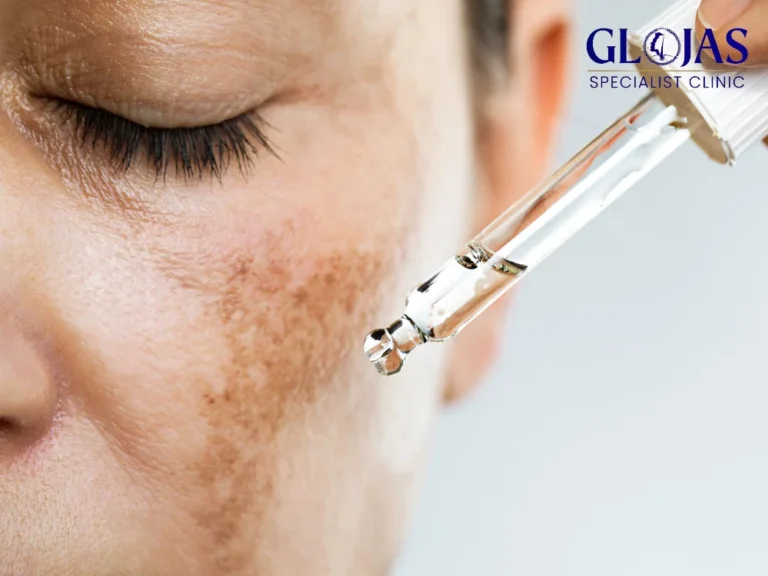
Dealing with uneven skin tone can feel like an uphill battle. Whether it’s a stubborn spot from a breakout or patches that appeared during pregnancy, hyperpigmentation is incredibly common. This guide breaks down why it happens and how you can actually fade those dark areas for a clearer complexion.
Experience world-class skin pigmentation treatment at GLOJAS Specialist Clinic, where LCP-certified experts use advanced Pico Laser and Q-Switch technology to safely fade dark spots and restore a radiant, even-toned complexion.
What Is Hyperpigmentation?
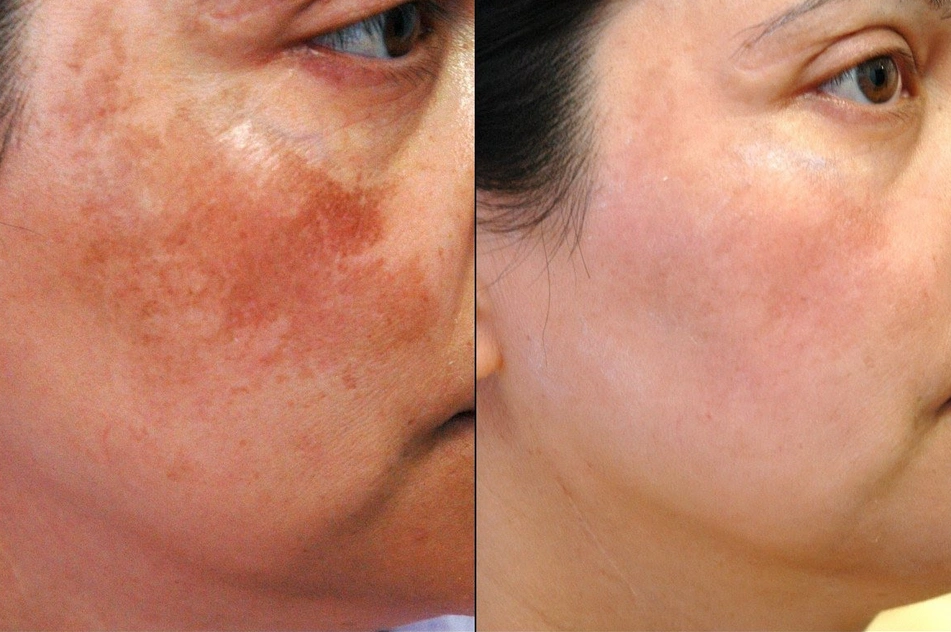
Definition and How It Affects Skin
Hyperpigmentation is a common skin condition where patches of skin become darker than the surrounding area due to excess melanin production. Causes include sun exposure, inflammation, hormonal changes like melasma, and post-inflammatory marks from acne.
Treatments range from topical brightening agents and chemical peels to laser therapy for even-toned skin. While usually harmless, it significantly impacts self-esteem and is a leading reason for visits to the American Academy of Dermatology.
Causes of Hyperpigmentation
Sun Exposure and UV Damage
UV radiation is the primary trigger for pigment production. When sunlight hits your skin, it stimulates melanocytes as a defense mechanism. Over time, this results in “age spots” or freckles. Frequent exposure without protection accelerates this process, making existing dark patches even more pronounced and difficult to treat.
Hormonal Changes (Melasma)
Fluctuating hormones—often due to pregnancy, oral contraceptives, or hormone replacement therapy—can trigger a specific type of pigment called melasma. Often dubbed the “mask of pregnancy,” these symmetrical patches usually appear on the face. According to the Cleveland Clinic, estrogen and progesterone are the main culprits here.
Post-Inflammatory Hyperpigmentation (PIH)
PIH is the skin’s response to injury or inflammation, such as acne, eczema, or psoriasis. Once the initial wound heals, it leaves behind a flat area of discoloration. This is particularly common in darker skin tones (Fitzpatrick types IV–VI), where the pigment response is naturally more robust.
Genetics and Skin Type
Your DNA determines your baseline melanin levels and how your skin reacts to external stressors. Some people are genetically predisposed to freckling or melasma. Understanding your Fitzpatrick Skin Prototype helps in predicting how your skin will respond to various environmental triggers and professional clinical treatments.
Types of Hyperpigmentation
Melasma
Melasma appears as larger, brown or grayish patches, typically on the cheeks, forehead, or upper lip. It is a chronic condition that is notoriously difficult to manage because it is driven by internal hormonal shifts rather than just external damage, making sun protection absolutely non-negotiable for those affected.
Sunspots (Solar Lentigines)
Also known as liver spots, these are small, darkened patches caused by years of UV exposure. They are most common in adults over 40. Unlike freckles, which often fade in the winter, sunspots tend to be permanent unless treated with specific brightening agents or laser therapies.
Post-Inflammatory Hyperpigmentation (PIH)
PIH looks like tan, brown, or even purple spots that remain after a pimple or cut has healed. It isn’t a scar, but rather a “stain” on the skin. While it can fade on its own over several months, active treatment can significantly speed up the clearance process.
Freckles
Freckles are small, concentrated spots of melanin that often become more visible during the summer months. They are largely hereditary. While many consider them a cosmetic “beauty mark,” they indicate that the skin is sensitive to UV rays and requires diligent, high-SPF daily sun protection.
Symptoms and How to Identify Hyperpigmentation
Common Signs on Different Skin Types
In lighter skin tones, hyperpigmentation usually looks red or light brown. In deeper skin tones, it often appears dark brown, purple, or even grayish-black. The key identifier is an area of skin that is noticeably darker and more opaque than the healthy skin immediately surrounding it.
Areas Most Affected
Discoloration typically crops up on sun-exposed areas like the face, neck, décolletage, and the backs of the hands. However, PIH can occur anywhere on the body where inflammation or injury has taken place, such as the back (from “bacne”) or the legs after an insect bite.
Hyperpigmentation vs Melasma vs Dark Spots
Key Differences Explained
“Hyperpigmentation” is the umbrella term for all darkening. “Dark spots” usually refer to localized sun damage or PIH. “Melasma” is a specific, larger-scale hormonal condition. While they all involve excess melanin, their triggers and the depth of the pigment in the skin layers differ significantly.
How to Tell Which Condition You Have
Melasma is usually symmetrical and patch-like. PIH follows the footprint of a previous injury. Sunspots appear as isolated “dots” in areas with high sun exposure. If your spots seem to change with your menstrual cycle, you are likely dealing with a hormonal component like melasma.
Is Hyperpigmentation Permanent?
In most cases, no. With the right routine and professional intervention, most forms of pigment can be significantly faded. However, without strict sun protection, the pigment will almost certainly return. Some deep-seated dermal pigment may require years of management rather than a quick fix.
How Hyperpigmentation Is Diagnosed
Skin Examination
A dermatologist will perform a visual check to determine the pattern and color of the spots. They will ask about your medical history, including any medications or recent pregnancies. This clinical history is vital for distinguishing between simple sun damage and more complex inflammatory or hormonal conditions.
Diagnostic Tools
Doctors often use a Wood’s lamp, a special UV light, to see how deep the pigment sits in your skin. If the pigment glows under the lamp, it’s in the epidermis (easier to treat). If not, it may be deeper in the dermis, requiring more intensive medical treatments.
Effective Treatments for Hyperpigmentation
Topical Treatments (Hydroquinone, Retinoids, Vitamin C)
Hydroquinone is the “gold standard” for bleaching dark spots, though it should only be used under supervision. Retinoids increase cell turnover, while Vitamin C acts as an antioxidant that inhibits the enzyme tyrosinase. Using these in combination can create a powerful brightening effect over several weeks of use.
Chemical Peels
Chemical peels use acids like Glycolic, Salicylic, or TCA to exfoliate the top layers of skin. This process removes the pigmented cells and stimulates the growth of new, evenly toned skin. According to the British Association of Dermatologists, peels can vary in depth depending on the severity.
Laser and Light Therapies
Treatments like Intense Pulsed Light (IPL) or Q-switched lasers target melanin directly. The light energy breaks down the pigment clusters, which are then naturally processed by the body’s immune system. These are highly effective for stubborn sunspots but must be used cautiously on darker skin types.
Prescription Medications
For resistant cases, doctors may prescribe “Triple Combination Cream” (Kligman’s Formula), which contains hydroquinone, a retinoid, and a mild steroid. Oral medications like tranexamic acid are also becoming popular for systemic management of severe melasma that hasn’t responded to topical or light-based treatments.
Over-the-Counter Products for Hyperpigmentation
Brightening Serums and Creams
Look for OTC ingredients like Niacinamide, Azelaic Acid, Kojic Acid, and Tranexamic Acid. These are gentler alternatives to hydroquinone that can be used long-term. They work by blocking the signals that tell your skin to produce excess pigment, gradually leading to a more uniform and radiant skin tone.
Sunscreens
Sunscreen is the most important product in your arsenal. A broad-spectrum SPF 30 or higher prevents UV rays from darkening existing spots. For those with melasma, tinted sunscreens containing iron oxides are superior because they also protect against visible light, which is a known trigger for hormonal pigment.
Natural and Home Remedies for Hyperpigmentation
Common Natural Ingredients
Ingredients like Licorice Root, Mulberry extract, and Alpha Arbutin (derived from bearberry) have natural skin-brightening properties. Some people use diluted Apple Cider Vinegar or Aloe Vera. While these aren’t as potent as medical-grade actives, they can offer mild support within a broader, more comprehensive skincare regimen.
Effectiveness of Home Remedies
Natural remedies generally take much longer to show results and lack the standardized concentrations found in clinical products. While soothing, they are rarely enough to treat deep-seated melasma or severe PIH alone. Use them as supplements to a proven routine rather than a total replacement for medical care.
Skincare Routine for Hyperpigmentation
Morning Routine
Start with a gentle cleanser, followed by a Vitamin C serum to neutralize free radicals. Apply a dedicated brightening treatment (like Azelaic Acid), and finish with a generous layer of broad-spectrum SPF. Consistent morning protection is the single most effective way to prevent your spots from getting darker.
Night Routine
Focus on repair and turnover. After cleansing, apply a retinoid or a resurfacing acid (like Glycolic Acid) to encourage cell renewal. Follow with a rich moisturizer containing ceramides or niacinamide to soothe the skin and strengthen the moisture barrier, which is essential when using active brightening ingredients.
Preventing Hyperpigmentation
Sun Protection
Wear a hat, seek shade, and reapply sunscreen every two hours when outdoors. Even sitting near a window can expose your skin to UVA rays that trigger pigment. Physical blockers like Zinc Oxide are excellent for sensitive or pigment-prone skin because they reflect heat and light away.
Avoiding Common Triggers
Stop picking at your skin! Popping pimples is a guaranteed way to create PIH. Manage inflammation early with soothing ingredients, and be mindful of heat—hot environments like saunas or steam rooms can actually worsen melasma by increasing vasodilation and stimulating melanocyte activity in the skin.
How Long Does It Take to See Results?
Patience is key. Skin cells take about 28 to 40 days to cycle. You should expect to see initial improvements after 4–6 weeks of consistent treatment, but significant fading of deep spots usually takes 3–6 months. Rushing the process with harsh products can cause more inflammation.
Can Hyperpigmentation Be Cured Permanently?
While you can clear existing spots, your skin “remembers” the damage. If you stop using sunscreen or experience new hormonal shifts, the pigment can return. Think of it as management rather than a one-time cure. Maintenance through sun safety and occasional “touch-up” treatments is usually required for life.
FAQs About Hyperpigmentation
What Is the Fastest Way to Treat Hyperpigmentation?
Professional chemical peels or laser treatments usually yield the quickest results compared to topical creams. However, these require downtime and must be performed by a qualified professional to avoid the risk of “rebound” hyperpigmentation, which can occur if the skin is traumatized by the treatment itself.
Can It Come Back?
Yes, especially melasma and sunspots. A single day of unprotected sun exposure can undo months of progress. Because the cells responsible for pigment remain in your skin, they are always ready to reactivate if triggered by UV light, heat, or the internal hormonal fluctuations mentioned earlier.
Which Treatment Works Best?
A “multi-modal” approach is usually best. This involves combining sun protection, a tyrosinase inhibitor (like Vitamin C or Kojic Acid), and a cell-turnover agent (like Retinol). Tailoring the treatment to your specific type—whether it’s hormonal, inflammatory, or sun-induced—is the only way to ensure long-term success.