- Glomac Galeria Hartamas, Kuala Lumpur
- +60 12-270 0122
- info@glojasaesthetic.com
Vaginal tightening refers to medical and non medical methods used to improve vaginal tone and firmness. Laxity often results from childbirth, aging, or hormonal changes that weaken pelvic floor muscles and tissue. Treatments range from Kegel exercises and laser therapy to surgical vaginoplasty. Results, risks, and costs vary by method.
At GLOJAS Specialist Clinic in Malaysia, our expert plastic surgeons create personalized vaginal tightening plans using advanced options like laser, Exilis Ultra 360, and PRP. We prioritize your comfort, privacy, and natural looking results, so you get safe, medically guided care you can truly trust.
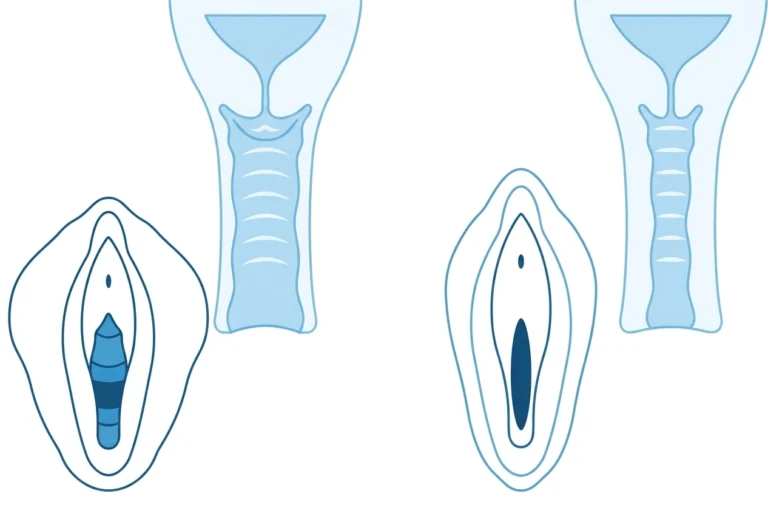
In clinical gynecology, vaginal tightening refers to treatments aimed at reversing vaginal laxity—the stretching and loosening of the vaginal canal and surrounding pelvic floor connective tissues. Medically, these treatments fall under the umbrella of intimate wellness, pelvic floor rehabilitation, or vaginal rejuvenation.
The goal of these procedures is to restore the structural integrity, elasticity, and friction of the vaginal barrel. Correcting laxity often provides the dual benefit of improving sexual satisfaction (by increasing physical friction) and resolving early-stage involuntary urinary symptoms.
The vaginal canal is inherently elastic, designed to expand and snap back. However, certain life milestones can overstretch or degrade its supportive collagen matrix permanently.
Giving birth—especially multiple deliveries, prolonged pushing phases, or delivering high-birth-weight babies—can overstretch the vaginal wall and tear underlying pelvic fascia. While the tissue heals, it may not return to its original baseline tightness.
Just like facial skin, the tissues of the vaginal canal lose collagen and elastin fibers over time. This leads to a natural loss of tone, firmness, and supportive strength.
A drop in estrogen levels during perimenopause and menopause triggers vaginal atrophy. This causes the vaginal lining to become thin, dry, less elastic, and fragile, severely compounding the sensation of looseness.
For mild laxity, the first line of defense is strengthening the pelvic floor muscles from within.
Kegel Exercises: Actively contracting and relaxing the pubococcygeus (PC) muscle. To get results, these must be done consistently and with correct form (avoiding squeezing the abdomen or buttocks).
Pelvic Floor Physical Therapy: Working with a specialized physiotherapist who uses medical biofeedback devices and targeted regimens to isolate weakened pelvic muscles, treat stress urinary incontinence, and rebuild internal muscle tone.
In-office, non-invasive treatments use targeted thermal energy to cause immediate tissue contraction and stimulate long-term collagen remodeling (neocollagenesis).
Fractional CO2 or Erbium YAG Lasers: A specialized vaginal probe delivers thermal energy into the vaginal mucosa. This creates micro-zones of heat that stimulate tissue regeneration, improving both lubrication and tightness.
Radiofrequency (RF) Therapy: Uses controlled radiofrequency waves to heat the deep tissue layers of the vaginal canal and vulva without damaging the surface. It is highly effective for tightening the vaginal introitus (opening) and increasing local blood flow.
When structural damage is severe, non-surgical methods cannot close or fix torn muscles. A surgical approach becomes necessary.
The Procedure: A vaginoplasty is a functional plastic surgery performed under general anesthesia or deep sedation. A specialized surgeon removes excess, stretched vaginal lining from the back wall of the vagina and sutures the loose, separated pelvic muscles together tightly.
Recovery and Downtime: Vaginoplasty requires strict downtime. Patients generally experience swelling and localized discomfort for 1 to 2 weeks and must strictly avoid inserting anything into the vagina (including tampons and sexual intercourse) for 6 to 8 weeks to allow the deep internal sutures to heal fully.
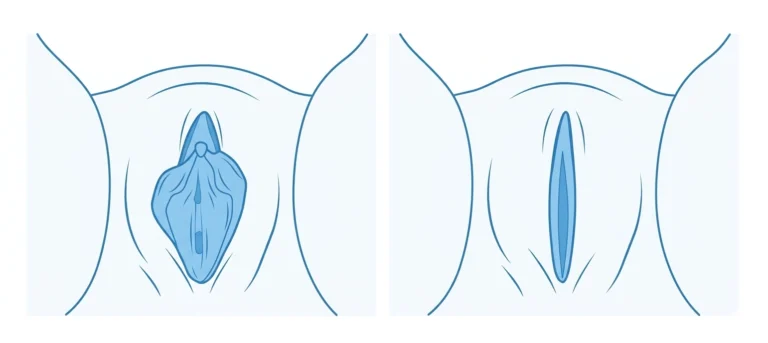
The choice between surgical and non-surgical paths depends heavily on your physical anatomy, budget, and tolerance for recovery downtime.
Important Safety Note: Avoid unverified commercial products sold online like “tightening sticks,” tightening gels, or herbal serums. These are not medically approved, do not fix muscle laxity, and often cause severe chemical burns, allergic reactions, and chronic infections.
| Treatment Type | Estimated Cost Range (RM) |
| Pelvic Floor Physical Therapy | RM440 – RM1,320 (Multi-session package) |
| Energy-Based Devices (Laser / Radiofrequency) | RM4,400 – RM11,000 (Full course of 3 sessions) |
| Surgical Vaginoplasty | RM19,800 – RM35,200 (Includes hospital & anesthesia fees) |












Board-Certified Specialized Surgeons: Your treatment is managed by Ministry of Health (MOH) registered, board-certified plastic surgeons and certified aesthetic doctors rather than salon technicians, ensuring the highest standards of safety, anatomical knowledge, and medical precision.
Advanced 360° Dual-Energy Technology: The clinic utilizes cutting-edge, medical-grade technologies—including fractional CO2 lasers and the Exilis Ultra 360 system—which simultaneously treats internal canal laxity and restores external tissue elasticity.
Tailored Surgical & Non-Surgical Paths: Rather than a one-size-fits-all approach, patients receive a personalized medical plan tailored to their specific degree of laxity, ranging from non-invasive, zero-downtime thermal procedures to permanent surgical vaginoplasty.
Over 30 Years of Trusted Clinical Excellence: Based in Desa Sri Hartamas, Kuala Lumpur, GLOJAS is a multi-award-winning clinic backed by decades of experience, thousands of successful procedures, and a strict commitment to patient privacy and comfort.
At GLOJAS Specialist Clinic, NSR board certified plastic surgeons and LCP certified aesthetic physicians manage your care. Backed by over 30 years of clinical excellence in Kuala Lumpur, these MOH registered specialists focus on patient safety and natural looking results for every vaginal tightening treatment.