
Low-Level Laser Light Therapy (LLLT): Benefits, Uses, and How It Works
At GLOJAS Specialist Clinic, we have witnessed transformative results using Low-Level Laser Light Therapy (LLLT) for hair restoration and tissue healing. Our clinical experience shows that consistent, medical-grade light exposure significantly boosts cellular energy, helping patients regain confidence through non-invasive, pain-free biostimulation and advanced scalp health.
What Is Low-Level Laser Light Therapy?
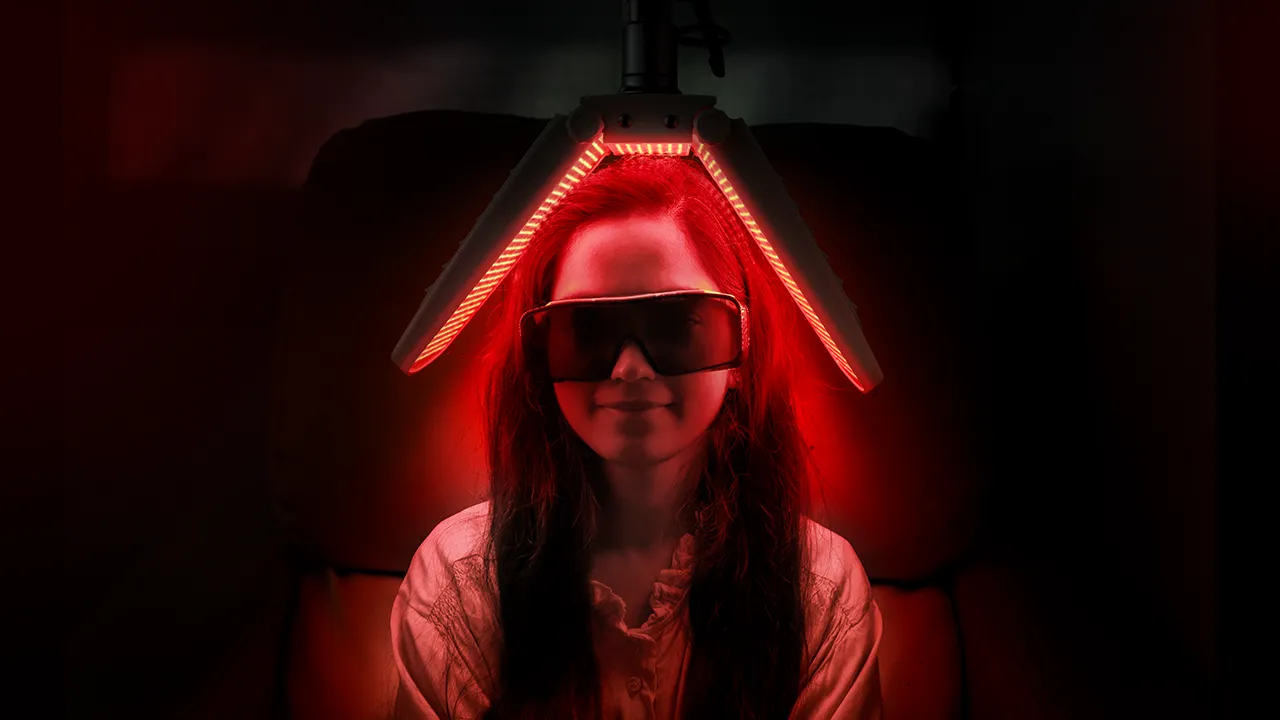
Definition of Low-Level Laser Light Therapy (LLLT)
Low-Level Laser Light Therapy (LLLT) is a non-invasive treatment that utilizes specific wavelengths of light to interact with tissue. Unlike surgical lasers, LLLT does not heat or cut skin. Instead, it triggers biological changes that accelerate the body’s natural healing processes and stimulate cellular repair efficiently.
How LLLT Differs From Other Laser Treatments
Most medical lasers use heat to ablate or vaporize tissue. LLLT is “cold,” meaning it operates at a low intensity. It focuses on photobiomodulation, providing energy to cells without causing thermal damage. This makes it an ideal option for sensitive areas like the scalp and face.
Common Names (Cold Laser Therapy, Photobiomodulation)
You may hear this technology called cold laser therapy, soft laser, or photobiomodulation (PBM). These terms all describe the same process: using light energy to stimulate a physiological response. In 2026, PBM is the preferred scientific term used by researchers and clinical practitioners worldwide.
How Low-Level Laser Light Therapy Works
The Science Behind Photobiomodulation
LLLT works by emitting photons that penetrate the skin and are absorbed by chromophores in the mitochondria. This absorption increases the production of adenosine triphosphate (ATP), the “energy currency” of the cell. Enhanced ATP levels allow cells to function more effectively, leading to faster recovery and growth.
Cellular Effects of Low-Level Laser Light
When cells absorb this light, it triggers a cascade of biochemical events. It reduces oxidative stress and increases nitric oxide levels, which improves local blood circulation. According to the National Center for Biotechnology Information (NCBI), these cellular changes are fundamental in reducing inflammation and promoting long-term tissue regeneration.
Wavelengths and Light Penetration Explained
Wavelengths between 630nm and 850nm are most effective for clinical therapy. Red light (lower wavelengths) targets surface skin issues, while near-infrared light (higher wavelengths) penetrates deeper into muscles and bones. Choosing the correct wavelength is vital for ensuring the light reaches the intended target area.
Benefits of Low-Level Laser Light Therapy
Pain Relief and Inflammation Reduction
LLLT is a powerhouse for managing chronic pain. It blocks pain-transmitting chemicals and stimulates the release of endorphins. By reducing pro-inflammatory cytokines, it helps patients suffering from joint stiffness or muscle aches find relief without the need for systemic medications or invasive surgical procedures.
Tissue Repair and Wound Healing
By boosting collagen production and fibroblast activity, LLLT speeds up the closing of wounds and reduces scar formation. It is frequently used in post-surgical recovery to enhance the body’s natural defense mechanisms, ensuring that skin and underlying tissues heal stronger and much faster than normal.
Hair Growth Stimulation
One of the most popular uses for Low-Level Laser Light Therapy (LLLT) is treating hair loss. It re-energizes weakened hair follicles and prolongs the growth phase of the hair cycle. This results in thicker, denser hair, making it a staple in modern non-surgical hair restoration protocols globally.
Skin Rejuvenation and Anti-Aging Effects
LLLT promotes a youthful glow by stimulating elastin and collagen synthesis. It smooths fine lines, improves skin texture, and reduces redness. Many dermatologists recommend it as a safe, secondary treatment to enhance the results of topical skincare routines and other professional aesthetic procedures like chemical peels.
Conditions Treated With LLLT
| Condition | Primary Benefit | Treatment Frequency |
| Androgenetic Alopecia | Increased Hair Density | 2-3 times per week |
| Arthritis | Reduced Joint Pain | 1-2 times per week |
| Sports Injuries | Faster Muscle Recovery | Daily or as needed |
Hair Loss (Androgenetic Alopecia)
For those struggling with thinning hair, LLLT provides a drug-free alternative. The American Academy of Dermatology highlights that light therapy can be an effective adjunct for hereditary hair loss. It works best when follicles are still active but producing thin, miniaturized hairs that need a boost.
Safety, Side Effects, and Risks
Is Low-Level Laser Light Therapy Safe?
Yes, LLLT is widely considered safe and has been FDA-cleared for various applications. Because it is non-ionizing and does not produce heat, there is no risk of DNA damage or burning. The World Association for photobiomodulation Therapy (WALT) provides extensive safety standards for clinical use.
Possible Side Effects
Side effects are extremely rare and usually mild. Some patients might experience temporary redness, a slight tingling sensation, or mild headaches if the treatment is applied to the scalp for too long. These effects typically dissipate within an hour after the session is completed without requiring any intervention.
FAQs About LLLT
How long does it take to see results?
For hair growth, results typically appear after 12 to 24 weeks of consistent use. For pain relief, many patients feel a difference after just one to three sessions. However, the cumulative effect of LLLT means that the most significant benefits are seen with long-term, regular adherence.
Can LLLT be used at home safely?
Home devices like laser caps or handheld wands are safe if used according to manufacturer instructions. However, they often have lower power outputs than clinical machines. While convenient, home treatments usually require more frequent sessions to match the efficacy of a professional, medical-grade LLLT device found in clinics.