
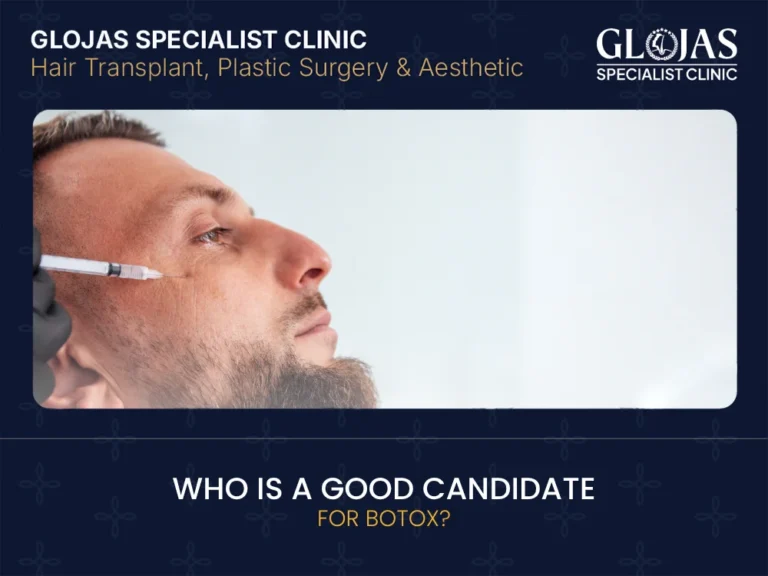
Understanding Botox Candidates: Who Benefits Most?
When people search for Botox candidates, they’re usually trying to figure out if this popular aesthetic treatment is right for them. In simple terms, good candidates for Botox are individuals looking to reduce dynamic wrinkles, prevent early signs of aging, or achieve a smoother, more refreshed appearance—without surgery. However, suitability depends on several medical, aesthetic, and lifestyle factors.
What Is Botox and How Does It Work?
Botox is a purified form of botulinum toxin that temporarily relaxes targeted muscles. It works by blocking nerve signals to those muscles, preventing repetitive contractions that lead to wrinkles.
Common treatment areas include:
- Forehead lines
- Frown lines (glabellar lines)
- Crow’s feet around the eyes
The result? Smoother skin and a more youthful look—typically lasting 3 to 4 months.
Key Characteristics of Ideal Botox Candidates
1. Individuals With Dynamic Wrinkles
Botox works best on dynamic wrinkles, which form due to repeated facial movements like smiling or frowning.
You’re a strong candidate if you notice:
- Lines that appear when you make expressions
- Wrinkles that deepen over time
Static wrinkles (visible even at rest) may require combination treatments.
2. Adults Seeking Non-Surgical Anti-Aging
Botox is ideal for people who:
- Want subtle, natural-looking results
- Prefer non-invasive procedures
- Have busy lifestyles with minimal downtime
It’s widely used by patients in their late 20s to 50s, though age isn’t the only factor.
3. Preventative Botox Candidates
Preventative Botox is becoming more popular among younger adults.
You may benefit if:
- You’re in your mid-to-late 20s
- You’re starting to see fine lines
- You want to delay deeper wrinkle formation
This approach uses smaller doses to maintain natural facial movement.
4. People in Good Overall Health
A good Botox candidate should:
- Be physically healthy
- Have no active skin infections in the treatment area
- Have no known allergies to botulinum toxin
A qualified practitioner will always review your medical history before treatment.
5. Individuals With Realistic Expectations
Botox can significantly improve appearance—but it’s not magic.
Ideal candidates understand:
- Results are temporary
- Maintenance treatments are needed
- Outcomes vary depending on muscle strength and skin condition
Who Should Avoid Botox?
While many people are suitable Botox candidates, some should avoid it or proceed with caution.
Not recommended for:
- Pregnant or breastfeeding individuals
- People with certain neurological disorders
- Those allergic to botulinum toxin ingredients
Conditions like Myasthenia gravis may increase the risk of complications.
Always consult a licensed professional before proceeding.
Botox for Medical vs Cosmetic Use
Botox isn’t just for aesthetics. It’s also U.S. Food and Drug Administration-approved for several medical conditions, including:
- Chronic migraines
- Excessive sweating (hyperhidrosis)
- Muscle spasms
This means Botox candidates may include individuals seeking both cosmetic and therapeutic benefits.
Skin Types and Botox Suitability
Botox is suitable for all skin types and tones, unlike some laser treatments that may have limitations.
However, outcomes may vary depending on:
- Skin elasticity
- Degree of sun damage
- Age-related collagen loss
A consultation helps tailor the approach for optimal results.
Male vs Female Botox Candidates
Botox is increasingly popular among men, sometimes referred to as “Brotox.”
Differences in treatment:
- Men often require higher doses due to stronger facial muscles
- Treatment goals may differ (e.g., maintaining a more rugged look)
Regardless of gender, candidacy depends on anatomy and goals—not stereotypes.
When Is the Right Time to Start Botox?
There’s no universal “perfect age” for Botox.
General guideline:
- Late 20s to early 30s: Preventative use
- 30s to 50s: Corrective use
- 50+: Maintenance and combination treatments
The best time is when wrinkles begin to bother you—not based on age alone.
Consultation: The Most Important Step
Before deciding if you’re a Botox candidate, a professional consultation is essential.
During your consultation:
- Facial muscles are assessed
- Medical history is reviewed
- A personalized treatment plan is created
This ensures safety and natural-looking results.
Benefits of Being the Right Botox Candidate
When Botox is used appropriately, candidates can expect:
- Smoother, more youthful skin
- Reduced appearance of wrinkles
- Quick treatment (often under 30 minutes)
- Minimal downtime
The key is selecting the right patient—and the right injector.
Potential Risks and Considerations
Even ideal Botox candidates should be aware of possible side effects:
- Mild swelling or redness
- Temporary bruising
- Rare complications like drooping eyelids
Choosing an experienced provider significantly reduces these risks.
Combining Botox With Other Treatments
Some Botox candidates may benefit from combination treatments for enhanced results:
- Dermal fillers for volume loss
- Laser treatments for skin texture
- Skincare routines for long-term maintenance
A holistic approach often delivers the best outcome.
FAQs About Botox Candidates
1. Who are the best Botox candidates?
People with dynamic wrinkles, good health, and realistic expectations.
2. Can young people get Botox?
Yes, many use it preventatively in their late 20s.
3. Is Botox safe for everyone?
No, certain medical conditions and pregnancy may exclude you.
4. How do I know if I need Botox?
If expression lines bother you, a consultation can help determine suitability.
5. Does Botox work on deep wrinkles?
It works best on dynamic wrinkles; deep lines may need additional treatments.
6. How long do results last?
Typically 3–4 months.
7. Can men be Botox candidates?
Absolutely. Treatment is customized for male facial anatomy.
8. Is there downtime after Botox?
Minimal—most people resume normal activities immediately.
9. What happens if I stop Botox?
Muscle movement returns, and wrinkles gradually reappear.
10. How often should I get Botox?
Usually every 3–6 months, depending on individual response.
Final Thoughts: Are You a Good Botox Candidate?
Determining whether you’re a suitable candidate for Botox isn’t just about age or wrinkles—it’s about your goals, health, and expectations. The best Botox candidates are those who want natural-looking enhancement, understand the treatment process, and work with qualified professionals.
If you’re unsure, a personalized consultation is the smartest next step.